Forget the days of perfectly white shiplap walls. They sailed years ago when dusting became less of a priority compared to caring for the family, land, and stock. As farmers, we aren’t home much; maybe to sleep, catch up on the news, or change clothes, so a change in the weather may not justify you decorating for fall, but what you [accidentally] drag in the house may say otherwise.
The term “farmhouse” is being used in a more broader term than ever. Known for its white siding, wrap-around porch and simplicity, it seems as though we have all been sitting on a retail goldmine in the interior/exterior decorating world.
We weren’t aware that dirty boots piled up with oil-stained Wranglers, and smelly shirts were a sign of a well-put-together home. We weren’t aware that recently born animals brought in from the cold laying by the fireplace still covered in less-than-pleasant afterbirth were the style. We weren’t aware that hay and grain strew out among the house gave us charm. All we know is our way of life.
Consider the goat. Known for its wide-set eyes and head-butting tendencies, it’s a hard-working, low-maintenance, plant-eating, fertilizing machine. So when a property owner is looking to clear large or unruly swaths of land without costly labor, potentially harmful chemicals, and outside environmental impact, they may consider goatscaping, a method that, while not so new, is growing more popular by the day.
Using a herd of goats to clear a property through browsing, foraging, and fertilizing is a centuries-old tradition. Goatscaping takes advantage of the herd’s most natural talents: eating nearly anything and everything in its path. For those concerned about the risk of toxins seeping into the ground from chemical weed killers, as well as accessing steep, narrow, or rough terrain that modern machinery cannot handle, the agile and hardy goat may be a top-choice solution.
Additionally, goatscaping isn’t a natural fix for just weeds and overgrown brush. Dangerous plants like poison ivy, poison sumac, and invasive species like kudzu, which grow rapidly and can smother native plants, are no match for a goat’s appetite.
Agricultural producers reported they were not able to plant crops on roughly 19.4 million acres in 2019, according to a new reportreleased by the USDA. This marks the most prevented plant acres reported since USDA’s Farm Service Agency began releasing the report in 2007 and 17.49 million acres more than reported at this time last year.
Of those prevented plant acres, more than 73 percent were in 12 Midwestern states, where heavy rainfall and flooding this year has prevented many producers from planting mostly corn, soybeans and wheat.
About 75% to 80% of grass-fed beef sold in the U.S. is grown abroad, from Australia, New Zealand and parts of South America, according to a 2017 report from the Stone Barns Center for Food and Agriculture. Those countries have the advantage of "vast expanses of grassland, low-input beef that is not finished to a high level, and is very inexpensive," says Rowntree — even with the cost of shipping it halfway around the world. Most of what comes from Australia is ground beef, not steaks, because the end result of their finishing process tends to be tough.
Many U.S. customers who want to support local food are likely unaware of the foreign origin of most grass-fed beef. By law, if meat is "processed," or passes through a USDA-inspected plant (a requirement for all imported beef), it can be labeled as a product of the U.S.
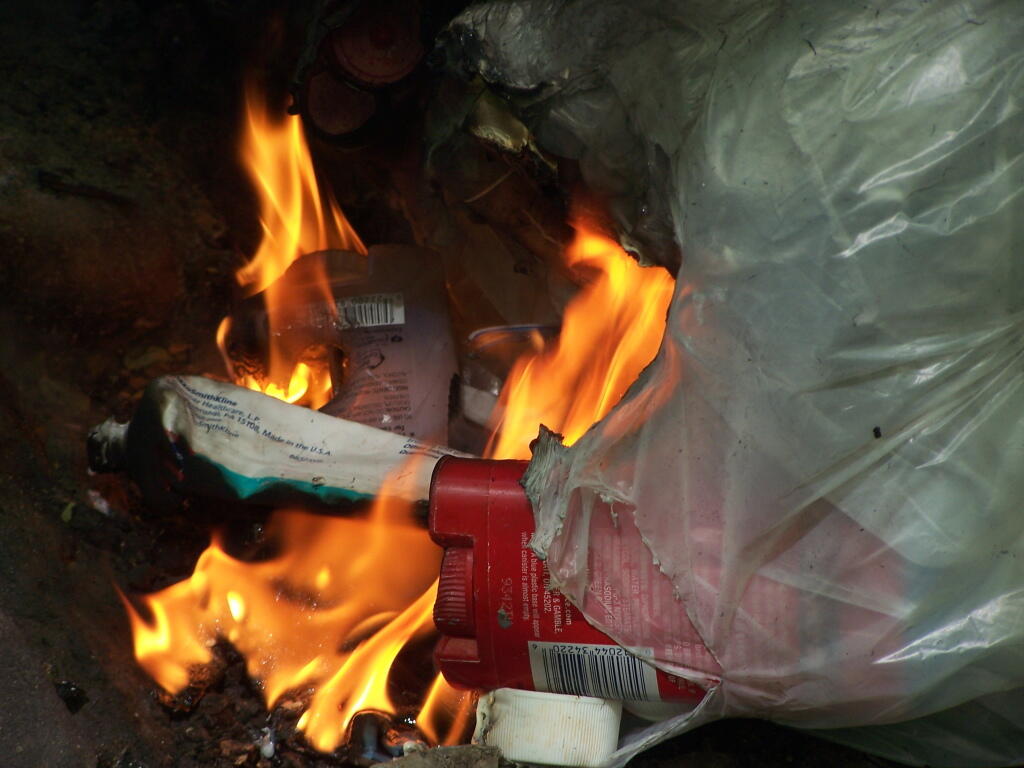
In Pennsylvania, state law allows rural households to burn “domestic refuse” unless prohibited by the local townships. 🔥Many small towns look the other way, and plenty of small farms and homesteads burn their trash – everything they throw away – except maybe food waste that they compost and metals and glass which they either take to the landfill or the transfer station for in some cases for recycling once a year or so.🚮
It actually works pretty good and saves the rural homesteads money while keeping garbage out of the landfill.🏡 I’ve burned garbage over the years, composting, and saving recycling metals and glass aren’t rocket science. Burn barrels, while smelly and somewhat toxic, have proven a solid way of rural households to dispose of most of their ordinary household trash. Trash disposal in country isn’t a big deal if you have land, and can burn most of it.🔥 Many if not most homesteaders and farmers in states that allow open burning do so, despite the smell and the sometimes noxious compounds released.
And it can and does smell bad, especially when people burn it in barrels without additional fuel. I had actually forgotten how pungent it can be driving through small town Pennsylvania on a warm summer night with smoldering trash barrel out back. The smell of polystyrene breaking down in a smoldering fire is particularly pungent. ☁Makes me think when I own my off-grid home I’ll probably want to have garbage cans, save the garbage then build a hot fire and burn what I can without as many noxious fumes.
I do like fire and I do like the idea of living without expensive trash pick up,💸 limiting my landfill disposal to a small bag every year, 🚮burning and comparing the bulk of it. Maybe even getting money rather than paying money 💵 for my aluminum cans and tin cans at a scrap yard. ♻ I’m not that worried about pollution in the kind of rural area that I eventually want to live in. More power to the Pennsylvania redneck that burns! 💪🔥