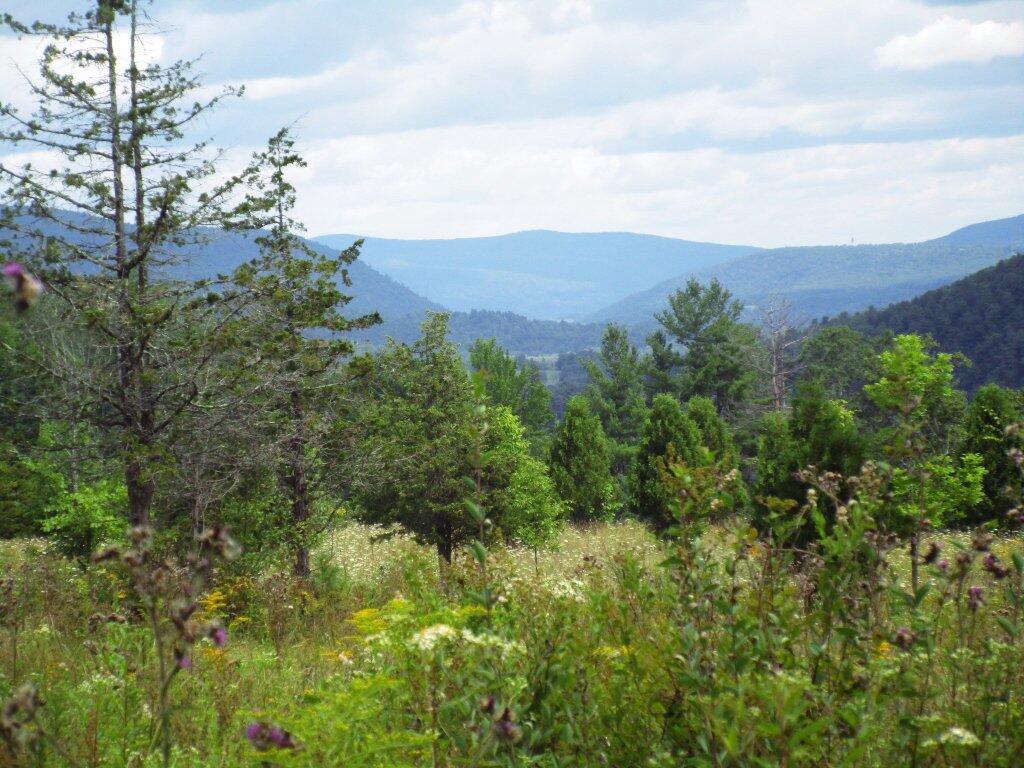
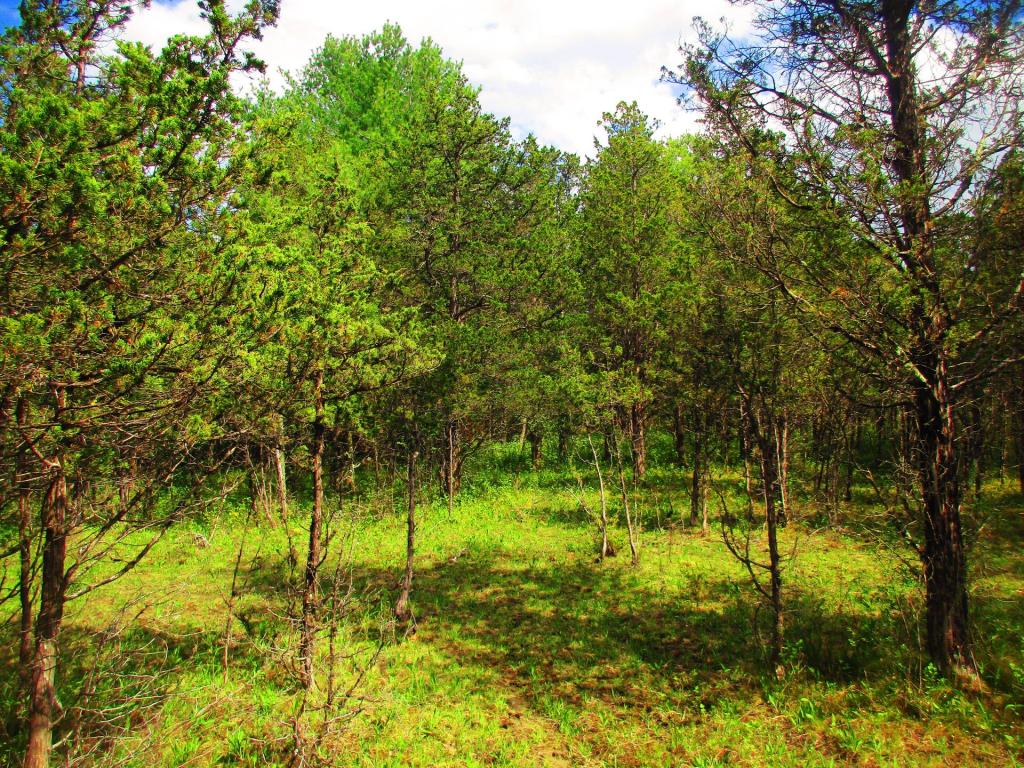
If you’ve ever driven along a highway or walked through an old, abandoned pasture, you’ve likely seen the Eastern Red Cedar (Juniperus virginiana). These resilient evergreens a pioneer species because they are among the first to move back into disturbed sites like mines or abandoned, worn-out farmland.
A Survivor Against All Odds
The Eastern Red Cedar is an anomaly in the natural world. Most pioneer species are short-lived, meant to pave the way for larger forests. However, this tree can live for over 900 years. It thrives where others struggle, surviving in everything from dry, rocky soil to rich riverbanks. Its secret? An extensive, fibrous root system and small leaves that make it incredibly drought-tolerant.
However, there’s a catch: Eastern Red Cedar can’t tolerate the shade. On rich soil where faster-growing hardwoods can tower over it, the red cedar is quickly out-competed and rarely becomes the dominant tree. But in worn-out pastures, mines, abandoned “waste lands” it can be a very aggressive species.
The “Double-Edged Sword”
While beautiful and durable, the Eastern Red Cedar has a complicated relationship with its environment:
Orchard Enemy: It acts as an alternate host for cedar–apple rust, a fungal disease that can devastate apple crops. Because of this, farmers often have to remove these trees if they are too close to their orchards.
The Fire Hazard: Red cedars are fire-intolerant. Their low-hanging branches act like “ladders,” allowing ground fires to climb and engulf the entire tree. In places like Oklahoma and Texas, dense populations have been blamed for the rapid spread of dangerous wildfires.
Ecosystem Invader: In the Great Plains, these trees are expanding so aggressively that they are transforming grasslands into cedar thickets. This “invasion” pushes out native birds and ruins grazing land for cattle, leading many conservationists to use prescribed burns and cutting to keep them in check.
A Winter Lifeline for Wildlife
While sometimes invasive and damaging to apple orcards, Eastern red cedar is considered a “workhorse” for local wildlife, providing essential food and shelter throughout the year. While it can be aggressive in some landscapes, its ecological value to dozens of species is undeniable. Female red cedars produce bluish, berry-like cones that are a critical high-energy food source, especially when other food is scarce in winter.
Birds: More than 50 bird species rely on these berries. The cedar waxwing is even named for its preference for this fruit. Other frequent visitors include Eastern bluebirds, American robins, Northern mockingbirds, and game birds like wild turkeys and bobwhite quail.
Mammals: A variety of mammals, from small white-footed mice to black bears, consume the cones. White-tailed deer also heavily browse the foliage and twigs, particularly during harsh winter months.
The tree’s dense, evergreen foliage provides year-round protection from predators and the elements.
Year-Round Cover: Its thick branches offer “thermal cover,” helping animals stay warm during cold winter nights.
Nesting Sites: Many songbirds, including chipping sparrows and song sparrows, choose the red cedar as a preferred nesting site due to its privacy and protection.
Building Materials: Squirrels and birds like the indigo bunting use the tree’s soft, peeling bark as a primary material for building their nests.
The Eastern Red Cedar is also host plant for more than 30 species of native moths and butterflies. Most notably, it serves as the exclusive host for the juniper hairstreak butterfly, which lays its eggs on the tree’s foliage.
A Legacy in the Landscape
The presence of Eastern Red Cedar is often a “clue” to the past—an echo of a time when the land was cleared for agriculture, pasture or mining decades ago. These hardy pioneers continue to march across the landscape, changing our ecosystems one seedling at a time. Next time you see one, remember: you’re looking at one of North America’s most ancient, tough, and debated residents.



![Cedar Above the Clay Pits [Expires May 26 2026]](https://andyarthur.org//data/photo_022911_large.jpg)