Super Duty dreams and off-grid schemes.

The “Invisible” Guest – Why DePaula thought I was still interested in their F-350 truck 🛻
Have you ever browsed a dealership’s website, looked at a specific truck, and then received a phone call or email—even though you never filled out a “Contact Us” form? It can feel like magic, or perhaps a bit like being followed. I know that happened when I was looking at the one truck I didn’t buy, just to see if it sold or otherwise got disposed off the dealer’s stock list.
In the modern automotive world, digital footprints are the new showroom floor. This is how dealerships and manufacturers track your every move and turn your “just looking” into a “hot lead” in their CRM (Customer Relationship Management) systems.
When you land on a dealership or manufacturer website, several technologies work together to identify you and your interests: 
- Browser Cookies: Small files stored on your device that remember your history.
- IP Tracking: Identifying your general location and, occasionally, your identity if you’ve logged into related services.
- Tracking Pixels: Tiny, invisible images (often from Meta or Google) that report back which Vehicle Detail Pages (VDPs) you viewed.
- VIN Tracking: The system notes exactly which stock numbers you clicked on, how long you looked at the photos, and if you used the “Payment Calculator.”
A dealership’s CRM is the brain of the operation. It doesn’t just wait for you to call; it actively hunts for data. 
- Soft Conversions: Clicking a “Check Availability” button—even if you don’t hit submit—can sometimes trigger a “ghost lead” if you’ve visited the site before.
- Equity Mining: If you have ever serviced your car at that dealership or bought there years ago, the CRM recognizes your device. When you return to the site to check if that truck you liked finally sold, the system flags your record: “Previous customer [Your Name] is back and looking at Stock #1234.”
- Identity Resolution: Third-party data providers (like Polk or Cox Automotive) can sometimes match your IP address or cookies to a physical mailing address or email stored in their massive databases.
When you build a car on a brand’s national website (like Ford.com or Toyota.com), you aren’t just playing with colors. 
- Lead Distribution: Once you save a build or “search local inventory,” the manufacturer sends your data to the nearest three dealerships.
- Tier 1 to Tier 3: Information flows from the manufacturer (Tier 1) down to the local store (Tier 3) instantly.
Your CRM profile is often built by things you do far away from the dealership’s actual website: 
- Third-Party Sites: Browsing on Autotrader, CarGurus, or Cars.com generates leads that are sold directly to the dealer.
- Social Media: Engaging with a Facebook ad for a specific model can sync your profile directly to the dealership’s sales team.
- Credit Soft Pulls: Some “pre-qualify” tools on websites capture your info the moment you enter your name and address, before you even see a credit score.
The local dealership likely reached out to me because of Retargeting Logic. 
Because I was interested in that truck previously, I was already a “Lead” in their system. When I went back to see if it sold, my visit triggered an “Active Shopper Alarm.” To the salesperson, it looked like this: “High-intent customer is re-engaging with inventory.” They reached out immediately to catch you while your interest was peaked—or to pivot you to a similar truck if the first one was gone.


Catskill Scenic Trail
The Catskill Scenic Trail is a 26-mile recreational path that follows the former rail bed of the Ulster & Delaware Railroad. This “upside-down U-shaped” route meanders through the broad farming valleys and charming small towns of Delaware and Schoharie counties, roughly following sections of NY 30, NY 23 and NY 10 along both the headwaters of the East and West Branch of the Delaware River. Whether you are a casual walker, a cyclist, or a horseback rider, this trail offers a peaceful escape into the heart of Western Catskills, traversing hamlets like Roxbury, Grand Gorge, Stamford, Hobart and Bloomville.

The trail features a gentle grade and a relatively flat profile, making it accessible for families and various skill levels.
- Materials: The surface primarily consists of hard-packed cinder, gravel, and dirt.
- Best Sections for Biking: The western half (Bloomville to Stamford) is generally better maintained and smoother, suitable for hybrid or gravel bikes.
- Rugged Areas: The section between Grand Gorge and Roxbury is more rugged, with some original railroad ties still embedded and potential for mud after rain; mountain bikes are highly recommended here.
- Accessibility: While mostly firm, certain segments can become soft or “spongy” after wet weather, particularly near beaver-populated wetlands.
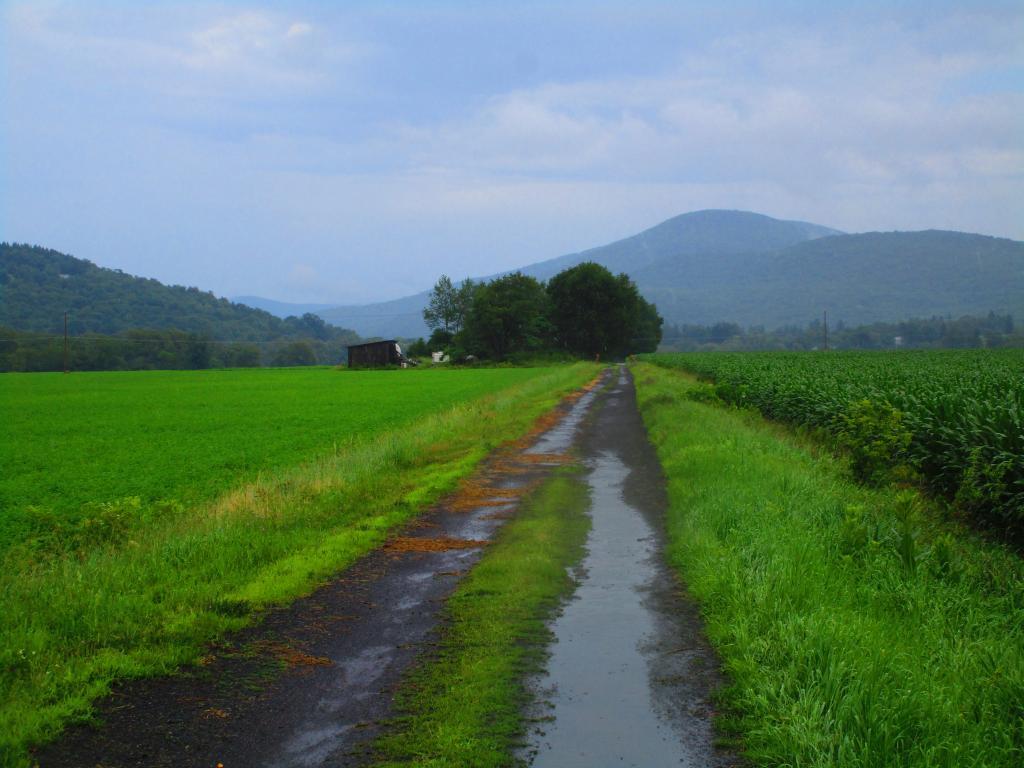
The Catskill Scenic Trail is celebrated for its pastoral beauty, small towns, mountain views and historical markers.
- Delaware River Headwaters: The trail follows the West Branch of the Delaware River for much of its length, offering constant views of meandering water and cool fishing spots.
- Farming Valleys: You will pass through lush agricultural landscapes, including active farmyards in South Kortright where you might encounter resident turkeys or grazing cows.
- Railroad History: Keep an eye out for the original Ulster & Delaware mile markers (indicating the distance to Kingston) and the historic Stamford Depot.
- Mountain Vistas: While you remain in the valley, the surrounding Catskill foothills rise on both sides, providing a stunning backdrop, especially during the fall foliage season.



Oil prices keep falling, while US stocks hang near their record highs | AP News
NEW YORK (AP) — The U.S. stock market is holding near its records Thursday as oil prices keep dropping on hopes that a deal may be nearing to allow tankers to carry crude once again from the Persian Gulf to customers.
The price for a barrel of Brent crude oil, the international standard, fell another 4.5% to $96.70, down from more than $115 early this week. It and gasoline are still much more expensive than they were before the war with Iran began, but hope is rising in financial markets as Iran said it was reviewing the latest U.S. proposals on ending their war.
On Wall Street, the S&P 500 added 0.1% to its all-time high set the day before after a spokesperson for Pakistan’s Foreign Ministry said, “We expect an agreement sooner rather than later.” Pakistan has been acting as a mediator between the United States and Iran. The hope is that an end to the war will reopen the Strait of Hormuz, whose closure has kept oil tankers pent up in the Persian Gulf and sent prices higher for crude and all kinds of products worldwide.
Why Towing Mirrors Aren’t Just for Trailers
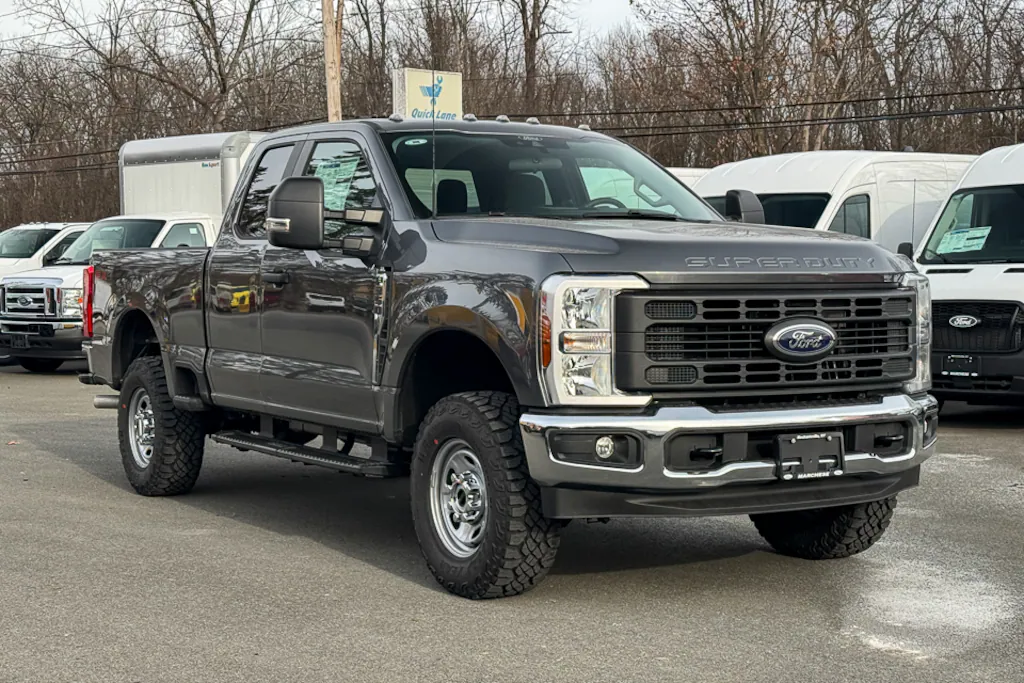
If you drive a lifted or full-size pickup, you’ve probably seen those oversized, extendable towing mirrors and thought, “I’m not pulling a cattle trailer today, so I don’t need those.”
![Untitled [Expires April 18 2026]](https://andyarthur.org//data/photo_020057_large.jpg)
Think again.
While they’re designed for hauling, towing mirrors are actually a massive “quality of life” upgrade for daily driving. Here’s why they belong on your rig even when the hitch is empty:
1. A Bird’s-Eye View of the Road
Towing mirrors provide a significantly larger surface area than standard factory mirrors. On a lifted truck, this is a game-changer. They give you a superior view of lane markings and road shoulders, making it much easier to keep your beast centered in narrow lanes or navigate tight parking lots without curbing your rims.
2. Blind Spot Elimination
We’ve all had that heart-stopping moment where a tiny sedan “disappears” right next to our rear quarter panel. Because towing mirrors usually feature a dual-pane design (a large flat glass and a wide-angle convex mirror), they effectively eliminate blind spots. You can see the car in the lane next to you from the moment it approaches until it’s right in your peripheral vision.
3. Total Confidence Behind the Wheel
There’s a certain level of stress that comes with maneuvering a large vehicle in heavy traffic. By widening your field of vision, towing mirrors take the guesswork out of lane changes. You aren’t just “hoping” it’s clear—you know it is.
The Bottom Line: Whether you’re hitting the trails or just heading to the grocery store, towing mirrors make driving a large pickup truck smoother, safer, and way more relaxing. Once you make the switch, you’ll wonder how you ever drove without them.
