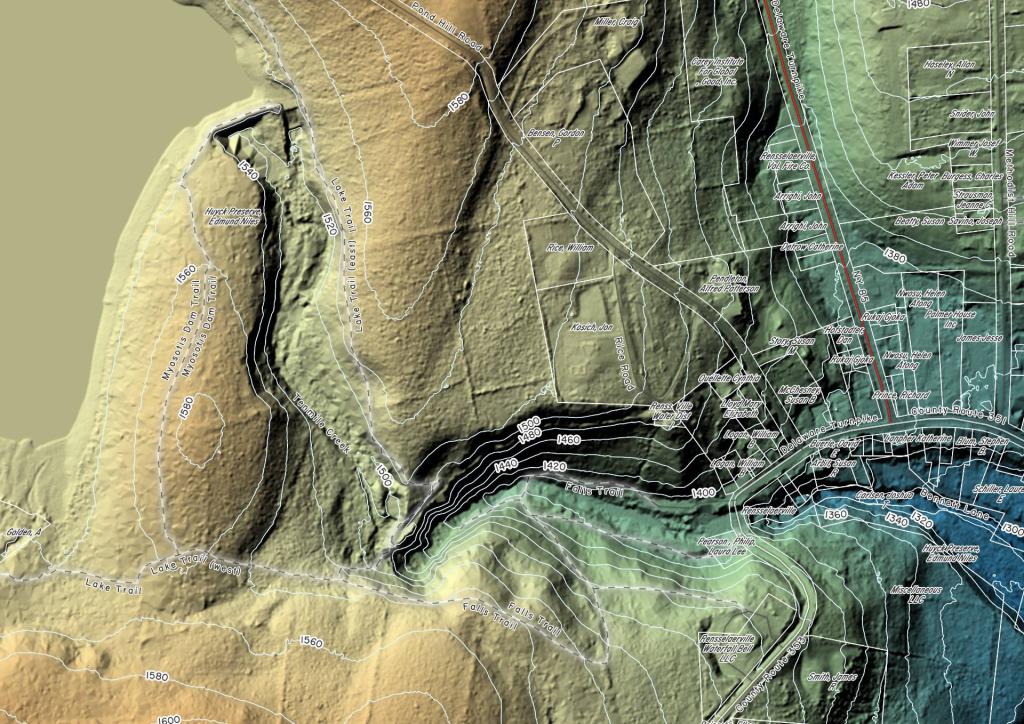
Walking along the path to the river that is maintained by Coast Guard. The signs at the entrance suggest you shouldn't walk this path but it's not posted or anything to discourage exploration.
For a fleeting moment, it seemed the era of fossil fuels was facing its final, violent curtain call. During the tense hours before the announced two-week pause on proposed strikes against Iran’s power plants and bridges, the world teetered on the edge of a supply-chain apocalypse. Had those strikes proceeded, the resulting retaliation would have likely seen Iran systematically dismantling the oil and gas infrastructure of its regional rivals. This wouldn’t have just been a regional skirmish; it would have been the “kick in the pants” required to forcibly decouple the global economy from carbon-based energy.
The logic is simple but brutal: Iran possesses the capability to inflict damage on Middle Eastern oil and gas infrastrucutre that would take years, not months, to repair. In that vacuum of supply, the world would be forced to adapt or collapse. While the transition from oil to renewables is often discussed as a gradual, decades-long evolution driven by climate policy, history shows that true systemic shifts are usually born of necessity rather than idealism. Climate change alone has lacked the immediate, visceral pressure needed to dismantle the fossil fuel status quo. A total physical destruction of supply, however, would have left the global market with no other choice but to “move on.”
The impact would be felt unevenly but universally. Europe and Asia, both heavily dependent on Middle Eastern exports, would face an existential energy famine. For these regions, electrification and renewables would cease to be a “green choice” and would become the only available lifeline. Even in the United States, which enjoys greater energy independence, the resulting price shocks would shatter the consumer’s lingering attachment to the internal combustion engine. High costs at the pump serve as a more persuasive argument for EVs than any environmental manifesto ever could.
Critics argue that the world would simply wait for the wells to be rebuilt. Yet, if the incumbent fuels—oil and gas—were severely constrained for a period of years, the infrastructure of the future would settle in. Electric cars and renewable grids are no longer experimental; they are “good enough” to handle the load. Once a nation invests the massive capital required to pivot to a renewable grid out of desperation, it is highly unlikely they would revert to a volatile, vulnerable fossil fuel system once the dust settled.
A devastating blow to Middle Eastern infrastructure would have been a painful, chaotic, and incredibly difficult transition. However, it might have been the only scenario where the world finally leaves the fossil fuel era behind—not because it wanted to, but because it had to.
I was reading the Times Union this morning, and was a bit annoyed by the article titled, “Cannabis treatment not always easy to find“. What I find so triggering about the article is its part of the Times Union screed about how awful high-potency cannabis is and how some users get addicted to it. But honestly, I kind of like the high-potency concentrates, because it doesn’t stink the way conventional cannabis does, and you can take a very quick puff and be good and high.
Is Cannabis addiction a real thing? Well, I have a bit of an addiction to apple cider vinegar, and I like cornmeal pancakes, and would be sad if I didn’t have either one. But it’s hardly a chemical addiction. And there isn’t a lot of evidence that cannabis is chemically addicting, even if is enjoyable to be stoned out of one’s brains. Cannabis treatment has dropped as fewer courts are mandating it for a now legal product. Concentrates are healthier as you smoke much less for the same amount of high.
Operating machinery or driving a car when stoned is not a good idea. Smoking a lot of anything is breathing in carcinogens. But life is not risk-free, and people will do stupid shit. Yet, if it gives people enjoyment on their time off, then all the more power them.