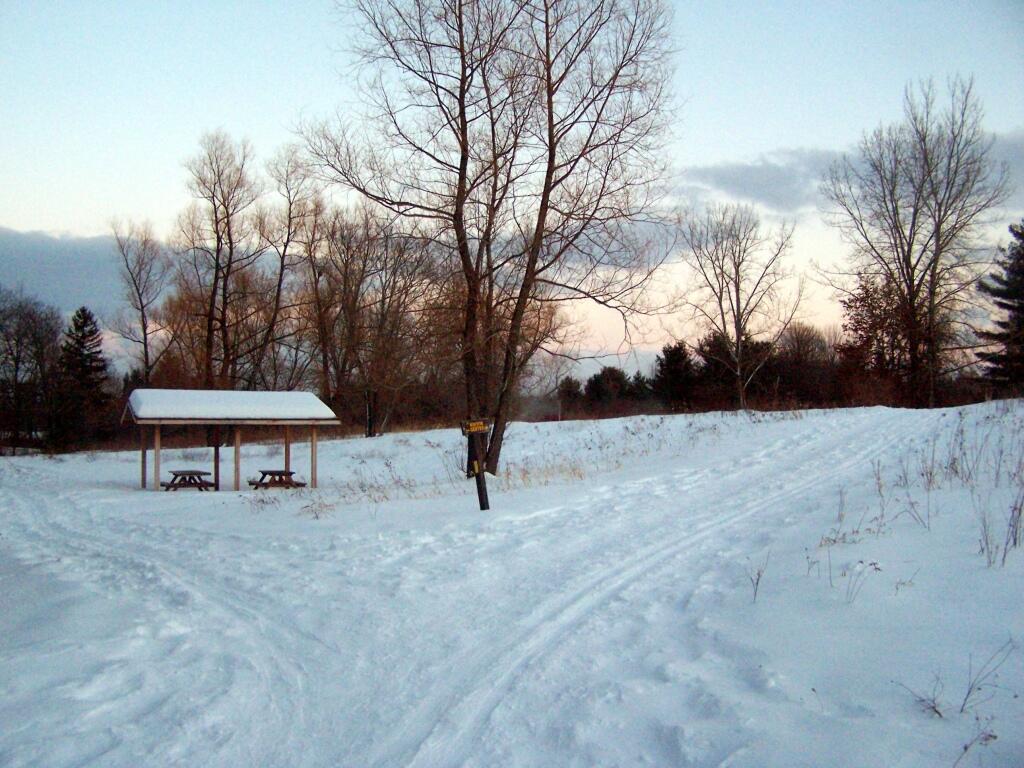
With the bitter cold this week, along with the snow and Ice the last time I’ve ridden anywhere is last Sunday. Probably the longest I’ve been off the road since I got my bicycle, and maybe I should have ridden in yesterday, my birthday but it still was pretty cold and icy. Tomorrow I’ll need to bundle up ride to the store to grocery shop, and maybe go to Walmart for some other supplies. I’m hoping next week I can ride at least a few more days into work, via Corning’s Hill. Once the snow melts off the rail trail, there should be enough light to ride both ways to work.
The #! sequence, commonly called the shebang, was introduced by Dennis Ritchie at Bell Laboratories in January 1980. It was added to the Unix kernel to allow scripts to be executed directly as commands, making them behave more like regular executable programs.
Origin and Purpose
Before the shebang, executing a script in early Unix required explicitly calling the interpreter (e.g., sh script.sh). The operating system’s exec() system call could only run compiled binaries, which started with specific “magic number” bytes that the kernel recognized as machine instructions.
Dennis Ritchie changed the system so that the kernel would check the first two bytes of a file. If the bytes were CPU instructions, it would execute the file as a binary program.
If the bytes were the ASCII characters #! (hexadecimal 0x23 0x21), the kernel would read the rest of the line to find the path to an interpreter program. The kernel would then run that interpreter, passing the script’s filename as an argument.
This mechanism brought several key benefits:
Uniformity: Scripts could be executed uniformly like any other command, rather than only being runnable from within a shell.
Clarity in monitoring: Tools like ps (process status) would show the script’s actual name and interpreter, rather than just sh, aiding system monitoring and accounting.
Flexibility: It allowed for the use of various interpreters (e.g., sh, csh, perl, python, bash) without ambiguity, making the system more flexible.
Portability: It specified the intended interpreter within the script itself, ensuring it ran with the correct environment regardless of the user’s default shell.
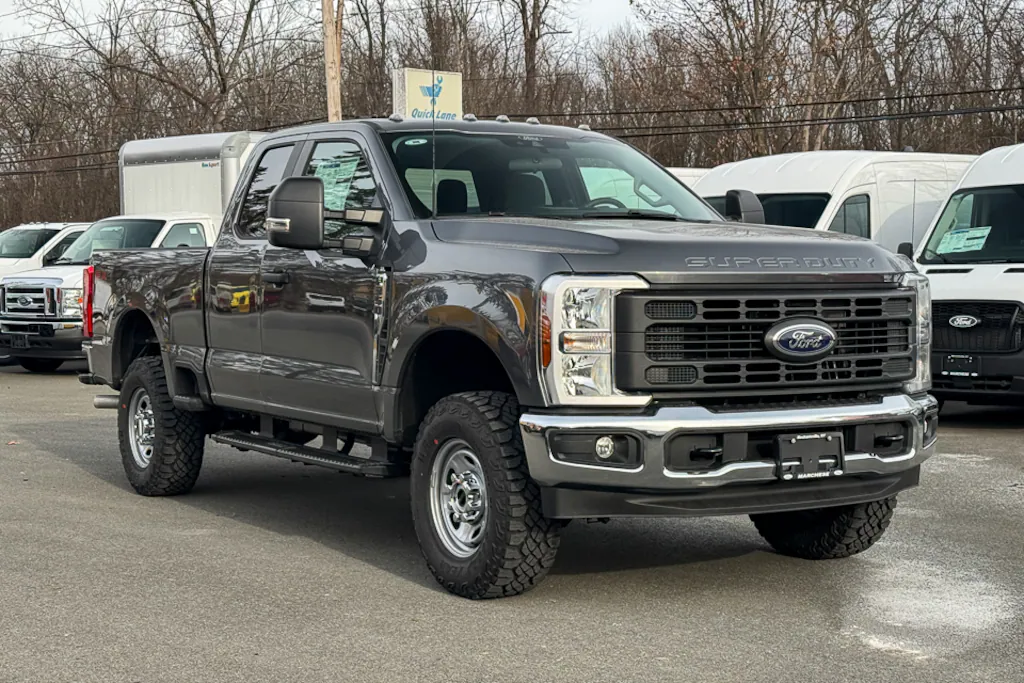
I keep reading about the downsides of owning an heavy duty-pickup truck, unless of course you are towing regularly as part of your business. The often listed reasons for not buying a HD truck are as follows:
They cost a lot of money, especially compared to small sedans and SUVs used by the car commuters
They cost a lot of money to repair and maintain, as the parts are and more expensive
They aren’t as simple as even basic HD trucks these days are packed full of sensors and technology
They use a lot of fuel, though not as bad you might think
They are big, difficult to drive and park
They have a rough ride with solid front axles
Probably the thing that bites into me about buying a Ford SuperDuty is the cost. It’s a lot of money, when there are much cheaper and smaller vehicles out there. Depending on how to look at it the truck will fall in or be slightly above the recommended amount for my income, though not by much. I should still have enough cash that I should be able to cover all reasonable emergencies without touching investments. Still it’s a lot of money for something I’m going to literally throw away in a little over a decade or a decade and a half. It not that I can’t afford a SuperDuty, but I try to be very frugal on all other parts of my life. I don’t eat out or party, I don’t take expensive vacations, I keep my heat at 50 degrees all winter and take my mountain bike or city bus to work. I don’t drive many miles. And I bitch about when it rains or extremely cold because I have to pay the bus fare but I can find money to buy a Ford F-350. I sit in the cold and darkness and stay home, just so I can have a nice truck soon enough to be trash once again, and I can’t even burn it.
Then there is the issue of fuel consumption. Based on Internet reports of real-world SuperDuty fuel economy, it’s pretty much what I get from my lifted Silverado 1500 right now on the highway at least. Not that my Silverado was at all good in city or on the trail when it came to fuel use. Truth is I don’t care that much, as I am not planning on commuting in a SuperDuty, and if it costs a few bucks when I’m traveling it’s not the end of the world. I’d rather have a truck that I am comfortable in and can spend more time in the wilderness without having to drive to town. What’s another $250 in fuel on a great summer vacation?
But I do think a lot about the messaging driving such a big truck makes. Sorry about your broken penis, dude. You must have a pretty mighty payment on such a big truck. When I bring the Big Ford home, the landlord is going to see the big truck and figure he must be loaded to afford such a nice truck, so he should raise the rent on my dilapidated apartment. When I take it out Pine Bush hikes, I am going to more glares and stares from environmentalists when they see my enormous truck. The truck will cost more then what many of my staff people I oversee make in a whole year. Certainly not going to be something I show off to my more liberal friends, the Prisus and hybrid drivers. It’s really hard to show up to a climate rally in an ginormous Ford F-350 extended cab with a long bed and camper shell, even if it’s not lifted yet and I promise myself I won’t do more then a leveling kit and maybe 35s or 37s.
And it’s just those Big Fords are big. Even with backup cameras, they’re going to be a bitch to park anywhere in the city or thereabouts. It will be difficult when I have to drive in traffic, whether it’s stuck in a jam on the Thruway or those few times I have a legitimate reason to drive downtown or to work. Not that I plan to give up busing and biking it to work most days. The laundromat will be a challenge, as will parking lots, though I actually prefer to park fair away and walk, because it’s good for health and avoid risk of getting hit in the parking or hitting other cars. But on the other hand, I’ve driven a lifted truck for 10 years now, and had a full-size, though not HD truck for 14 1/2 years. Yet it’s not fun in city, narrow truck trails and campsites, even if it’s great on the open road. I can only imagine how shit the ride is going to be rough truck trails with the solid front axle and heavy-duty rear shocks, though I’m not sure how it compared to rough worn out shocks and flexing frame of the Silverado.
Imagine if Americans could buy reliable new cars without blown gasser engines, that could make it to 100,000 miles like it used to be before everything went to hell over past two decades.