Most fertilizer prices soared in 2021, particularly phosphates and urea, driven by strong demand and higher input costs. Potash prices remained broadly stable on ample supply. Fertilizer prices are projected to average more than one quarter higher in 2021 than last year, before easing in 2022.? Risks to the forecast include the pace of capacity expansions, geopolitical tensions, and, in the medium term, environmental policies on fertilizer use.
A number of unique factors in recent seasons combined with long-term trends and created the devastating blazes. But a major reason for the massive scale of the destruction is that natural fires and burning practices first developed by Indigenous people have been suppressed for generations.
Wildfires are essential to many Western ecosystems in the US, restoring nutrients to the soil, clearing decaying brush, and helping plants germinate. Without these fires, vegetation in woodlands, grasslands, and chaparral shrublands accumulates, so more fuel is available to burn, especially when a megadrought keeps drying out the fuel, year after year. A debt to the landscape starts to mount, and when it comes due, there is hell to pay.
TUNBRIDGE — On the first Friday of July, Amber Hoyt stood in the dairy barn she owns with her husband, Scott. She held a plastic ziplock bag with small, mangled pieces of stainless steel wire in her hand.?
Since December, the Hoyts have pulled the wire from the bodies of three cows that recently died after showing symptoms the farmers hadn’t seen before: sudden bloody noses, a high number of aborted calves, obvious signs of discomfort, a decline in milk production.?
Last fall, the Hoyts found the wire scattered throughout the cows’ feed, which they grew on their land and other fields they rent in the rolling hills of Tunbridge. As the weather cooled and the Hoyts transitioned the cows out of pasture, they began feeding the animals silage, which they make by layering chopped hay from several different fields in a bunker.
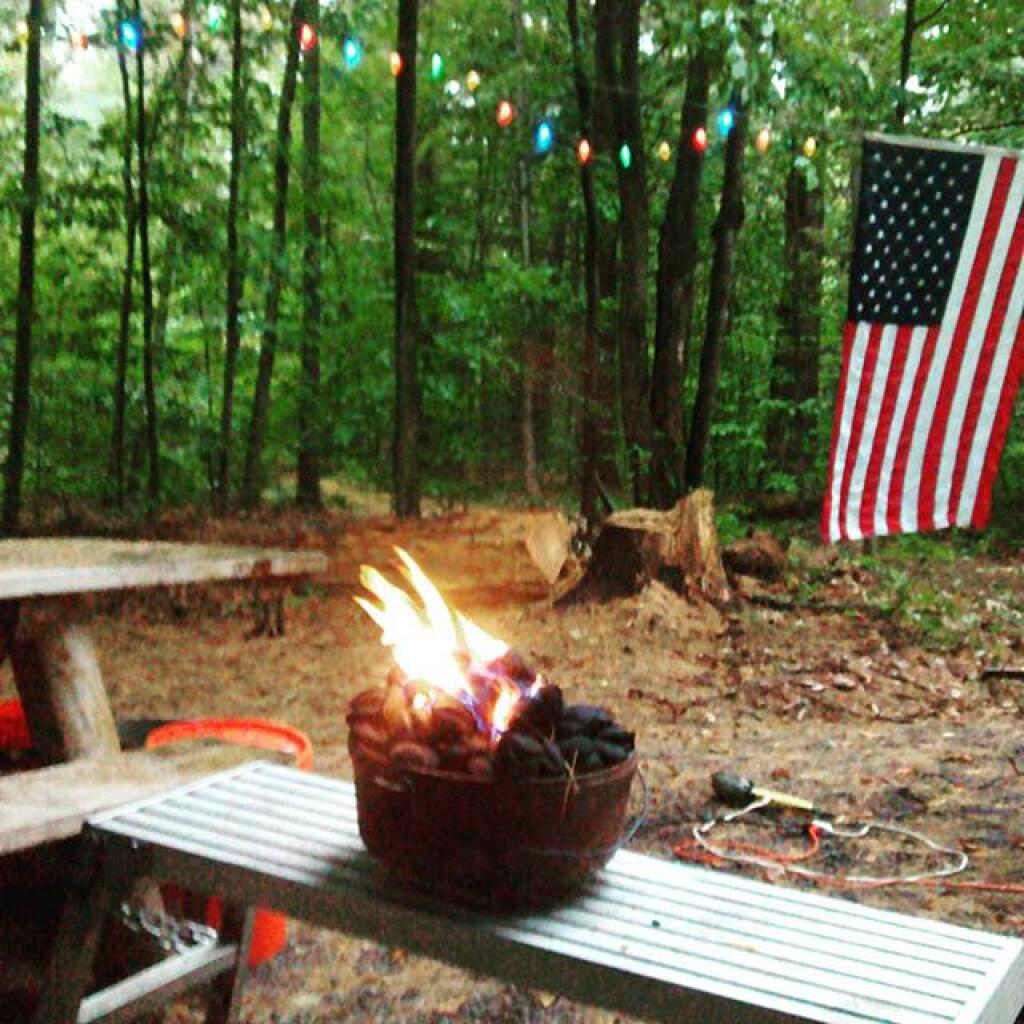
I was watching the flicker of the flames as I lit the charcoal this morning.💥 Big yellow flames as the charcoal and lighter fluid caused hydrocarbons to be split in a somewhat oxygen deprived environment producing yellow light as the carbon bonded to the oxygen producing carbon monoxide and carbon dioxide.🔥
While it’s true that carbon monoxide is a deadly poison that kills humans and animals, and exposure to elevated levels causes heart disease, out in the wilderness it quickly dissipates into non harmful levels as a substance that is a part of nature. 🌀It’s a much bigger problem in cities where there are many more sources of carbon monoxide or in enclosed areas where there isn’t a virtually unlimited supply of oxygen.👷
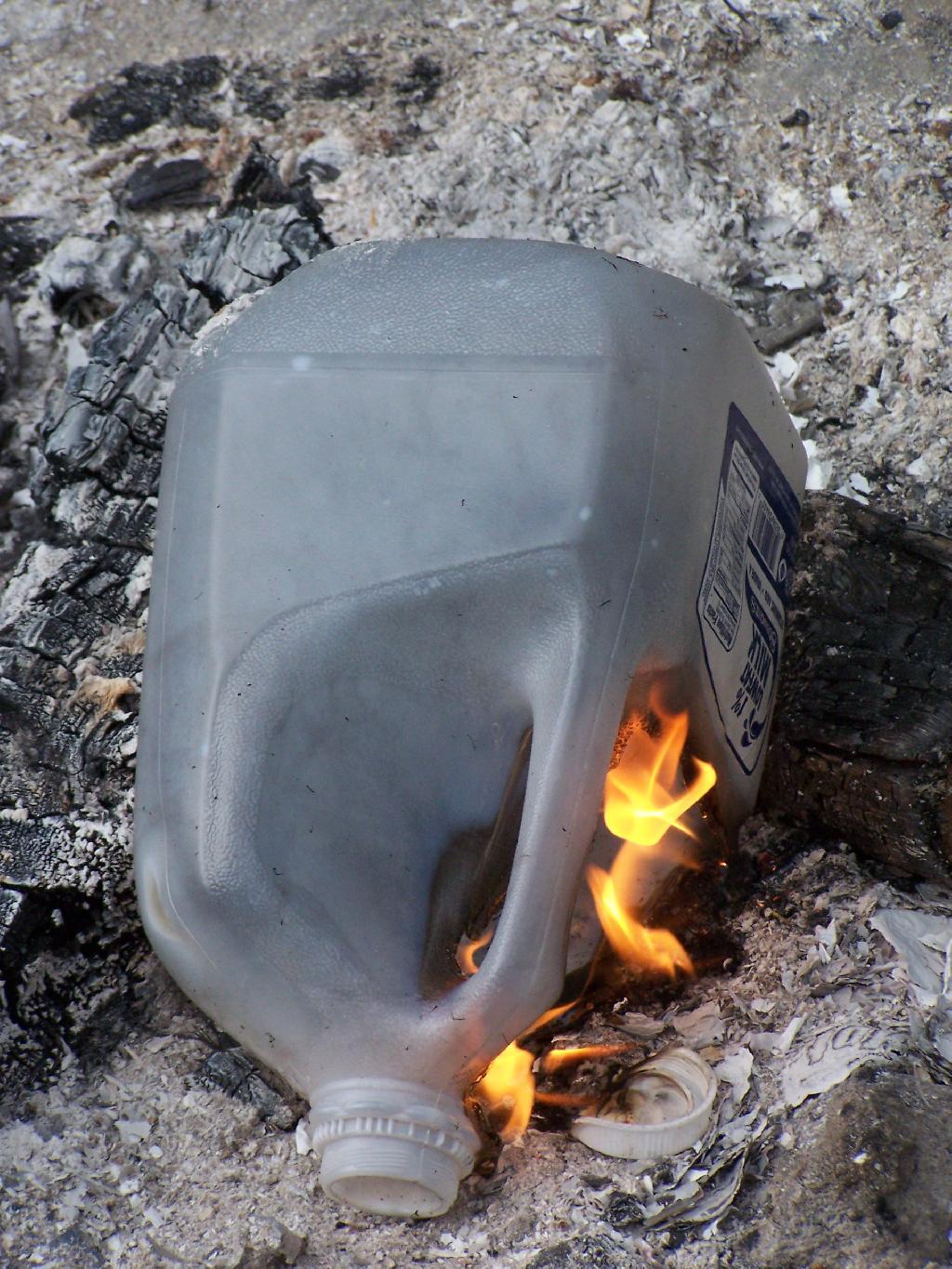
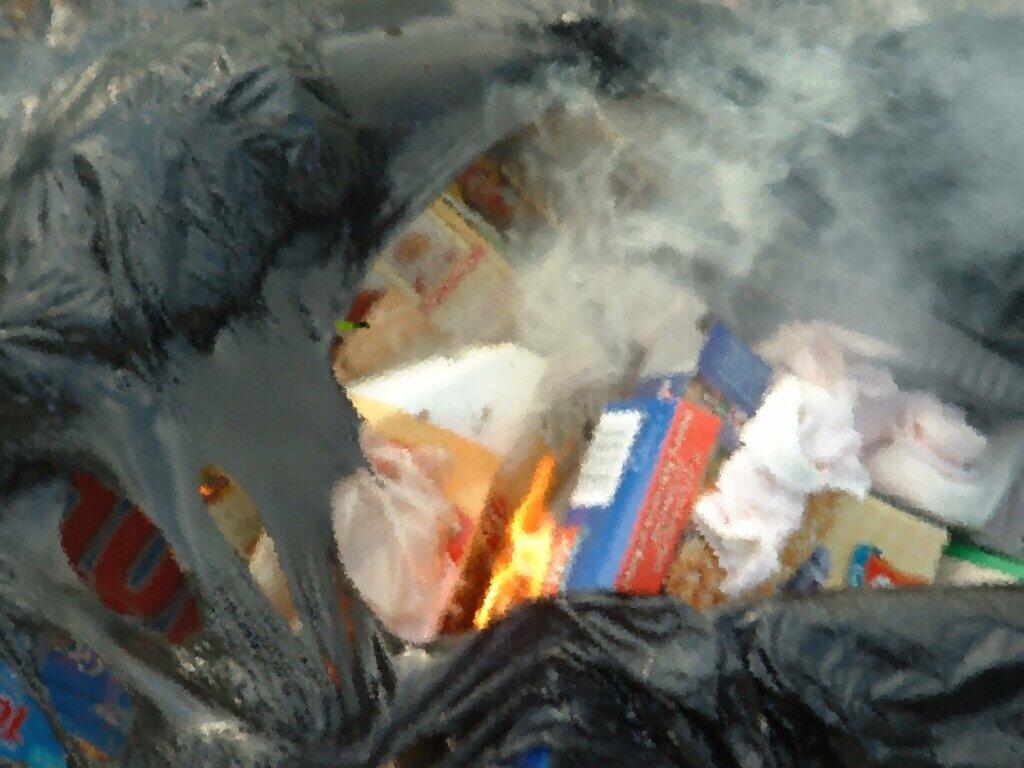
I enjoy looking at the flames, the flicker and the warmth. Fire produces light, and warmth, it can be used to cook🍔 or even dispose of burnable waste.🛢 Who doesn’t like watching that styrofoam plate or plastic milk jug melt away into oblivion?
I’ll be the first to admit I’m a fire bug. I like fire, I like camping and spending time in the wilderness. I cook with fire, and sit into the evening next to roaring fire.🔥 When I finally own a house and land, it will be out in the country where I can heat with wood, cook over fire, burn my own garbage and have bonfires.🏡
I get that fire can be a dangerous and destructive force. 👿Fire can pollute, smell bad, especially when burning certain noxious substances in more urbanized areas.🌟 But out in the country, the wilderness, when used safely it can be very beneficial force.
WASHINGTON — Agricultural producers with crop insurance can hay, graze or chop cover crops for silage, haylage or baleage at any time and still receive 100% of the prevented planting payment, the U.S. Department of Agriculture announced on Tuesday, July 6.
Previously, cover crops could only be hayed, grazed or chopped after Nov. 1; if they were used earlier the prevented planting payment was reduced by 65%.
The U.S. Department of Agriculture’s Risk Management Agency added this flexibility as part of a broader effort to encourage producers to use cover crops, an important conservation and good farming practice. Cover crops are especially important on fields prevented from planting as they help reduce soil erosion and boost soil health.
Shouldn't be the State Department of Agriculture and Markets that is testing marijuana rather than private labs? We don't rely on private labs for monitoring the milk, meat or gasoline.
![Untitled [Expires December 16 2025]](https://andyarthur.org//data/photo_019309_large.jpg)