Plastic production really began in earnest in the 1950s. It’s hard to remember, but we once got along without it. Of course, plastic offered great convenience, and its production skyrocketed. In 1967, when Dustin Hoffman was advised to go into plastics “The Graduate,” there were 25 million tons of plastic produced. These days, we’re making 300 million tons. At this point, the plastics industry is worth $4 trillion and almost half of what it's producing is single-use plastics — things that will be used once and almost instantly become trash.
Public outrage at this problem erupted in 1970, with the first Earth Day, and the industry has been successfully dodging the issue ever since. Through advertising, public outreach campaigns, lobbying, and partnerships with non-profits designed to seem “green,” plastics industry organizations have been blaming “litterbugs” for the growing menace and promoting the idea of recycling as the solution, while at the same time fighting every serious attempt to limit plastic production.
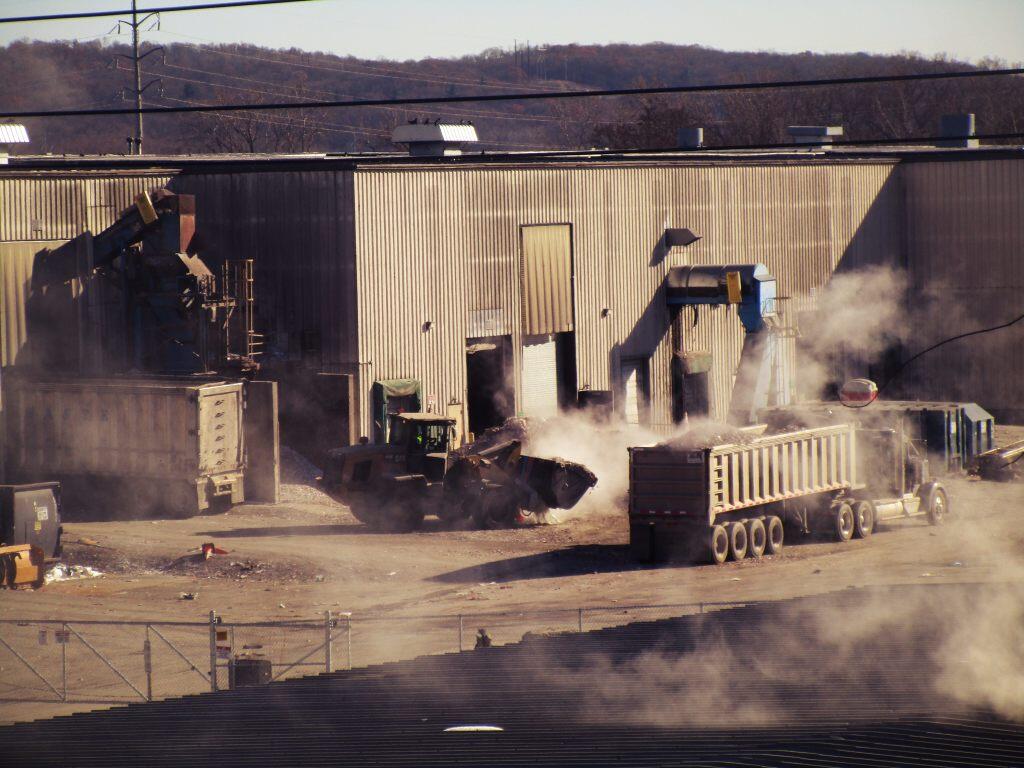
This interactive map shows waste-to-energy plants burning municipal solid waste, with rings around them to show the distance of the smoke stack to nearby homes and businesses.
I was washing out the moldy remains of random glass bottles that I got stuck in the back of the refrigerator. Mostly because I was too lazy to wash them out for recycling, and I kind of forgot about them.
I really try my best to avoid buying things in glass, just because they are heavy, they break easily, and take up a lot of room in the recycling trash. To boot, recycling rates for glass remain very low, especially those collected in municipal programs, because glass often breaks and fragments especially in packer trucks, and is little more then shards when it gets to the recycling center, useful for little besides aggregate for building landfill roads.
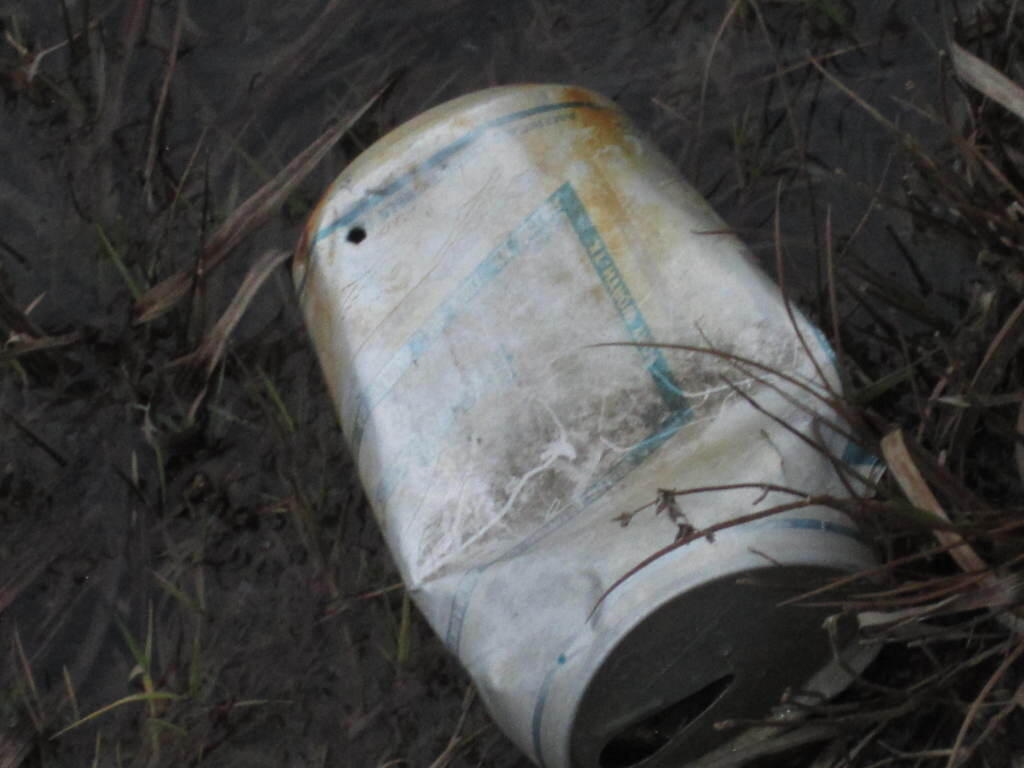
If I get beer, I will get it in a can. Aluminum is very recyclable, light-weight and fairly durable. Easy to get rid of with the deposit. I try to get everything else in paper or plastic, as that can either be saved for recycled or burnt, and doesn’t take up a lot of weight. Plastic bottles can be compressed, smashed down, and don’t take up nearly the size or weight that glass does.
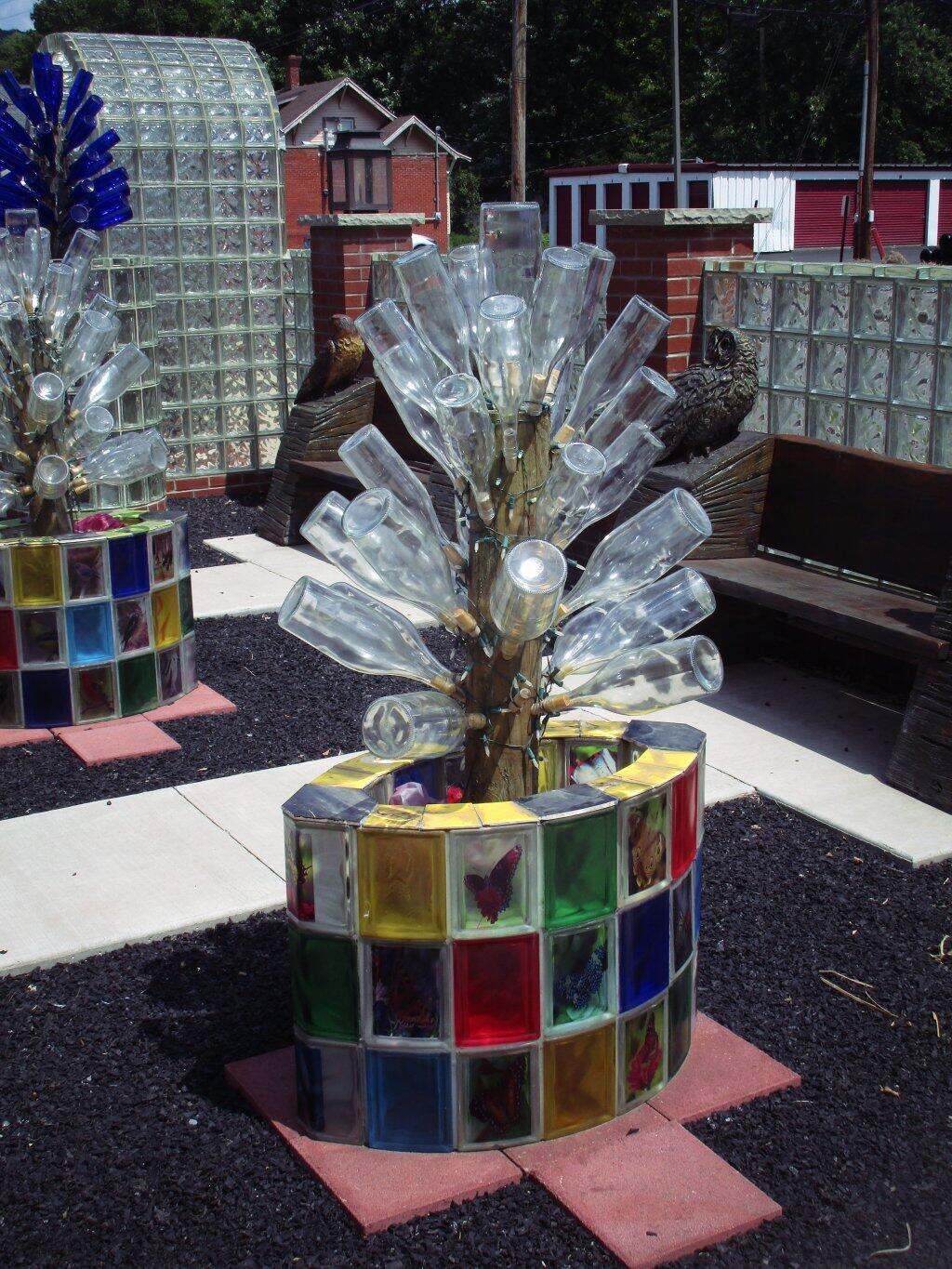
Glass might be good for crafts, but I still think it’s more of a pain then it’s worth when you get food packaged in metal or plastic, which is lighter and doesn’t break. Maybe you can use it as aggregate, and well separated glass can be recycled over and over again, although it’s difficult outside of bottle deposit and reuse programs for much clean, unbroken glass to be recovered. I could see using glass bottles for various projects when I have my own land, or just for shooting and then aggregate, but it’s still more of a headache when other packaging is available.
PITTSFIELD — Workers at a Pittsfield waste-to-energy facility risked breathing in smoke containing arsenic, cadmium and lead, the federal government says, a finding that confirms other accounts of hazards at the bankrupt plant.
The federal Occupational Safety and Health Administration has ordered Community Eco Power LLC, of Pittsfield, to respond by April 4 to violations it lodged Feb. 15 against the Hubbard Avenue plant, when it imposed $26,107 in penalties
Man, I remember that time I once threw at lithium button cell into a fire years ago. That thing went bang and smelled awful chemically. I do not recommend. Those lithium batteries contain a lot of energy, and when they get shorted can release a lot of that energy in the form of heat, which is bad when it's a mixture of combustibles like paper or plastic for recycling. Lithium batteries are causing a lot of fires in garbage trucks and recycling plants alike.
Electric vehicles, wind and solar power: The age of fossil fuels is grinding to a halt. At the same time, demand for other raw materials is rising. It’s a billion-dollar business, with serious environmental consequences.
These days, rare-earth metals like graphite, copper and lithium are key components in many hi-tech products. These include not just smartphones and laptops, but electric vehicles and wind power plants, as well. Despite being key to an environmentally-friendlier future, the extraction process for these rare metals often completely fails to take into account workers’ health and safety or basic environmental standards.
China is a market leader in the mining and trading of rare-earth metals. The negative consequences can be seen in places like the province of Heilongjiang. Here, toxic residues from the graphite extraction process can be found several kilometers from the graphite mines. Copper and lithium, used in the production of batteries, are mined on a huge scale in Chile and Bolivia.
The global trade in raw materials is a burgeoning billion-dollar business. But reserves are finite. That’s why consumption should be reduced and recycling quotas for these sought-after resources increased.