I finished up the five episodes of NPR’s Embedded podcasts on Coal Stories. 🔊I cried a little bit when the final podcast came to an end as I knew how it would end.
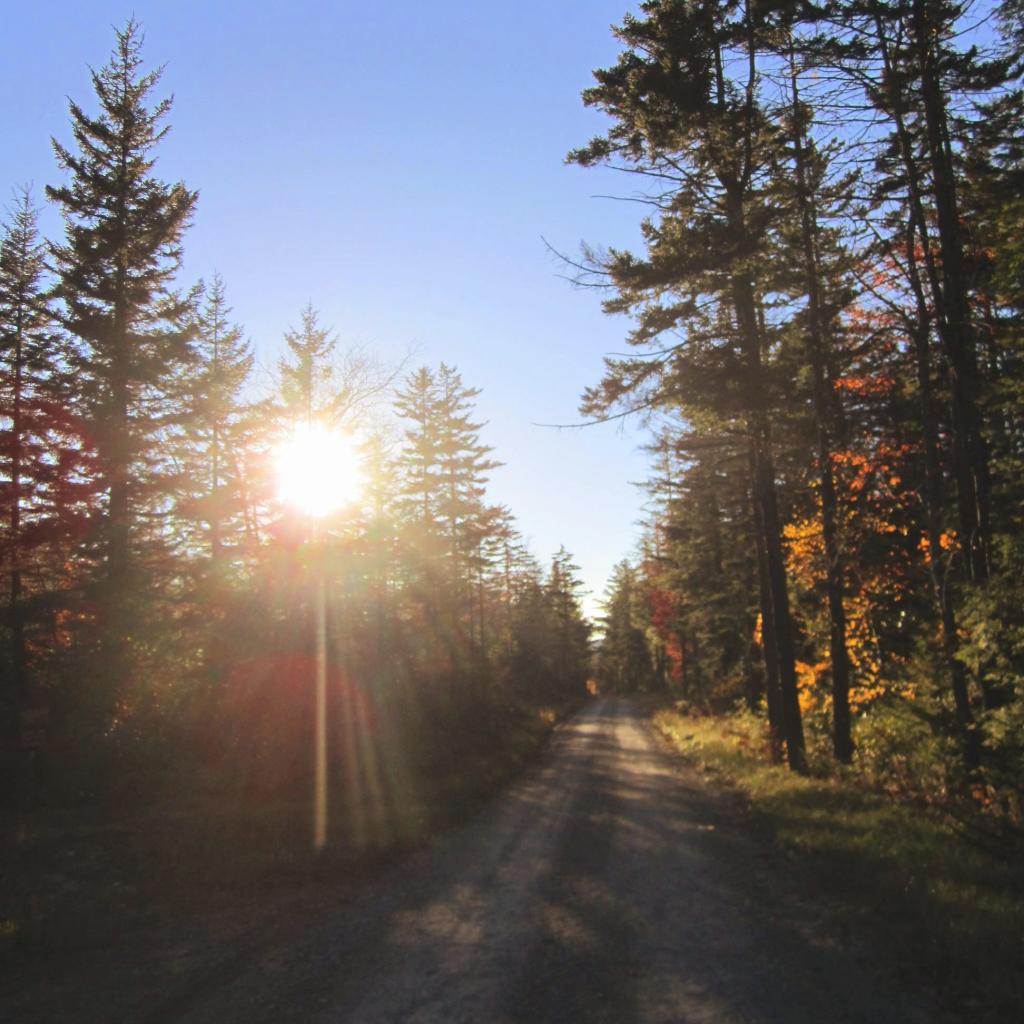
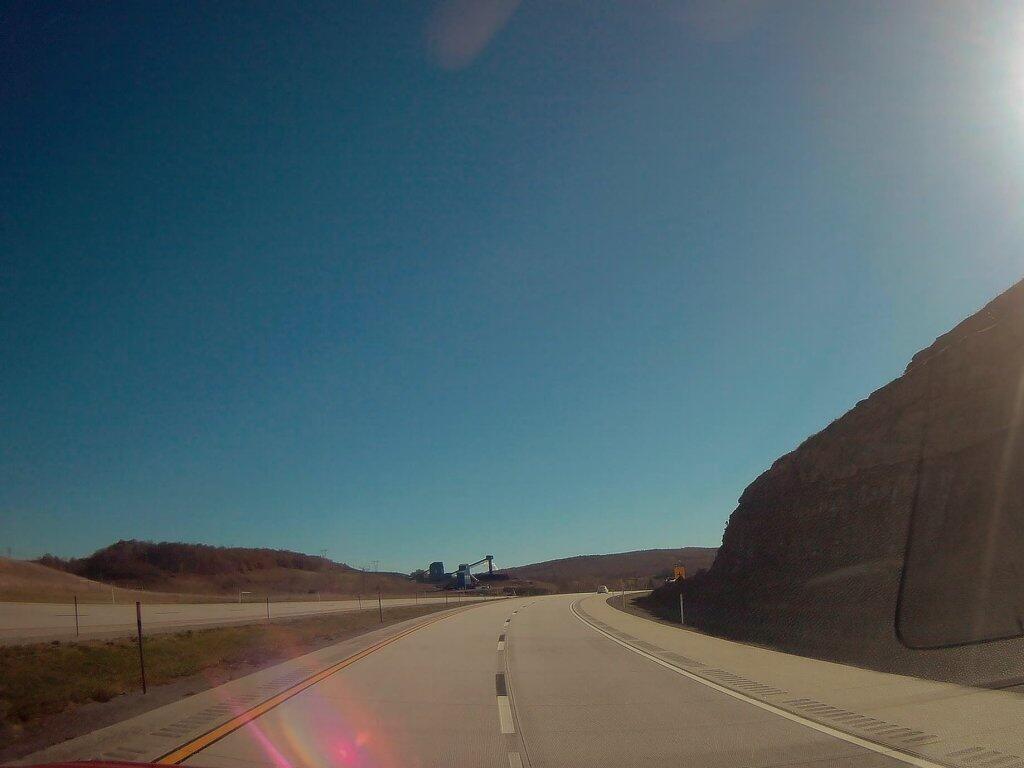
Except for the brave wayward tourist or maybe the backcountry hunter few non local people ever spend much in Appalachia off the beaten path🚧 of the expressway and the tourist trap. It’s hard to fall in love with a land at seventy miles per hour or by staying only in designated locations. Many people believe that the world ends once you pass the last stop light,🚥 descending into a dark place highlighted by Deliverance. Despite what television says, there aren’t people hiding in the woods hoping to make you squeal like a pig 🐷.
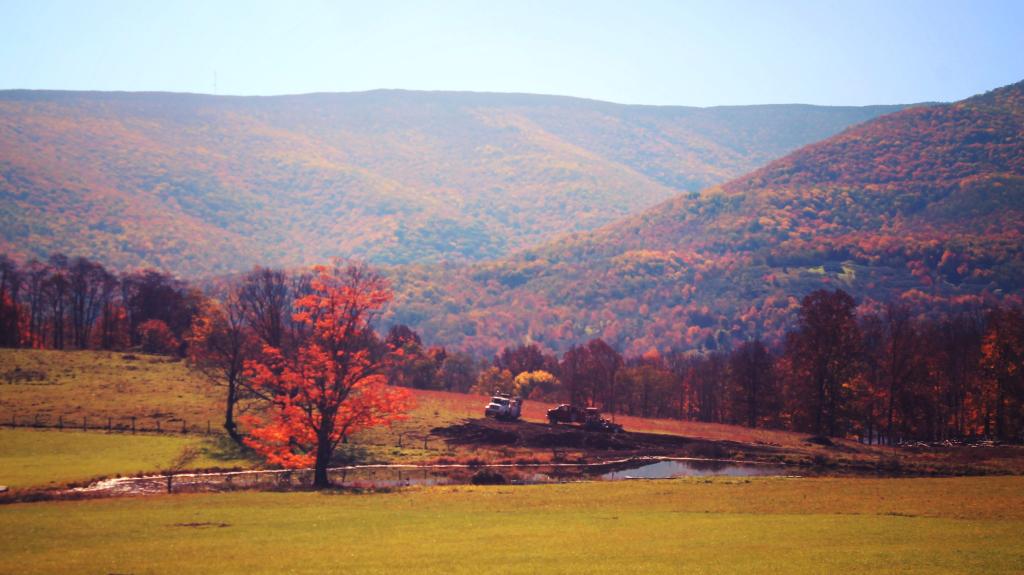
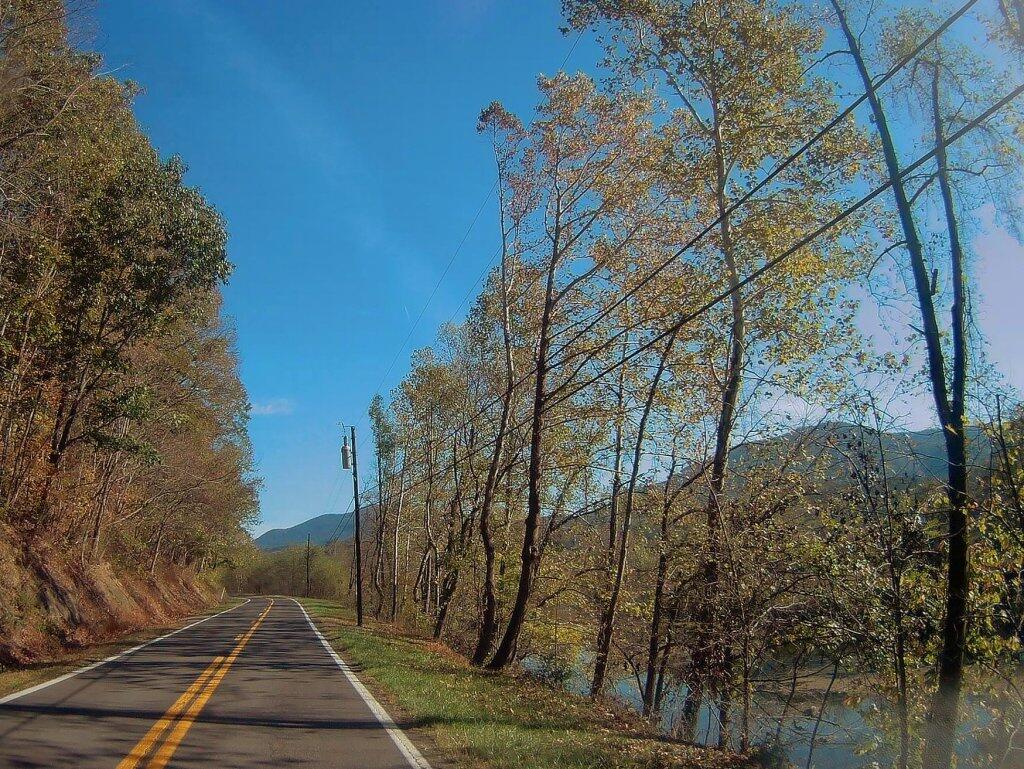
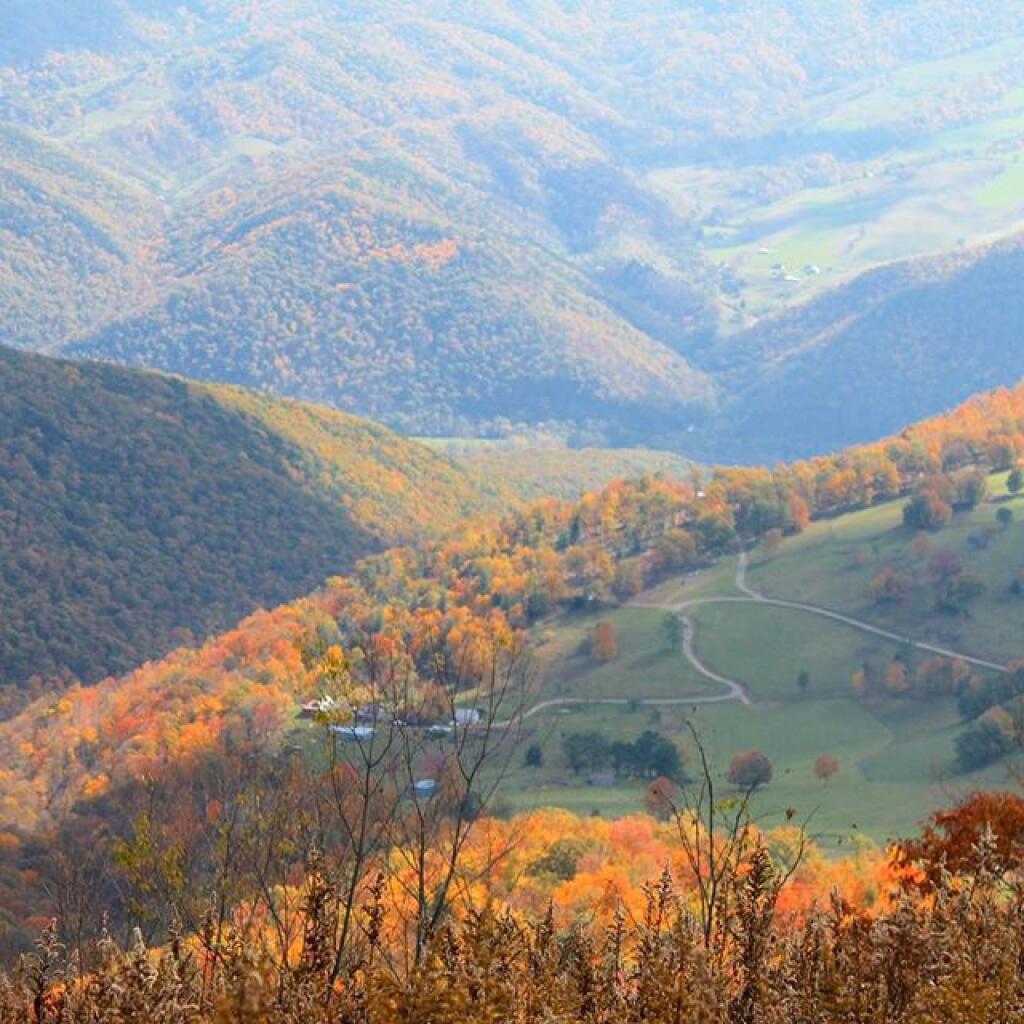
Appalachia with its mighty mountains, 🗻twisty narrow roads with steep decents and quaint villages in the river valleys is a special, wild place in many ways. It’s a place filled with amazing people, spectacular scenery and fascinating accents, traditions and customs. It’s a place of remarkable natural resources like fish and wildlife,🐡 poor farms carved into hillsides and fertile valleys🐮, timber🌲, rock, oil and gas and most importantly coal.
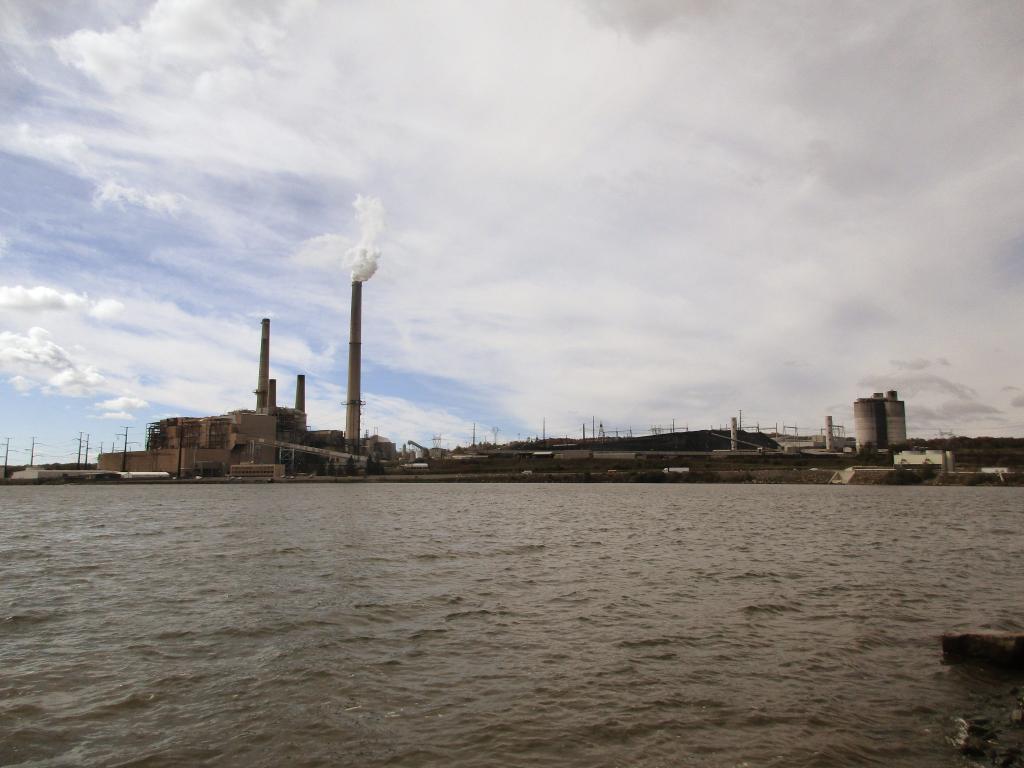
While the best of Appalachia’s coal has long been burned, there are still substantial reserves of this dirty but cheap fuel, especially the low value soft bituminous coal.🏭 Loaded with sulfur and heavy with carbon atoms, mining has provided good paying, if not tough jobs in area where there is few other jobs – as Appalachia is already poor and provides the big bustling metropolitan areas🏢 with cheap, but very dirty electricity.
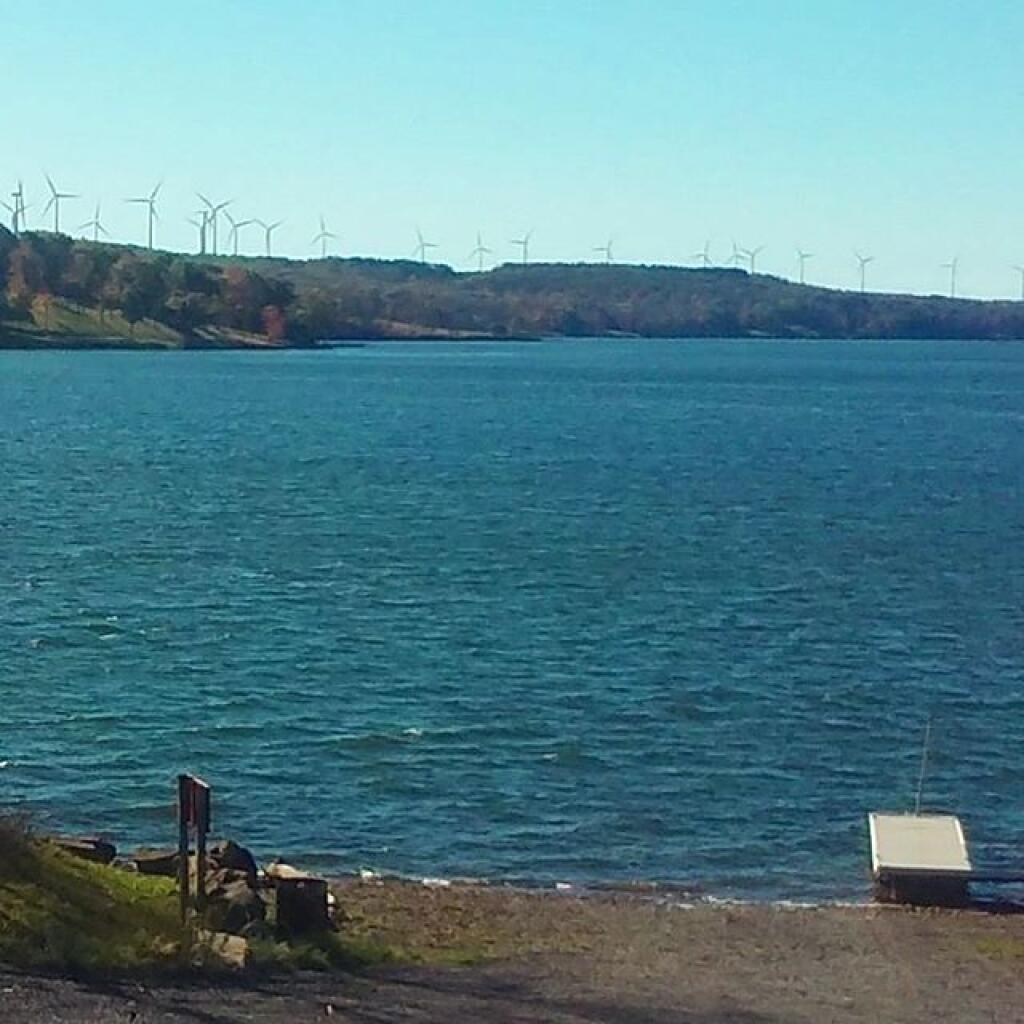
Sure there are other jobs in Appalachia, but for the most part they pay less. Most people, especially those in Appalachia know that coal jobs are disappearing 🌁due cleaner and easier to burn natural gas, greater efficiency, and more renewables. Even in deep Appalachia wind turbines dot the ridges and solar panels cling to hillsides, but nothing pays quite like coal when it comes to natural resource production – despite being an industry that is only becoming more troubled. Coal is not unlike the dairy industry in New York – dairy ain’t the best sector of agriculture in the state but it has steady milk checks year round.
Coal allows people to stay in Appalachia, at least the lucky few that can score the remaining jobs. It’s tough nasty work, an industry that every local knows is poisoning the land but is also putting dinner on the table, paying for a nice house and pickup truck, a deer rifle for hunting season and a four wheeler.🗻 Coal allows people to remain in the land they love, the blessed hills and hollows, the twisty steep roads off the mountains where people hunt and fish, at least where acid mine discharge hasn’t poisoned the steams.
Make no mistake, coal is not an easy industry to break into. Only a few percentage of people in Appalachia are lucky enough to have scored a job in the coal industry. 👷But for the lucky few, it’s a good job in a wonderful community. And that was the whole story of Embedded’s Coal Stories.
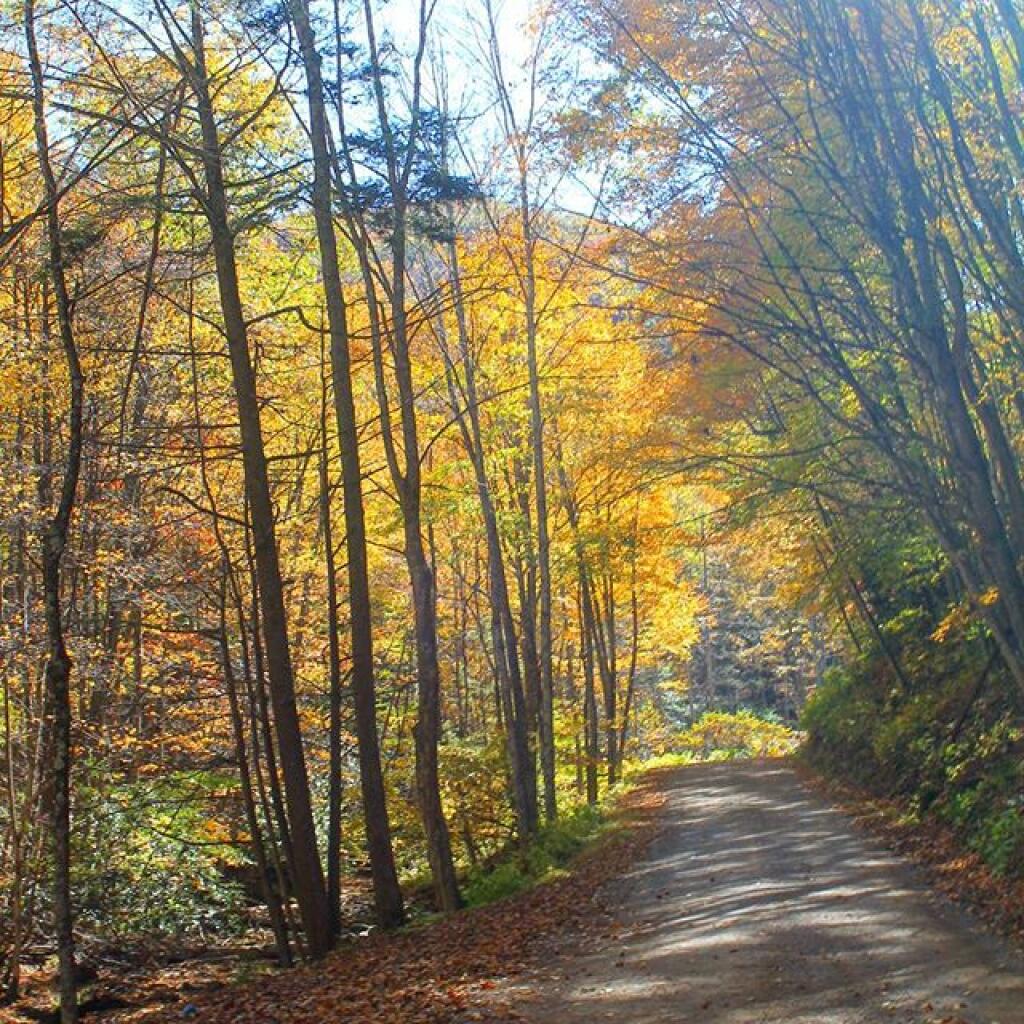
I highly recommend listening to the Embedded Coal Stories. 🎧Don’t be afraid to exit the four lane, explore the quaint villages that time and tourists has forgotten between the mountains,🏰 take many narrow and steep roads through the mountains. Speak jealously about the few people lucky enough to carve a life out of what so little remains of the hills and hollows of Appalachia.
"It is 60 years since America’s first commercial nuclear power station was opened by President Dwight D. Eisenhower at Shippingport, near Pittsburgh, Pennsylvania, on May 26, 1958. But the hopes of a nuclear future with power “too cheap to meter” are now all but over. All that is left is the trillion-dollar cleanup."
"At first glance, the power plant located just north of New York City was certainly living up to a name given the surrounding area 400 years earlier: The devil’s dance chamber, or “Danskammer” in the original Dutch."
"It was 2013, and executives from Mercuria Energy Group Ltd., a Swiss commodities house best known for its oil and products trading, were assessing whether to invest in a waterlogged mess of a power plant. Perched along the Hudson River, the 60-year-old Danskammer Generation Station took on 14 feet of water in Hurricane Sandy, and sat unheated and idle through two subsequent winters. Pipes had burst, pumps and motors failed and thousands of miles of electrical wiring were ruined."
"Yet, Mercuria saw promise. After renovations costing just $25 million, the company now has the plant operating again, putting it among a growing list of private investors trying to spin new wealth from old power plants as the economic model for big utilities cracks apart."
I don't understand why so many on the right-wing of the political spectrum are so afraid of free markets and free trade, and lower-cost electricity? Big baseload power plants are no longer economic to operate, the future is smaller, more efficient plants.
There was this idea in the 1960s and 1970s that very large centralized generating facilities were more efficient and reliable, but idea has been proven to be a fallacy in nearly every sector of life. Very large centralized facilities put all your eggs in one basket, their centralized efficiencies are cut into waste in other ways.
The future is load following mid-merit and peaking plants, not big plants that can only output a single level, day and night.