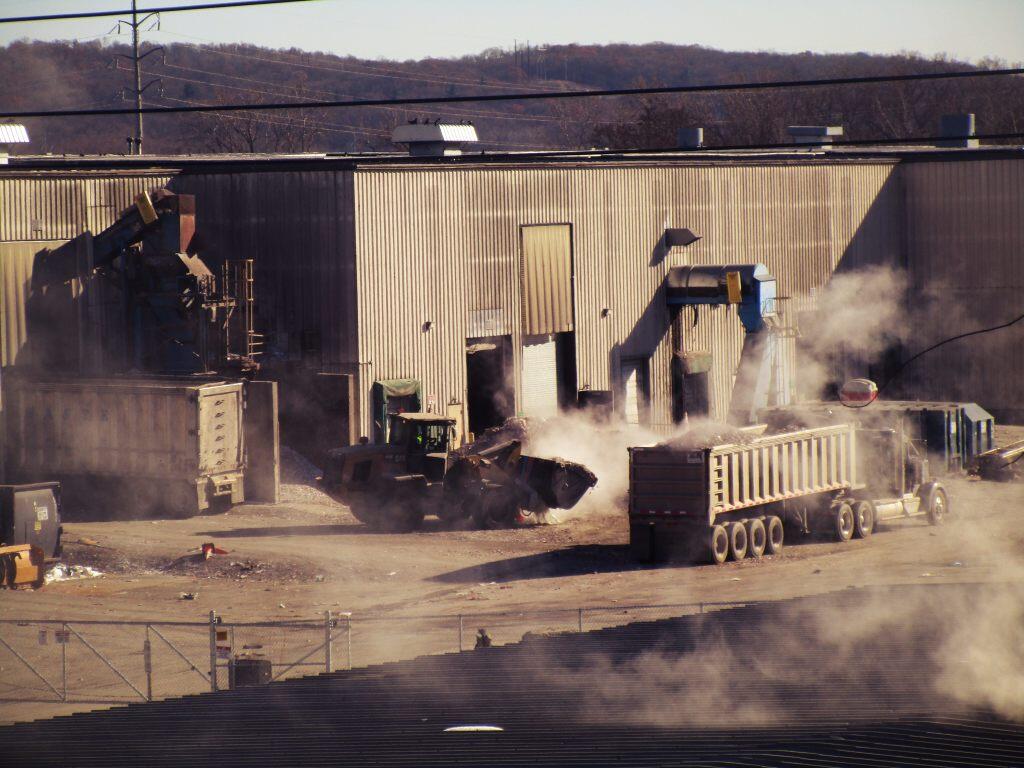
With all this talk of plastic in the news, the other day I was thinking what a large part of my trash is plastic milk bottles, as I drink around 2 gallons of milk a week, usually purchased at my local Stewart’s. They have not had a milk bottle program for a long time, instead switching to light-weight plastic milk bottles that you buy, take home, drink the milk in and throw away.
Now, I generally either recycle or burn them when camping in the woods, so none of them ever goes directly to the landfill. But I often think what a waste. Recycling is great, but usually plastic milk bottles and other HDPE products are shipped to China, and turned into some low value use like floor tiles or plastic lumber. I guess it’s better then using virgin materials for those needed purposes, but melting down all those discarded milk bottles for low value commercial products still seems a waste.
I guess I could get milk delivered in glass bottles. Meadow Brook Farms still does milk deliveries locally. That would be a more sustainable option, with less trash to dispose of. But milk in plastic from Stewart’s is more affordable, which is a big thing when you like drinking milk as much as I do. Plus, plastic milk bottles are convenient — you just throw them in the recycling trash can or I can burn them up at camp. You don’t need to return them.
But alas, I guess that is the dilemma known as modern disposable plastics. You like what comes in the package, then you throw it away. Although I do think I could put it to better use when I own my own land.
I can envision find more uses for all the milk bottles I’d otherwise be throwing away in the commercial recycling stream. HDPE is a really good plastic for molding, it can be carefully heated and remolded for various projects around the house. HDPE is a relatively non toxic plastic to burn, if the fire is hot, maybe I could use it heat water, although I wouldn’t want to do that inside where it could cause a chimney fire. Or storage of water or ice, although lately I’ve discovered plastic coffee cans are better for that purpose. Feed scoops and planters are other possible uses, although sometimes heavier plastic like what windshield washer fluid comes it would better.
I just hate seeing all those bottles in the trash and having to take them to the transfer station for recycling.
New York City's new mandatory composting law could usher in an era when organic waste collection becomes commonplace in U.S. cities, just as its bottle and can recycling program sparked a nationwide movement after it passed in 1989.
While plastics recycling is not inherently fraudulent, it does face challenges and concerns that warrant a closer examination of its complexities.
The Challenge of Infrastructure:
One of the primary challenges in plastics recycling is the availability of adequate infrastructure. Recycling programs rely on collection systems, sorting facilities, and recycling plants to process materials. In regions lacking these facilities, recycling efforts can be inefficient or even non-existent. This deficiency in infrastructure can lead to skepticism about the feasibility of recycling.
Contamination Issues:
Contamination of recyclables is another hurdle. When non-recyclable items or improperly cleaned materials end up in recycling bins, it can render the entire batch unusable. Contamination increases processing costs and diminishes the value of recycled materials, making recycling programs less economically viable.
Economic Viability:
Critics often point out that recycling certain types of plastics, especially low-value or mixed plastics, may not be economically viable. The costs of collection, sorting, cleaning, and processing can sometimes outweigh the value of the recycled materials, leading to concerns about the overall impact of recycling efforts.
The Importance of Responsible Recycling:
While there are challenges, it’s essential to emphasize that responsible recycling can still have significant benefits. Plastics recycling conserves resources, reduces the need for virgin plastic production, and contributes to waste reduction. Effective recycling programs that prioritize minimizing contamination and improving efficiency can make a meaningful environmental impact.
Reducing Plastic Consumption:
To complement recycling efforts, reducing plastic consumption remains crucial. Reducing single-use plastic items, opting for reusable alternatives, and supporting sustainable packaging practices can help decrease the overall plastic waste generated in the first place.
Plastics recycling is might not be an outright scam, but it is a multifaceted issue with challenges related to infrastructure, contamination, and economic viability. Responsible recycling practices, coupled with efforts to reduce plastic consumption, contributes to waste reduction and resource conservation. To maximize the benefits of plastics recycling, it is essential to support well-managed recycling programs and explore innovative solutions to address the challenges it faces.