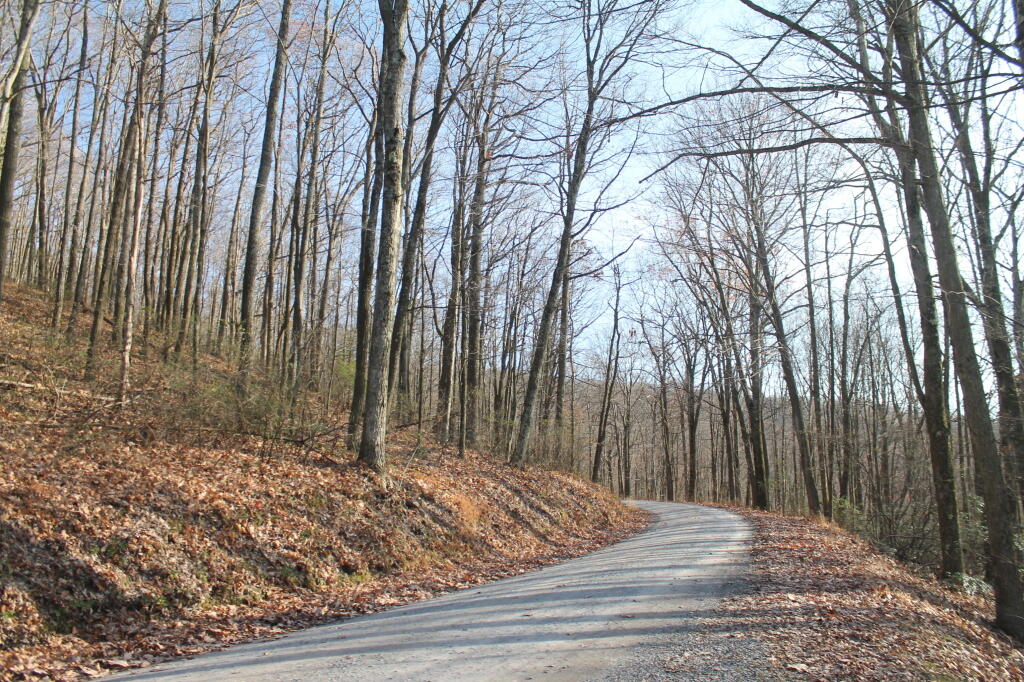
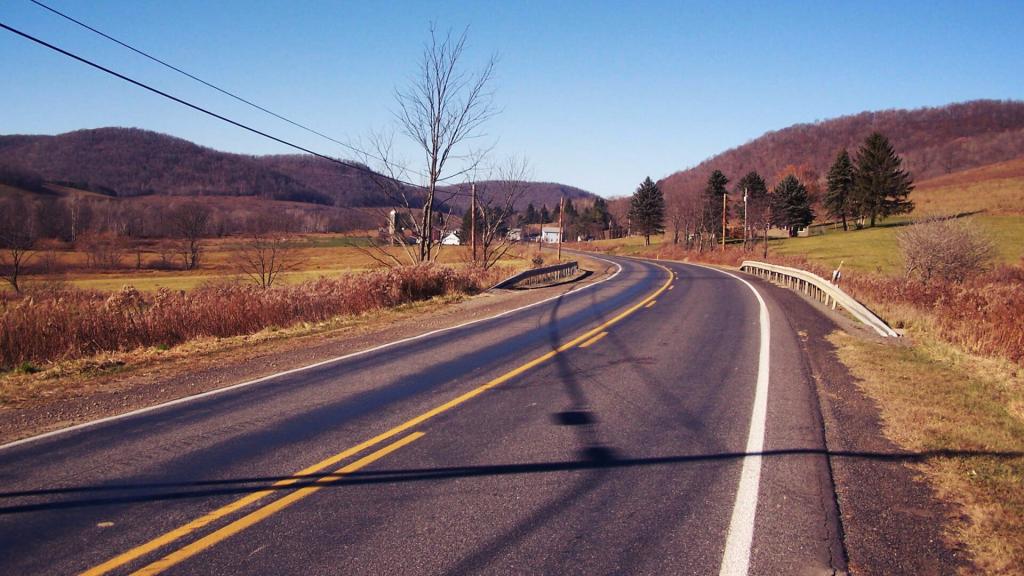
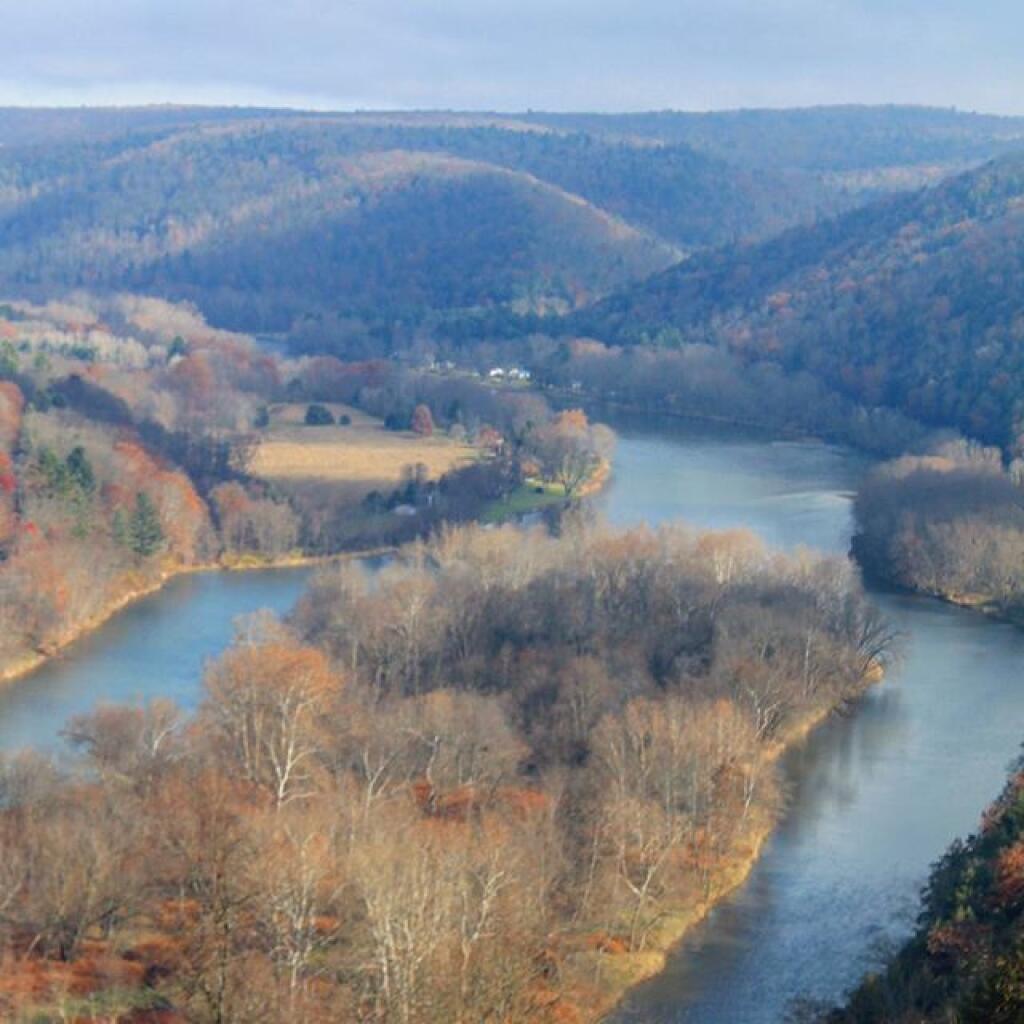
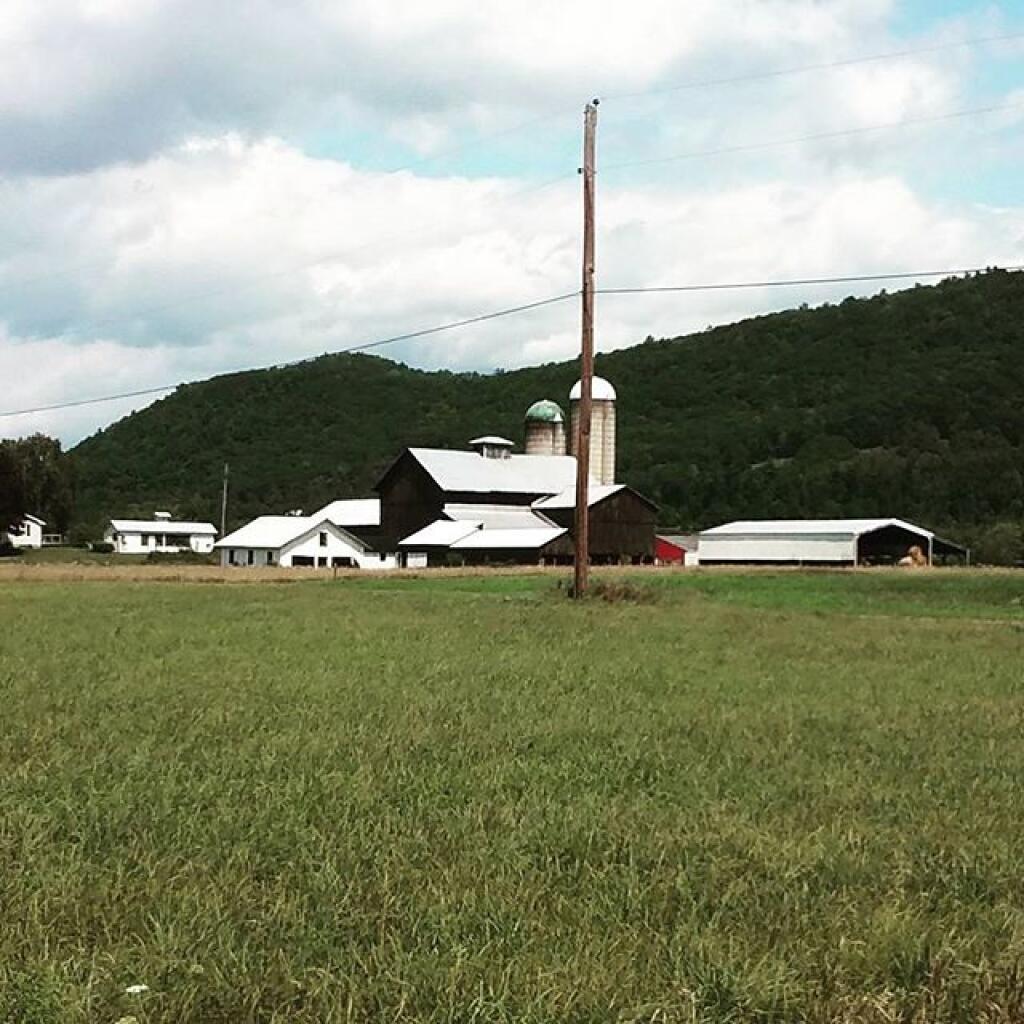
Pennsylvania, a diverse state in the northeastern United States, showcases a rich tapestry of landscapes, from the urban sprawl of Philadelphia to the scenic beauty of the Pocono Mountains and the rural charm of Amish country. This webpage zeroes in on free camping opportunities on both state and federal lands, including the renowned Allegheny National Forest. Alongside the allure of camping, Pennsylvania beckons outdoor enthusiasts with a plethora of activities. Hiking trails weave through lush woodlands, while biking routes traverse picturesque terrains. The state’s waterways offer kayaking and boating adventures, from serene lakes to rushing rivers. With its blend of natural wonders and recreational possibilities, Pennsylvania entices adventurers to explore its diverse terrain, enjoy free camping, and engage in an array of outdoor activities within its breathtaking landscapes.
The past few months I’ve been writing down my thoughts on moving to different states when I eventually are in a place to become a land owner and an off grid home. Pennsylvania is an interesting option, especially in the Pennsylvania wild region (North-Central PA) but I have to admit as much as I liked my trips down there, I also have a lot of questions about the state’s future.
I’ve always liked Pennsylvania as the rural towns have kind of a backwards charm to them. I think the state has a very strong land ethic, the state values conservation and a working landscape strongly. Pennsylvania has a very active and engaged sportsmen community, hunting, fishing and trapping are big in the state. Agriculture and forestry also is a big part of the economy and is taken seriously by state leaders.
Pennsylvania has some fantastic mountains and hills in the Pennsylvania Wild Region. There are many roads and access points to the backcountry, active sporting community supporting and advocating for the land. Land that is used has an active activist community backing it, more than just a romantic view of nature. There are great parks, places to camp, hunt, fish and trap.
It is an expensive state to live in, with high taxes but somewhat cheaper then New York. Open burning, burn barrels, and fires are generally allowed in that state, which is a big thing for me being the fire bug that I am. There are many off-grid hunting camps located near state lands, and while there are more rules and regulation for what you can and can’t not do on your own land, it’s far less restrictive then New York. Fireworks are much less restricted. Gas tax is a bit high though, which is the understatement of the decade.
The second amendment and hunting is well protected in Pennsylvania, although you do have to wonder about the future of the state. It’s a must-issue state for carry permits, there are not permits required to own ordinary handguns. Pennsylvania has the second largest rural population of any state, but it’s also has some big urban areas, with gun violence problems that could push the state to more restrictions. Some of the hunting laws are a bit restrictive though, with Sunday hunting banned, among other things.
Sounds really great. But could the state go blue in the near future? What new laws and restrictions could the activist-types push? Could there be new gun law enacted, even higher taxes, or more restrictions on open burning? What role would animals rights activists have on hobby farming and commercial agriculture alike? Pennsylvania has a great rural part of the state, but things could change in the future, with a change in the balance of power.
This book I am reading makes a good point about the Midwest – the land is cheap, people are friendly and laid back, zoning and codes regulations tend to be much less with less enforcement. Conservative cultural norms are more laid back, preferring that government stay off people’s land and out of private businesses.
Building and living in an off-grid ‘tiny’ house or cabin is much easier when you don’t have to deal with nearly as aggressive of code inspectors. Buying a handgun or other firearm for hunting and personal protection is just as easy – fill out the federal paperwork, have them do a quick background check, and pay the cashier, and walk out with your new gun. Outhouses and composting toilets are easier to get approved, if there is any review at all. As long as there isn’t a high fire risk, you’re free to burn your trash and debris, typically with no permit. Off-road shops, ATVs, snowmobiles, and alike abound, often with a good trail system to ride not too far from home. Good-sized white tails, geese, ducks for hunting and other wildlife abound in the rural landscape.
West Virginia is one of many charming states with a lot of good rural land to explore. I’ve certainly enjoyed my road trips down there, and I will probably go back there this autumn. There is are two off-grid living channel I follow on the Youtube, and it’s wild and wonderful down there.
But I’m not sure I would choose the state to live in. For one, the summers are brutally hot even in the mountains and the winters are cold and icy. The roads are often steep, twisty and narrow which makes vacation fun, but probably not so fun when they are covered with ice and snow and you have to get other places.
Centre County, Pa- Drivers on I-99 will soon see the speed limit increase over a 16-mile stretch of the highway. PennDOT plans to increase the speed limit from 55 to 65 miles per hour between the Gray's Woods exit and where the highway ends at the I-80 interchange near Bellefonte. PennDOT says the decision to increase the speed limit was supported by requested speed studies."
Probably that and the fact that drivers pretty much ignored that speed limit...
"The completion and costs changes are being attributed to PennDOT in late 2016 determining that a two-mile section of the southern section could not be built over two fly ash basins. PennDOT studied three alternatives to bypass the basins and in November 2017 recommended the route that passes east of them."
"Final design of that stretch could not begin until the Federal Highway Administration in January determined the new route did not pose a significant environmental impact. The discovery the water level in the basins was 10 feet below the surface and the wet material has the consistency of toothpaste was unexpected, because PennDOT had been told the water should have drained out of the basins, which were closed in 1988 and the late 1990s. The fly ash was pumped in the form of slurry from the former PPL coal-fired generating plant in Shamokin Dam."