
Mountain Laurel is thick here

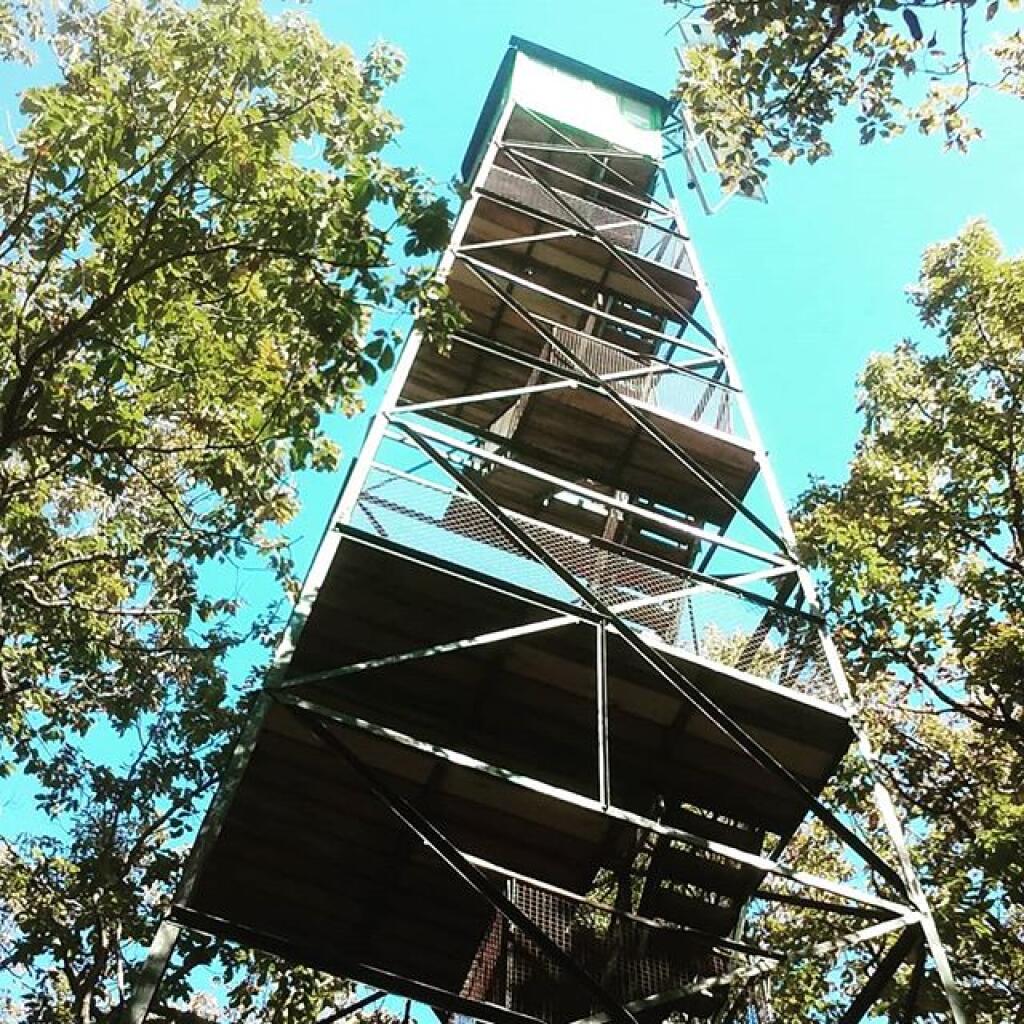

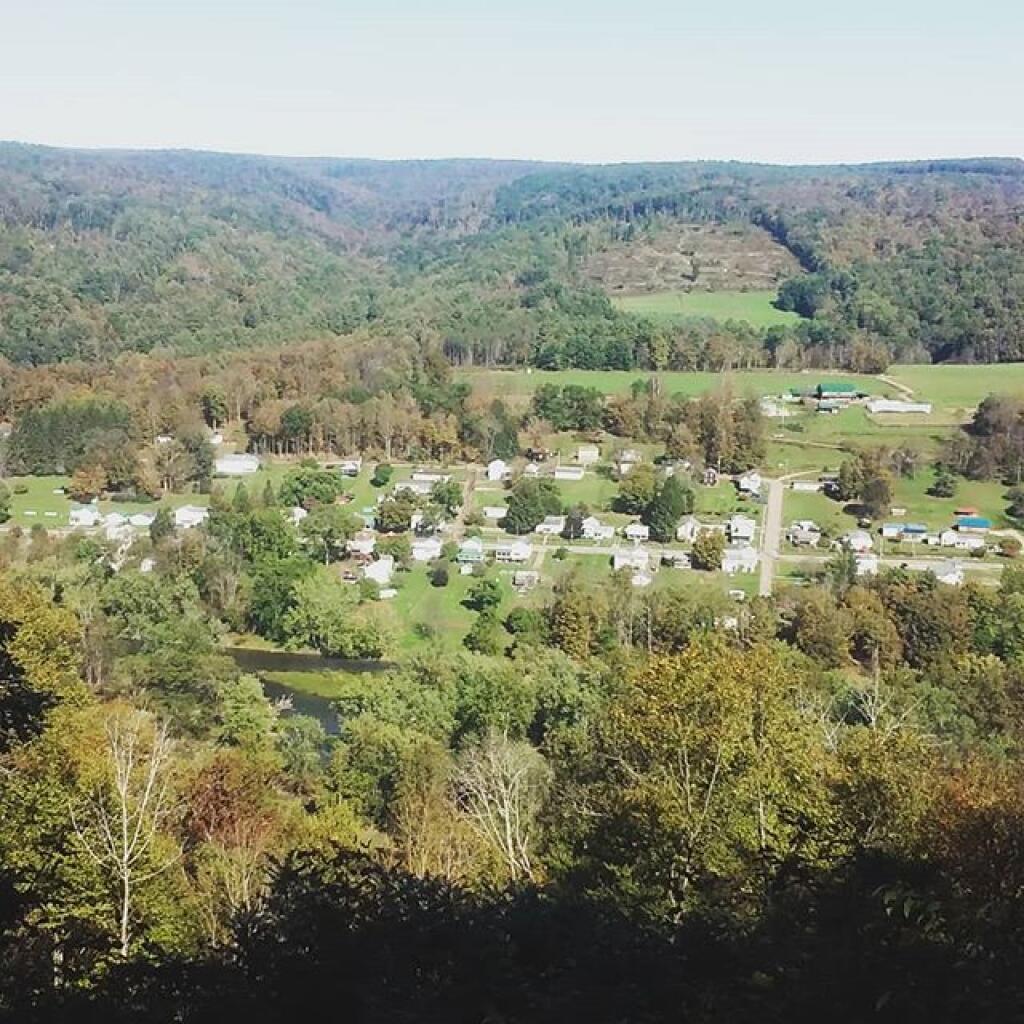

Good evening! Clear and 48 degrees at the Allegheny National Forest. There is a east breeze at 7 mph. 🍃.
Today was a nice quiet day. 🚶 I did a nice hike from Kinzua Beach to Rimrock and walked on the Cornplanter Bridge. 🌉 After the hike I sat down by the reservoir for a while with the third book of vacation, this one on the National Security State. I got back to camp, cooked dinner and built a big fire 🔥 before laying back in the hammock. The ample sun today meant the solar panel put out 192 watt hours while I was parked down there – not bad figuring its a 100 watt panel and its the October sun. 🔋 That extra battery helps a lot at camp.
Tonight will be mostly clear 🌃, with a low of 41 degrees at 4am. One degrees below normal, which is similar to a typical night around October 10th. East wind 5 to 7 mph. In 2018, we had cloudy skies in the evening, which became mostly clear by the early hours of the morning. It became humid as the night progressed. It got down to 62 degrees. The record low of 27 occurred back in 2001.
Tonight will have a Waxing Gibbous Moon 🌔 with 87% illuminated. The moon will set at 2:37 am. The 🌕 is on Saturday night with mostly clear skies. The sun will rise at 7:19 am with the first light at 6:51 am, which is one minute and 6 seconds later than yesterday. 🌄 Tonight will have 12 hours and 34 minutes of darkness, an increase of 2 minutes and 46 seconds over last night.
Tomorrow will be sunny 🌞, with a high of 65 degrees at 4pm. Two degrees above normal, which is similar to a typical day around October 4th. East wind 5 to 7 mph. A year ago, we had light drizzle in the morning, remaining cloudy in the afternoon. The high last year was 81 degrees. The record high of 83 was set in 1949. There was a dusting of snow in 2000.❄
Whats the next step I ask myself? I was thinking I really do crave the scenic beauty of West Virginia and I don’t need to have a fire down there. I have the heater and electric lights which are working well. 🗻 Tomorrow I morning I could break camp early, take US 219 to Thomas WV and camp there through Sunday. I would stop at Mount Davis tomorrow and then hike Hoyes Crest on Thursday or Friday and the opposite day do a day trip and hike at Dolly Sods and maybe Cannan Valley Refuge. Come back on Sunday, overnight at County Bridge Campground outside of Troy Penna.
The alternative which is probably more sensible is to tomorrow drive down to the Southern portion of the Allegheny National Forest. ⛺ There is this big open campsite outside of Marietta on Loleta Grade that is remote yet has an open canopy for solar and looking at the stars ✨. Good wood supply and I could drive over to the Buzzard Swamp one day. I’d have to get ice and more milk and cheese tomorrow in Warren then maybe take US 62 south. Maybe visit the Tionesta Vista and Nebraska Bridge which is probably not underwater right now. Sunday visit the Elk Center in Benzette and drive the Elk Route along the very scenic West Branch of the Susquehanna River and drive up to Hyner View. Overnight at County Bridge, get home on Columbus Day. That would be a lot less miles and much quieter option but it means no West Virginia until November 2020 or later.
I think I’ll choose the later but I’ll sure be disappointed 😥 about not making it to West Virginia. But the leaves by Sunday might be much better in Elk County and they’re really cool 😎 to watch graze. I ‘ll see come the morning. The Elk Drive is a lot of fun and maybe quite beautiful but the rest of the week is kind of bland compared to the alternative.
In four weeks on November 5 the sun will be setting at 5:05 pm (Standard Time),🌄 which is one hour, 40 minutes and 42 seconds earlier then tonight. In 2018 on that day, we had rain showers, partly sunny and temperatures between 48 and 31 degrees. Typically, you have temperatures between 52 and 34 degrees. The record high of 75 degrees was set back in 1994.
Looking ahead, Election Day 2019 🗳️ is in 4 weeks, 7:15 AM Sunrise ⌛️ is in 9 weeks, Christmas Eve 🎅 is in 11 weeks, New Years Eve 🎆 is in 12 weeks, Coldest Week of the Year 🌬 is in 14 weeks and Martin Luther King Day 🖤 is in 15 weeks.
I set my alarm for 6:30 am well before dawn here so I can take down camp and move onto whatever the next step is. ⏰
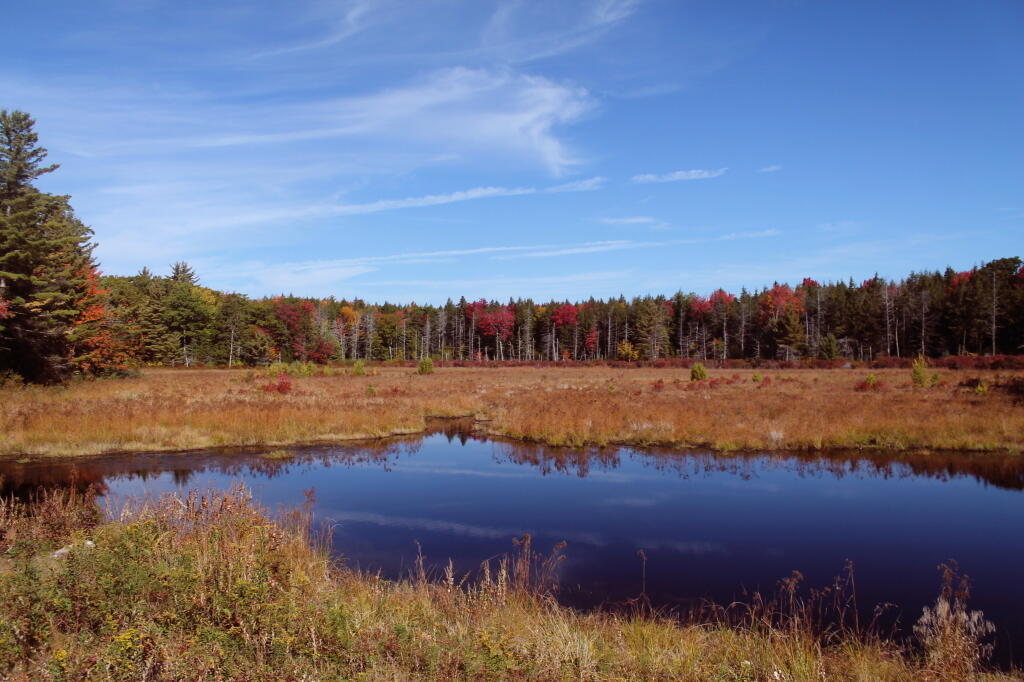



I am a believer in conservation. I like land that is essentially in its wild state, that can be habitat for a wide variety of species while also supporting human needs to of food, fiber and fuel.
Well managed forest land and farm land can provide habitat for a wide variety of species. It can also provide for human needs and recreation without being overly developed.
I’ve been doing some reading up on the claims that acid rain is getting worse in the Adirondacks thanks to policies put forward by the Trump Administration. There is a lot of truth to that although it’s complicated.
Natural gas prices have increased – This has made coal more cost effective to operate and grid operators in some parts of the country are buying more electricity from coal plants so the plants are running more hours a year. More hours a year operating means more sulfur dioxide emissions and more acid rain.
Additionally, because the acid rain sulfur dioxide cap in Cap and Trade hasn’t been tightened in over a decade, and a lot of large sulfur dioxide emitters have been retired or added scrubbers, the price of sulfur dioxide credits has dropped dramatically in recent years, making it cheaper to run coal plants.
A handful of coal plants in the Midwest have been run with their stacks bypassing the broken scrubbers – Coal power plants permitted after 1977 must have flue gas scrubbers that spray limestone to remove sulfur dioxide from their stacks. The thing is that most existing coal plants were built or permitted before 1977, the average opening of a coal fired power plant in America is 1973. A lot of big coal plants went online in late 1960s through the early 1970s as electrical energy demand peaked during those years across the country. Plants that have been upgraded for more output or substantially overhauled must also install scrubbers. But still only about 40% of coal power plants to this day have scrubbers.
Why? Flue gas scrubbing is good for reducing sulfur dioxide and acid rain emissions but it’s a problematic technology to implement. The scrubbers use 10% to 20% of a power plants electrical output – enough energy in many cases to power a midsized city. They also produce enormous amounts of solid waste – gypsum is contaminated with heavy metals. A coal fired plant with a scrubber requires 2/3rd ton of landfill space for every one ton of coal burned. The scrubbers themselves are expensive to build – in many cases the scrubbers are more expensive to build today than the original plants without scrubbers cost to build originally.
Scrubbers can be unreliable too. Sulfur dioxide is an acid, ala acid rain. The scrubbers are made of stainless steel but the steel is attacked by the acid. They can and do break down. And sometimes the equipment is taken offline for repairs while the old stacks without scrubbers are used. That’s happened recently.
All medium and large emitters of sulfur dioxide have to comply with the Cap and Trade that was part of the Clean Air Act Admendments of 1990 that stepped down national limits for sulfur emissions during the 1990s through the 2000s until the lowest cap was reached around 2006. Now that cap hasn’t decreased since then – its been proposed to lower the sulfur dioxide cap but congress hasn’t acted on that.
Cap and trade worked well – forcing the biggest sulfur dioxide emitters to burn less sulfuric coal from the western states, install scrubbers, permanently shut down, or pay heavily for sulfur dioxide credits. Cap and trade finally got some of the oldest, dirtiest plants offline. It particularly hit small, rural coal plants built 1940s and 1950s hard that relied on a eastern coal – they were too small to be worthwhile to install flue gas desulfurization on and usually lacked the necessary landfill space on site.
Cap and trade – along with cheap natural gas has been so successful at removing the biggest emitters offline or installing scrubbers that the price of sulfur dioxide credits is relatively low now as total emissions are actually below the national cap. So even with broken scrubbers it can be economical to buy the extra sulfur credit.
Clean Power Plan Not Enacted – Proposed by Obama but never implemented due to a court injunction. It would set carbon intensity limits on a state’s entire electrical grid. Opposed by red states with lots of coal power, it would have a much greater impact on them then blue states which often have much more natural gas, nuclear and hydroelectric and can more easily comply. Running coal plants fewer hours of the year means less sulfur dioxide and acid rain.
The standards were enacted on cost benefit analysis not of the carbon reduction, which is expected to be modest but the reduced healthcare costs and deaths by the switching to less carbon intensive sources that happen to also release less air and water toxins like mercury, toluene and formaldehyde. Additionally, moving away from coal means less sulfur dioxide and nitrous oxides with meaning fewer health impacts. This has been a bone of contention with opponents.
The other issue raised by opponents of the Clean Power Plan is that the Clean Air Act only regulates individual emission sources and not the entire electrical grid. The Clean Power Plan contends the grid as a whole is an emissions source not the individual plants. This is a bit of a stretch of the law but then again the Clean Air Act was written to consider regional impacts.
The Trump Administration can’t refuse to regulate greenhouse gases because of EPA’s endangerment finding and the Supreme Court decision that carbon and greenhouse gases are a pollutant subject to regulation. Instead, they have proposed to regulate the carbon intensity of new power plants and those old plants upgraded with substantial increases in emissions under the New Source Review. The problem with this is it does nothing to clean up old plants and when you make existing plants more energy efficient and less carbon intensive under New Source Review you tend to also make them cheaper to run which means more emissions.
I hope this summary of what’s going on with coal and acid rain today is helpful. Researching this has helped answer a lot of questions I’ve had and got me thinking for sure.

