The Rattlesnake Hill Wildlife Management Area is a 5,100 acre upland tract, situated approximately eight miles west of Dansville, New York. Roughly two-thirds of the area lies in southern Livingston County, while the remaining third lies in northern Allegany County. The tract was purchased in the 1930’s under the Federal Resettlement Administration and is one of several such areas turned over to DEC for development as a wildlife management area.
The area is appropriately named after the Timber Rattlesnake, which may be occasionally found in the more remote sections of the “Hill”.
The area offers an interesting blend of upland habitats such as mature woodland, overgrown fields, conifer plantations, old growth apple orchards and open meadows.
The area is inhabited by a variety of game species and is open to public hunting. The white-tailed deer, wild turkey, ruffed grouse, grey squirrel, cottontail rabbit and woodcock are found on the area. An occasional snowshoe hare may be observed adjacent to thick creek bottom brush or conifer plantation habitats.
A number of small marsh units have been developed and provide limited hunting for waterfowl. Some of the area’s furbearing species such as mink, beaver and raccoon may be occasionally viewed at these marsh units.
Being a professional is about more than just having a job or a title; it’s about embodying a set of values and behaviors that reflect a commitment to excellence, ethics, and responsibility in one’s chosen field. Professionals strive to make a positive impact, both in their work and in their interactions with others.
Expertise and Competence: Professionals have a deep understanding of their field and possess the necessary knowledge, skills, and qualifications to perform their job effectively. They continuously seek opportunities for learning and improvement to stay up-to-date in their field.
Ethical Behavior: Professionals adhere to a strict code of ethics or a set of professional standards that govern their behavior. This includes honesty, integrity, and a commitment to doing what is right even when faced with difficult decisions.
Responsibility and Accountability: Professionals take responsibility for their actions and decisions. They understand the consequences of their work and are willing to be held accountable for their performance.
Reliability: Being reliable is a crucial aspect of professionalism. Professionals meet deadlines, fulfill commitments, and can be counted on to deliver high-quality work consistently.
Respect and Courtesy: Professionals treat others with respect and courtesy, regardless of their position or status. They maintain positive and productive relationships with colleagues, clients, and stakeholders.
Effective Communication: Professionals are skilled communicators. They can convey their ideas clearly and effectively, both in writing and verbally. They listen actively and respond thoughtfully to the concerns and needs of others.
Adaptability: Professionals are open to change and are willing to adapt to new circumstances and challenges. They embrace innovation and seek opportunities for growth and development.
Dress and Appearance: Depending on the field, professionals often dress in a manner that is appropriate for their workplace and reflects a certain level of professionalism. This may involve adhering to a dress code or wearing attire that conveys competence and respect.
Continuous Improvement: Professionals are committed to lifelong learning and self-improvement. They actively seek out opportunities to enhance their skills and knowledge, whether through formal education, training, or self-study.
Dedication and Work Ethic: Being a professional often involves a strong work ethic and a dedication to one’s job or career. Professionals are willing to put in the effort required to achieve their goals and excel in their chosen field.
Teamwork and Collaboration: Many professionals work in teams or collaborate with others to achieve common goals. Being a team player and effectively collaborating with colleagues is an important aspect of professionalism.
Leadership: In some cases, professionals may be in leadership positions. Effective leadership involves inspiring and guiding others, setting a positive example, and making decisions that benefit the organization and its stakeholders.
Automobiles are going electric. Not just because of climate change concerns, but because the technology has slowly but surely matured, and gasoline motors are reaching their limits as tailpipe emission standards become tougher as the human health concerns grow over what was once seen as acceptable levels of nitrous oxides, carbon monoxide and other hydrocarbons in urban air basins.
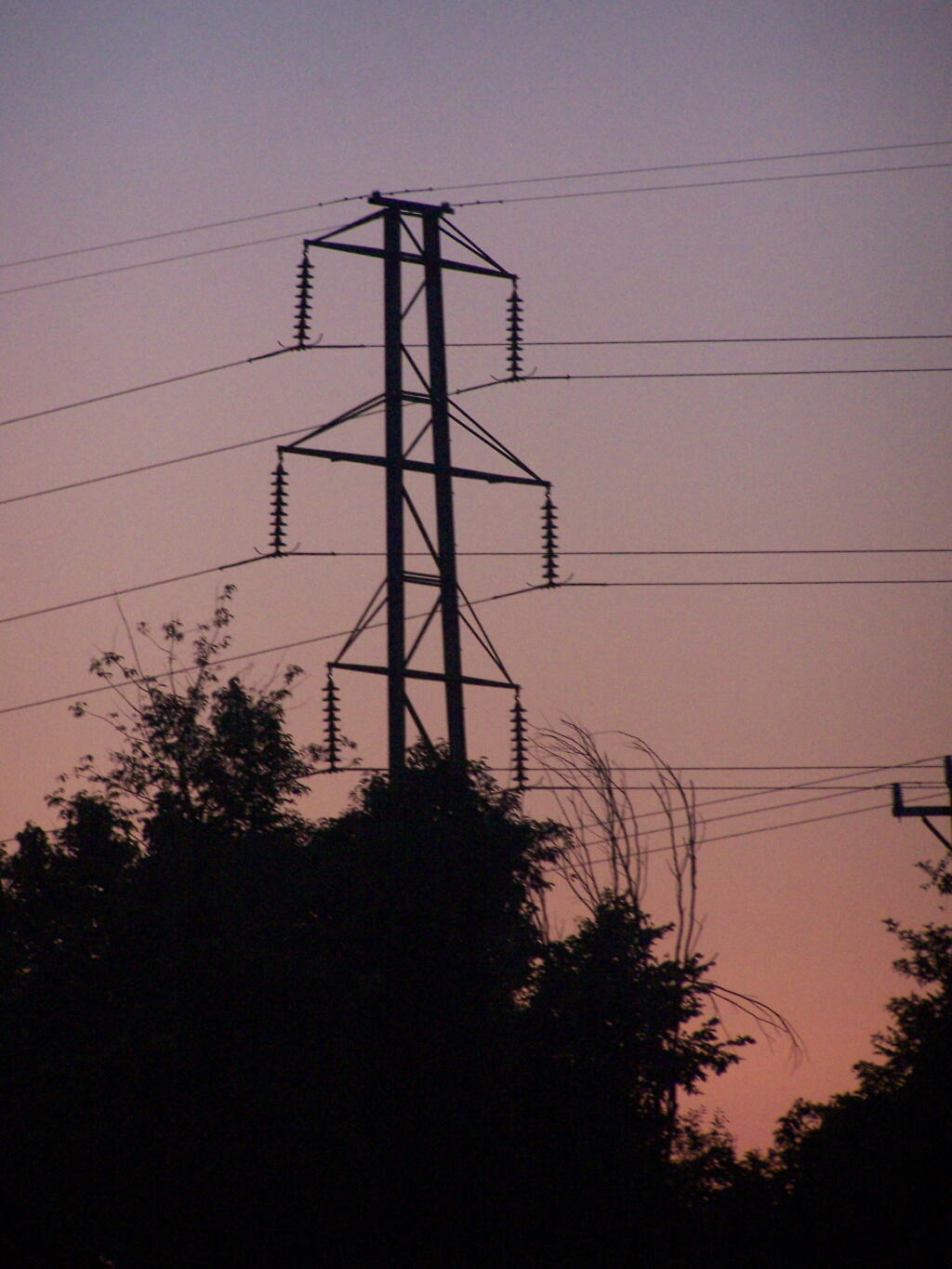
Electricity is a much more flexible of a fuel. A highly-refined form of energy, much more of it is turned into useful work then gasoline in an internal combustion engine. When you “burn” electricity, it can come from coal, natural gas, nuclear power, hydro-electric, solar, wind among other sources. You can turn what makes sense locally into electricity. With modern inverter-drives, high-voltage three-phase inductive motors you have very good control over wheel torque, horsepower and speed. No complicated transmissions or gear boxes to control wheels. Just computer code telling the inverter to create the desired sine-wave to get the desired output on the wheels.
It’s the future. It will be a really good future for gas stations. While most people will fill their electric cars up at home to maximize their savings by using home-purchased electric power, when out on extended road trips or travel, people will need to recharge their batteries. And that’s where fast-charging at gas stations comes about. Travelers will need a place to stop and recharge their batteries — and not just their cars’ batteries but themselves.
The gas station of the future will look a lot like the modern gas station and convenience mart of today — only bigger with more full-service facilities. A typical fast charging takes around 20 minutes, which will mean time for the traveler to get out of their car, run to the bathroom, and get lunch or dinner. Many stations may be full service – you pull up, the clerk comes out, plugs your car in, and asks if you would like a bite to eat or some coffee. They will have free Wi-Fi and comfortable seating inside to drink your coffee.
Gas stations might not just be the traditional single-purpose gas station. There is no reason why McDonalds and all the fat-frier shops wouldn’t install electric charging stations, so people spend more time lingering and buying food. Gas stations, typically a dirty smelly, greasy business that lately has been trying to lure customers in, aren’t nearly as dirty or smelly if they aren’t vending volatile gasoline. Dinners would also add chargers, to get people to come and eat while they top-off their cars. Shopping mauls and other retailers may get into the business too — electricity is relatively cheap bought in bulk, and it’s an added revenue source if you install chargers in your lot.
Ultimately, many businesses may choose to add electric chargers, as most have access to 480 volt or high-voltage three-phase electricity. 240-volt Level 2 chargers are very basic, and inexpensive to install, and fast chargers aren’t that expensive to install if there is a sufficient 3-phase feed into existing businesses. And they will only get cheaper as time goes on and they are mass-produced and manufacturers find ways to further costs.
That God damn flipped statement in nearly every environmental impact statement. While a true statement, it always annoys me how flipped the language comes across when they use it. Environmental analysts might just be covering their asses but it’s an obnoxious statement on its face, especially if the document doesn’t propose any mitigation towards stopping to push our planet off the cliff, expanding more of our lands into dumping grounds, fouling the air and paving over our farms and forests.
Amidst the Catskill’s tranquil grace I stand,
Where emerald peaks in rugged beauty rise,
Their ancient whispers echo through the land,
Beneath the vast and cerulean skies.
With every step, the world below recedes,
As nature’s grandeur takes its rightful place,
A tapestry of green, where life succeeds,
In this secluded, untouched, sacred space.
The mountains stretch like giants to the clouds,
Their forested robes a haven for the wild,
Where streams cascade in laughter, unbound,
And serenity enfolds both man and child.
With reverence, I gaze upon this view,
A testament to nature’s wondrous art,
In the Catskill Mountains, where dreams come true,
And peace resides within each beating heart.
Samuel Insull brought the world Commonwealth Edison of the greater Chicago area and the concept that monopolies were acceptable as long as they were regulated for the public good.
Commonwealth Edison made its profits two ways – by constant growth and by expanding the size of the generating plants so they could produce more electricity at a lower price per unit. After all, many of the costs of a generating plant are fixed – a larger facility can often put out more energy more efficiently.
With Commonwealth Edison and most large utility monopolies, prices are regulated by the government regulating agency on a cost plus basis. Capital projects like new generating facilities or additional lines are approved by the government, with the costs of construction directly paid by rate payers. Insull embraced this as it guaranteed his business would be profitable with little risk to himself.
The problem with this model is it shuns market forces to keep efficiency up and prices down. Regulators work to protect consumers but there is little incentive to economize or innovative in the grid. Why should a power company take a risk when they know they will get paid building the preferred government technology of choice?
I believe competitive markets are always a better idea than government monopolies. While everybody agrees that there has to be one owner of the physical wires that deliver power, there can be multiple companies that sell power and multiple companies that sell services to consumers. Competition can help hold prices down and give consumers the option to switch providers that meet their needs.
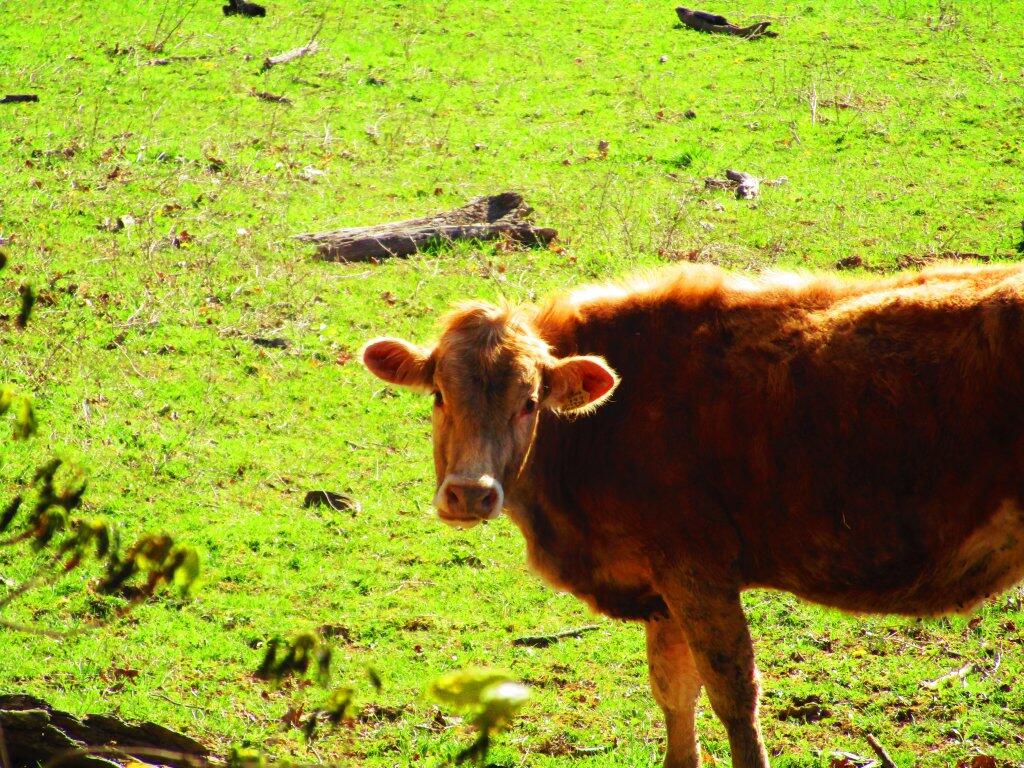
🐮 👣The other night I heard the tired old claim that beef is really bad for the environment as it has a high carbon footprint. How can that be? Cows don’t consume oil to stay alive although diesel is used in cattle trailers, tractors hauling feed, bailing hay and spreading manure.
But what the activist types are really saying is cows digest grass and dried grass in the form of hay and as part of the conversion of grass to energy they chew their cud and in part loose some of the material that escapes their mouths as methane. Some manure also breaks down as methane when in an oxygen deprived environment like a slurry tank.
Methane is a moderately powerful green house gas. It’s 28 times more potent than carbon dioxide although it lasts only about a decade in the atmosphere before hydroxyl radicals break it down into carbon dioxide. Far lower of an impact then much more powerful warming gases like common refrigerants such as the CFCs and their HFC replacements. At the same time new grass is being grown to feed cows, so they are absorbing the carbon dioxide at the same rate it’s being broke down by the methane. Ultimately, farming is a carbon neutral activity, bar fuel used in tractors or trucks.
The carbon footprint of beef and cattle more generally is grossly over estimated, because while methane is a much more powerful greenhouse gas then carbon dioxide, ultimately most farming activity is carbon neutral, as crops absorb in the carbon that livestock exhale and methane they burp up. Moreover, many cattle get a significant portion of their feed from grazing pastures that requires minimal diesel-fired equipment work to maintain. Grazing might have an initially higher greenhouse output, as grass produces more methane when burped up compared to other feeds, but because grass is absorbing carbon constantly, it’s ultimately carbon neutral.
Beef and dairy might be more of a climate concern where new land is being developed, forests converted into crop land. But with the increasing efficiency of crop and livestock production, it’s rare that forests are being converted to farm or grazing land at least in the first world. But in contrast, farms are being replaced with housing and commercial use, that bring in more vehicles, more buildings to heat, and more wildlife habitat forever displaced. Burped methane from grass isn’t warming the planet, burning fossil fuels like oil, natural gas and coal is.