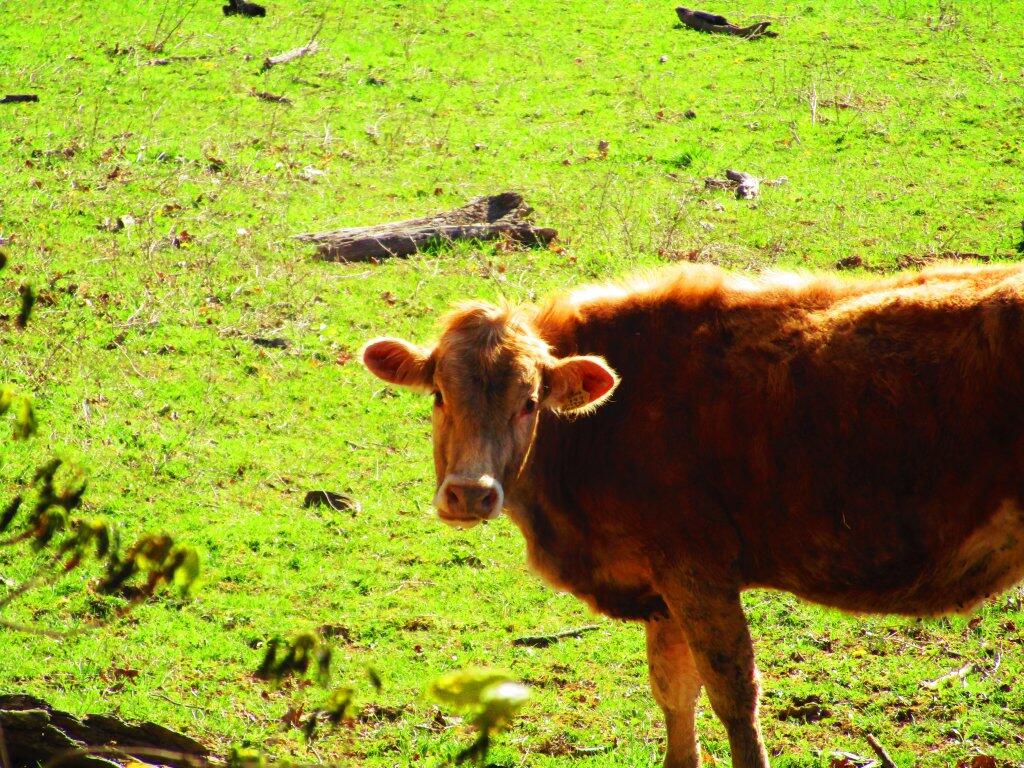
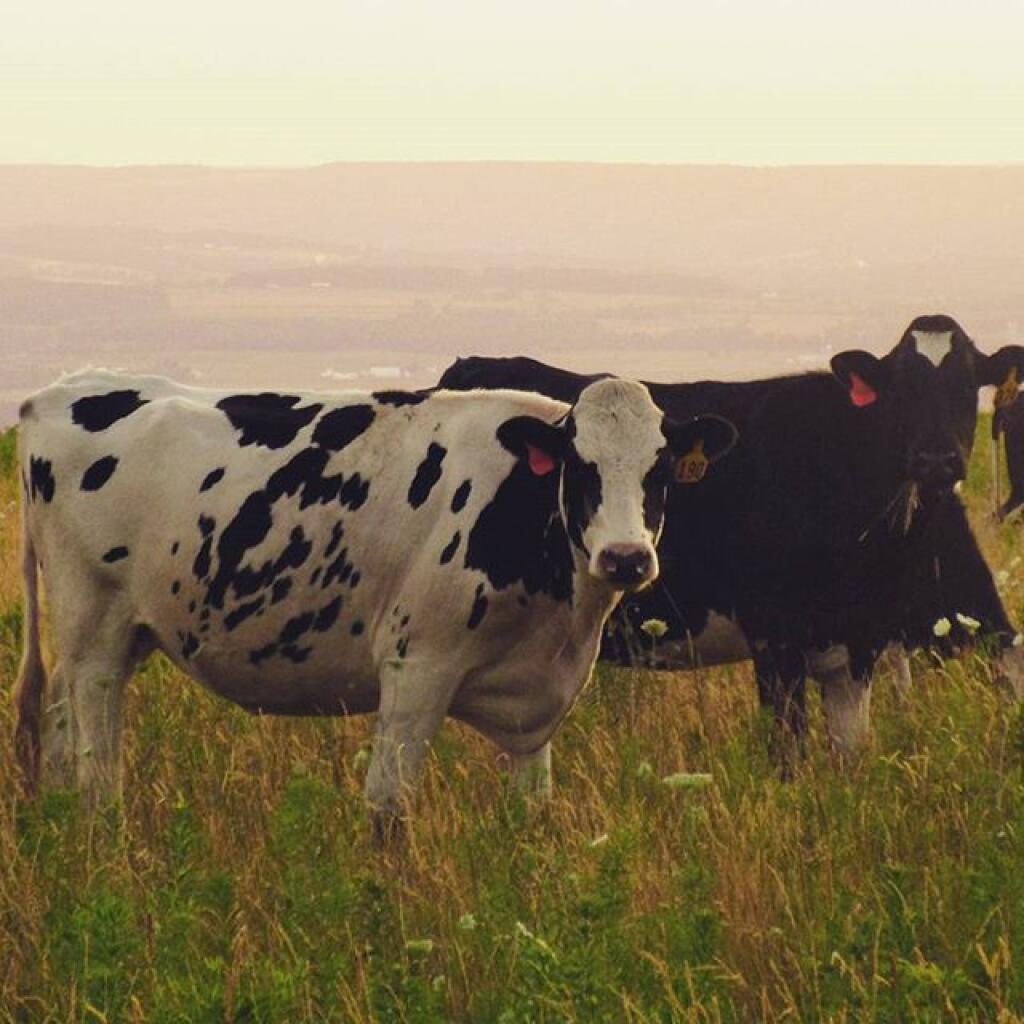
🐮 👣The other night I heard the tired old claim that beef is really bad for the environment as it has a high carbon footprint. How can that be? Cows don’t consume oil to stay alive although diesel is used in cattle trailers, tractors hauling feed, bailing hay and spreading manure.
But what the activist types are really saying is cows digest grass and dried grass in the form of hay and as part of the conversion of grass to energy they chew their cud and in part loose some of the material that escapes their mouths as methane. Some manure also breaks down as methane when in an oxygen deprived environment like a slurry tank.
Methane is a moderately powerful green house gas. It’s 28 times more potent than carbon dioxide although it lasts only about a decade in the atmosphere before hydroxyl radicals break it down into carbon dioxide. Far lower of an impact then much more powerful warming gases like common refrigerants such as the CFCs and their HFC replacements. At the same time new grass is being grown to feed cows, so they are absorbing the carbon dioxide at the same rate it’s being broke down by the methane. Ultimately, farming is a carbon neutral activity, bar fuel used in tractors or trucks.
The carbon footprint of beef and cattle more generally is grossly over estimated, because while methane is a much more powerful greenhouse gas then carbon dioxide, ultimately most farming activity is carbon neutral, as crops absorb in the carbon that livestock exhale and methane they burp up. Moreover, many cattle get a significant portion of their feed from grazing pastures that requires minimal diesel-fired equipment work to maintain. Grazing might have an initially higher greenhouse output, as grass produces more methane when burped up compared to other feeds, but because grass is absorbing carbon constantly, it’s ultimately carbon neutral.
Beef and dairy might be more of a climate concern where new land is being developed, forests converted into crop land. But with the increasing efficiency of crop and livestock production, it’s rare that forests are being converted to farm or grazing land at least in the first world. But in contrast, farms are being replaced with housing and commercial use, that bring in more vehicles, more buildings to heat, and more wildlife habitat forever displaced. Burped methane from grass isn’t warming the planet, burning fossil fuels like oil, natural gas and coal is.



![Untitled [Expires September 16 2024]](https://andyarthur.org//data/photo_017005_large.jpg)