Night before dawn is 6 hours and 8 minutes, Dawn starts at 6:08 am and runs for 28 minutes, Sunrise is at 6:37 am which is 5 hours and 22 minutes before noon, High noon, the transit of the sun, is at 12:50 pm, From twelve noon to the sunset at 7:02 pm is 7 hours and 2 minutes, Dusk lasts for 31 minutes concluding at 7:31 pm, Leaving 4 hours and 28 minutes until midnight.
Monarch population numbers have fallen by 90�percent�in less than 20 years. This year’s population was the second lowest since careful surveys began two decades ago. The critical driver of monarch decline is the loss of larval host plants in their main breeding habitat, the Midwestern Corn Belt. Monarchs lay eggs exclusively on plants in the milkweed family, the only food their larvae will eat.
Monarch butterflies have long coexisted with agriculture, but the proliferation of herbicide-resistant GE crops is threatening that balance. Monsanto’s glyphosate-resistant Roundup Ready corn and soybeans have radically altered farming practices, sharply increasing the extent, frequency and intensity of glyphosate use on farm land. Glyphosate—one of the very few herbicides that kills common milkweed—was little used two decades ago, but has become by far the most heavily used herbicide in America thanks to GE Roundup Ready crops. As a result, corn and soybean fields in the Corn Belt have lost 99�percent�of their milkweed since just 1999.
Good morning! What day is it? Hump Day, of course. Six weeks to Average High is 55 🍂. Partly sunny, hazy from the wildfires 🔥 and 45 degrees in Delmar, NY. 🌅 There is a south breeze at 7 mph. 🍃
This morning I was running low on milk 🥛 but I made due with what I had with some cold coffee ☕ from yesterday. I like cold coffee, it’s nice and strong 💪🏻. Morning ain’t morning without milk. 🐮
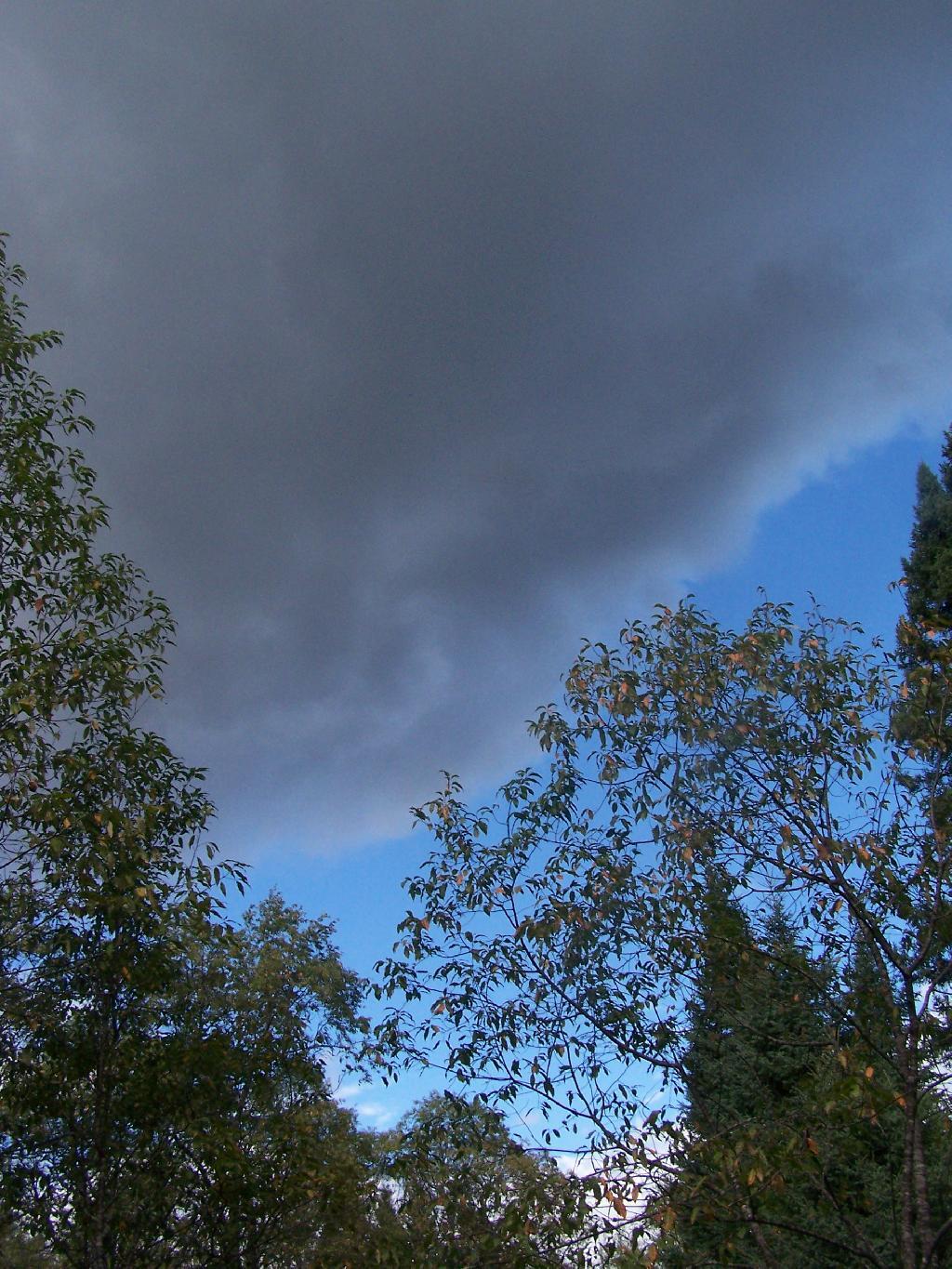
Out for my morning walk 🚶🏻and it’s kind of odd with the haze with the haze from the wildfires out west. 🔥 It’s sunny but the skies are quite gray. Not the deep blue you would think of during late September on a low humidity day. Smell some wood smoke but I think it’s just from someone with a wood stove.
For some reason one of these my eyes 👀 was irritated and I lost one of my contacts out walking but I’ll put in a fresh one when I get home 🏡. Not a big deal but it limits my vision while walking.
Today will be sunny 🌞 with haze 🌫️, with a high of 73 degrees at 3pm. One degree above normal, which is similar to a typical day around September 15th. Maximum dew point of 49 at 5pm. South wind 7 to 16 mph.🌬️ A year ago, we had mostly sunny skies. The high last year was 73 degrees. The record high of 92 was set in 1939.
Solar noon 🌞 is at 12:51 pm with sun having an altitude of 49.8° from the due south horizon (-21° vs. 6/21). A six foot person will cast a 5.1 foot shadow today compared to 2.2 feet on the first day of summer. The golden hour 🏅 starts at 6:27 pm with the sun in the west (268°). 📸 The sunset is in the west (274°) with the sun dropping below the horizon at 7:04 pm after setting for 2 minutes and 54 seconds with dusk around 7:31 pm, which is one minute and 48 seconds earlier than yesterday. 🌇 The best time to look at the stars is after 8:06 pm. At sunset, look for mostly clear skies 🌄 and temperatures around 67 degrees. The dew point will be 50 degrees. There will be a south breeze at 14 mph. Today will have 12 hours and 25 minutes of daytime, a decrease of 2 minutes and 52 seconds over yesterday.
I was looking at that picture 🖼 I posted of Dick Patrick from 1975, and I am thinking the long side burns need to return 💈 now that autumn is returning. So I’m to grow them back but maybe not as wild as Mr. Patrick. When I had sideburns in the spring, it was a lot less shaving.
Tonight will be mostly clear 🌃, with a low of 54 degrees at 4am. Three degrees above normal, which is similar to a typical night around September 11th. Maximum dew point of 53 at 2am. South wind 8 to 13 mph. In 2019, we had mostly clear skies in the evening, which became clear by the early hours of the morning. It got down to 47 degrees. The record low of 32 occurred back in 1959.
Cool this weekend with temperatures running 10 degrees below normal but otherwise sunny. 😃 Saturday, sunny, with a high near 60. Sunday, sunny, with a high near 62. Maximum dew point of 36 at 6pm. Typical average high for the weekend is 71 degrees.
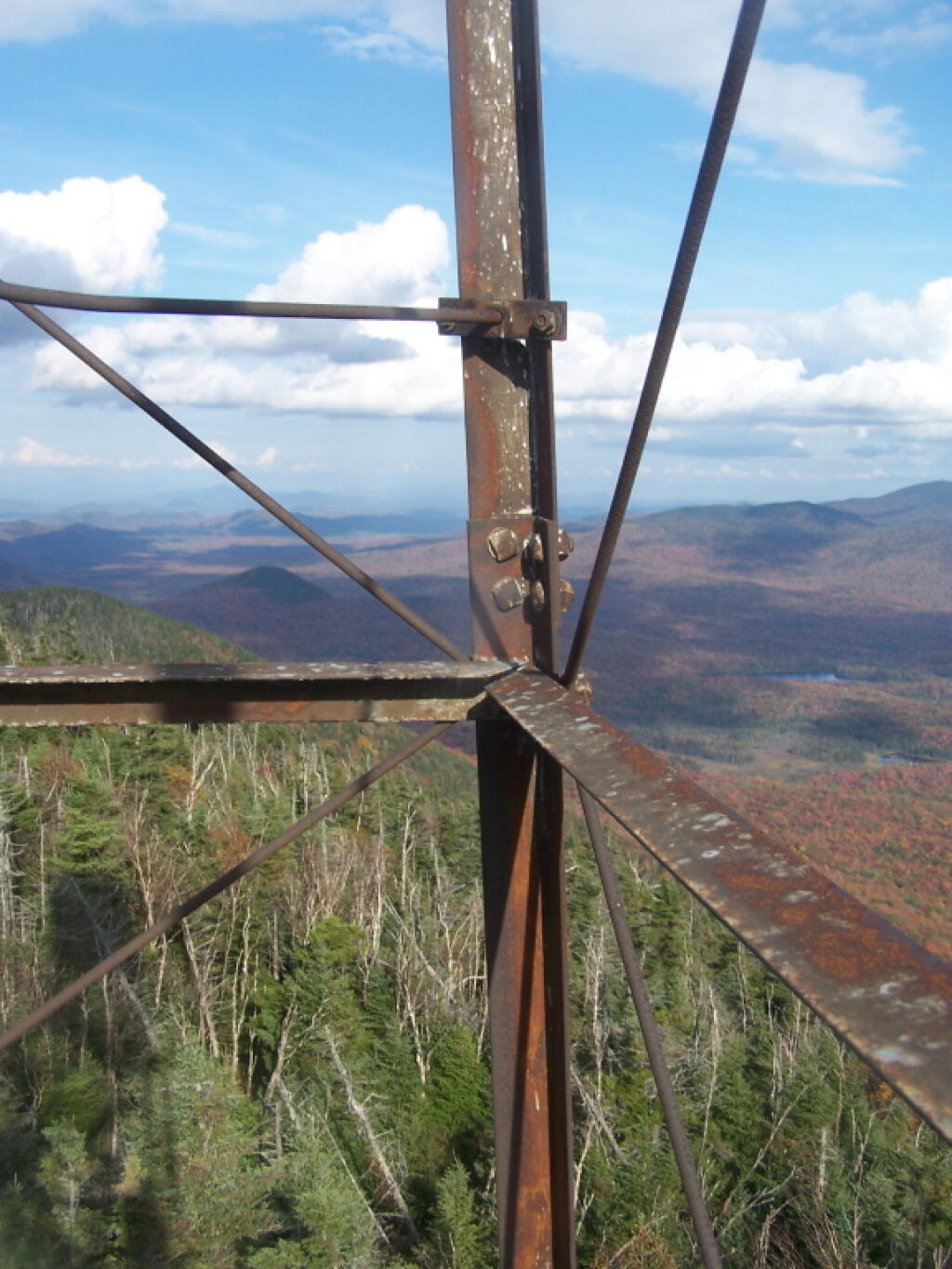
Going to be a nice weekend. 👍🏻 Cool but sunny. I’m hoping to get up to the Adirondacks next weekend but this weekend I have a meeting in town 🌼so I’ll try to go hiking locally. I’m hoping next weekend though the leaves will be really good in the Adirondacks. 🍂
Looking ahead, there are 6 weeks until Average High is 55 🍂 when the sun will be setting at 5:53 pm with dusk at 6:22 pm. On that day in 2019, we had mostly cloudy smjsziand temperatures between 60 and 45 degrees. We hit a record high of 78 back in 1971.
Milkweed is a perennial that often bears blossoms and fruit at the same time. The plant may be 0.5-1.0 meters high. Greenish-white flowers are borne in umbrella-like clusters. Leaves may be narrow or broad. Leaves or other above-ground parts of the plant are poisonous. They contain several glucosidic substances called cardenolides that are toxic. Milkweed may cause losses at any time, but it is most dangerous during the active growing season.
Several species of milkweed are poisonous to range animals. Labriform milkweed (Asclepias labriformis) is the most toxic. Other species in order of toxicity include western whorled milkweed (A.subverticillata), woollypod milkweed (A. eriocarpa), and Mexican whorled milkweed (A. fascicularis).
Milkweed poisoning occurs frequently in sheep and cattle and occasionally in horses. Most livestock losses are a result of hungry animals being concentrated around milkweed-infested corrals, bed grounds, and driveways. Poisoning also may occur if animals are fed hay containing large amounts of milkweed.
The primary toxic principle, galitoxin, is of the resinoid class. Galitoxin is found in all vegetative parts of the plant. In addition, a group of toxicants known as cardenolides may be responsible for digitalis-like signs that cause or contribute to death. In general, it appears that the broad-leaved species produce cardiotoxic and GI effects while the narrow-leaved species are more commonly neurotoxic. Dosages of whorled milkweed as low as 0.1 % - 0.5% of the animal's body weight may cause toxicosis and, possibly, death. Cattle, sheep and horses are most susceptible. Toxicity is not lost when the plant is dried. Therefore, contaminated hay is potentially toxic.