It’s not all his fault for sure. President Biden can’t be blamed for the COVID-19 pandemic winding down. He can’t be blamed for people across the world getting sick, dying and missing work due to the pandemic, reducing the labor force and leading to global supply chain issues. He can’t be blamed for the quick economic recovery or Russia invading Ukraine.
But I do think that he isn’t completely blameless. You can be dealt a bad hand but also act in ways that make things worse.
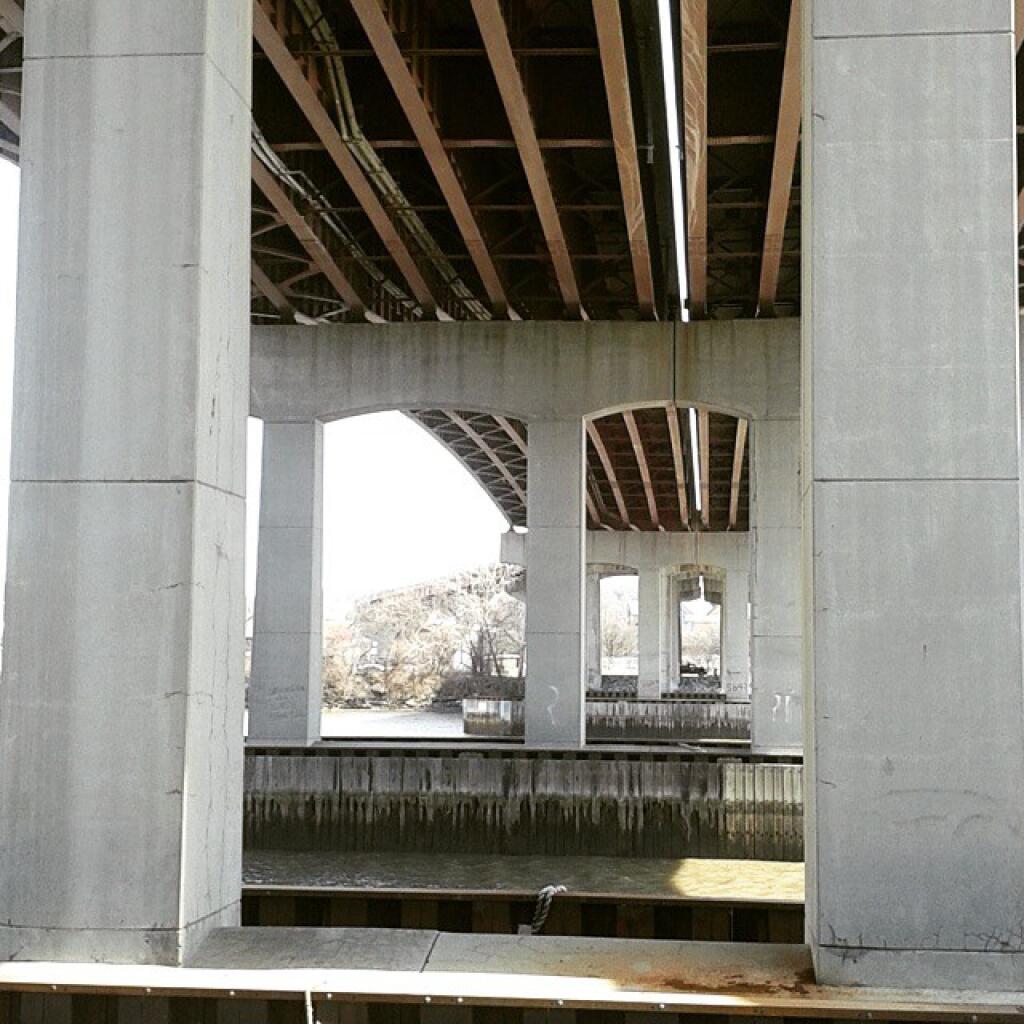
The massive infrastructure and stimulus bills made people’s bank accounts flush and also filled – in some cases overflowed the coffers of state and local government. I’m not convinced that infrastructure money was really needed, as while some infrastructure is old and creaky it was getting patched and maintained enough to be functional. I fear a lot of that money will be wasted on patronage jobs and unneeded, oversized infrastructure that subsidizes sprawl. Bridges that could be repaired and maintained, thrown away and replaced.
People suffered during the pandemic and while those checks were nice, it’s not clear how necessary they were, especially in the later stages of the pandemic, especially as people stayed home and saved money they’d otherwise have spent. Again, I fear a lot of that money is being squandered on junk people buy online and then a few months later pay to cart off to the landfill.
At the same time it’s hard to approve of the US’ half hearted involvement in the Ukraine. Sanctioning Russia has only jacked up prices, while handing over the weapons to the Ukrainians has only made the conflict longer and bloodier. Maybe oil prices have come back down a bit but remain pretty high. To say nothing about the high prices at the grocery store. Should the world looked the other way when a murderous dictator invaded a bordering country and given him a free pass to invade other nations? I don’t know but I sure wish the US government could have been less involved and taken actions less harmful to Americans like avoiding sanctions that involve global markets for energy, natural resources and food.
Plus it seems like lately there has been a trend to creating new laws and regulations that raise the cost of doing business. None of the single regulations alone are that expensive but like most things with inflation, costs add up. People often under estimate how much inflation was driven by regulatory costs in the 1970s but a lot was. Clean air, safe and fair working conditions and better human health are laudable goals but they are not free and collectively add real costs. Some of these costs are addressed through innovation and process redesign but those things often take time to bring up to speed and can be very inflationary in the short term.
Don’t you know renting is a waste of money, as you’ll never build up any equity
Renters are poor people, it’s what you do if you can’t afford to buy a house
Renting means your paying your landlord’s mortgage and not your own
While all those things are technically right, they are also quite wrong and only really valid if you are doing an apple to apples comparison — you are buying the same house in the same location.
The problem with that logic is that in most cases the house your buying or building is going to be larger and more costly to own and operate then the place you currently live in. Your commute will be longer, you’ll burn through more gas and junk cars quicker. The additional costs of an upgraded building, combined with mortgage costs tied to a single, non-diversified asset may not be a good investment at all. Forced savings — bank required mortgage payments — might be a good idea for those lacking discipline, but it’s still a non-diversified asset that is difficult and often expensive to convert to cash.
While buying can lead to an asset that accumulates in value, there are many things in owning a house that are immediate money sucks or depreciate in value:
Cost of automobile commuting compared to riding a bicycle or taking a bus to work
Replacing worn-out appliances and parts of a house
Energy costs of heating and lighting a larger stand-alone building
Interest paid to a bank may reduce your income in eyes of tax man, but a lower taxable income certainly doesn’t cover the cost of interest
Suddenly, if you looking at buying or building a house, the numbers don’t seem so great after all. It’s not to say it’s not a worthwhile goal for other reasons — like being able to own land and livestock or have a bigger house with more amenities, but to view renting as a waste of money or something only poor people do is a rather silly way to look at it.