primative camping

Wilcox Lake Wild Forest

The Wilcox Lake Wild Forest Unit Management Plan mentions the following about Roadside Camping in the area…

“The APSLMP also allows for small groupings of primitive tent sites in Wild Forest units that are designed to accommodate a maximum of 20 people under group camping conditions. Individual campsites within the small grouping do not need to meet the separation distance guidelines that primitive tent sites are generally subjected to. These small groupings of campsites must be widely dispersed (generally a minimum of 1 mile apart), and located in such a manner as to blend in to the surrounding environment and have a minimum impact on the wild character of the unit. Currently, no such small groupings have been designated in the WLWF.”

“Fireplaces have been provided at a number of the primitive tent sites in the WLWF. Inventory data indicate the presence of fireplaces at 17 designated campsites. The APSLMP allows the maintenance and rehabilitation of fireplaces to the extent essential to the administration and/or protection of state lands or to reasonable public use thereof but new construction will not be encouraged. Therefore, although fireplaces are currently present in the unit, no future efforts are anticipated to provide these structures at designated campsites.”

“Over the years, local forest rangers have made significant efforts to eliminate campsites not in compliance with the APSLMP separation distance guidelines. For example, Forest Ranger S. Ovitt has closed over half of the campsites along Route 8, concentrating use at the best and most environmentally resilient locations while simultaneously providing adequate spacing between the remaining sites. However, several areas in the unit still have designated campsites that do not meet the general APSLMP sight and sound separation requirements and have not been designated as small groupings of primitive tent sites. Locations where primitive tent sites are not currently meeting separation distance guidelines include Bakertown Road, Hope Falls Road, Middle Lake, Fox Lair, Kibby Pond, Crane Mountain Pond, Garnet Lake, Garnet Lake Road, Murphy Lake, Little Joe Pond, and Wilcox Lake.”

“Provide additional individual and group camping opportunities within the WLWF, and designate these camping areas as per criteria outlined in the APSLMP.”

— NYS DEC Wilcox Lake Wild Forest UMP.

Current Campsites Map.
Wilcox Lake Wild Forest

Roadside Campsites Designated in UMP.

Road Number of Sites
Bakertown Road 5
Garnet Lake Road 3
Hope Falls Road 3
Pumpkin Hollow Road 2
State Route 8 (between NY 30 and NY 28) 12
River Road 2
West Stoney Creek 12

More Resources…

CCC Road

Camping

Map: Forest Road 13 Informal Camping Opporunities
Map: Spruce Knob Campground

Brasher Falls State Forest

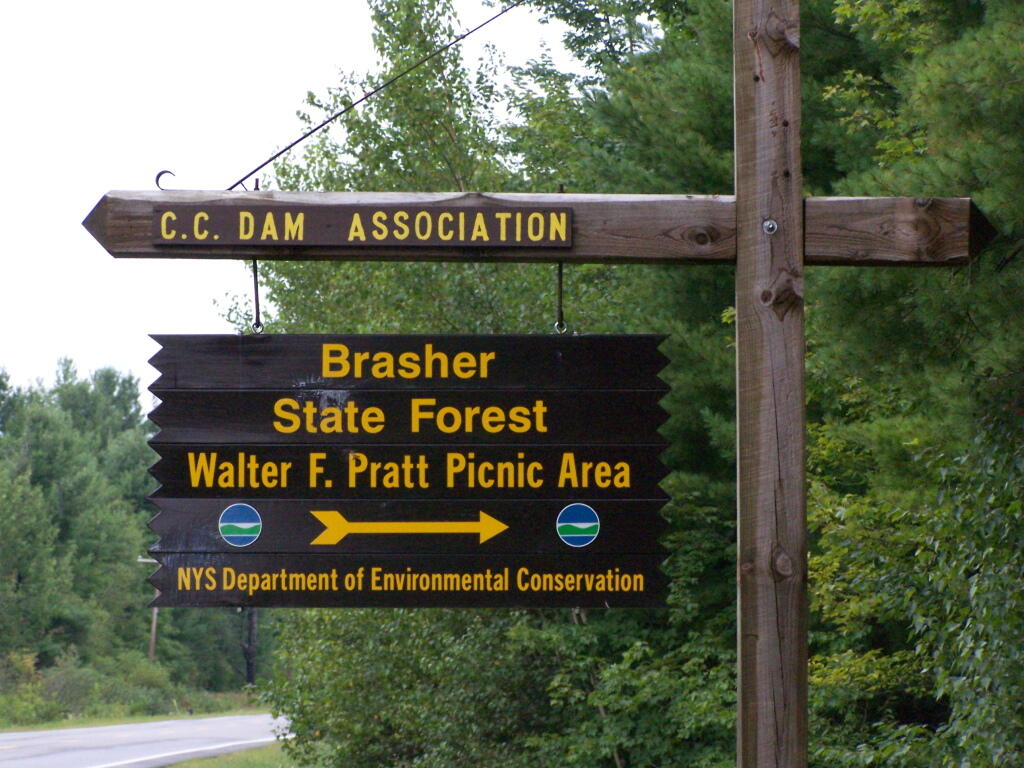
There are two camping areas in Brasher Falls: The Tri-Town Equestrian Assembly-area (field camping) off Truck Trail 901, north of DEC Maintenance Garage, and a 21-site Drive-in Camping Area known as the CC Dam Association / Walter F Pratt Memorial Forest at Redbrook River Dam. The CC Dam Association area is maintained by a group of local volunteers, and offers many amenities not found at most primitive camping areas. It also staffed by volunteers on weekends.

Brasher Falls Sign

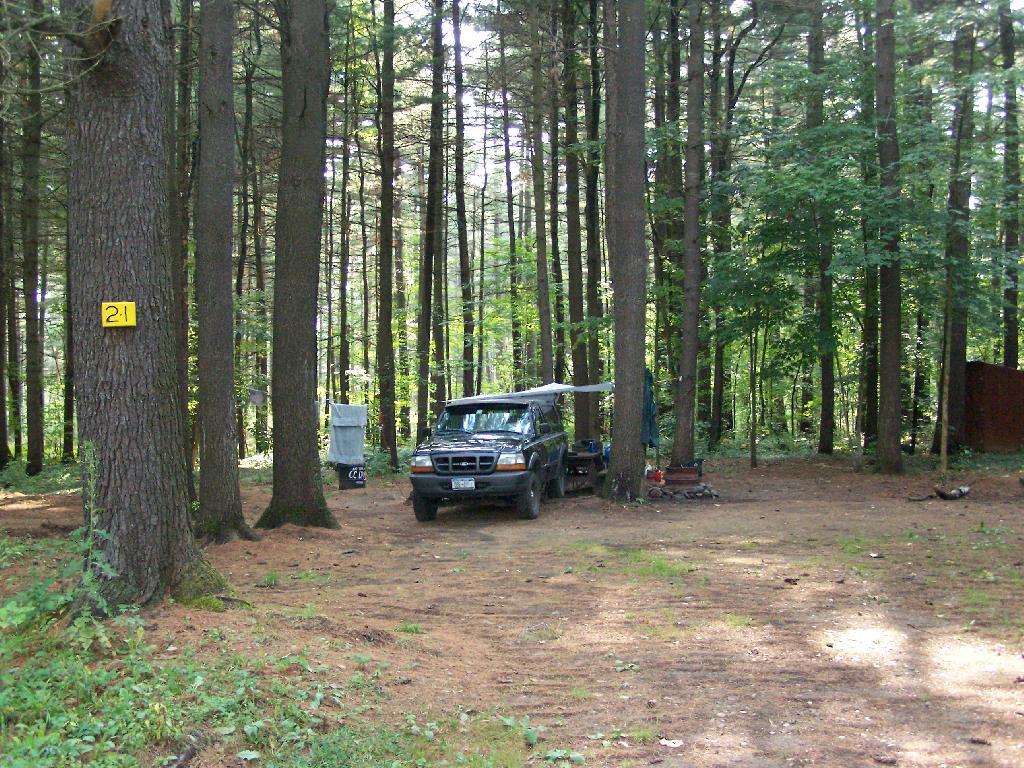
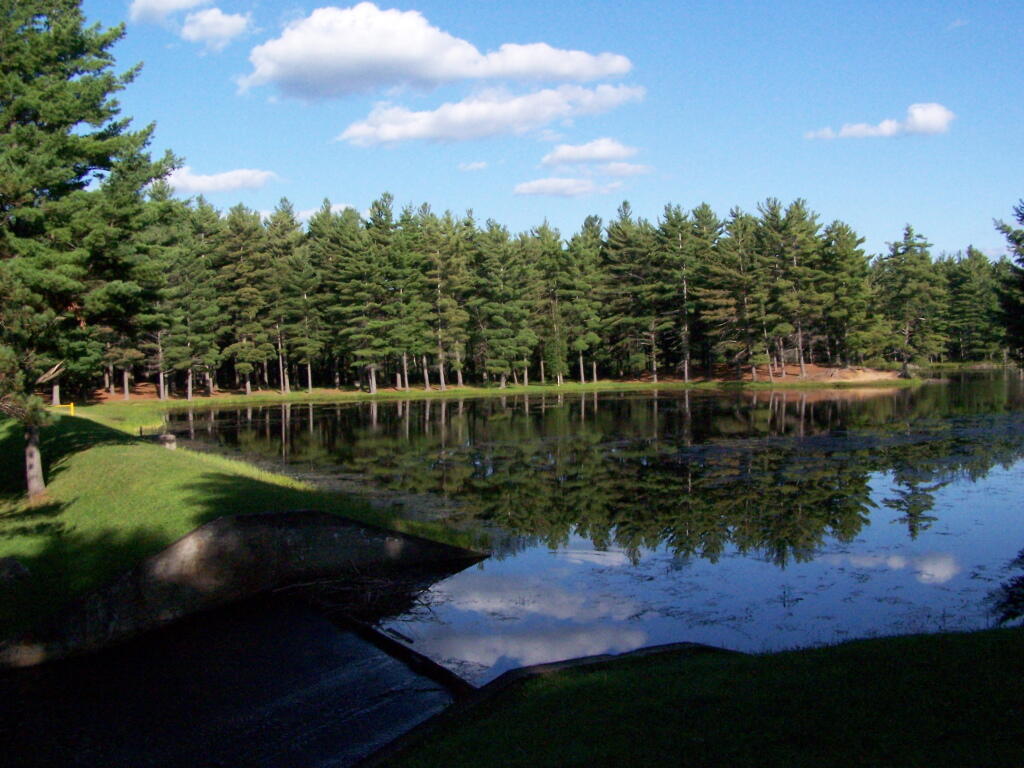
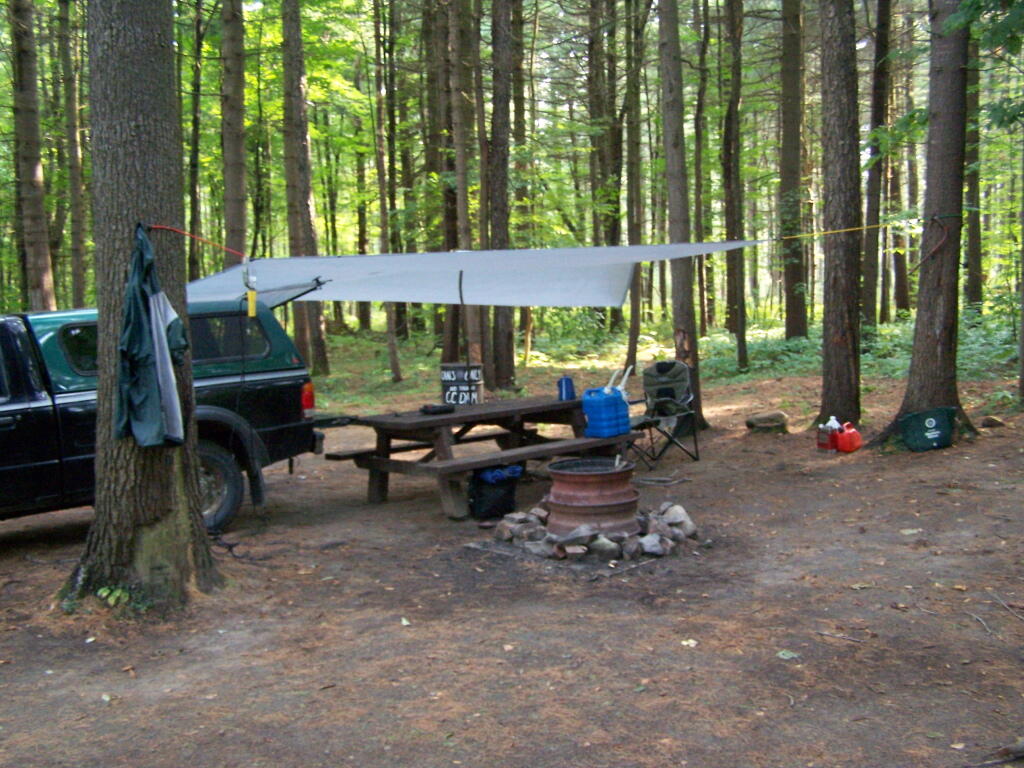
Like Moose River Plains, all of the sites are hardened with gravel, have picnic tables, and outhouses. They are a short walk from a man-made lake, consisting of the Redwater Brook (red from iron in water), which was damned up by the Civilian Conservation Corps. Swimming is allowed. There is a horseshoe pit. There is a hand pump for water, although it says “Non-Potable Water”, so boil first. Many of the sites are pretty close together (25 sites on 1/2 mile of road, only one side), with somewhat limited screening. On weekdays in summer, when I camped there, it was little used.

Campsite 21

Nearby there are dozens of miles of truck trail, hiking, and horse trail to explore, and while not-officially sanctioned by the DEC are also used for riding ATVs. ATV use on roads were allowed prior to Court-case prohibiting on-road use of ATVs except to access trails.

“The Walter Pratt Memorial Park features two accessible camp sites [ed note: and 19 other sites that can accommodate trailers/RV/trucks] designed for use with camper trailers. Each site has an accessible picnic table and a shared privy. There are also two accessible picnic sites and a privy located in the day use section of the park, the picnic tables overlook the impoundment at Redwater Dam. The park is open from mid-May to October, for camping and picnicking.”

— NYSDEC Brasher/Bombay State Forest

Roadside Campsites.

Road Number of Sites
Walter Pratt Memorial Forest
At the Redwater River Dam
21
Tri-town Horse Camp (Field Camping)

Walter Pratt Memorial Forest.

Tri-Town Horse Camp Assembly Area (Truck Trail No. 901)

More Resources…

C.C. Dam

Camping

Entering the Campground

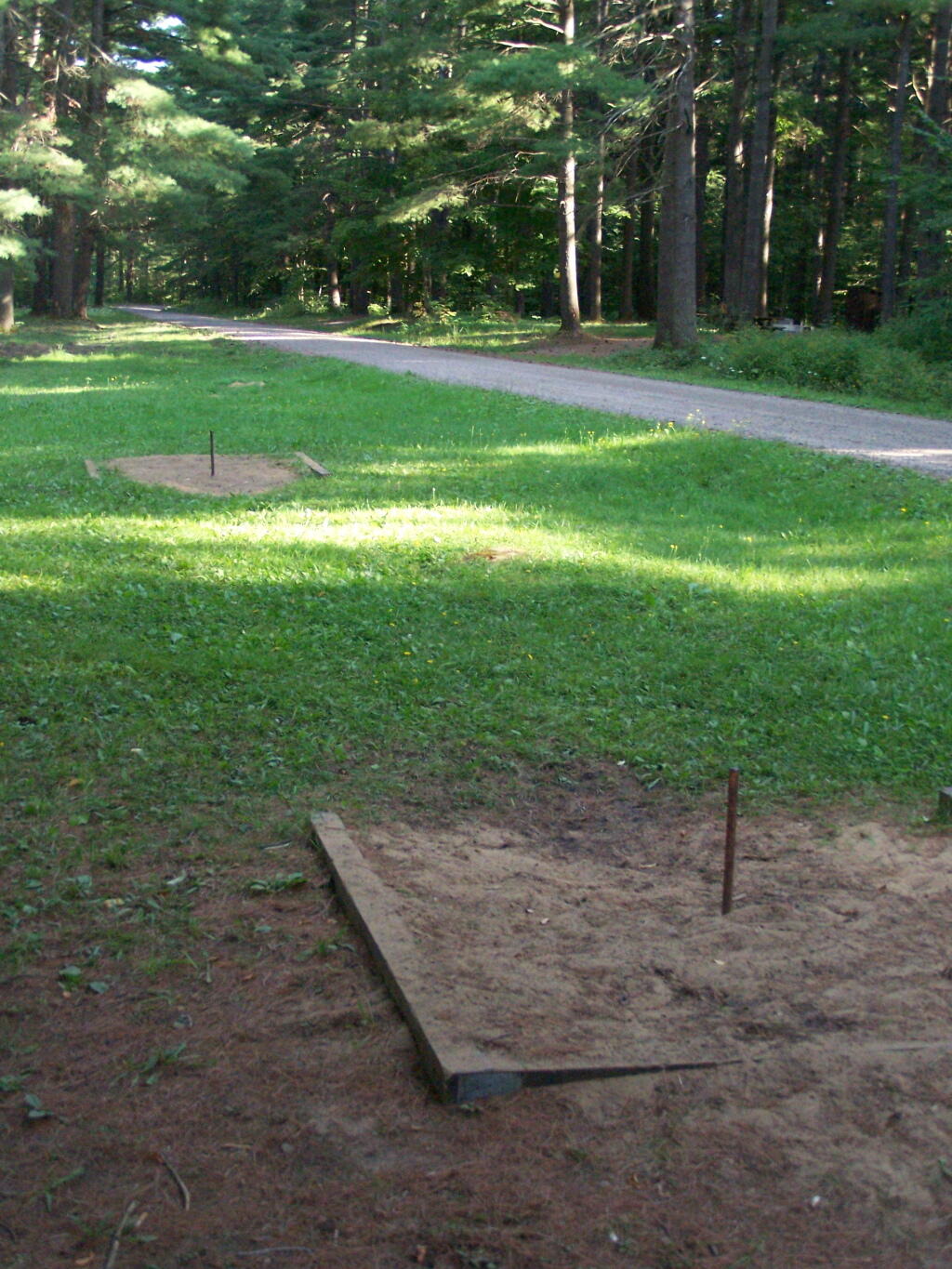
Horseshoe Pit

Thematic Map: Primary Direction of Hillsides in NYS - Aspect
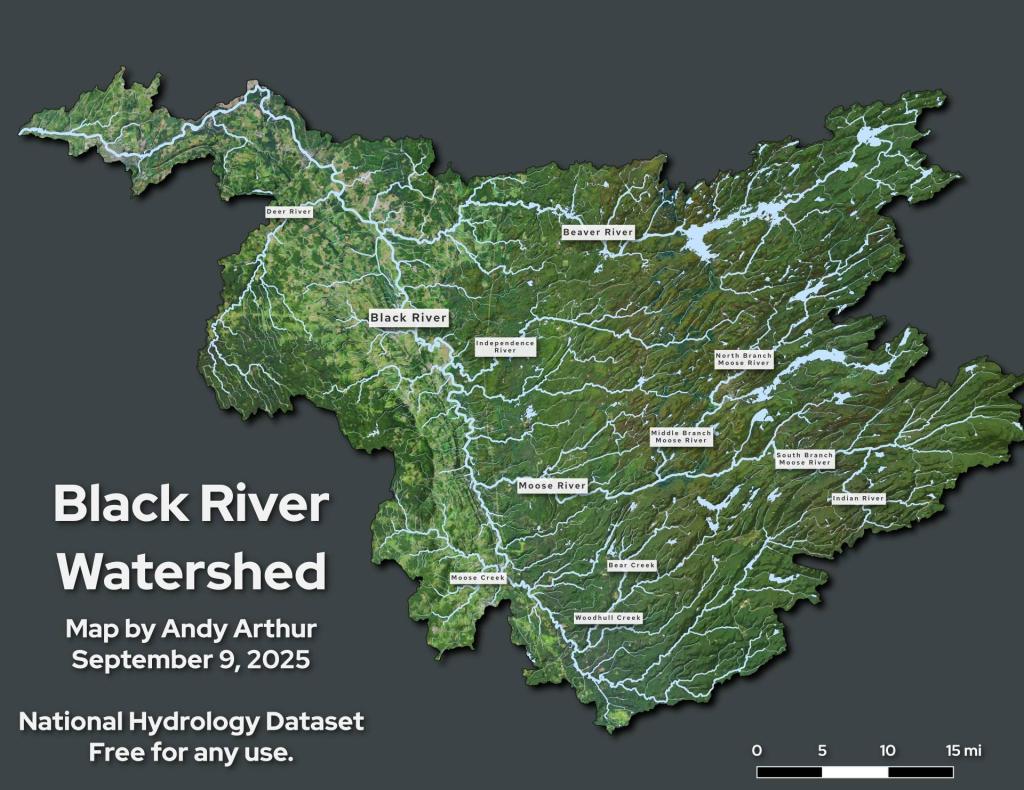
Thematic Map: Black River Watershed

Moose River Plains

Moose River Plains is the largest roadside camping area in the Adirondacks. It has also been called the largest roadside camping area in the United States, at least with entire road system, considered as a single consolidated unit of 175 campsites. In recent years, a number of sites have been abandoned or closed to protect environmental resources, however the supply of campsites usually exceeds even peak usage on holidays, so finding a good spot is never hard.

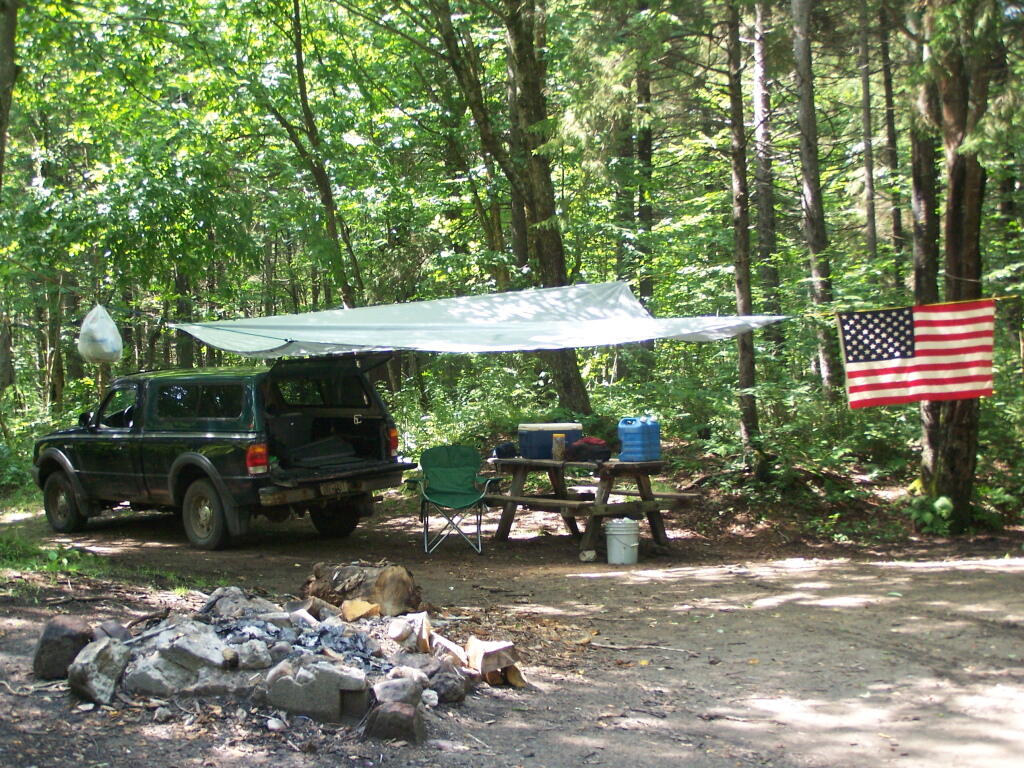
Campsite on Moose River Plains road

In Fall 2010, a new Unit Management Plan was adopted in Moose River Plains. It made the following major changes to the area:

  • Reduced Drive-in Campsites At Wakley Dam to 5. A couple additional tent sites will remain. The Wakely Dam will prohibit motor vehicles crossing it except snowmobiles.
  • New “Intensive Use” Area Was Created to Allow for Up to 150 drive-in campsites (tent or RV or truck camper) to remain along Moose River Plains Road, Helldiver Road, Lost Ponds Foad, Loop Road, Red Dam Road, and other Camping Spurs with spacing less then 1/4 mile. There is no charge to use these sites, you just need a permit if you stay more then 3 days.
  • Campsites Along Otter Brook and Indian Lake Roads will be spaced a 1/4 mile apart, and avoid sensetive areas, such as closing the sites right along the Moose River. These sites will be primarily tent sites during the summer, but during Big Game Season, RVs and truck campers will be allowed.

The recently adopted Moose River Plains Unit Management Plan discusses some of the chnages to Roadside Camping in the area…

“The creation of the MRPCA will create some challenges in educating the public as to what to expect within the area. As the area will not charge fees, nor will reservations be taken, users will be arriving at the area without the benefit of knowing what site they may be camping at. Users will need to drive through the area and locate a site that is suitable for their needs. In the unlikely case that no sites are available, users will need to be educated as to what alternatives exist in the general area. Providing information at the two entrance points, Cedar River Flow and Limekiln Lake, will be an important part of informing users of the type of opportunity available in the MRPCA. It will also provide an opportunity to provide information on alternative locations should the MRPCA not meet their expectations.”

“Unlike other intensive use area campgrounds in the Park, amenities such as bath houses, playgrounds, and paved drives are not ever going to be considered for the MRPCA. Pursuant to APSLMP guidelines for newly created intensive use areas, the MRPCA will only contain up to 150 roadside campsites along approximately 20 miles of roads. These sites will have fire rings, pit privies and picnic tables as their only amenities. Some of these sites will remain relatively close to the road, while others will remain several hundred feet back, accessed by short driveways. A majority of these sites will be comprised of existing sites, some fairly well separated from other sites and some clustered in small groups. This will provide for a variety of camping opportunities depending on what users are seeking. Existing sites that are very close to the road may be relocated to a location that provides better screening or may be converted to parking areas with a walk‐in site located a short distance from the parking area. Any newly constructed sites will be located in a manner to provide vegetative screening between the site and the road.”

— NYSDEC Moose River Plains UMP.

Map of Moose River Plains.

There are no campsites shown on the map, and as listed below both the Intensive Use Area and other portions of Moose River Plains will continue to allow camping as listed below.

Moose River Plains Overview

Roadside Campsites, Post UMP Changes.

These are based on the UMP proposal not implemented yet. This is considered the minimum number of sites under the new plan, the Moose River Plains Camping Area, may increase form 112 to 150 sites in the future, depending on the demand. The DEC plans to limit Otter Brook/Indian Lake Roads to tent only sites during summer season has not be finalized.

Road Number of Sites Site Types
At Wakley Dam:
Cedar River Road
5 Tent (plus others) or Vehicle
Moose River Plains Camping Area Roads:
Moose River Plain Road
Campsite Loop
Helldiver Pond Road
Lost Ponds Road
Loop Road
Rock Dam Road
112 Tent or Vehicle
Otter Brook Road 14 Tent, Vehicles Allowed During Big Game Season
Indian Lake Road 5 Tent, Vehicles Allowed During Big Game Season

More Resources…

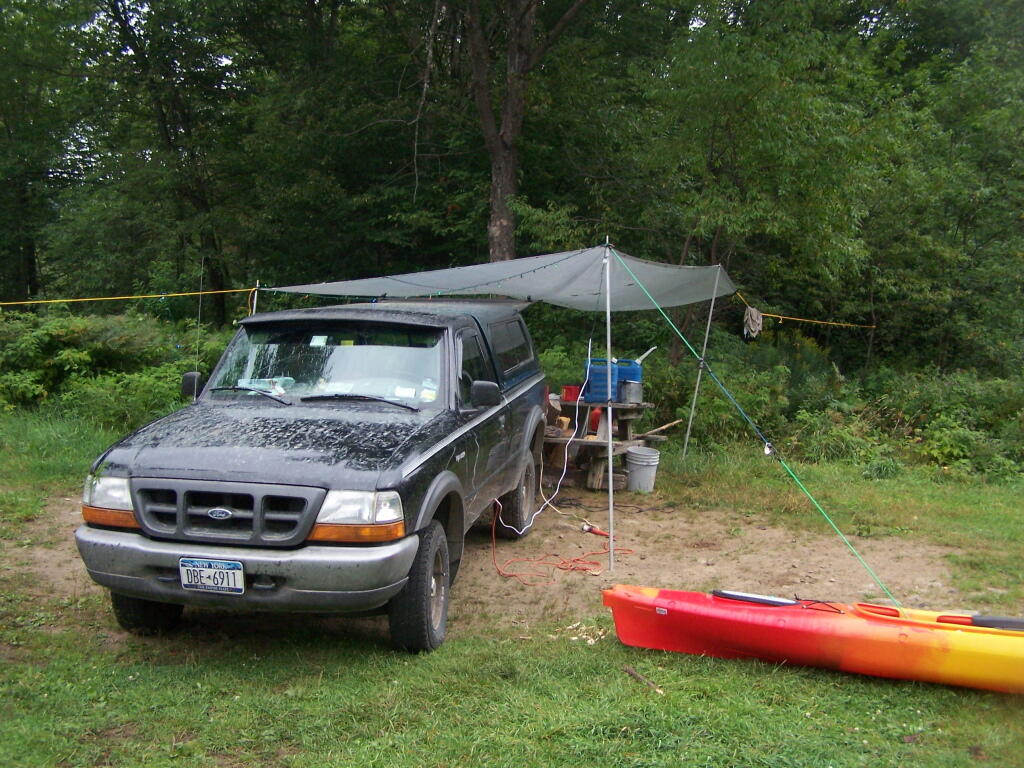
Camping Down By Otter Brook

Kayak Tying Down Tarp

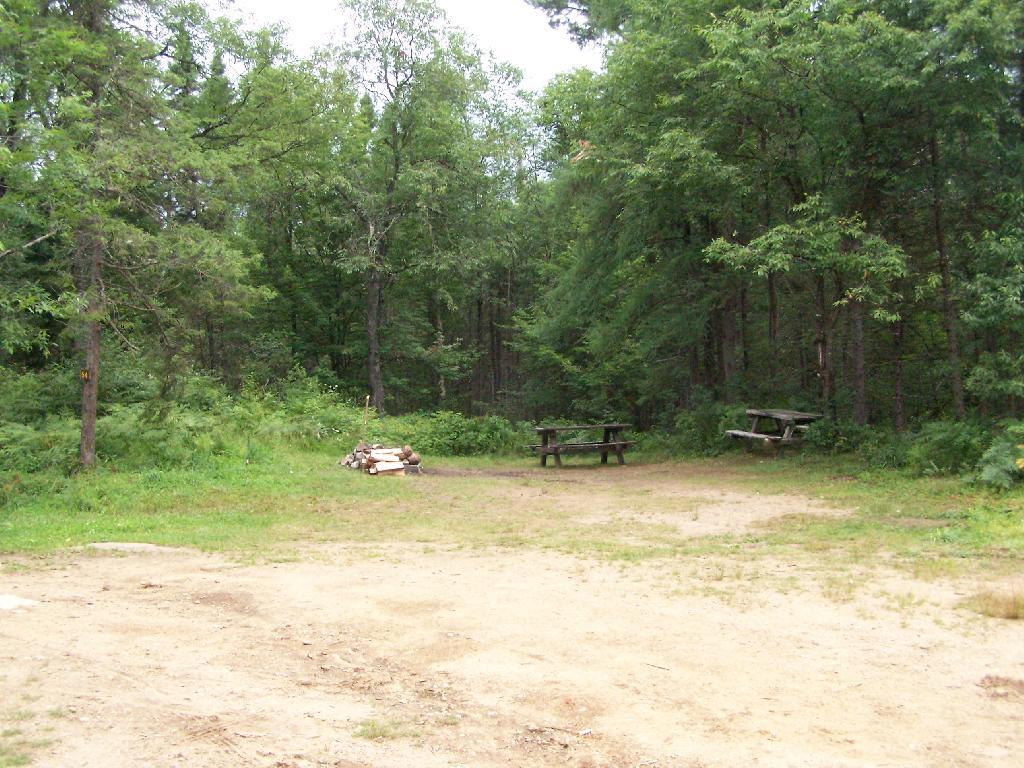
Site 57 in the Plains

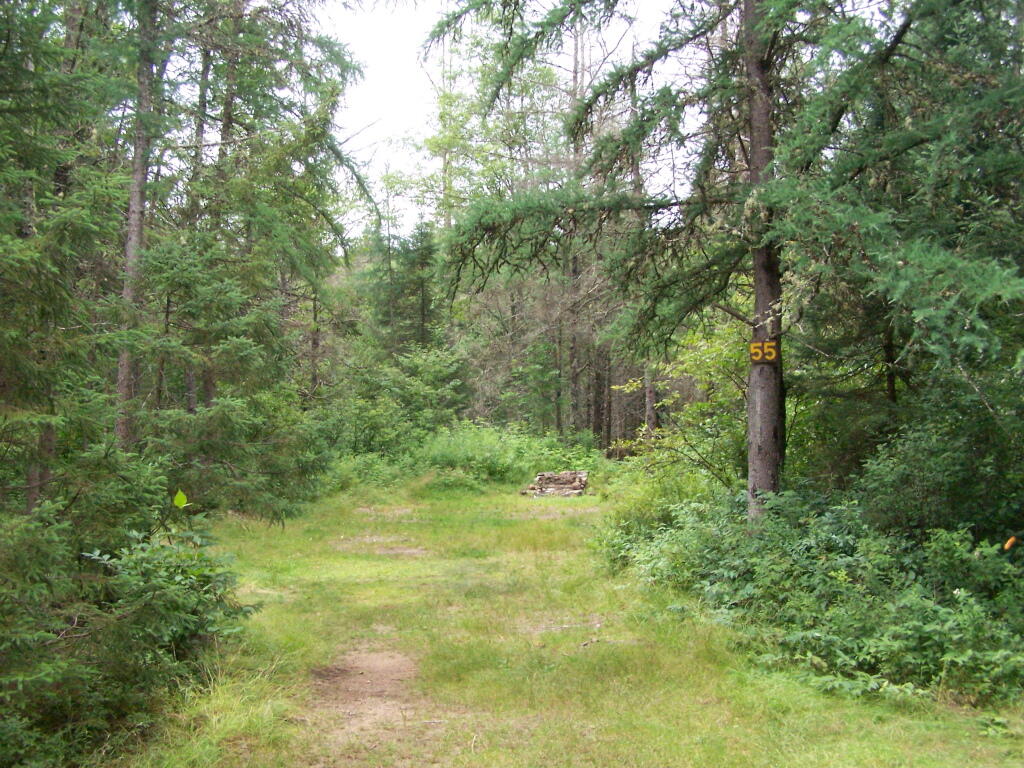
Campsite 55

Thematic Map: Fifty Least Densely Populated Municipalities in NY State
Thematic Map: us-state-pop-density-1900

Ferris Lake Designated Roadside Campsites

The most popular area in Ferris Lake Wild Forest is to camp along the 20-mile long Piseco-Powley, a spectacular seasonally-gated, state truck trail. Other roads in area provide more remote roadside camping opporunities and are listed below.

Campsite North of Powley Place

The Ferris Lake Wild Forest Unit Management Plan mentions the following about Roadside Camping in the area…

“The FLWF provides a variety of different camping opportunities. The interior portion of the unit contains numerous primitive tent sites that are located along the shores of the more popular lakes. These sites are designated with a yellow camping disk and often contain a fire ring. There are also a number of car accessible sites located along secondary access roads, such as the Powley-Piseco Road, G Lake Road, Mountain Home Road Extension and Edick Road. Most of these sites can accommodate small camper trailers. There are no lean-tos within the unit.”

— NYSDEC Ferris Lake Wild Forest UMP.

Roadside Campsites Designated in UMP.

Road Number of Campsites
Edick Road 2
G-Lake Road 3
Jerseyfield Road 2
Mountain Home Road Extension (Rough Truck Trail Past the Floe) 6
Powley-Piesco Road (Open Late Spring-December)
Northern Hardwoods Section Near Mud Pond
Central Section Near Marshlands of Powley Place
Southern Section Near Potholers
Total: 22
5
10
7

More Resources…

Location of Roads with Camping in Ferris Lake UMP.

Designated Campsites Along Edick Road.

This map is from the Ferris Lake Wild Forest UMP.

East

Designated Campsites Along G Lake Road.

Please note that the roadside campsites are noted by “GLR”. The “GL” sites are traditional primative tent sites, beyond the gated end of G Lake Road, that you have to backpack into. This map is from the Ferris Lake Wild Forest UMP.

Designated Campsites Along Piseco-Powley Road.

These maps are from the Ferris Lake Wild Forest UMP.

 Cascade Lake

Strawberry Moon

Renters vs Population Density - NY Census Tracts

Designated Campsites Along Mountain Home.

This map is from the Ferris Lake Wild Forest UMP.

Betty Brook Road

Plains of East Canada Creek

Campsite Set Back Off the Road

North Up to Piseco-Powley


Map: Empire State Color Relief
Map: Battery Diagram

Kayaking Horseshoe Lake, Aug 12

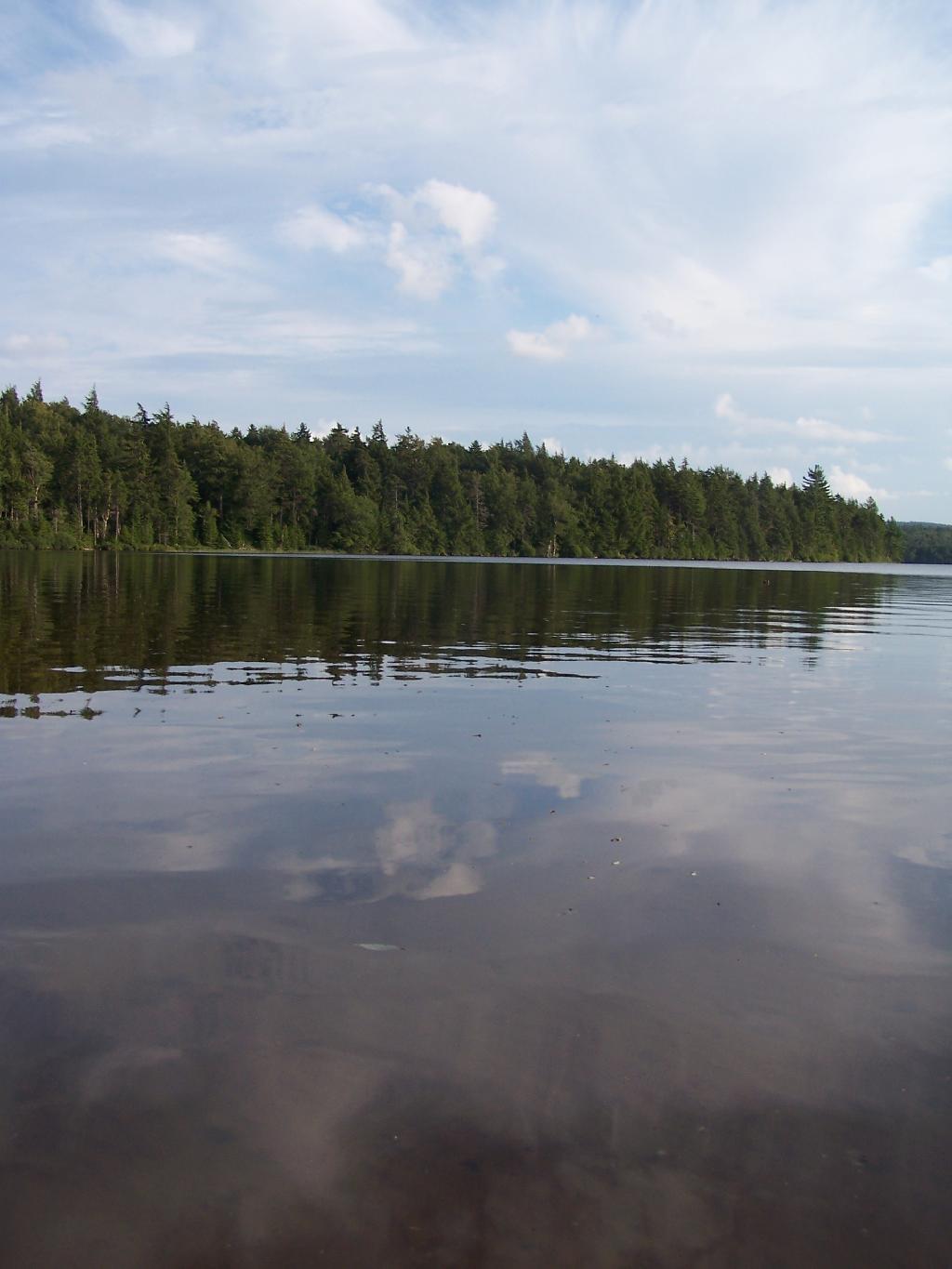
Horseshoe Lake is located on South Eastern Saint Lawrence County, on a dead end state highway, NY 421, a spur from NY 30 South of Tupper Lake. It offers 6 campsites scattered along the lake, with 6 others on nearby roads. It is also near the Bog River Flow Canoe/Kayak Area.

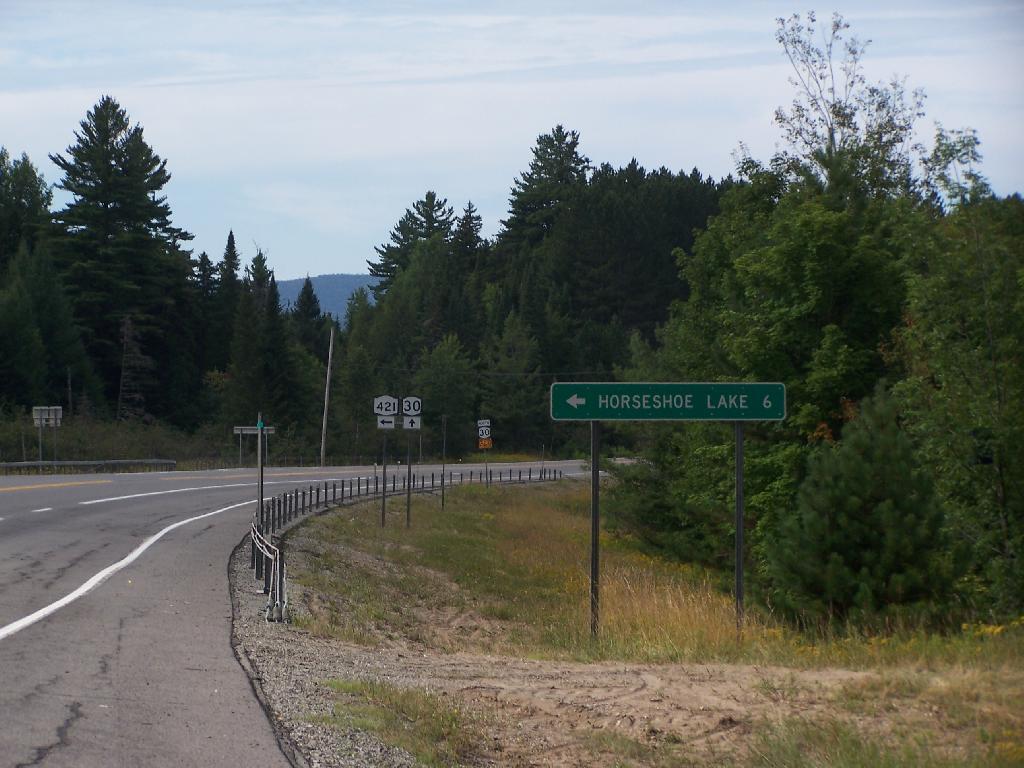
Six Miles to Horseshoe Lake. This is the turn off for NY 421, one of the strangest state highways in the state. It is a dead ended highway, that leads to gravel roads around Horseshoe Lake and Bog River Flow. It is very twisty and narrow, and portions have not been resurfaced in over 50 years.

Six Miles to Horseshoe Lake

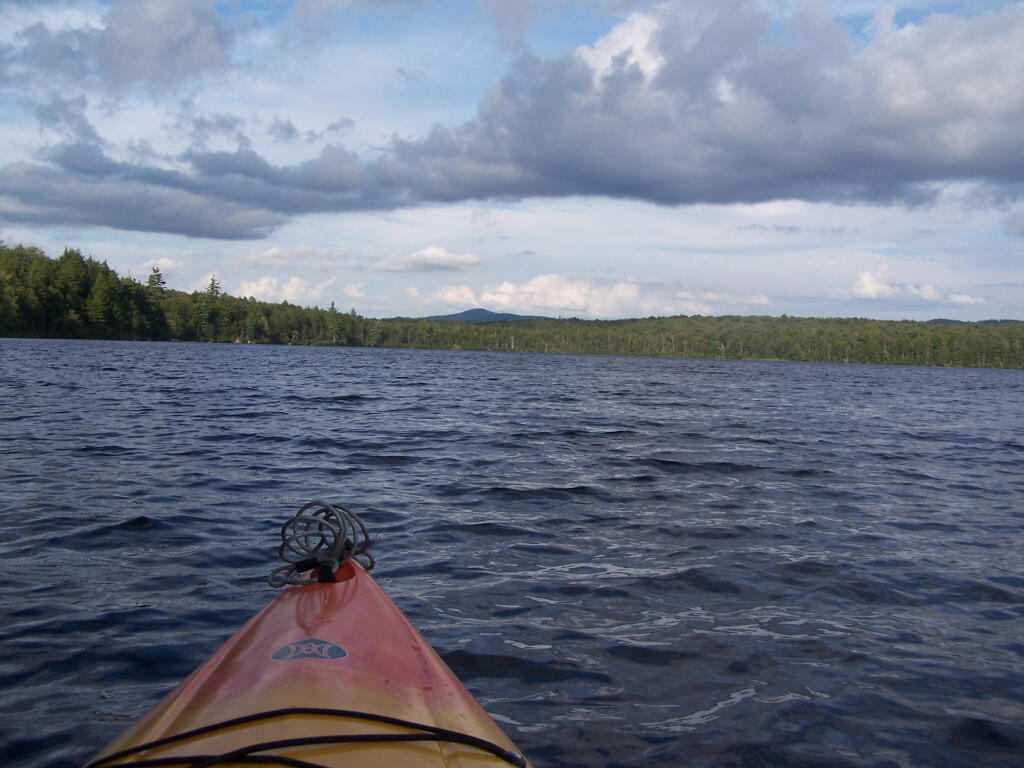
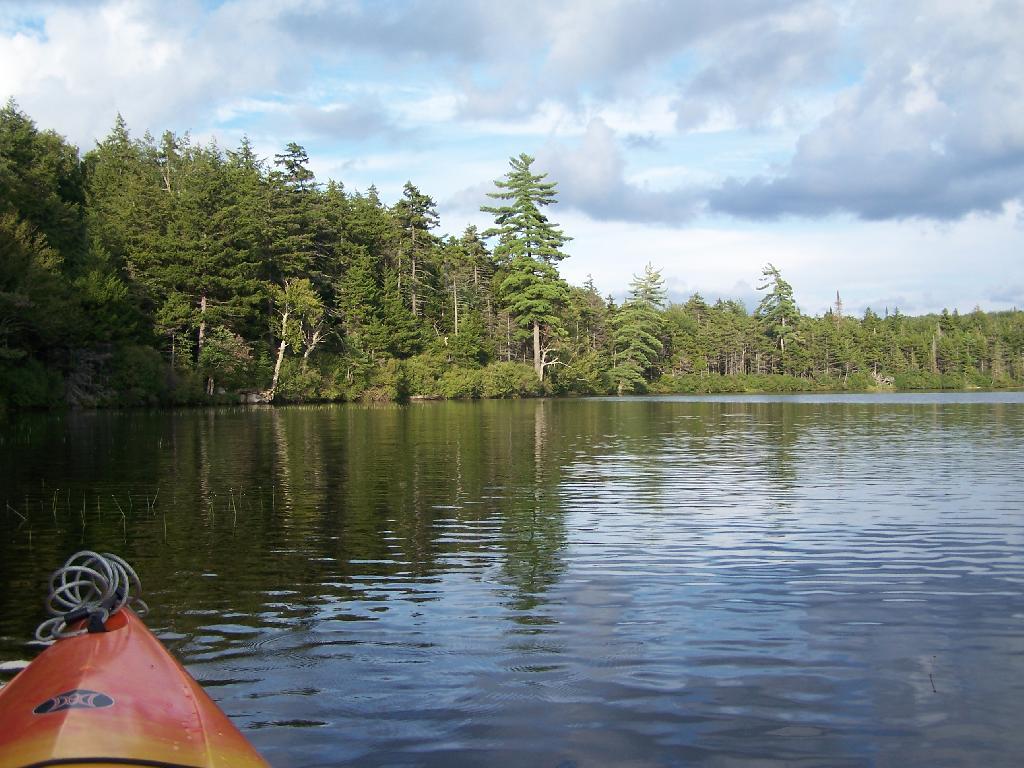
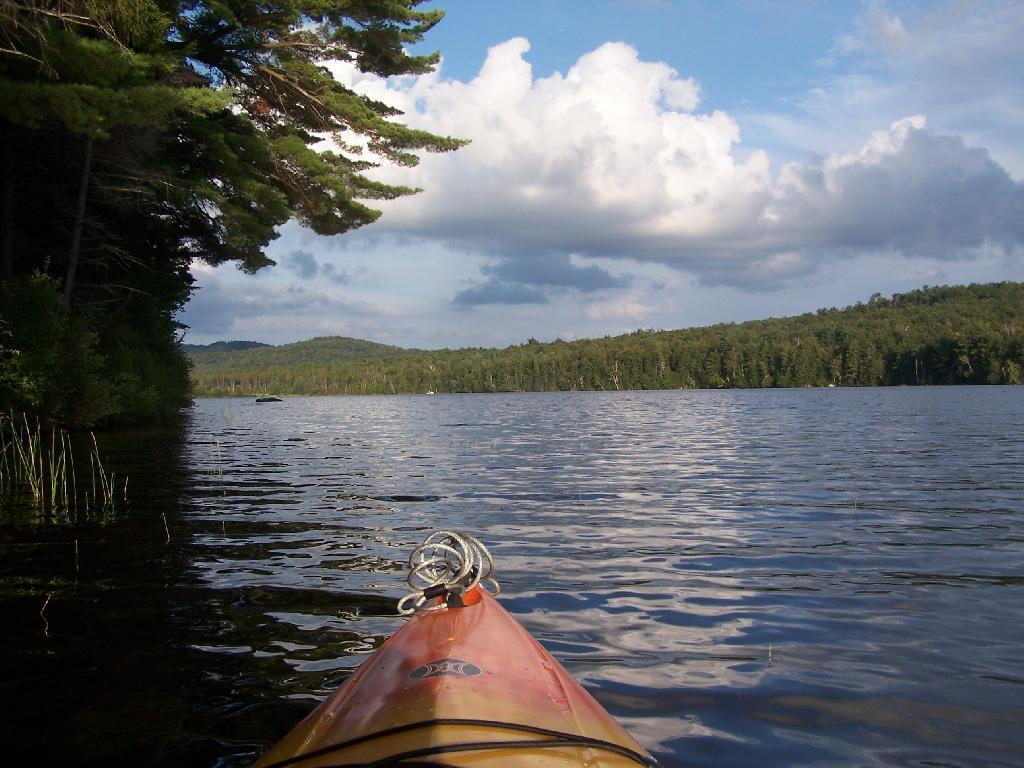
Towards Mt Morris. Paddling across Horseshoe Lake. As you can see, the land around here is very flat, former timber country. In the distance is Mount Morris, near Tupper Lake.

Towards Mt Morris

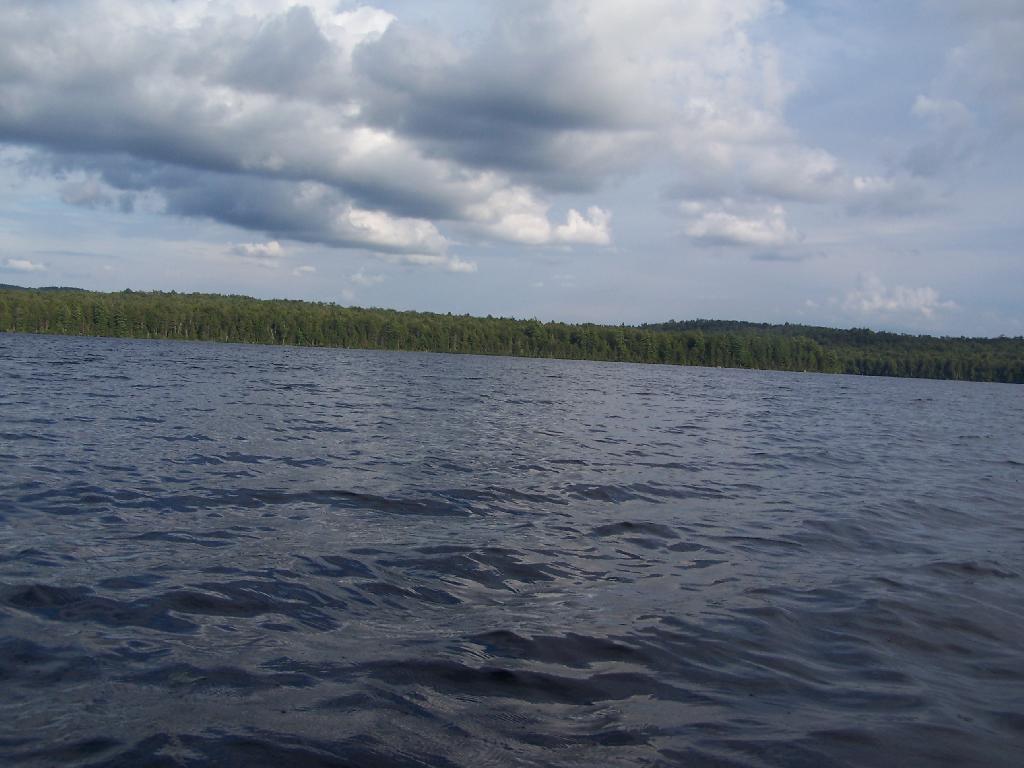
Choppy Waters. The water was somewhat choppy on Horsehoe Lake as there was a steady breeze as the weather was clearing out.

Choppy Waters

Northeast Tip. This is the upper tip of the Horseshoe Lake, in the most North-Eastern portion.

Northeast Tip

Heading Around The U. Horseshoe Lake is fairly large, all things considered. The open bays can be a bit rough, especially when you get into the wider portion of the U in the horseshoe.

Heading Around The U

Blinding Sun. Heading West across the Lake, I was going directly in the path of sun at 7 PM. Even with sunglasses on, the sun was bright and painful, leading to a temporary sunblindness. I ended up tacking North-West then South-West to avoid the sun, and the choppiness of the water.

Blinding Sun

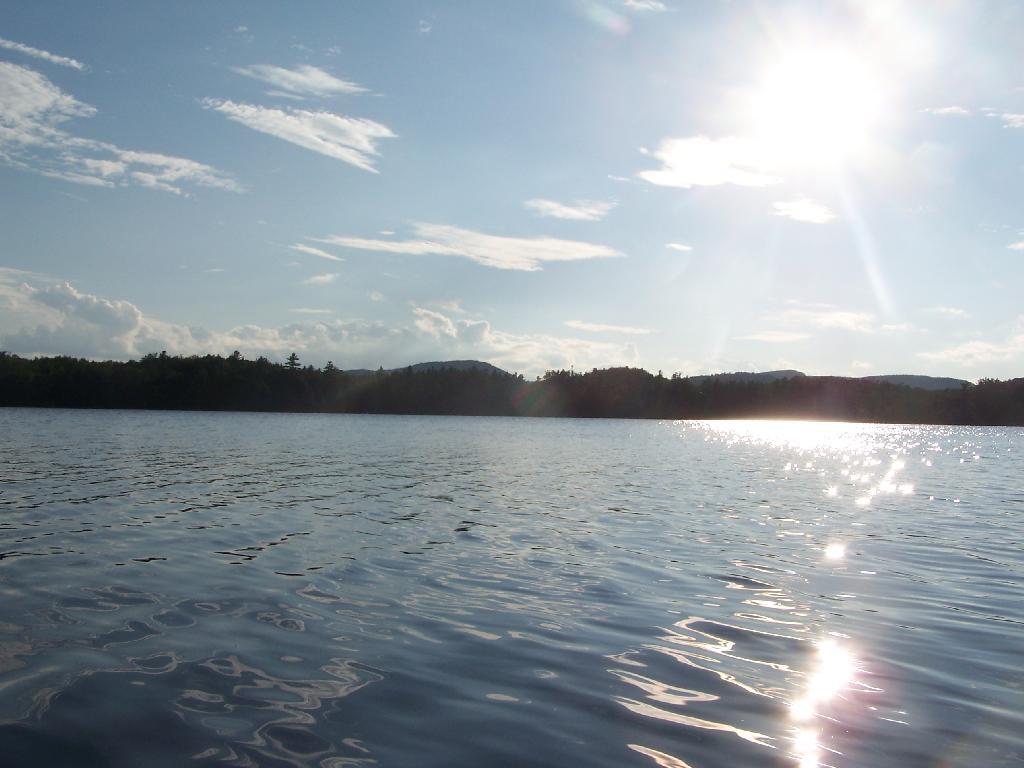
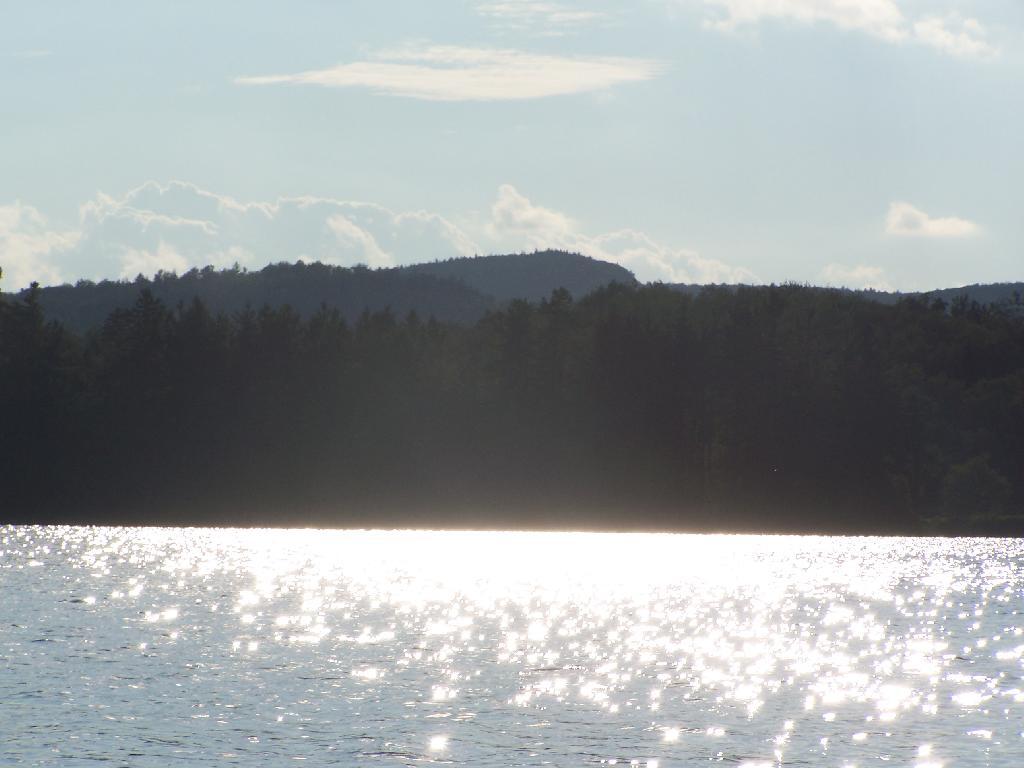
Glare. In the background rises Silver Lake Mountain, that beautiful ridge one sees most clearly from paddling around Hitchins Pond/Lows Lake in the Bog River Canoe Area.

Glare

Other End of Lake. This is where NY 421 first hits the lake, heading west on NY 421 from Mountain Camp. You could say that it’s other tip of the Horseshoe. About 3 campsites, spaced 1/2 mile apart, are located on the lake.

Other End of Lake

Thematic Map: Agriculture in New York
Terrain Map: Mohawk Noses and Gravel Pit in 1956