essays

Why I Want to Move to Pennsylvania

I really like the Commonwealth of Pennsylvania and it’s culture. Reminds me a lot of the New York of yesteryear. Yet, unlike New York State, where the urban culture of New York City, with its nanny-state laws and regulations, seems to have such a grip over the State, Pennsylvania seems to be a lot more wild and free. Public servants tend to be friendlier their, the public land seems to be more better maintained and open for more varied uses, and the state seems to be more open to the ideas and beliefs of rural folk like myself.

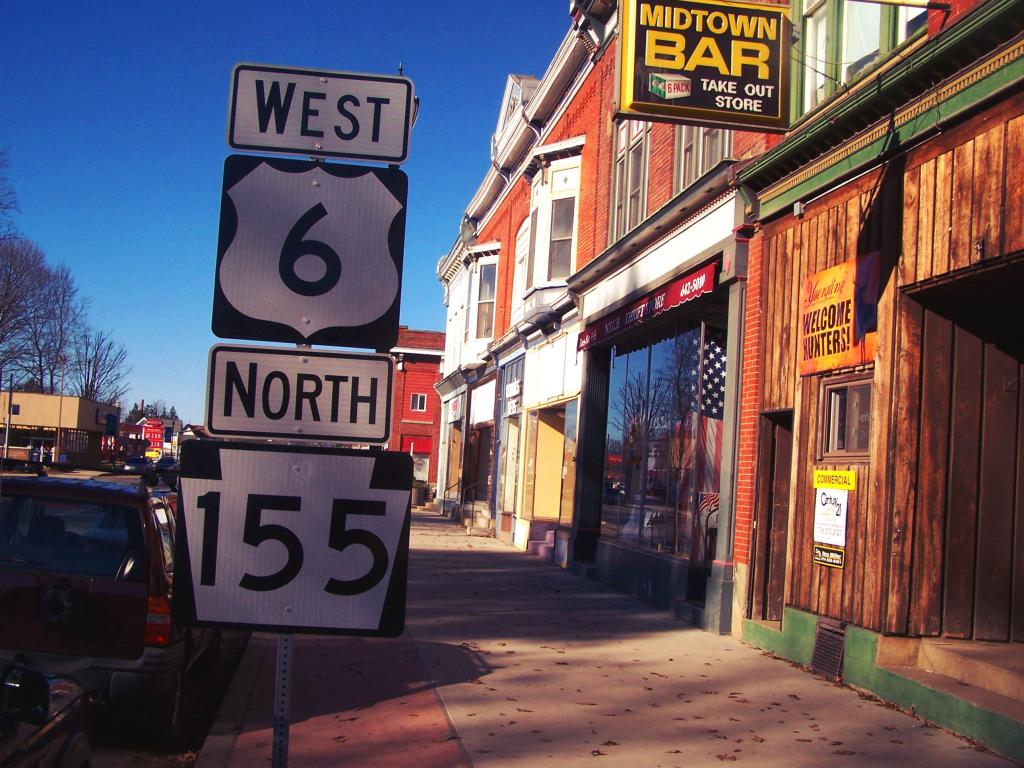
US 6 and PA 155

I like a lot of things about Pennsylvania. It has vast tracts of public land in the North-Western portion of the commonwealth, and a healthy base of agriculture in other regions. A lot of state is very rural, and the Capitol of the state is far less metropolitan then New York. While Philadelphia may be a metropolitan center of commonwealth, other areas like Pittsburgh and Scranton are far more working class and connected with the farm land around it.

…even the small things in Pennsylvania are nice.

There is minimal state gun control statues, no need to get a pistol permit and pay money to have every handgun in one’s house listed on a statewide registry. You want a gun in Pennsylvania, you pay money, and it’s yours.The right to farm is strongly upheld, and their isn’t a culture that wants to go after all hunting, fishing, ATVs, snowmobiles, wood boilers, burn barrels, coal furnaces, or natural gas drilling. Rural folk in Pennsylvania do what they need to do, without being looked down at and controlled by the urban folk.

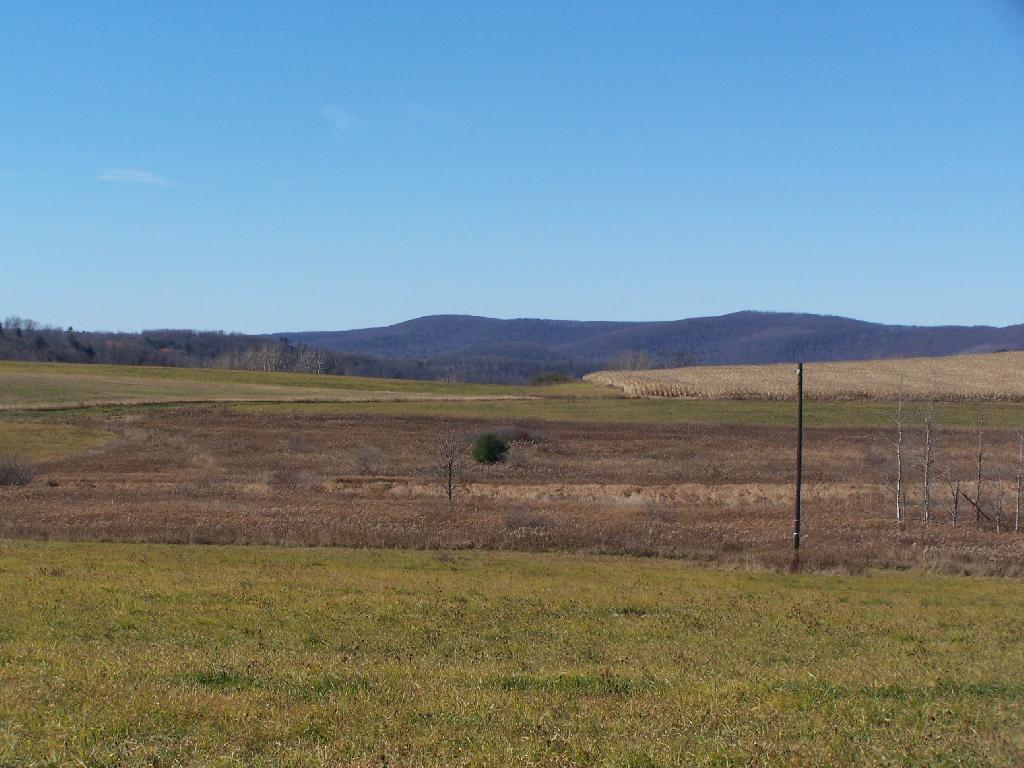
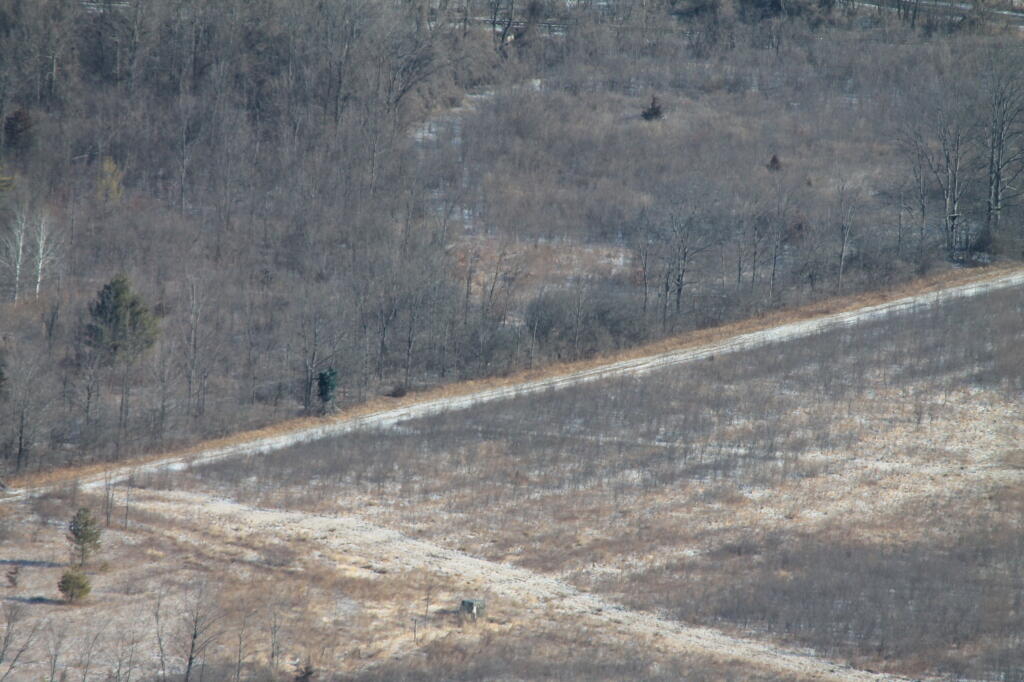
Farm Fields Above the Canyon

I could see some day moving to Pennsylvania, owning some land out in the sticks. Doing a little hobby farming, raising some cattle and chickens and other animals, have being bonfires and burning whatever I want. Owning lots of guns, having a big pickup truck, a quad, and all of other toys of the good rural life. Taxes are lower in Pennsylvania. A culture that isn’t so controlling of everything.

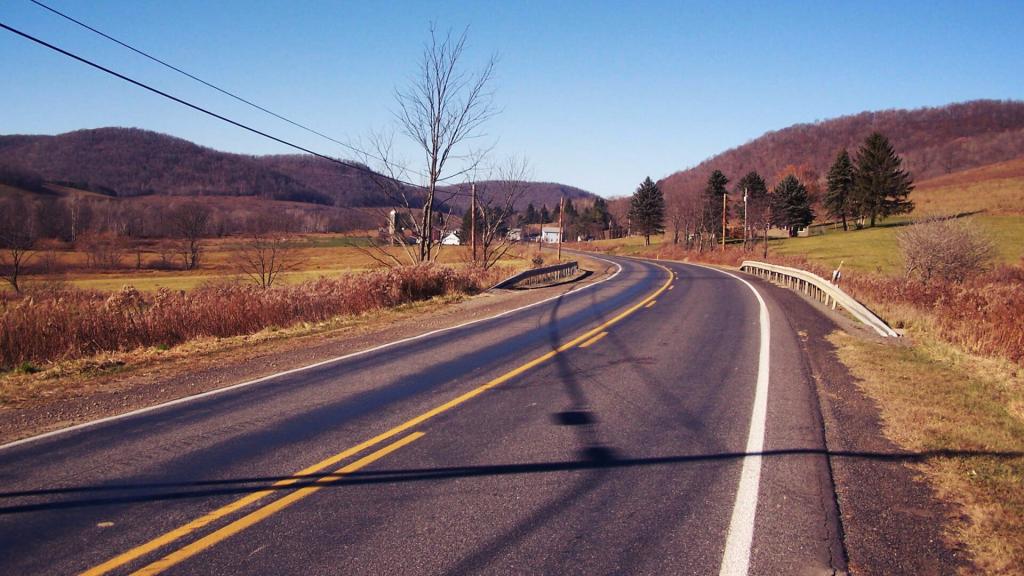
PA 155 Frame 3

The Freedom of Pennsylvania. A state I really like.

What is a Primitive Tent Site?

The Adirondack Park State Land Master Plan describes primative tent sites as follows:

25. Primitive Tent Site–a designated tent site of an undeveloped character providing space for not more than three tents, which may have an associated pit privy and fire ring, designed to accommodate a maximum of eight people on a temporary or transient basis, and located so as to accommodate the need for shelter in a manner least intrusive on the surrounding environment. (page)
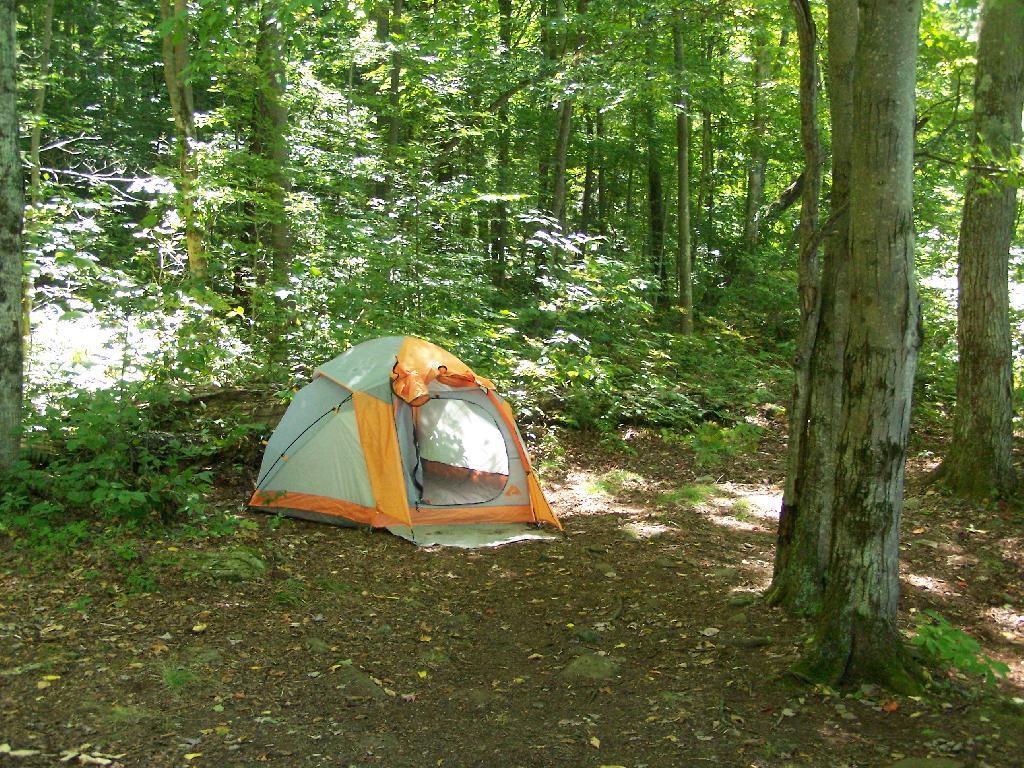
Tent

The Adirondack State Land Master Plan uses the definition of a “primitive tent site” in a wilderness area to explain campsites in wild forest.

1. All structures and improvements permitted under the guidelines covering wilderness areas will be allowed in wild forest areas. […]

Here is the wilderness “primitive tent site” regulations per the APSLMP:

1. The structures and improvements listed below will be considered as conforming to wilderness standards and their maintenance,rehabilitation and construction permitted:

— primitive tent sites below 3,500feet in elevation that are out of sight andsound and generally one-quarter mile from any other primitive tent site or lean-to:

(i) where physical and biological conditions are favorable, individual unit management plans may permit th establishment, on a site-specific basis, of primitive tent sites between 3,500 and 4,000feet in elevation, and,

(ii) where severe terrain constraints prevent the attainment of the guideline for a separation distance of generally one-quarter mile between primitive tent sites, individual unit management plans may provide, on a site-specific basis, for lesser separation distances, provided such sites remain out of sight and sound from each other, be consistent with the carrying capacity of the affected area and are generally not less than500 feet from any other primitive tent site;

Also, in wild forest, so-called groups of primitive campsites are allowed:

Small groupings of primitive tent sites designed to accommodate a maximum of 20people per grouping under group camping conditions may be provided at carefully selected locations in wild forest areas, even though each individual site may be within sight or sound and less than approximately one-quarter mile from any other site within such grouping, subject to the following criteria:

— such groupings will only be established or maintained on a site specific basis in conformity with a duly adopted unit management plan for the wild forest area in question;

— such groupings will be widely dispersed (generally a mile apart) and located in a manner that will blend with the surrounding environment and have a minimum impact on the wild forestcharacter and natural resource quality of thearea;

— all new, reconstructed or relocated tent sites in such groupings will beset back a minimum of 100 feet from themean high water mark of lakes, ponds,rivers and major streams and will be located so as to be reasonably screened from the water body to avoid intruding on the natural character of the shoreline and the public enjoyment and use thereof.
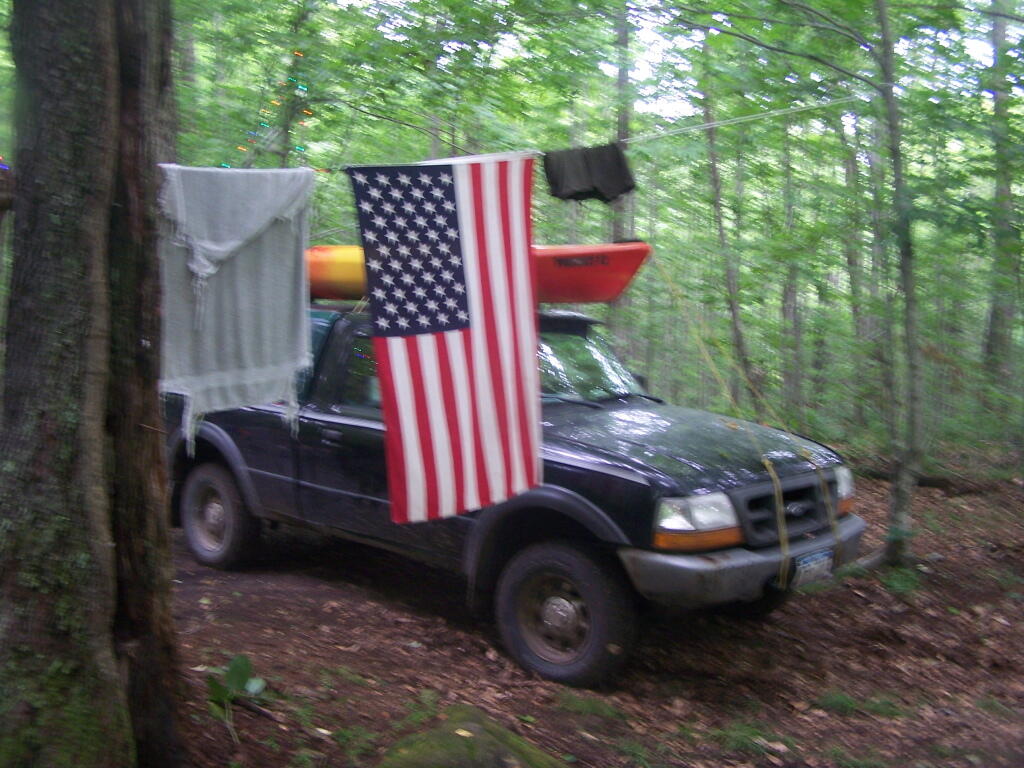
Roadside Camping at Site 5

Despite threats from PROTECT! and Residents Committee to Protect the Adirondacks, the Adirondack State Land Master Plan has never been litigated in court, so there is no legal interpretations of the ASLMP outside what has been decided by the DEC and Adirondack Park Agency.

Many different wild forests have taken that definition to different meanings…
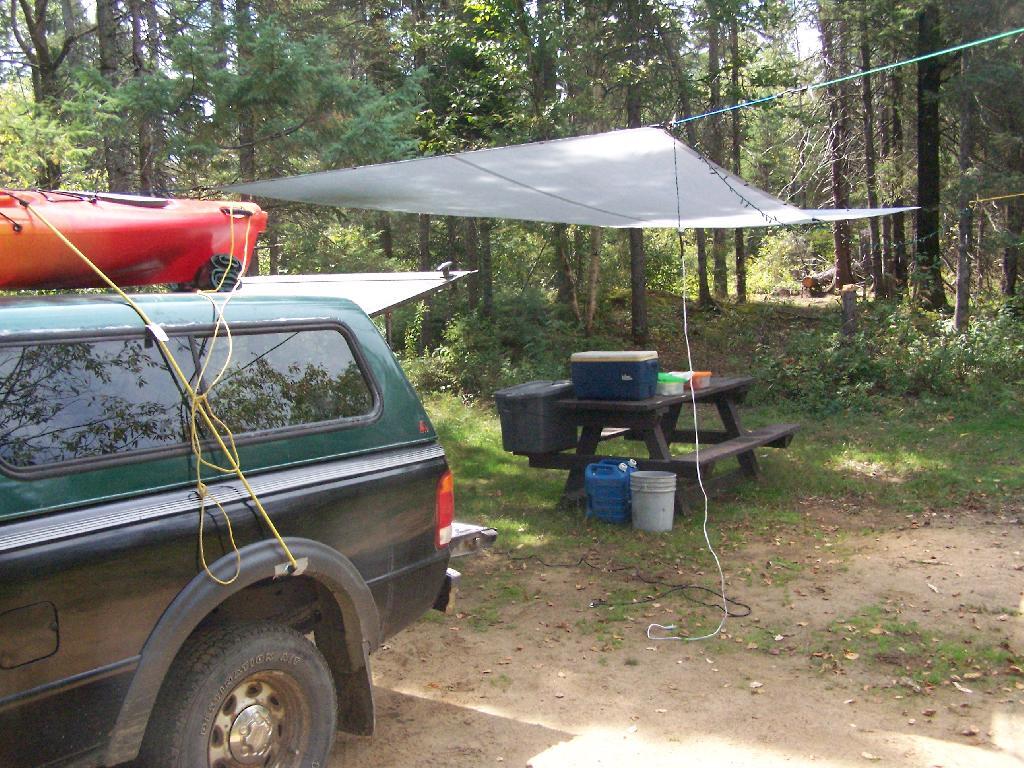
Camping at Campsite 57

Generally Open to All Campers…

At Ferris Lake Wild Forest, particularly on Piseco-Powley Road, it has been taken to mean roadside campsites, where vehicles can access, and people are free to bring in a pickup camper or recreational vehicle if they so choose. Indeed, the draft UMP and the Adirondack State Land Master Plan both mention roadside camping. The Ferris Lake UMP goes as far as to describe various sites, and how big of a vehicle can fit in individual campsites. The sites have fire rings and outhouses, which is consistent with that definition. A minority of sites also have picnic tables.

This is common in most wild forests with roadside campsites, including Black River Wild Forest (North Lake, Woodhull Lake), Debar Mountain (Mountain Pond, Jones Pond, etc.), Ferris Lake Wild Forest (Powley Road, G-Lake Road, Edick Road, Mountain Road, etc.), Moose River Plains, and Vanderwhacker Wild Forest (Moose Club Way, Northwoods Club Road, NY 28N, Cheney Pond, Blue Ridge Road), Wilcox Lake Wild Forest (NY 8, Pumpkin Hollow, Hope Falls, etc.).

Tent Site Use Only…

On the polar opposite would be Lake George Wild Forest, particularly along Darcy Clearing Road and Hogstown Road, where all of the campsites have been relocated and blocked off to prevent any vehicle use or non-tent use. The argument here is that primitive tent site must be taken literally in the dictionary sense, and that any use of vehicles, such as truck campers or recreational vehicles are inconsistent with the Adirondack Park State Land Master Plan.

Similar policies on restricting use of motor vehicles in roadside campsites exist in a minority of other wild forest campsites (like the lower portion of Harrietstown Road and Garnet Lake in Wilcox Lake Wild Forest), however the majority of forests allow some roadside campsites, with vehicle access.
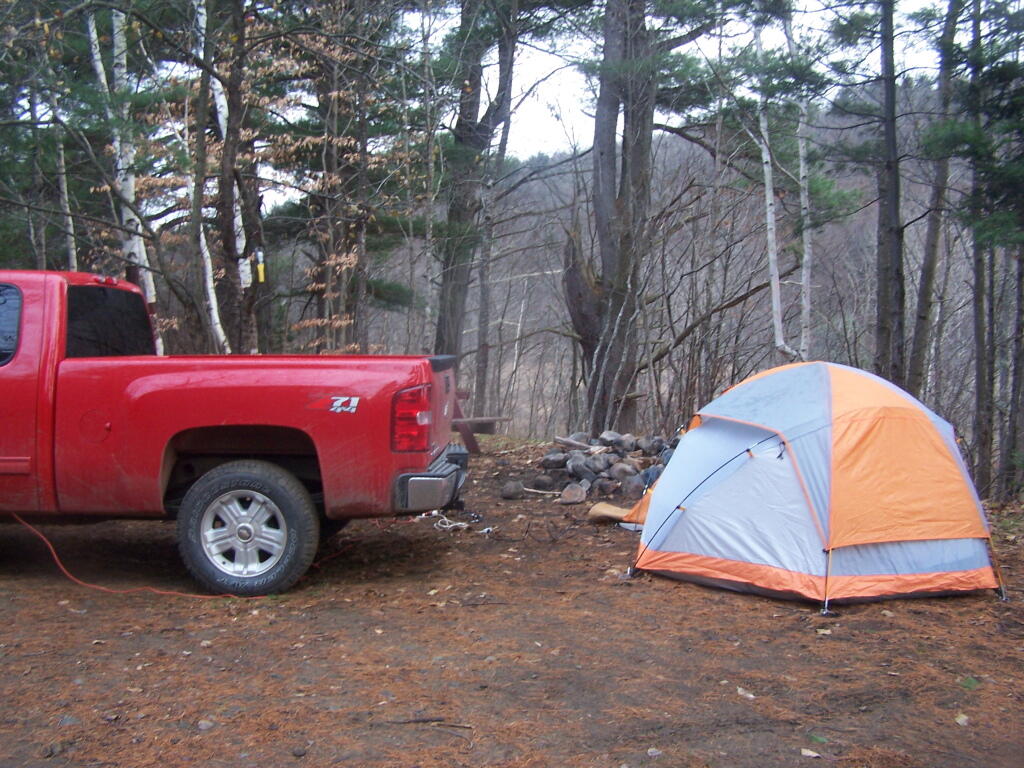
Tent Camping at Foxx Lair

History Looms Large.

But let’s be honest, most wild forests allow unrestricted roadside campsites for a variety of vehicles, including pickup campers and recreational facilities. This has been going on for over 100 years, basically as long as their has been motor vehicles in the Adirondacks, and certainly as long as recreational vehicles and truck campers have existed. Most public lands, outside of NY State also do not have much in restrictions on roadside camping.

It’s tough to take away from people what they are already granted, and enjoy, especially if the rational is limited. People enjoy roadside camping in a variety of vehicles, and in many locations. For many people, they have been coming to the backcountry for decades, parking their truck or RV, and enjoying all of the solitude and pleasure that roadside camping.


United Steaks of America map: If each state could have only one meat, what would it be?
Thematic Map: The fertile lands of the Black River Valley are Surounded by Tug Hill and Adirondacks

Is Local Government Pointless?

There are something like 965 towns, cities, and villages in NY State, along with 64 counties. All of them have elected officials, and civil servants providing mostly state and federally mandated services.

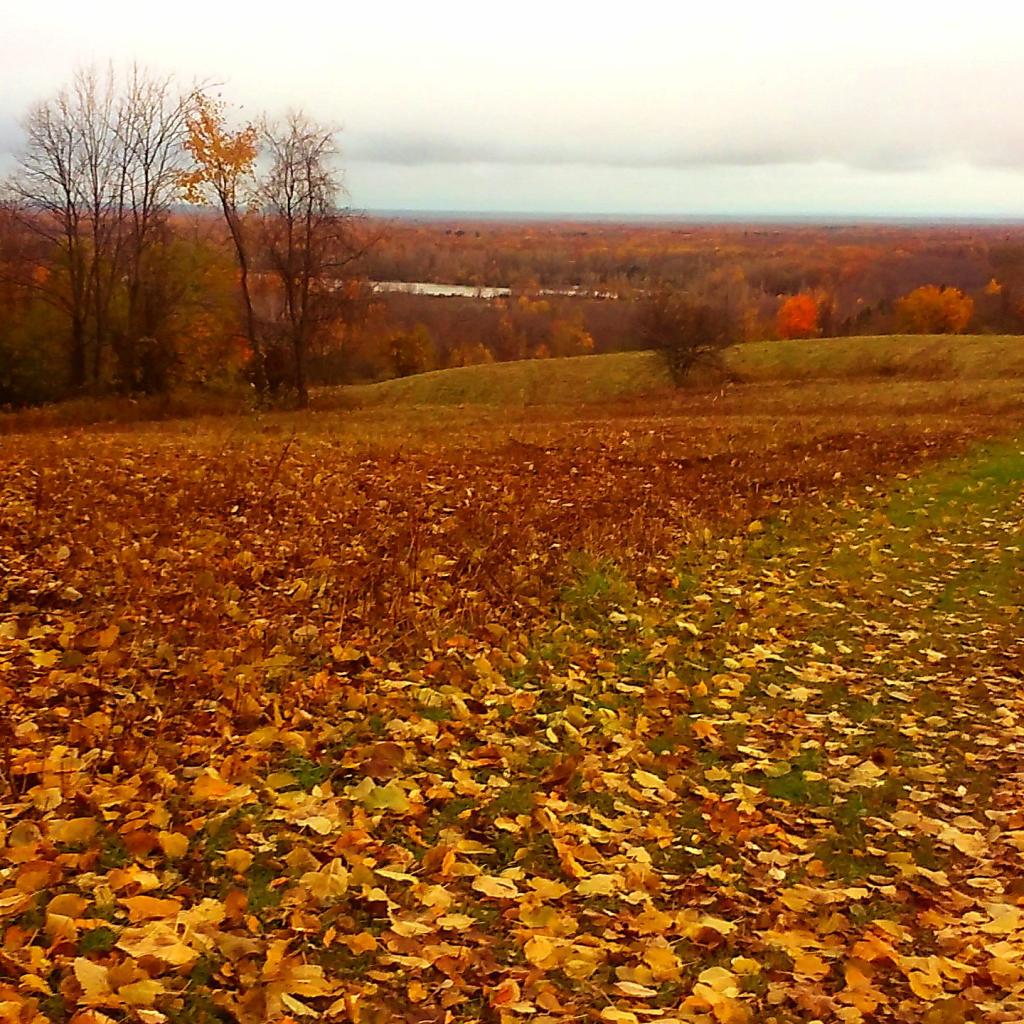
Autumn

The question is why do we even have local government anymore?

Nobody questions that the services of counties and towns are important, but in many cases they duplicate what the state currently does. Few governing decisions are made locally anymore. Most local government decisions are made with significant state involvement or influence, in the form of state regulations, state permitting, or in many cases actual laws passed by the state.

Local governments have a lot less freedom to make decisions that many pretend. All are highly dependent on state to go along with them. Most so-called local decisions are essentially decided at the state level. Local governments like to pretend they have significant control and power, but the reality is as creatures of state, and due to economic competition by surrounding towns, they are essentially powerless to decide their futures.

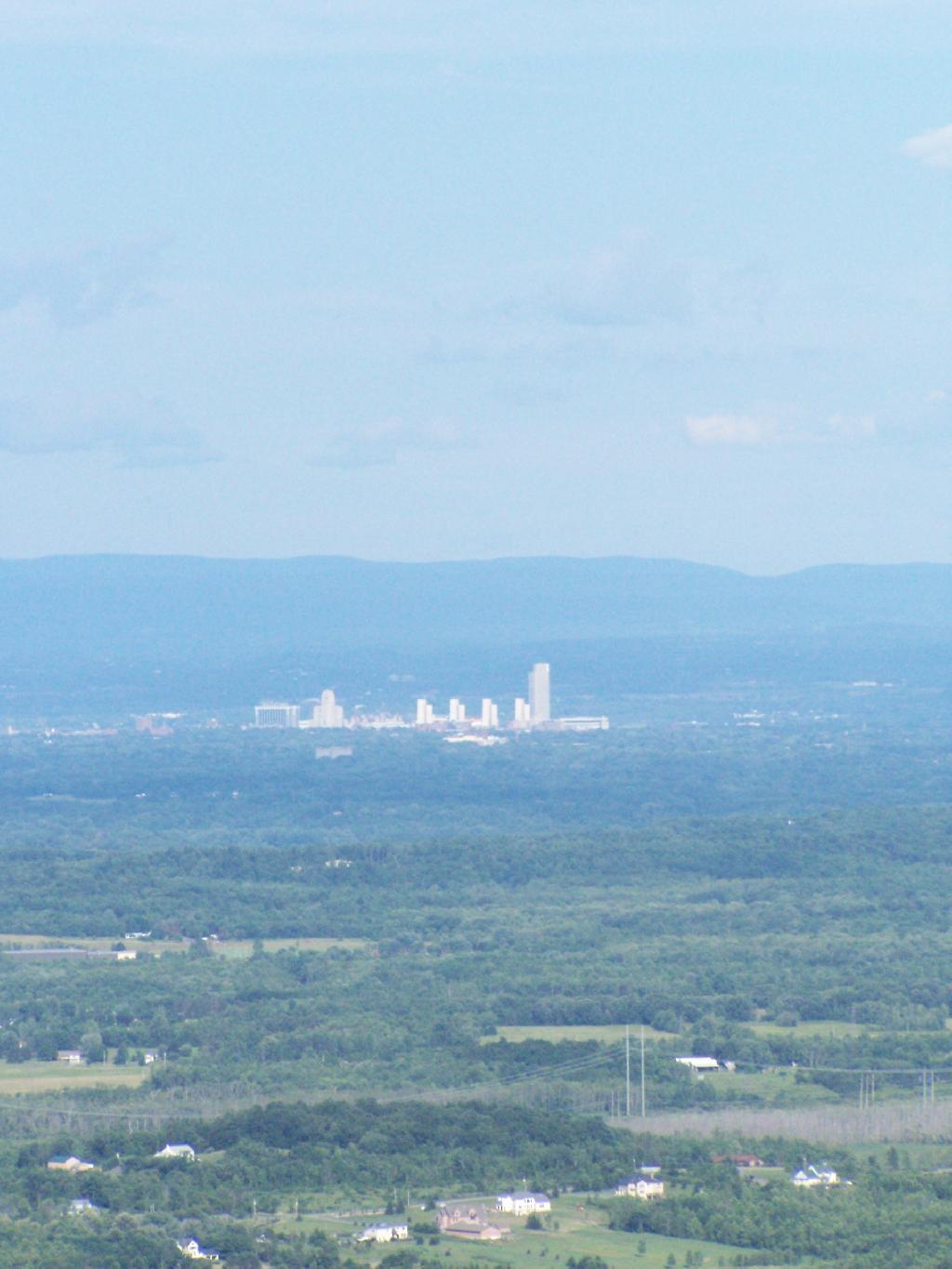
Albany in July

Local government is an idiom of an earlier era before modern communication techology, and modern transportation. Local government is from an era of horse and buggies. Local government tends to be stocked with well-connected political families and patronage. Local government tends to be totally ineffective, in an era when regional and indeed nationwide planning is needed, when any local decision can have vast impacts far beyond it’s own borders.

In a modern technocratic era, local decision making makes little sense, and squanders important public resources.

Previously Used Lands Can Revert to Wilderness

One of the claims sometimes made is that previously industrialized or man made landscapes can not ever be reversed into wilderness. It is claimed that once man touches a landscape, mines, farms, or timbers it surface, it can not ever revert back to a natural status.

Grown Up Farm Field

The reality is that is far from that.

Man made works, while remarkable, quickly start to fall down and revert back to a more natural status, quickly after abadonmnet. Certainly man is powerful, can move large mounds of earth, and bring materials from far away. Yet, as soon as man walks away, plants start to grow into cracks, water erodes roadways and causes buildings ot fall apart, and animals start to return to recolonize a land once dominated by man.

Fragmentation and private inholdings can make it more challenging for abandoned lands to revert back to wilderness. Any attempt by man to upkeep man’s works, will prolong their existence. Man can fight the natural forces through his active stewartship of his products, and through design, but he can not stop nature’s processes once underway, by simply standing on the sidelines.

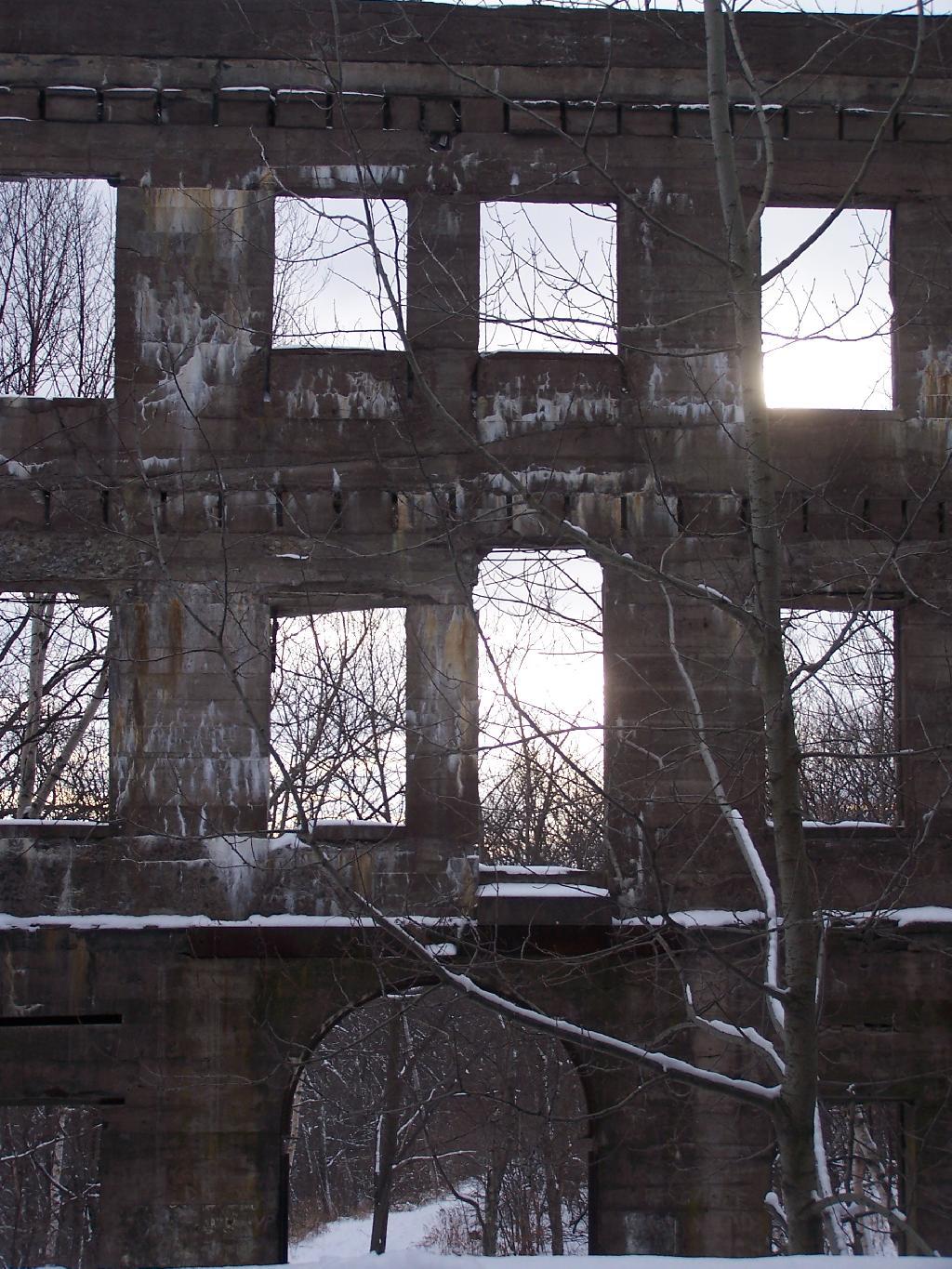
Sun Filters Through Mountain House

Buildings make take decades to fall in and rot away in soil. The lost of old growth timber might take hundreds of years to be replaced. Eroded soils, rock cuts might take thousands if not million years to be disolved back into a truly natural state. Yet, still man’s battle against wilderness is only temporary at best, for once man takes his hand of wilderness, it only starts the long path into wildness once again.

What are Alienations and Non-Alienations of Parkland?

As all park land (including local parks, county parks, state forests and forest preserve) in NY State belong to all of the people, it is important that they remain in the hands of the people, for all to use and enjoy for all times. Only under specific circumstances can government take park land away from the people, and when they do, they must always replace it with some of comparable or greater value.

Today’s fodder is an excerpt from the Alienation Handbook put out by Office of Parks, Recreation, and Historic Preservation.

Hikers Enjoy the Purty Lake

The following have been determined by the courts to be alienations:

  • The conveyance, sale, or lease of municipal parkland or recreational facilities to another entity, such as an adjoining property owner, a developer, or a school district, which results in the facility no longer being used for public park and recreation purposes.
  • The lease of municipal park or recreational facilities even though the resource may continue to be used for public park and recreational purposes.
  • The use of parkland by a municipality for a non-park purpose, such as for a water filtration facility, a landfill, a museum, senior housing, temporary parking of police or municipal vehicles, or street construction.
  • Restricting to local residents the use of recreational facilities that had previously been open to all persons.
  • Failure to keep a public park or recreational facility equally open to the public. A public park or recreational facility must be open to the public on an equitable basis. Where availability of public facilities is limited, such as with ball fields or marina berths, the use of facilities should be determined by some method which gives everyone the same opportunity for access, such as assignment on a “first-come, first-served” basis, or by using a lottery system.

North East

These are considered to be non-alienations:

  • The construction and subsequent issuance of a revocable license for the operation of a park facility such as a cafe, snack bar, parking, or for a boat rental service which serves park patrons in connection with their use of the park.
  • A revocable permit for the use of park facilities for a special program or function, such as an arts and crafts fair, or a permit of greater duration for the temporary use of park facilities which are not otherwise being used by the public. The permit should contain a provision that it may be revoked at-will by the municipality. A temporary use should not be allowed to lapse into a permanent one.
  • The operation of a public park or recreational facility by a private concern. A public park and recreational facility need not be operated by a public entity, but may be a facility operated by a private, profit-making concern on behalf of a municipality under a lease or license agreement. To remain a public facility, the agreement must serve a public purpose, and must not result in exclusively private use. Also, the use must be one that is compatible and appropriate for the park or recreational area in question.
  • Charging ìuse fees, as long as they are reasonable and non-discriminatory. Where use fees are charged, whether by a public or private operator, they should not be in excess of those charged for comparable facilities in the area. A municipality may charge persons who are not residents of the community higher fees than it charges to residents, but case law suggests that non-resident fees should not substantially exceed the comparable fees assessed to residents.
Map: Green Mountain National Forest North
Map: Green Mountain National Forest South