
Day: May 19, 2026💾

🗺️ Maps 🖼️ Photos
Map: Green Mountain National Forest North
Map: Shindagin Hollow State Forest Ortho

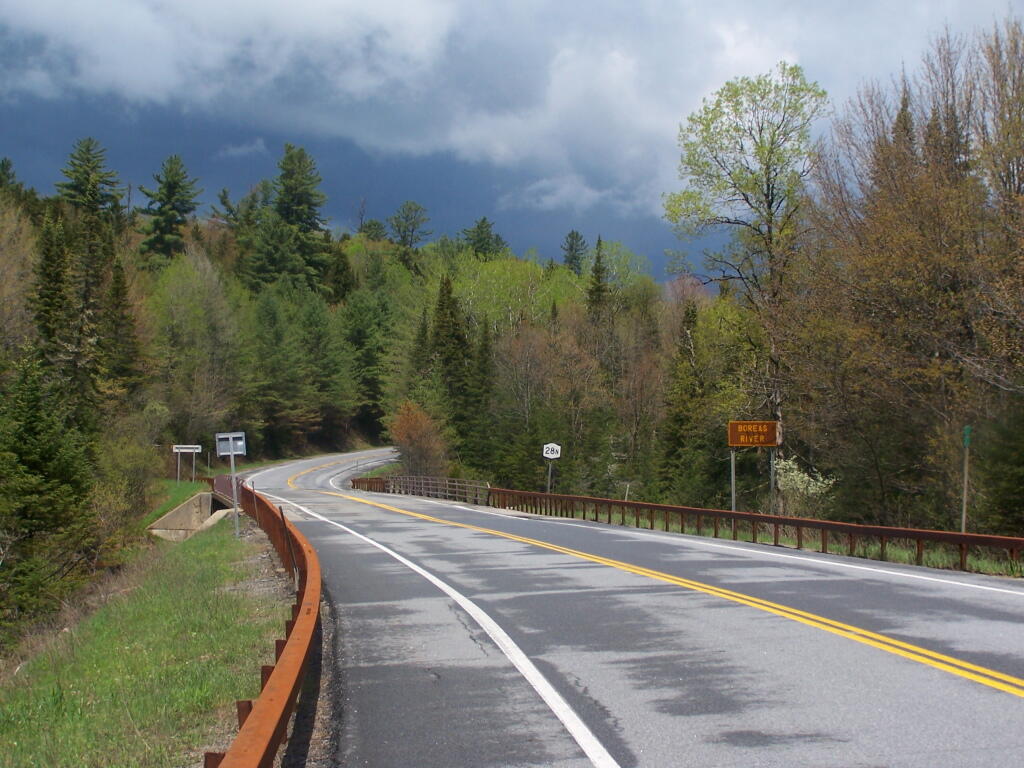
NY 28N Over Boreas River

Those clouds look scary, although we got no more rain for the rest of the day. Also, notice the beautiful COR-TEN guard rail, which is rapidly becoming an endangered species, as the DOT is going back to stainless. Maybe at specifically scenic locations, like here, they will choose painted stainless guard rail, as used on the bridge rails here (but not the guardrail).

Saturday May 21, 2011 — Vanderwhacker Mountain Wild ForestBig Pond Trail 🗺Boreas Railroad - Moose Club Way To Northwoods Club Road 🗺Boreas River 🗺Bullet Pond And Horseshoe Pond 🗺Roosevelt Truck Trail 🗺Stony Pond 🗺Vanderwhacker Firetower Trail 🗺Vanderwhacker Road Campsites 🗺Wolf Pond Trail 🗺Wolf Pond Trail Ortho 🗺PDF with All Maps 📚
Map: Cascade Lake

Navigating anticipatory grief

I go out to visit my parents nearly every Sunday. Most of the time the meal time goes well, but I am constantly reminded that this might be our last time together. Indeed, navigating anticipatory grief involves a delicate balance of acknowledging your future loss while remaining fully anchored in the present moments you still have. It is a common experience when caring for aging parents, and acknowledging that these feelings are a normal part of the process is often the first step toward healing. 

Strategies for the Present Moment

Focusing on the present can help alleviate anxiety about the future and allow you to cherish your remaining time. 

  • Sensory Grounding: During your Sunday dinners, intentionally notice five things you see, four things you can touch, three things you can hear, two things you can smell, and one thing you can taste.
  • Memory Banking: Consciously “record” details about your time together, such as your parents’ laughter or the specific way they tell a story.
  • Heartfelt Connection: Use this time to engage in activities you both enjoy, share stories, and explicitly express your love and gratitude. This can help achieve a sense of closure even while they are still here. 

Managing Emotional Weight

Grief is exhausting, and it is vital to manage how you process it so it doesn’t overwhelm your daily life. 

  • Grieve in Small Doses: Psychologists recommend “confronting and restoring”—spending some time with your grief and then intentionally shifting your mental energy to other things to give yourself a respite.
  • Acknowledge All Emotions: Give yourself permission to feel whatever arises—sadness, anger, fear, or even relief. Your sadness is valid even before the actual loss.
  • Creative Outlets: Journaling, art, or recording voice memos can help you express heavy thoughts without needing to explain them to anyone else. 

Building a Support System

You do not have to carry this burden alone. 

  • Honest Communication: Speak honestly with someone you trust, such as a close friend, sibling, or spiritual advisor. Sometimes simply stating “I’m already grieving” can soften the weight.
  • Professional Guidance: If the feelings become overwhelming, a counselor or therapist can provide specific coping strategies and a safe space to talk.
  • Caregiver Support Groups: Connecting with others who share this lived experience can reduce feelings of isolation. 

Prioritizing Personal Well-being

Caring for yourself is essential to ensure you have the emotional capacity to support your parents. 

  • Foundational Self-Care: Maintain a healthy diet, stay hydrated, and ensure you get enough sleep.
  • Physical Activity: Regular exercise, even a walk through a park, can help reduce stress and improve your mood.
  • Routine and Stability: Creating a consistent daily routine can help you feel more grounded during uncertain times. 
Map: Green Mountain National Forest North
Map: Green Mountain National Forest South