truck camping

Lighting & Appliances

This is third in a series. First read about generating power using the inverter.

Lighting System Wiring.

For wiring in my system, I use two sets of surge strips. One is plugged in the cab of the truck, directly to the inverter. This is used for charger and cords I want in the cab. When parked and camping, I then use a 12 foot extension cord / lead lamp cord, to run power out to the bed. There is another surge strip plugged in there. From there, is were I plug in all the appliances to the bed, along with the two other lead lamps that I use when camping.
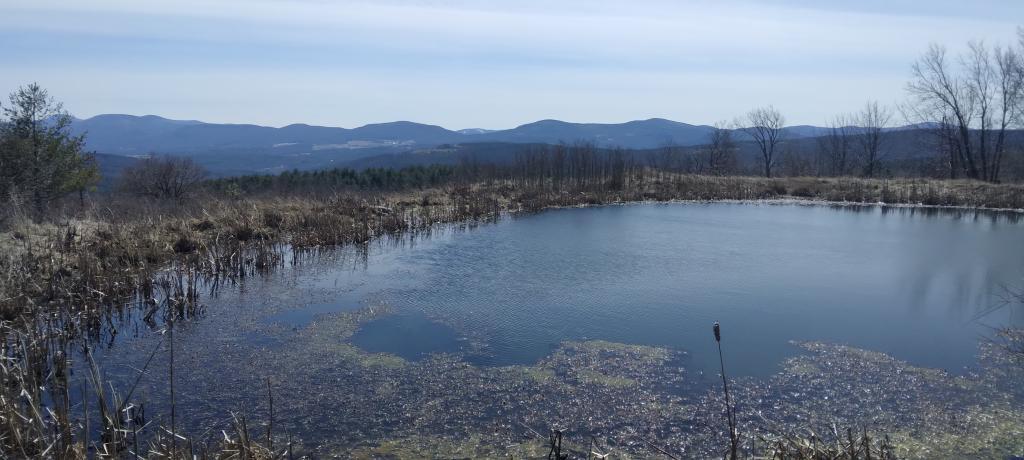
Hillcross Farm Parcel now posted as State Forest

Compact Florescent:
My Set Up & What You Need to Know.

Whether or not you believe in global warming or the price of your utility bill, compact fluorescent are a technology you want to embrace when truck camping. Truck battery technology — whether or not you have a deep cycle or starting battery is limited in the amount of current it can retrieve, prior to requiring you to start up the truck and generate more current.

Low-cost, high-efficiency compact florescent lighting (CFL) is the most important invention when it comes to truck camping. You can get a lot of light on your campsite using CFL technology, with minimal battery drain. For example conventional incandescent bulbs versus florescent lighting:

  • 40 watt incandescent = 9 watt florescent
  • (50 watt incandescent estimated output of camp lantern)
  • 60 watt incandescent = 12 watt florescent
  • 100 watt incandescent = 24 watt florescent

You can therefore, produce a lot of light using compact florescent lamps compared to camp lanterns. You can have the best lit campsite around town! I swear any time I camp at Moose River Plains, people wonder why my campsite has so much light.
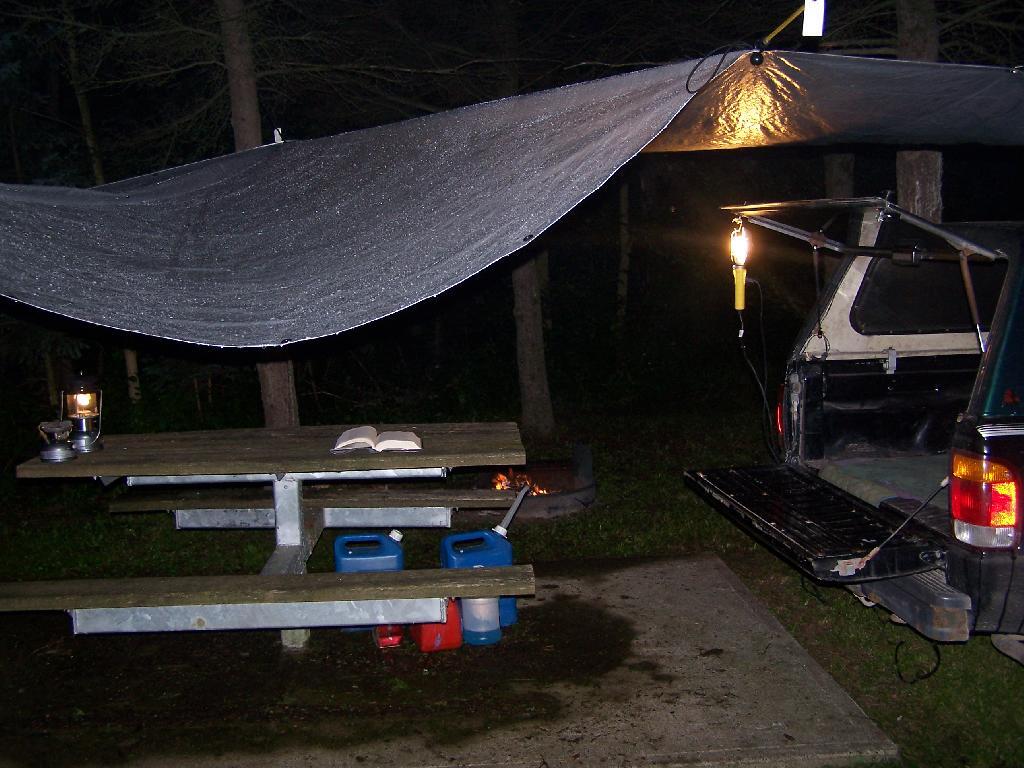
Reading in the Rain

I typically use two lead lamps I bought at home depot for $9 with 24 watt florescent bulbs. The fixtures are rated for 75 watt incandescent bulbs, but with the cooler and lower energy consuming florescent bulbs, you can get more light output out of these fixtures then you normally would. Moreover, your saving your battery by the lower electricity consumption.

For inside the truck cap, I use a desk/reading lamp outfitted with a 9-watt compact florescent light. I have used bigger lamps, but under in the intimate space of the truck cap, you don’t need more light for reading other activities. Why waste energy, that you can conserve, and avoid having to start the pickup on up?
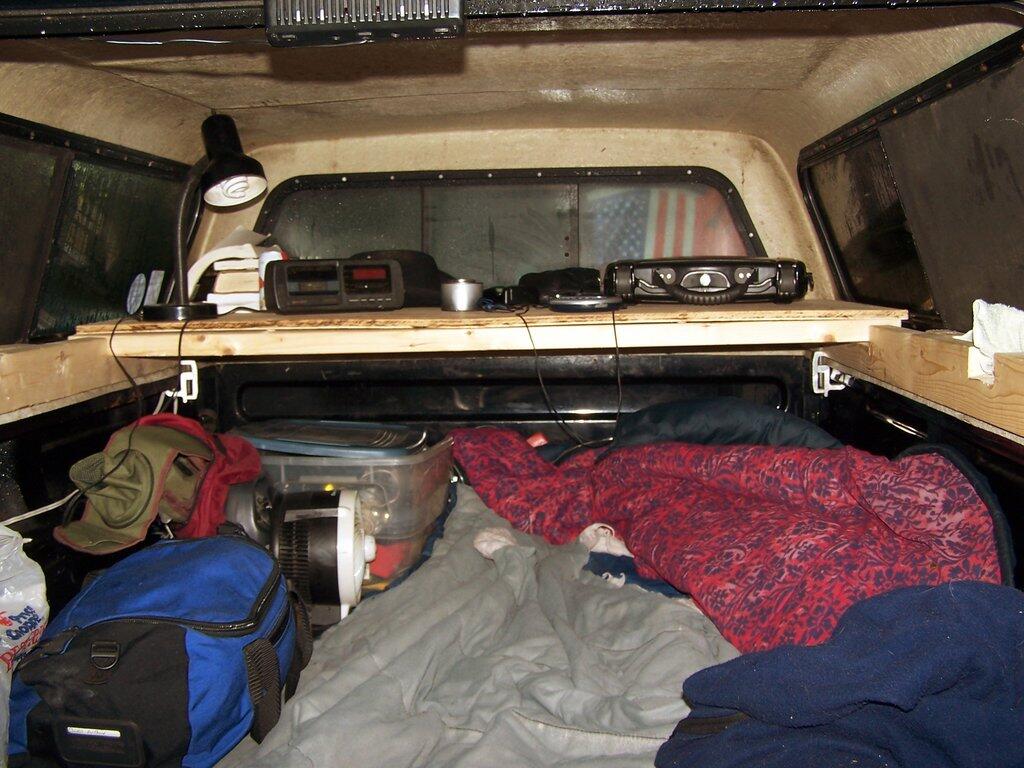
Camp Cowboy

Other Electrical Appliances.

When I’m camping, I always bring a portable (desk) fan, a clock radio/alarm clock. I also often bring my laptop, charger, along with chargers for things like my mp3 player, cell phone, and portable weather radio. I could also bring more devices, and indeed I have plenty of current with an 800 watt inverter (remember 742 watts = 1 horsepower) to power almost anything within reason I could bring camping.
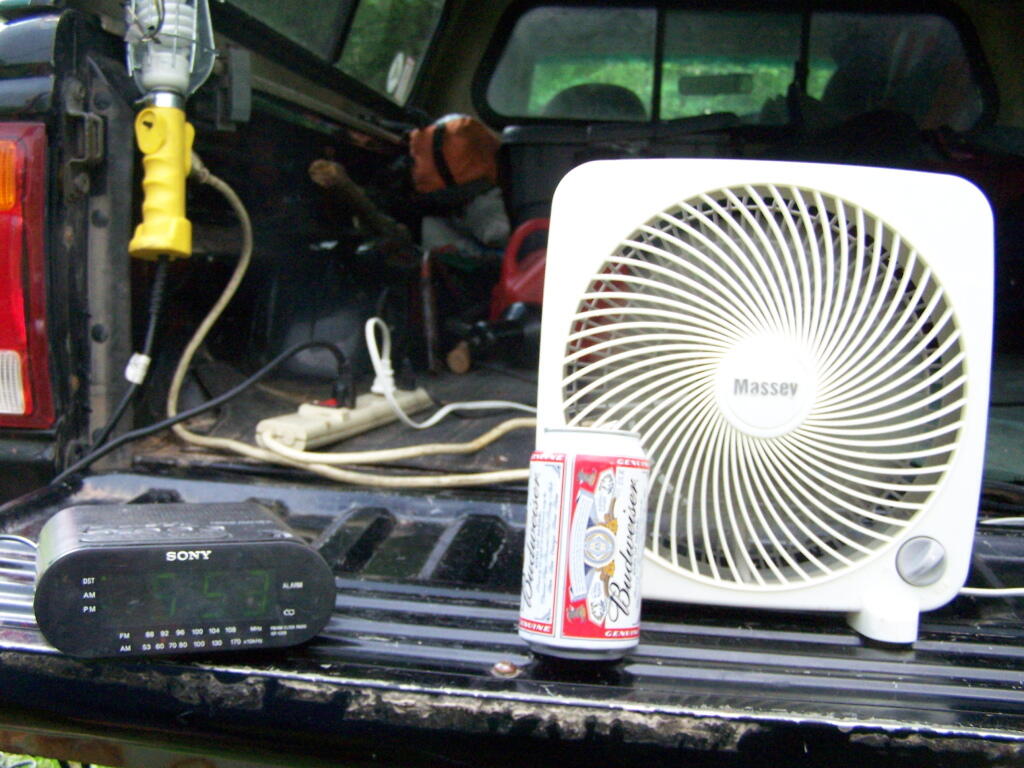
Afternoon

The Truck Radio:
One Other Appliance Not to Forget.

While the truck’s radio is built into the truck, it can be a great source of entertainment. Just roll down the windows, and crank up the tunes up! Be aware however that the radio uses a lot of electricity compared many of the appliances you might plug into your inverter.

ou might find it more energy efficient (meaning less idling the truck), if you get a portable boombox that you can plug into the truck. Many use a lot less wattage then a conventional car radio, and you can direct the sound where you want.

SVGZ Graphic: States Ranked by Happiness
SVGZ Graphic: Depression Levels in States Since 2021

Camping at Horseshoe Lake, Aug 12

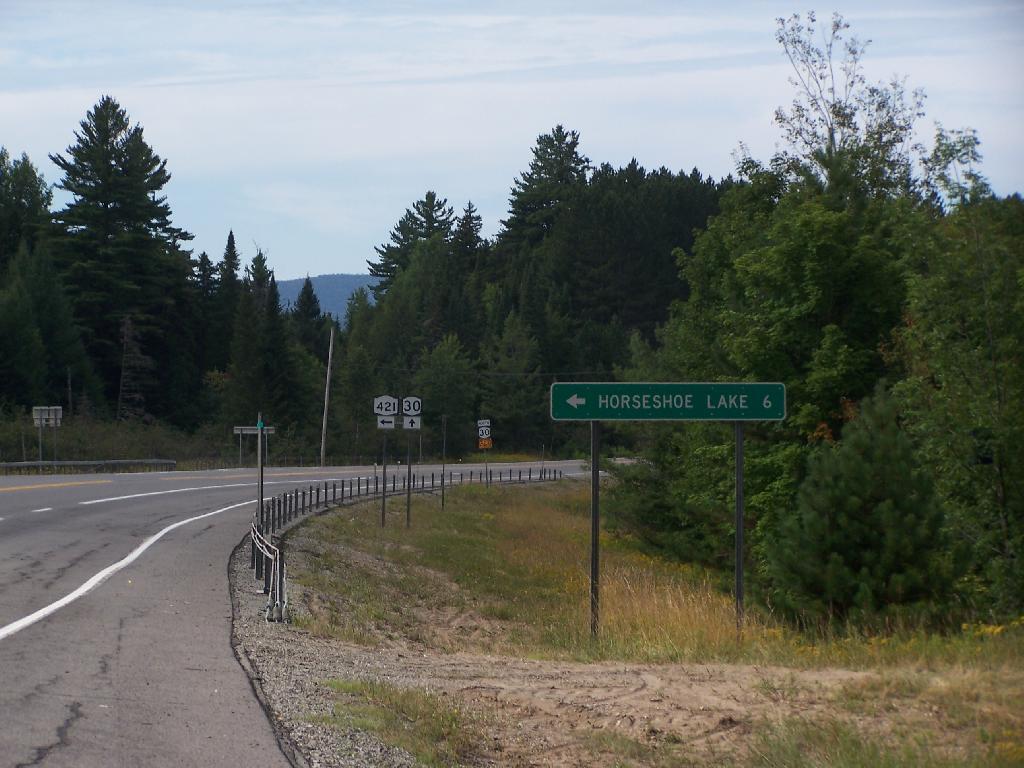
Horseshoe Lake is located on South Eastern Saint Lawrence County, on a dead end state highway, NY 421, a spur from NY 30 South of Tupper Lake. It offers 6 campsites scattered along the lake, with 6 others on nearby roads. It is also near the Bog River Flow Canoe/Kayak Area. Don’t expect to get a campsite on the lake in the afternoon, but the sites along the truck trail are rarely used.

Six Miles to Horseshoe Lake. This is the turn off for NY 421, one of the strangest state highways in the state. It is a dead ended highway, that leads to gravel roads around Horseshoe Lake and Bog River Flow. It is very twisty and narrow, and portions have not been resurfaced in over 50 years.

Six Miles to Horseshoe Lake

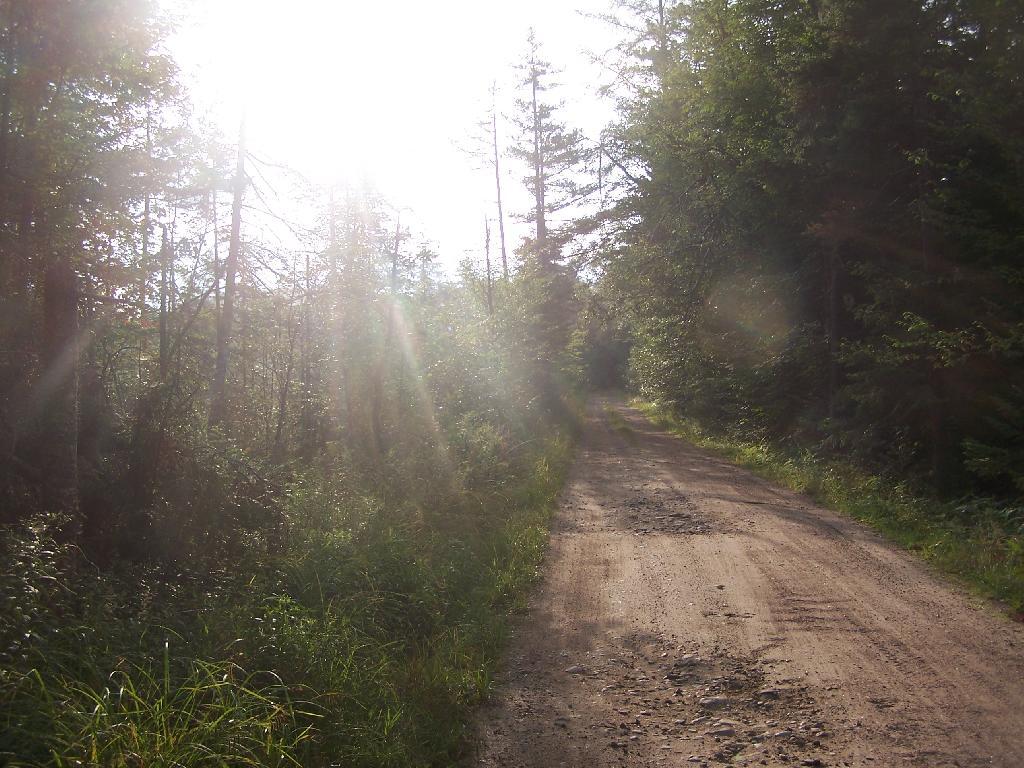
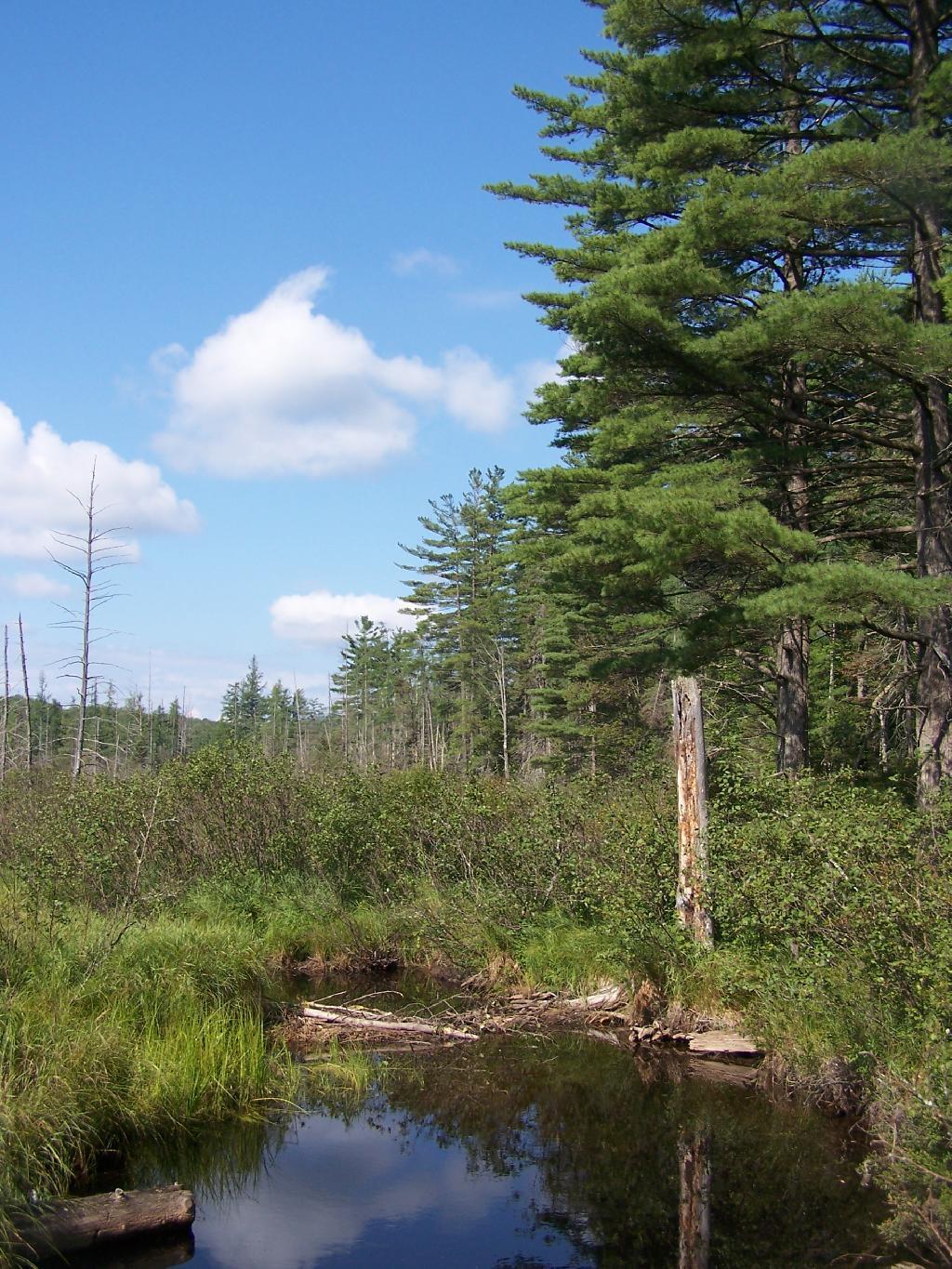
After The Pavement Runs Out. About a two miles from the paved end of NY 421, I camped. This is first thing in the morning, with the sun shining down from the wetlands near where I camped.

After The Pavement Runs Out

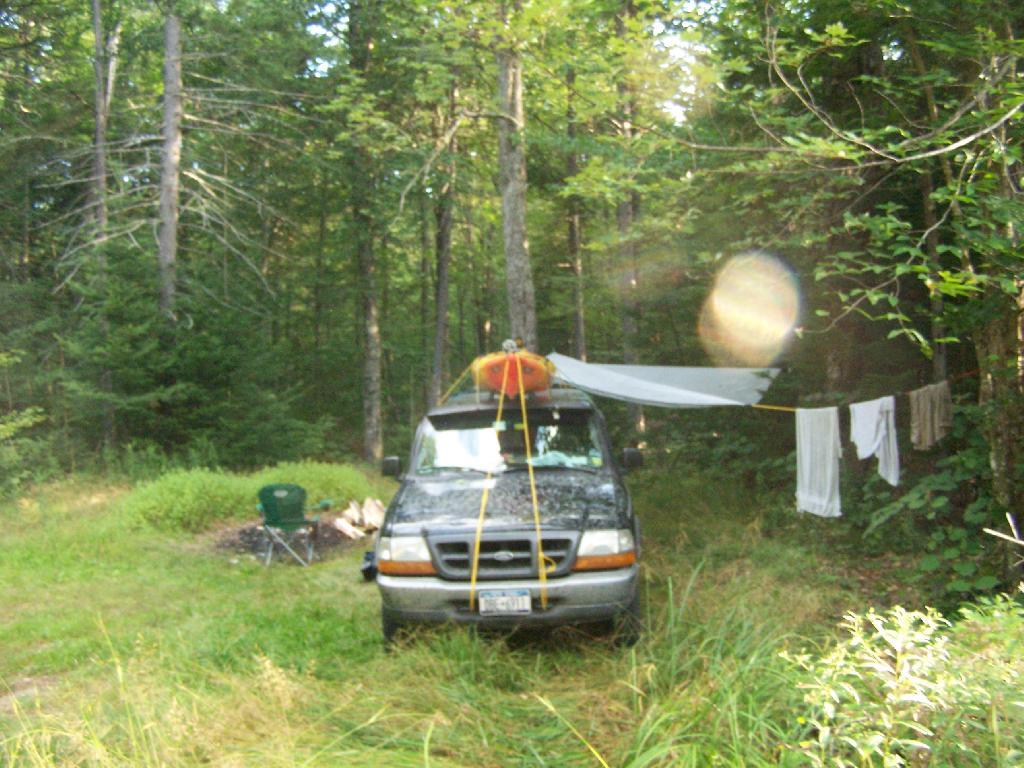
Campsite No 9. This is Campsite No 9 at Horseshoe Lake, on an Unnamed Adirondack Park Road, about two miles from the end of NY 421/Paved. I could not get site on the lake, arriving at 5 PM at night, but it’s still a nice campsite. This area of Saint Lawrence County is so remote, only 2 big pickup trucks, and logging truck passed by in the 12 or so hours I was there.

Campsite No 9

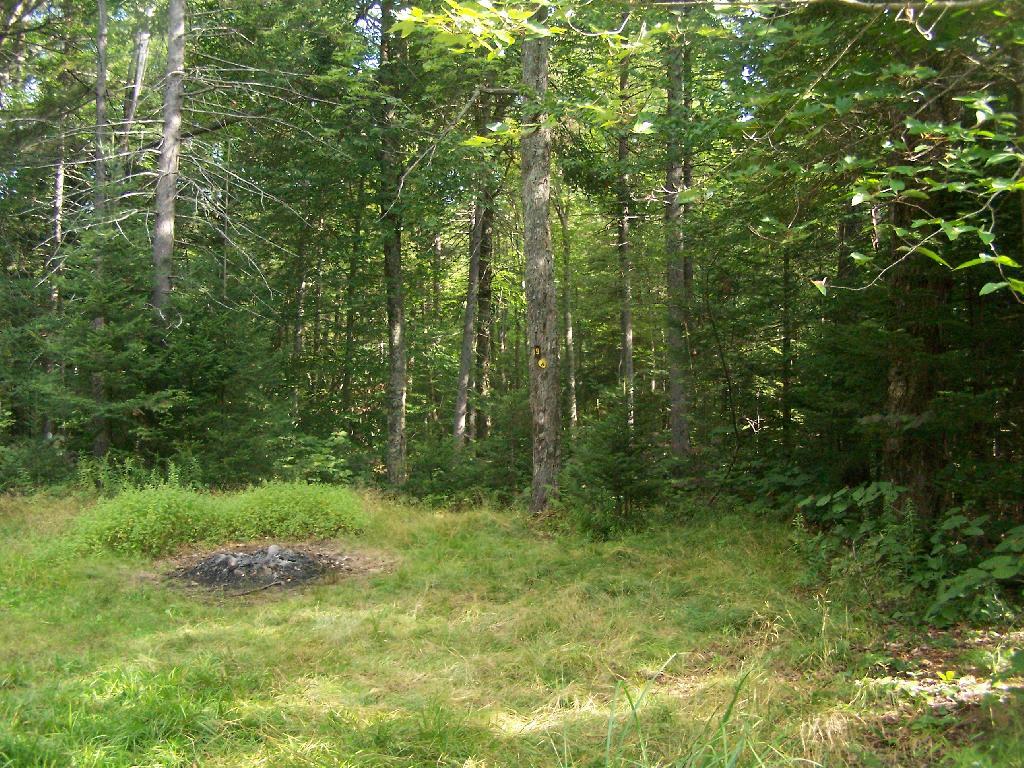
Not Fancy Campsite. By no means was Campsite No 9 on the Unnamed Road, particularly fancy. But it provided a place to camp, and was a three minute drive down to the lake. I could have gotten a spot on Horseshoe Lake most likely had I arrived in the morning, as it seemed like campsites tended to clear out in the morning.

Not Fancy Campsite

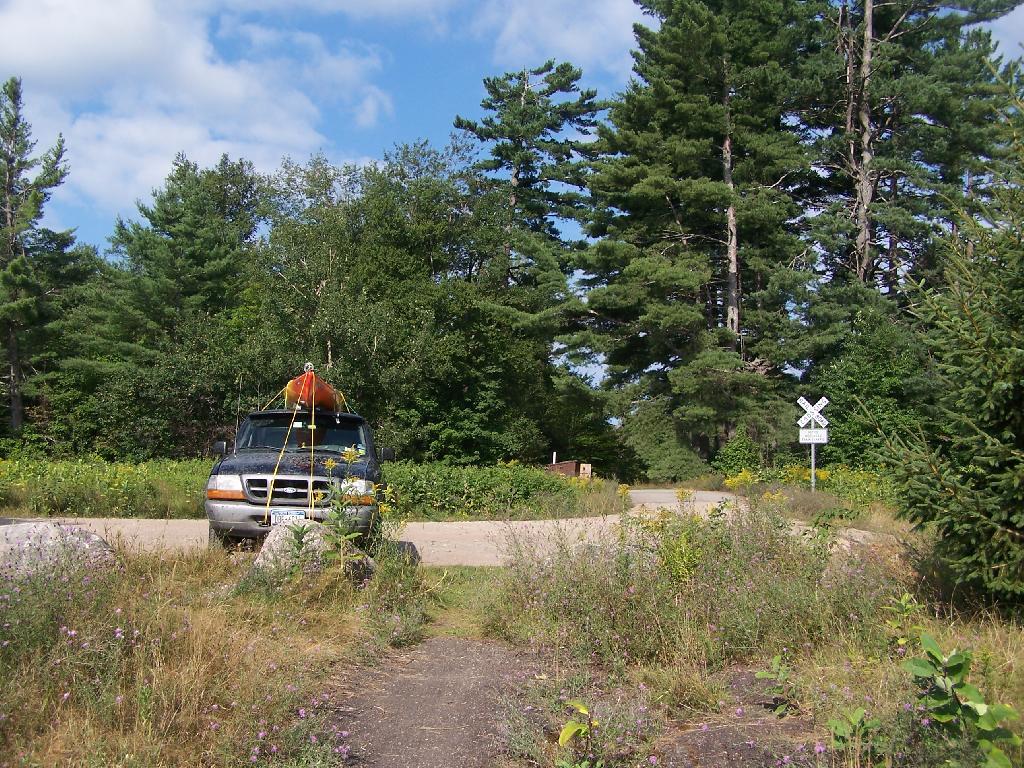
Road Crosses Railroad Tracks. This is where the weird hair-pin turn appears on maps at the end of NY 421. I’m not sure why it follows this route, as the terrain is flat, but maybe at one time there was an inholding or private home located in here.

Road Crosses Railroad Tracks

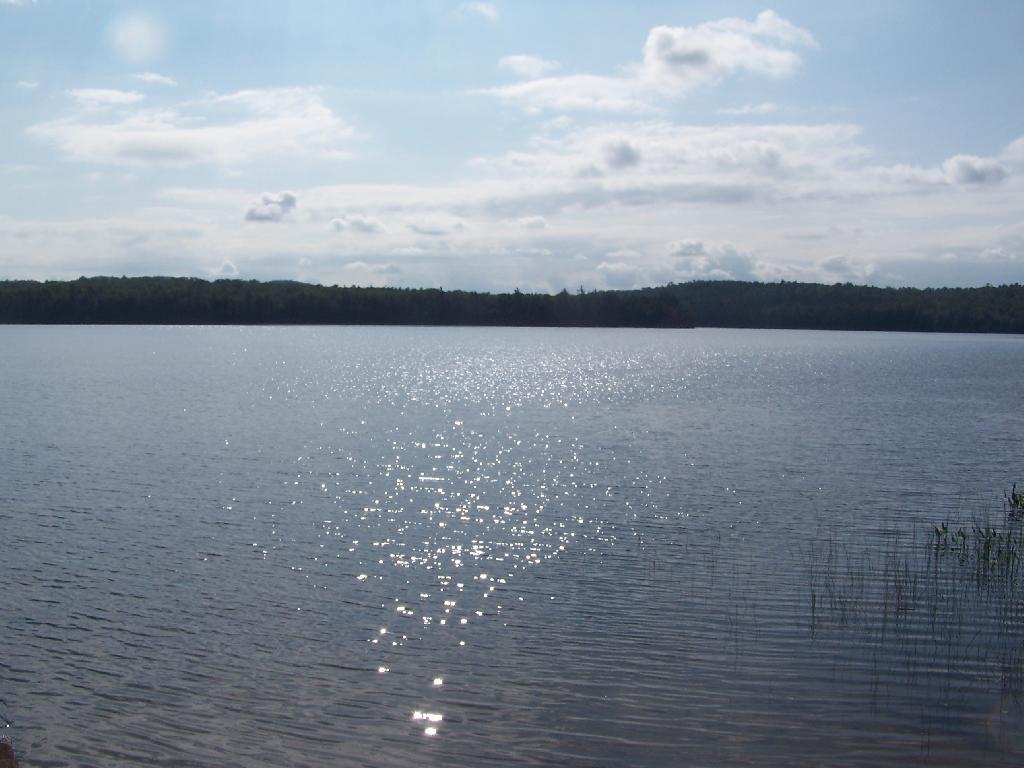
Horseshoe Lake in Morning. Heading swimming in a couple of minutes. The water was real nice.

Horseshoe Lake in Morning

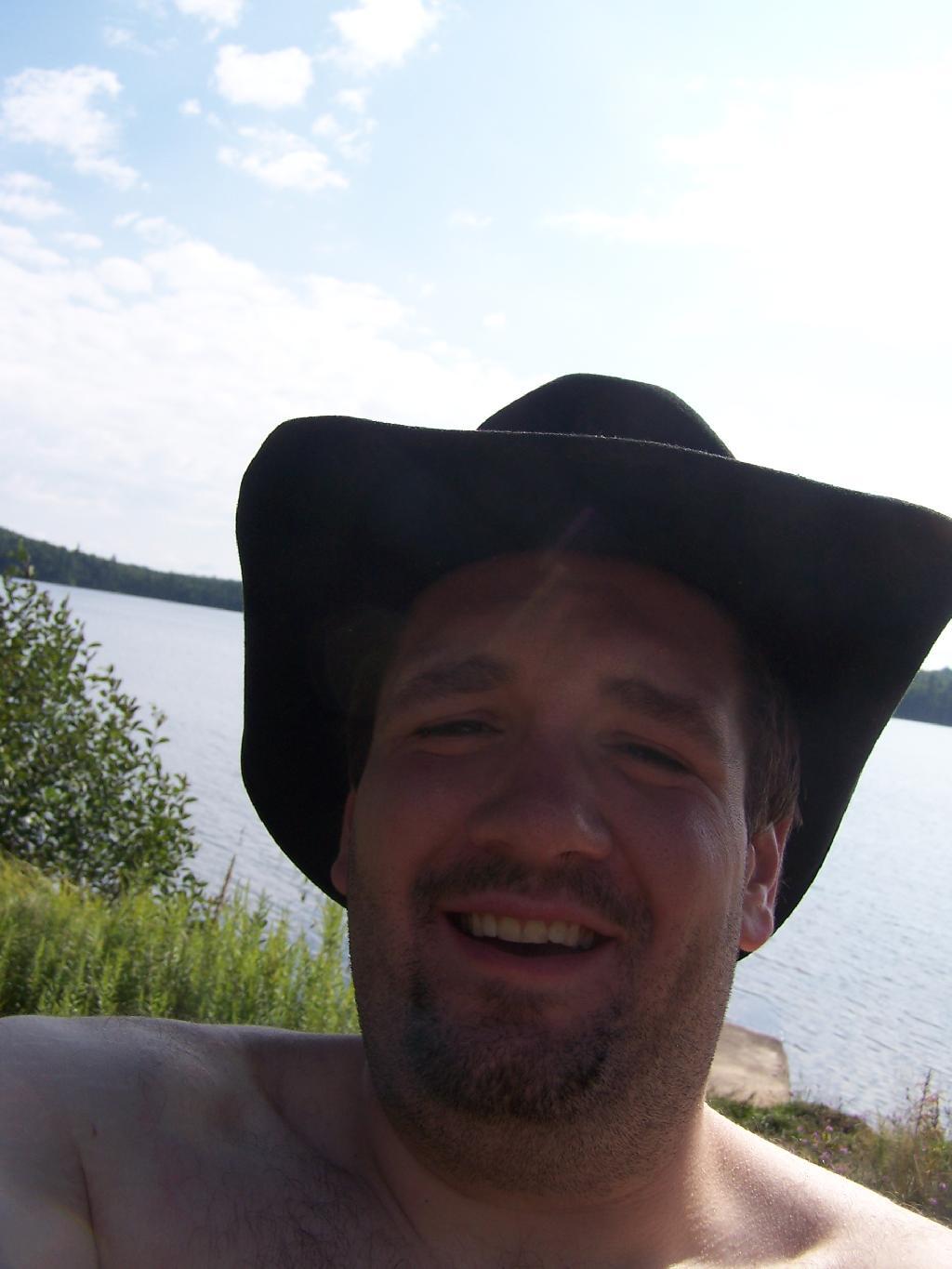
Cowboy Hat, Swimming Trunks, Work Boots. Not that you could get the total picture from this image. But the cowboy hat and work boots came off before the dip. A real country boy thing.

Cowboy Hat, Swimming Trunks, Work Boots.

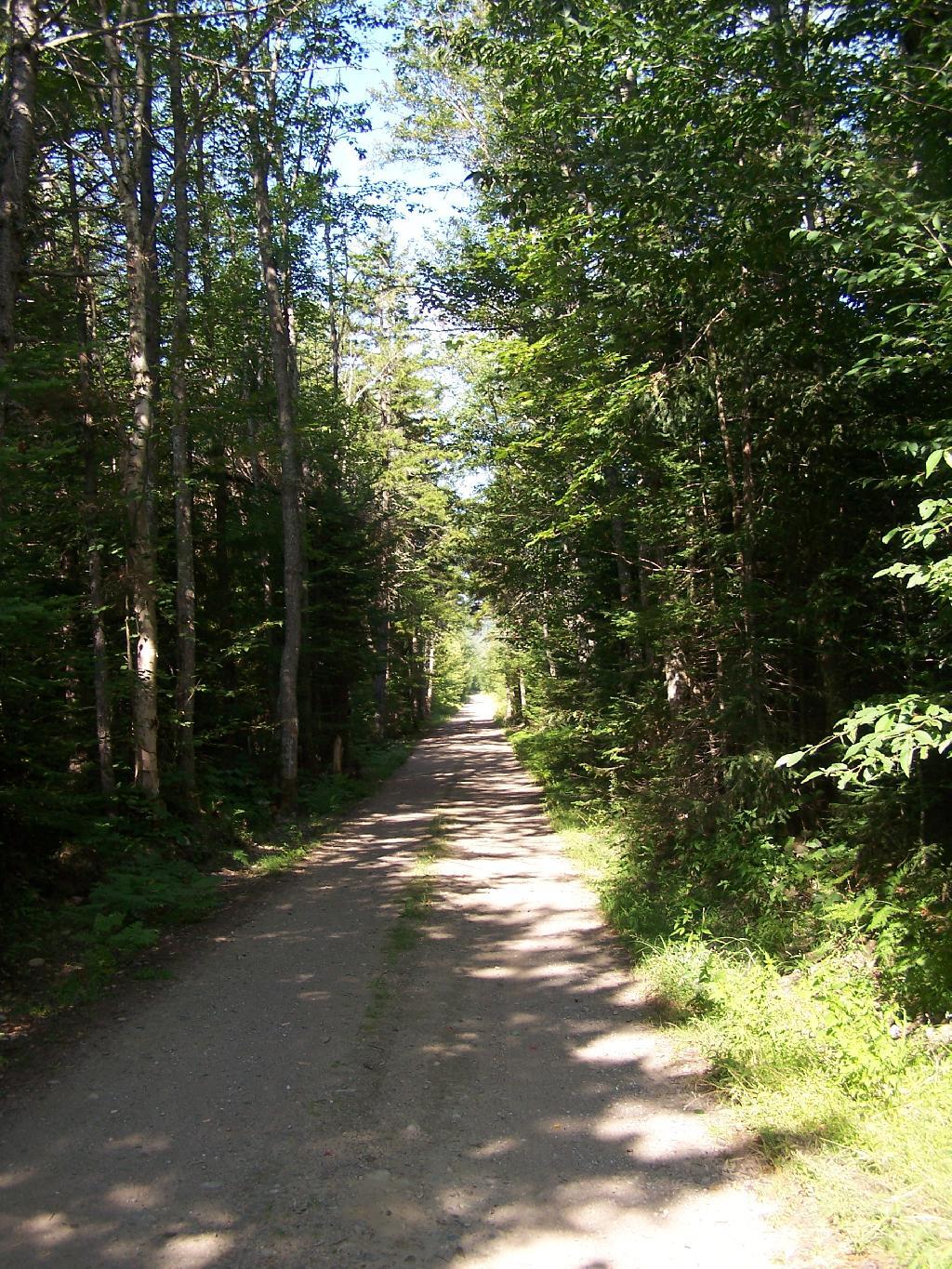
Unnamed Dirt Road. This is the road that goes from Horseshoe Lake to Mount Arab / Piercefield.

Unnamed Dirt Road

Wetlands Along Horseshoe Lake. This is about a mile after the pavement runs out on NY 421, just after the Bog River Flow / Lower Lows Dam Road turn-off

Wetlands Along Horseshoe Lake

Here is a map of where I camped, on the truck trail, west of Horseshoe Lake.


View Larger Map

Map: Chittening Pond Fishing Area
Map: Wakely Mountain

The Sound of Rain on the Truck Cap

I normally am not a fan of rain when I am camping. I don’t like getting wet, and rain can put a damper in plans to go hiking. I worry about rain washing out the roads, or making the mud so deep and slippery the roads become impassable and I’m stuck on whatever truck trail I am currently on.

My truck cap leaks. By at least one of the windows, the fiber glass has shrunk around the window — probably from my use of Sterno to heat the cap — and allowed water to leak in whenever it rains. The wet isn’t bad, but it does make it damp.

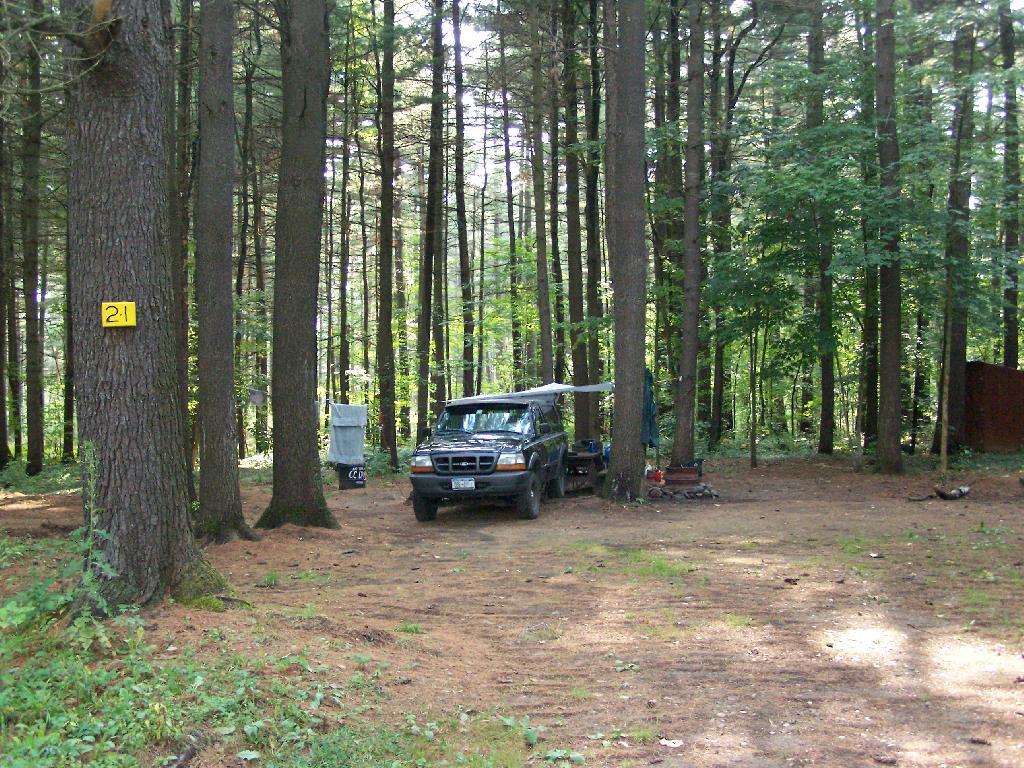
Campsite 21

The windows can’t be open when it rains — at least heavily — because of the slant to make the truck cap more aerodynamic. It gets humid under the cap, with no air flowing around to make up for the moist air I breathe out.

I worry about severe thunderstorms, as the I know laying in the steel truck bed, in a severe thunderstorm offers no protection from lightening, and the fiberglass would tear and shatter if a tree came down.

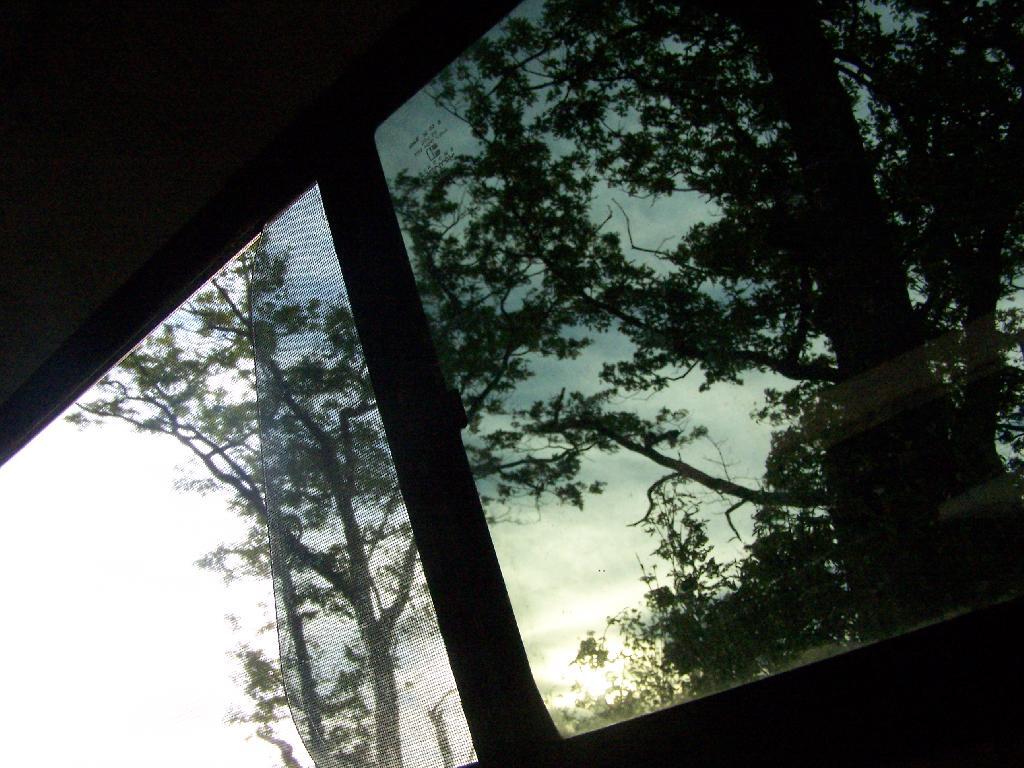
Through the Truck Cap Window

Yet, worst of all, it can be entrapping. There is relatively little room, especially with gear. I might have enough room to sleep in the truck cap, but it really isn’t big enough for doing any real living inside, with nowhere to stretch or move, without flipping down the tailgate.

Regardless, I kind of like the sound of rain on the truck cap. I can be loud, but it also is so soothing.

Balsam Pond 2010

For the first weekend of summer, I decided to go out to Central NY for a weekend. The original plan was to spend one day at Brookfield Camping Area, but it was too crowded, so I decided to head south west to Balsam Pond in Chenango County, outside of Norwich and Pharslia.

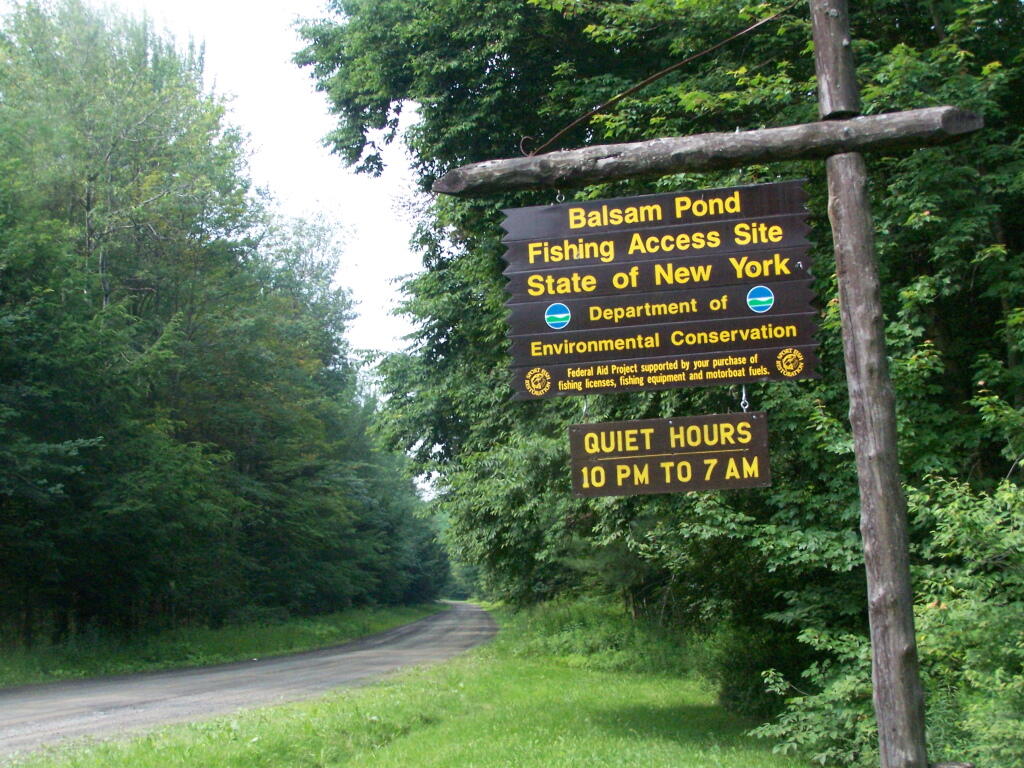
Balsam Pond Sign

Balsam Pond is a man-made lake, popular for fishing and free camping. They also allow motor boats on the lake, so during the day, you’ll hear boats roaring up and down the lake.

Balsam Pond Sign

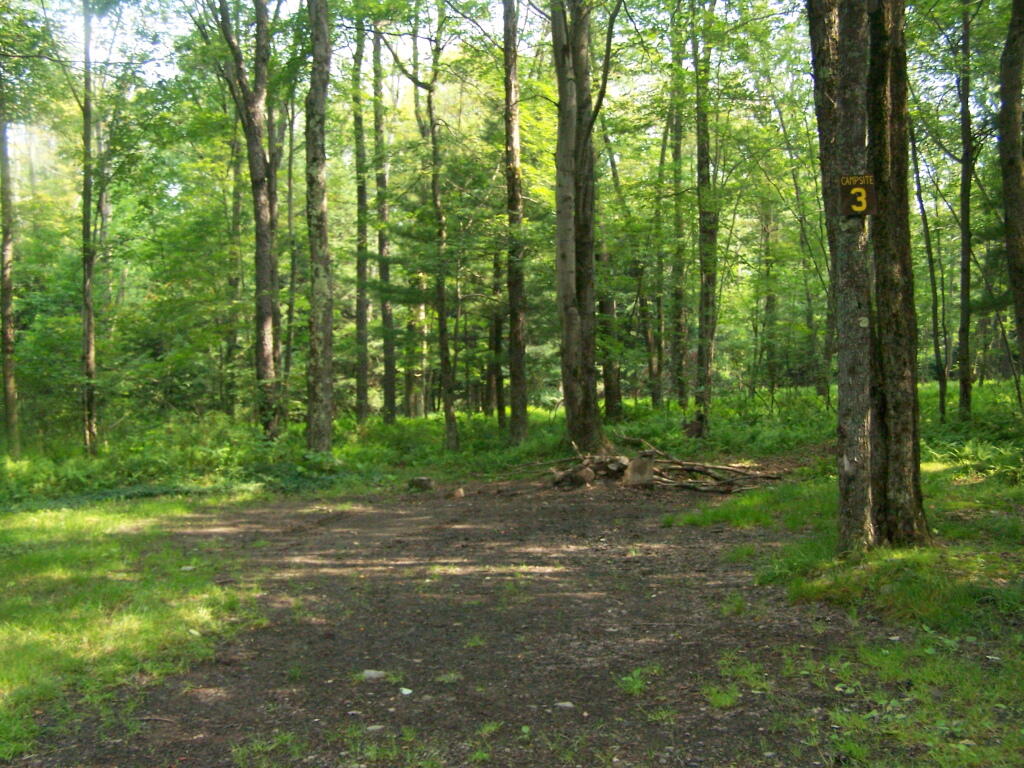
While the weekend was pretty rainy, Balsam Pond turned out to be quite nice, and popular but not full, as was the case last year. This time I choose to set up in Campsite 3.

Campsite Number 3

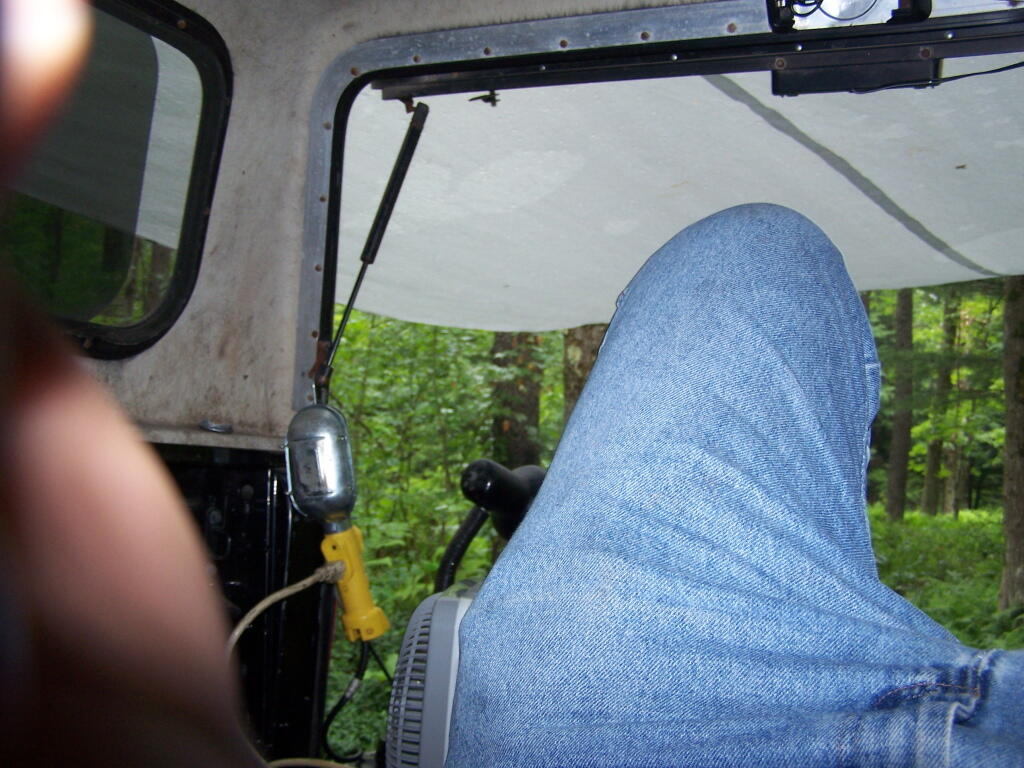
Soon after getting there, it was raining. I quickly got the tarp up, and was hanging out in the back of my pickup, reading a book.

Waiting Out the Rain

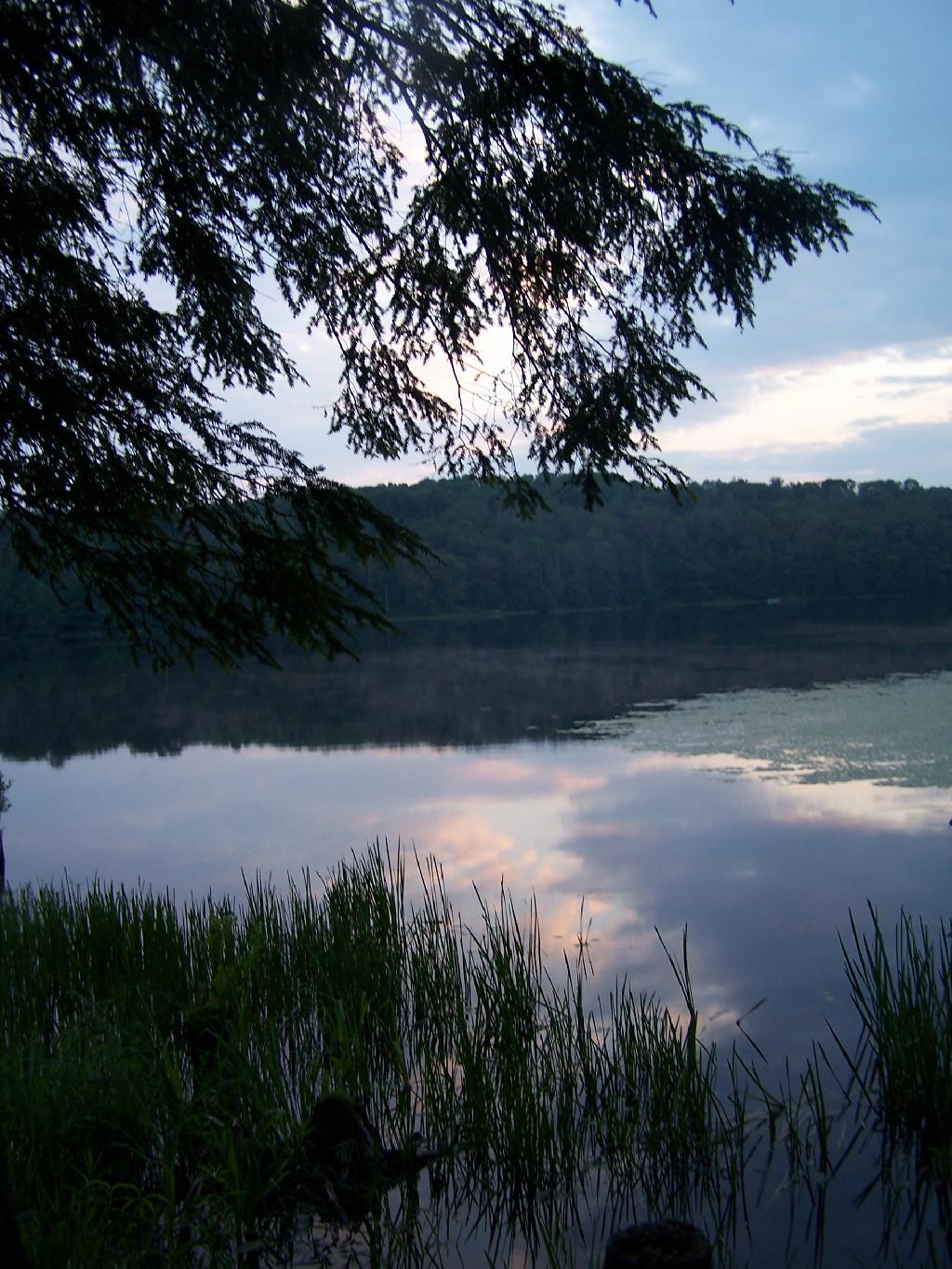
In the evening, the rain stopped, although the clouds remained as I walked down by the lake.

Balsam on Edge of Pond

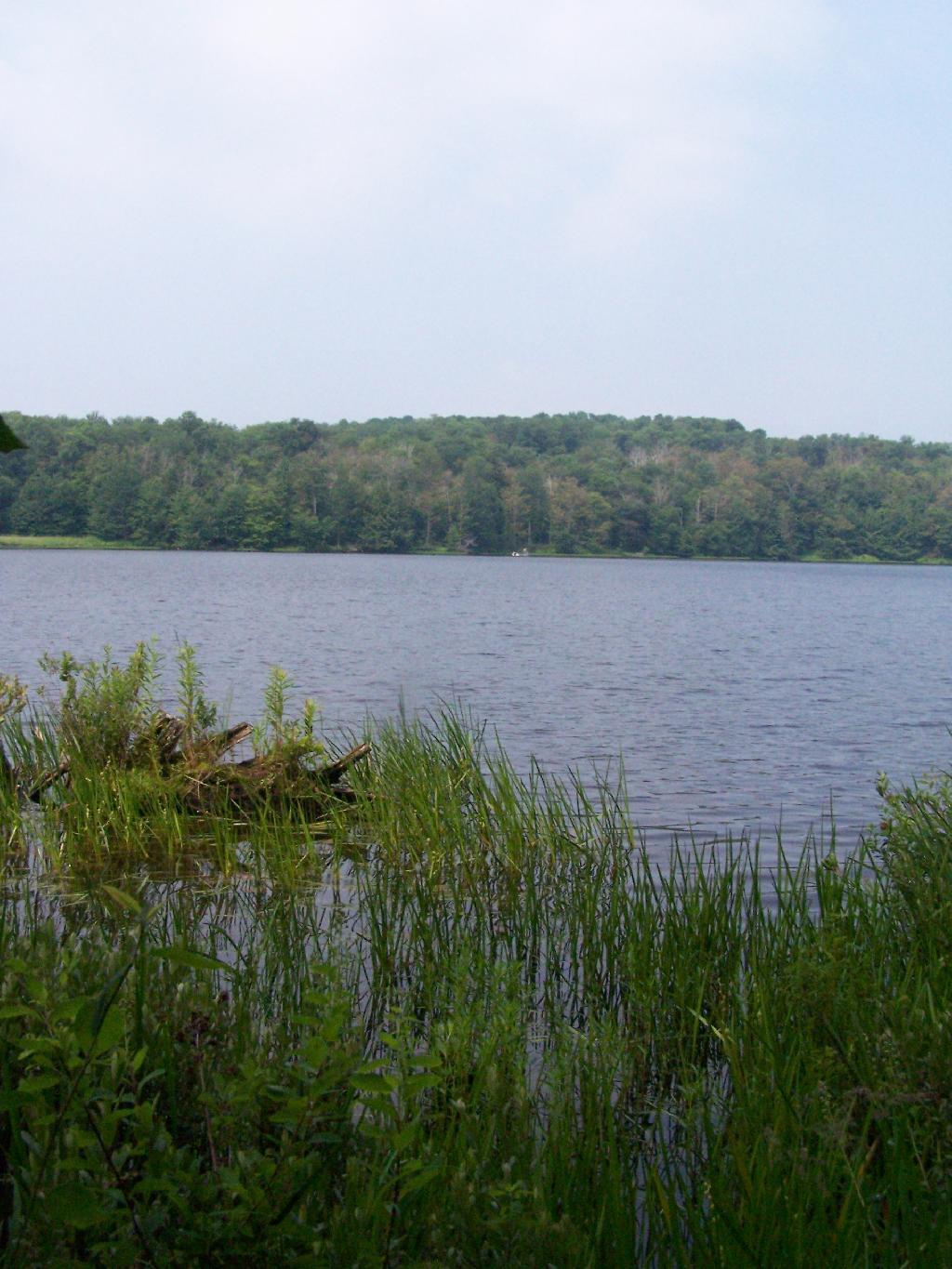
In the morning I got up, and hopped in the lake for a quick dip to get cleaned off. Hazy and cloudy in the morning, but no rain.

Marshy Edge

I drove up north to Truxton in Cortland County, to check out the ever so beautiful Labarador Hollow, but decided with the rain, not camp up there. There where some roadside campsites there, but no lake to cool off up there, so I ended up spending another day at Balsam Pond.

Balsam Tree

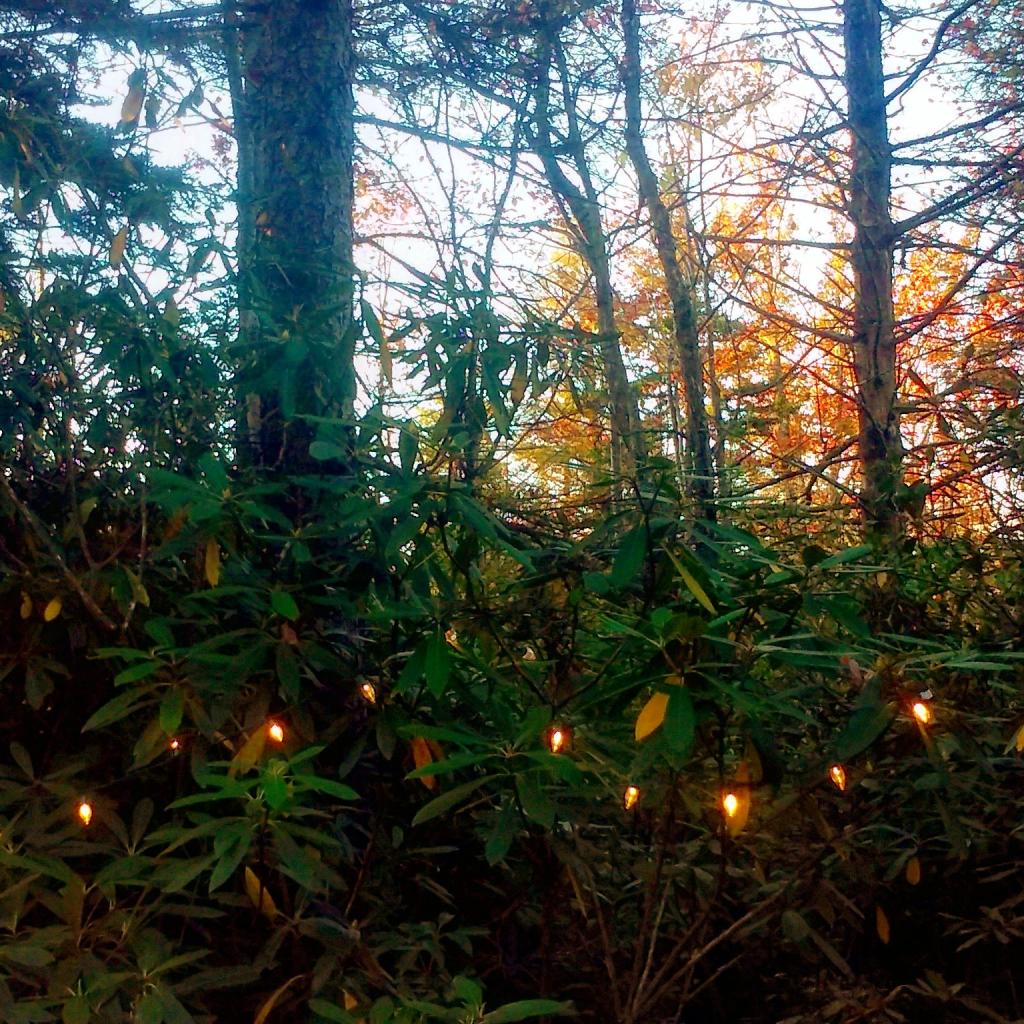
The next evening was nice, with not much rain, but very cloudy, damp and dark. But I got a nice fire going, and it didn’t involve burning too much plastic but mostly wood, under the Christmas lights.

Even by morning of the June 28th, the weather wasn’t perfect but so be it. This time of year, is not known for it’s perfect weather conditions after all.

Canoes

Do read about my
View
Hikes of 2009 in a larger map