that

A Look Back at Sandy Gordon vs Debbie Bush

The Race Crunched.

ED DEM DEM % REP REP % CON CON % WF WF % ICE ICE % Write-In Over Vote Blank Blank Percent Total Votes Sandy Total Bush Total Sandy % Sandy Net Votes
Berne 1 88 37.13% 89 37.55% 34 14.35% 6 2.53% 20 8.44% 0 0 10 4% 248 94 143 39% -49
Berne 2 210 52.11% 113 28.04% 41 10.17% 12 2.98% 27 6.70% 0 1 4 1% 409 222 181 55% 41
Knox 3 97 40.59% 79 33.05% 36 15.06% 15 6.28% 12 5.02% 4 0 9 4% 253 112 127 46% -15
Rensselaerville 1 87 43.28% 50 24.88% 35 17.41% 13 6.47% 16 7.96% 0 0 2 1% 204 100 101 50% -1
Rensselaerville 2 87 37.50% 61 26.29% 53 22.84% 10 4.31% 21 9.05% 0 1 16 6% 250 97 135 42% -38
Rensselaerville 3 162 43.55% 106 28.49% 63 16.94% 22 5.91% 19 5.11% 0 0 13 3% 386 184 188 49% -4
Westerlo 1 130 37.57% 131 37.86% 63 18.21% 7 2.02% 15 4.34% 0 0 14 4% 361 137 209 39% -72
Westerlo 2 183 56.48% 84 25.93% 29 8.95% 8 2.47% 20 6.17% 0 0 26 7% 351 191 133 59% 58
Westerlo 3 105 34.31% 117 38.24% 53 17.32% 16 5.23% 15 4.90% 0 0 16 5% 323 121 185 39% -64
Total 1149 43.20% 830 31.20% 407 15.30% 109 4.10% 165 6.20% 4 2 110 4% 2785 1258 1402 47% -144

Maps Showing What Happened.

ED by ED percentage of votes for Sandy Gordon.
 Balm of Gilead

I often prefer to use Net Votes per Election District, as this more clearly shows were a person lost and won the race, because Turn out can very quite widely from Election District to Election District. Moreover, some Election Districts are more populus then others.
 Across the Lake To Balm of Gilead

Turn out was particularly high in districts that Sandy lost, particularly in Westerlo ED 3 (Dormansville), one of most conservative EDs in Albany County currently.
 Egypt

This map shows the Average Democratic Preformance of Statewide candidates by 2010 Voting Tabulation District, with the 2011 County Leg districts superimposed. Be aware that all statewide Democratic candidates preformed quite well across 2010 Albany County,but it also shows the weakness in Dormansville (Westerlo ED 3), and Cooksburg-Preston Hollow-Potters Hollow (Rensselearville ED 2). The entire district was and is marginal Democratic, and can easily swing into the Republican column.
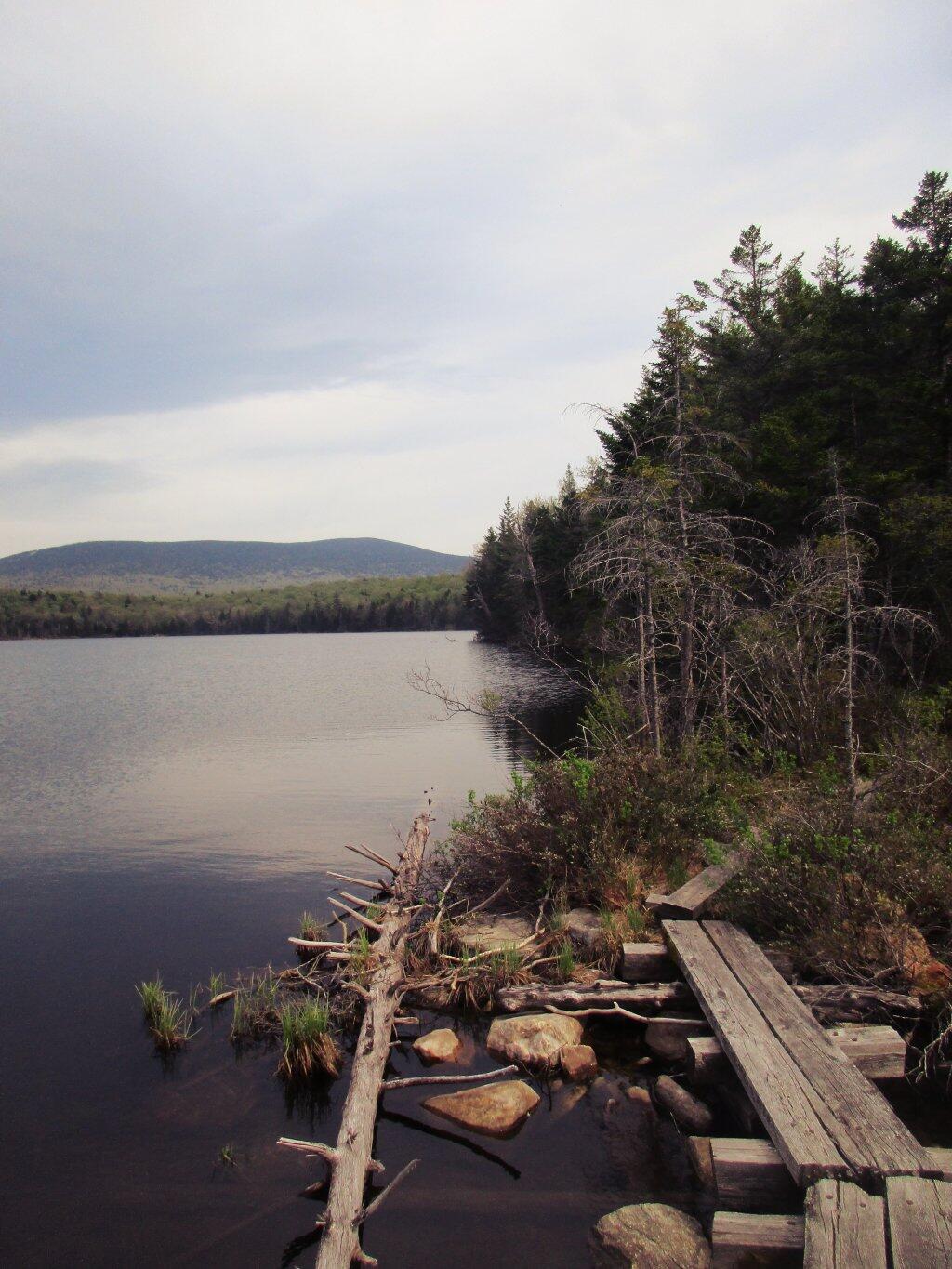
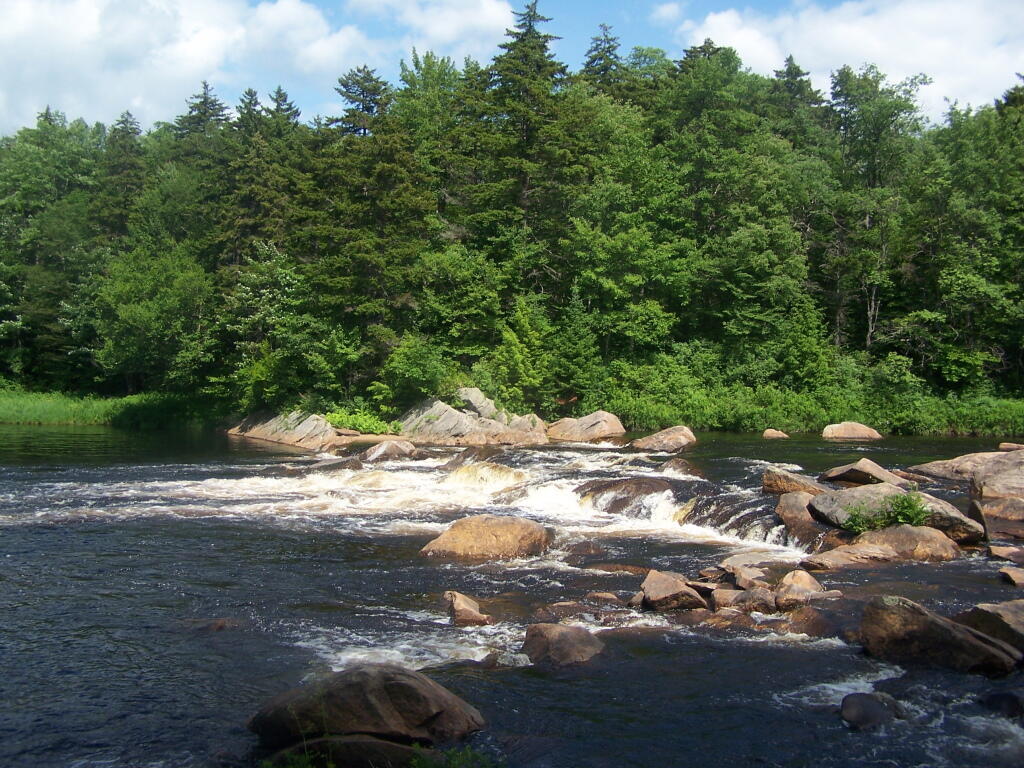
 Bridge Over Stratton Pond Outflow

.

While Sandy Gordon got a higher percentage of votes on Democratic line then Debra Bush on the Republican line, the heavy Conservative-block vote in Renselearville EDs and South Westerlo (ED 1) provided a margin of victory for Debra Bush.
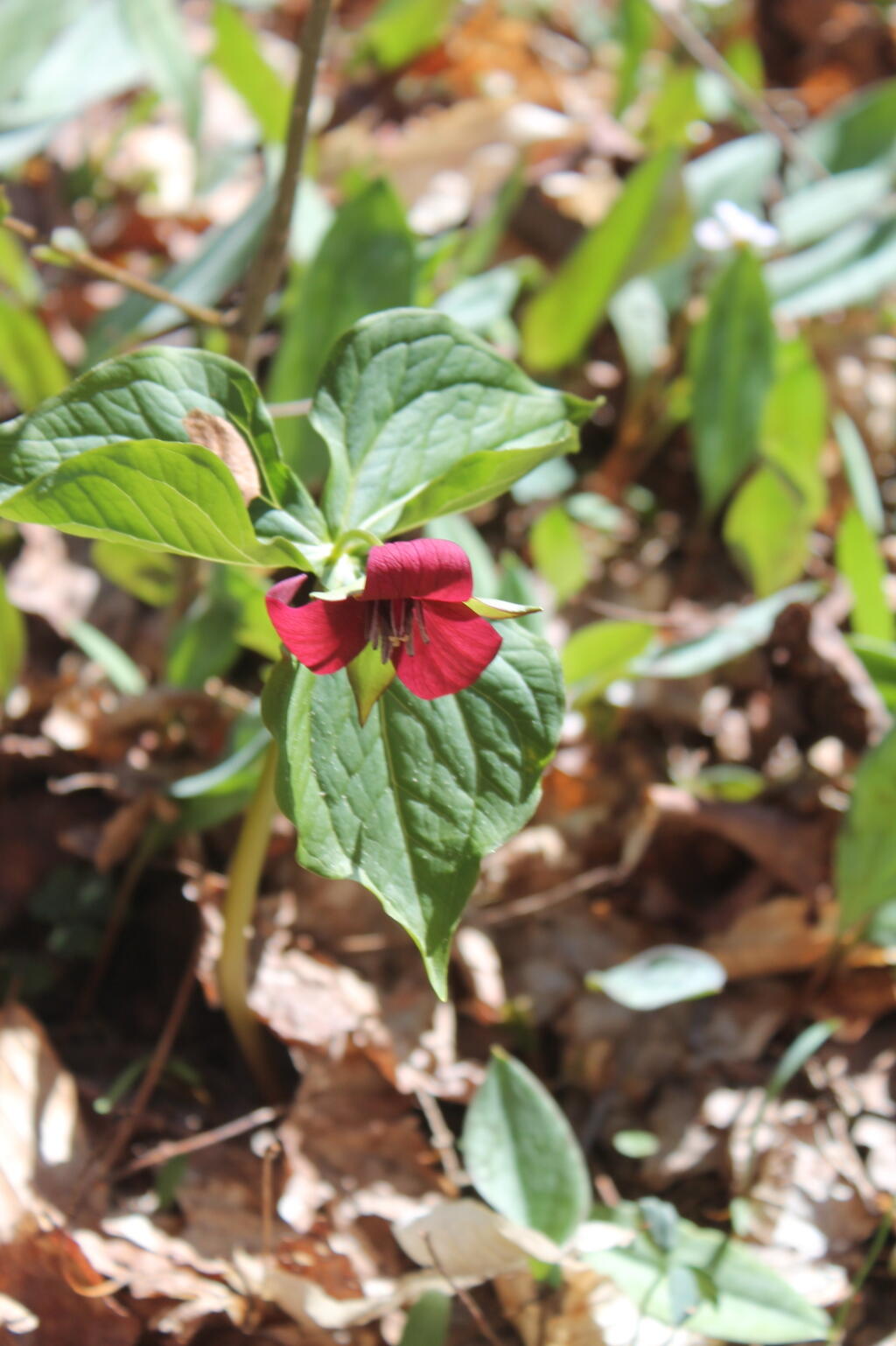
Springtime

Sandy Gordon lost 2/3rds of Knox in the redistricting. He preformed worst in the new portion of the district — specifically Westerlo — and failed to hold onto Renselearville.

While he faced a Tea-Party Movement in Renselearville that organized against him, if he had spent more time going door-to-door in this portion of district, along with introducing himself to Westerlo voters, he may have been able to hold on to his seat.

Regardless, it was tough year for Democratic Incumbents, especially those with a long record and many difficult votes to face, such as over-riding the tax-cap, which will hurt rural residents and those of the hilltowns who own a lot of land hardest.

Thematic Map: Cannabis Retail Dispensaries
Thematic Map: Cannabis Retail Dispensaries - Distance

Land Uses in Mohawk Valley

Today we look at land use in the Mohawk Valley. Here a series of maps along the Mohawk River, showing land use as a quad color image, based on NASS/Landstat data from the region. The images below use the following colors:

  • Red – Developed areas such as cities, highways, and other industrialized or otherwise developed parts.
  • Yellow – Agricultural areas, including all farm crops such as corn, hay, alfalpha, and other truck crops
  • Green – Woodland, brush, and barren lands
  • Blue – Water bodies

These images should pick up detail up to about 300 feet in any particular direction.

Overwhelmingly, the Mohawk Valley is about agriculture, although as elevation increases and farming is no longer profitable, then farm fields revert to tree cover. And while their are certainly single family homes and other rural residents under the tree cover, by no means is development the overwhelming use of the land.

Utica Area.

Most of the farming in the Utica-area, occurs south of the city, due to the sandy soils, short growing season, and elevation making farming unprofitable north of city. This map may actually distort how much land north of city is actually farmed, as many of farm fields shown on this map have been abandoned and are slowly reverting to brush and ultimately tree cover.

While not a lot of unique birds at Montezuma out and about as it was a hot and humid day, still nice to explore nad see the wildflowers

Canajoharie Area.

As you get around Canajoharie the amount of farming activity picks up dramatically, and except for a small section right next to the Mohawk Valley, most of this area is not developed.

Grass along Teeter Pond

Albany-Schenectady Area.

Heading towards Albany-Schenectady, you see more development, but notice how you don’t have to get far from the city for forest cover to be dominant feature, and not agriculture. A lot of this is rural residents, with acreage, and hobby farms around here. Farming stops when you get up on the Rensselear Plateau, although the farm lands right around Brunswick are quite profitable, until you start heading towards Grafton where almost all farming stops.

Many Nights Sunsets

I’ll Be Age 67 in 2050

Folks in my age group under Social Security can retire at Age 67 if they so please. While I don’t know if I will retire at Age 67, I generally believe that Social Security will be fixed by that point, and that will be an option if I so choose. I hope I have the finanical savings and a pension at that point to supplement social security if that’s what I want, or choose to continue to work if work is my passion and I feel that I am doing good for society by continuing to work.

The year 2050 is an interesting one. It’s a popular round number taken up by political pundits and futurists trying to predict the future.

Alander Mountain

Bill McKibbean and the 350 people insist that humanity must reduce it’s carbon outputs by 80% of 1990 levels by 2050, also known as the 350 ppm by 2050 goal. Others insist that there will be no Social Security in 2050, or that fossil fuels will run out by 2050, or that the world will be otherwise awful dark and bleak in 2050. Some like James Howard Kunstler think the year 2050 will be one of mass suffering and misery, as humanity fails to move away from it’s excessive use of fossil fuels and international commerence.

More hopeful futurists look at 2050 as era of great progress, an age of great equality, and technocratic success. Transportation will be automated and run on clean electricity generated from renewable sources that won’t harm the planet. Flying cars will wisk you to your destination! People will overcome their evil ways, and war will be obsolete. Humans will be healthier and avoid much of the suffering that is the norm of the day. Poverty will be a thing of the past.

Remsen Falls

I suspect both predictions will be look increadibly dated by the time I’m ready to enter retirement and my golden years. After all, the year of 2050 is about as far away as the year 1972. Since 1972, the world has not choked and died from smog or excessive development. There are still vast areas of open lands, forests, and farm land. Yet, there are still pollution problems, and we have yet to enter an age of golden prosperty. 39 years later, still a lot of people are still suffering, but things have gotten better for many people.

I truly believe that world is not coming to an end. I also don’t believe the world of 2050 will be vastly different then today, even if fashions change as do technologies. Some things will become easier, and maybe more automated, but the world will look remarkably like today.

Land Uses in Mohawk Valley

How much of the Mohawk Valley is developed, how much is farmed, and how much is forested? These images give you a clear overview, with all agricultural cropland and pasture colored yellow, all forest lands colored green, waterways colored blue, and developed areas are red. This is based on LANDSTAT and USDA NASS Croplayer data.

Overwhelmingly, the Mohawk Valley is about agriculture, although as elevation increases and farming is no longer profitable, then farm fields revert to tree cover. And while their are certainly single family homes and other rural residents under the tree cover, by no means is development the overwhelming use of the land.

Most of the farming in the Utica-area, occurs south of the city, due to the sandy soils, short growing season, and elevation making farming unprofitable north of city. This map may actually distort how much land north of city is actually farmed, as many of farm fields shown on this map have been abandoned and are slowly reverting to brush and ultimately tree cover.

While not a lot of unique birds at Montezuma out and about as it was a hot and humid day, still nice to explore nad see the wildflowers

As you get around Canajoharie the amount of farming activity picks up dramatically, and except for a small section right next to the Mohawk Valley, most of this area is not developed.

Grass along Teeter Pond

Heading towards Albany-Schenectady, you see more development, but notice how you don’t have to get far from the city for forest cover to be dominant feature, and not agriculture. A lot of this is rural residents, with acreage, and hobby farms around here. Farming stops when you get up on the Rensselear Plateau, although the farm lands right around Brunswick are quite profitable, until you start heading towards Grafton where almost all farming stops.

Many Nights Sunsets

Camping on Hope Falls and Pumpkin Hollow Roads

There are several campsites a on side roads, little ways off of NY 30, as you head North from Northville towards Wells NY. These campsites are nice if you starting off into the Adirondacks, and are looking for a convenient place to camp for the night, and want campsites quieter then those on NY 8 / East Sacanadaga River.

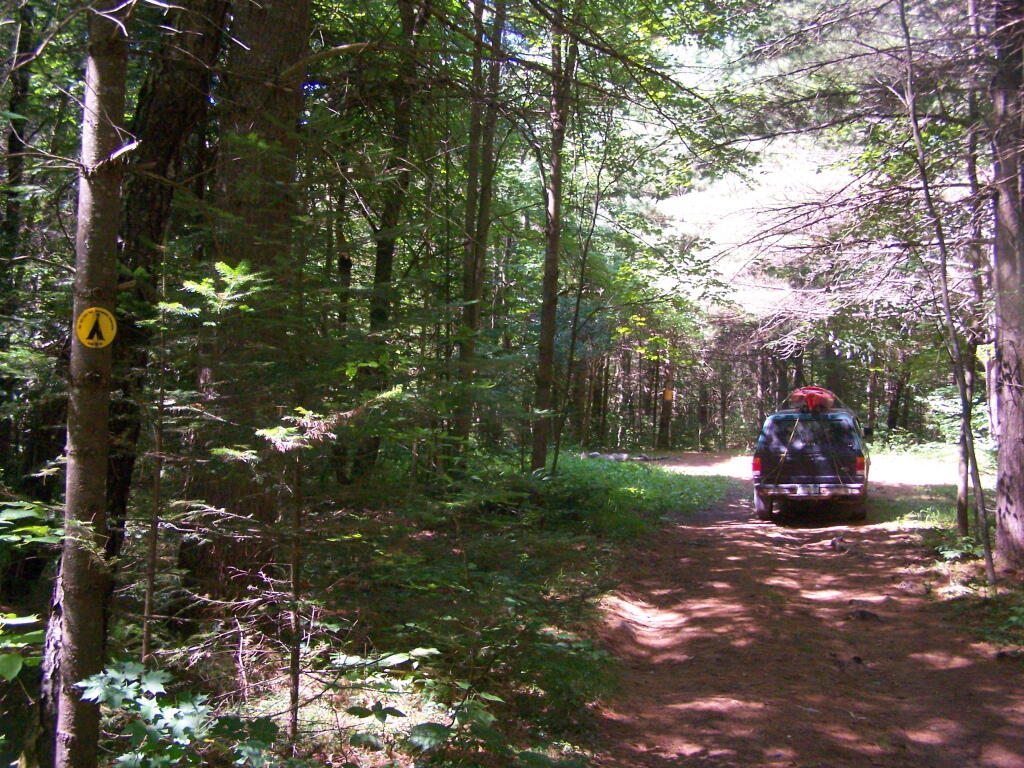
These sites are all designated with official “Camp Here” discs.

Road Number of Sites
Hope Falls Road 3 Vehicle
3 Tent Sites
Pumpkin Hollow Road 2 Vehicle (Between Willis Lake and Inholding)
1 Vehicle (Beyond Inholding)

Hope Falls Road.

From Northville on Hope Falls Road, you drive north and north. The paved road goes on for several miles, until you finally reach the “Seasonal Use Only” sign, and hte pavement ends it becomes a one lane road.

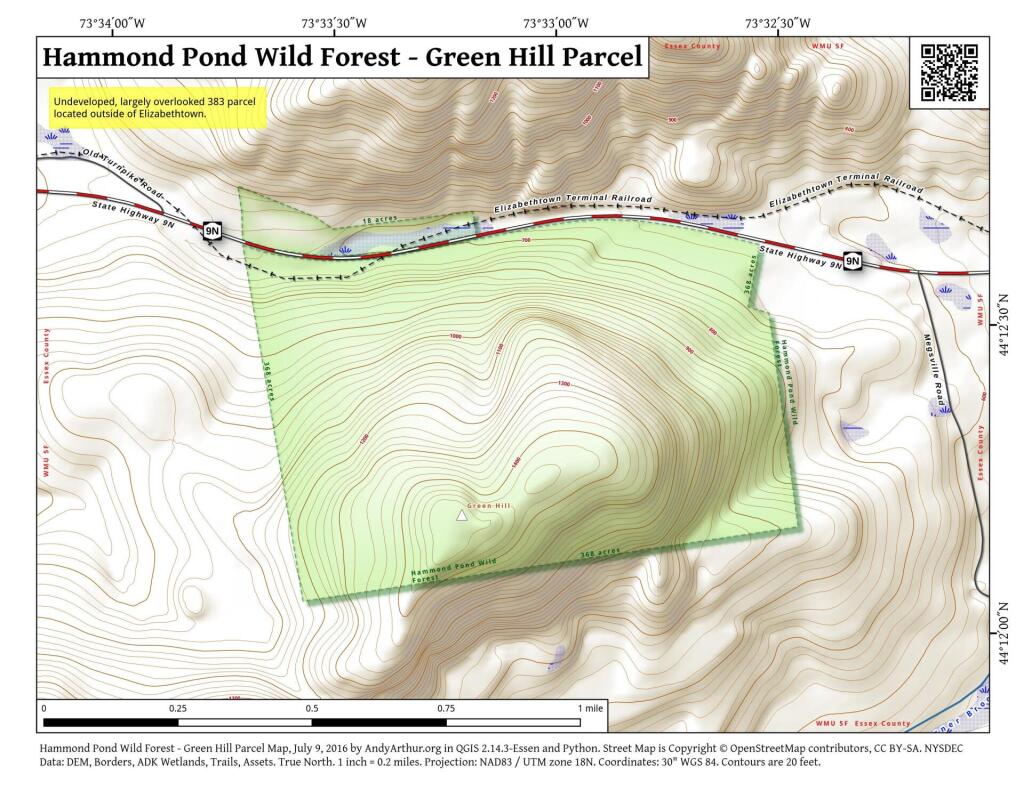
 Hammond Pond Wild Forest - Green Hill Parcel

Click the map above to print it.

None of these campsites are particularly fancy, although there is a single outhouse for the first grouping of campsites on the southern port of the road.

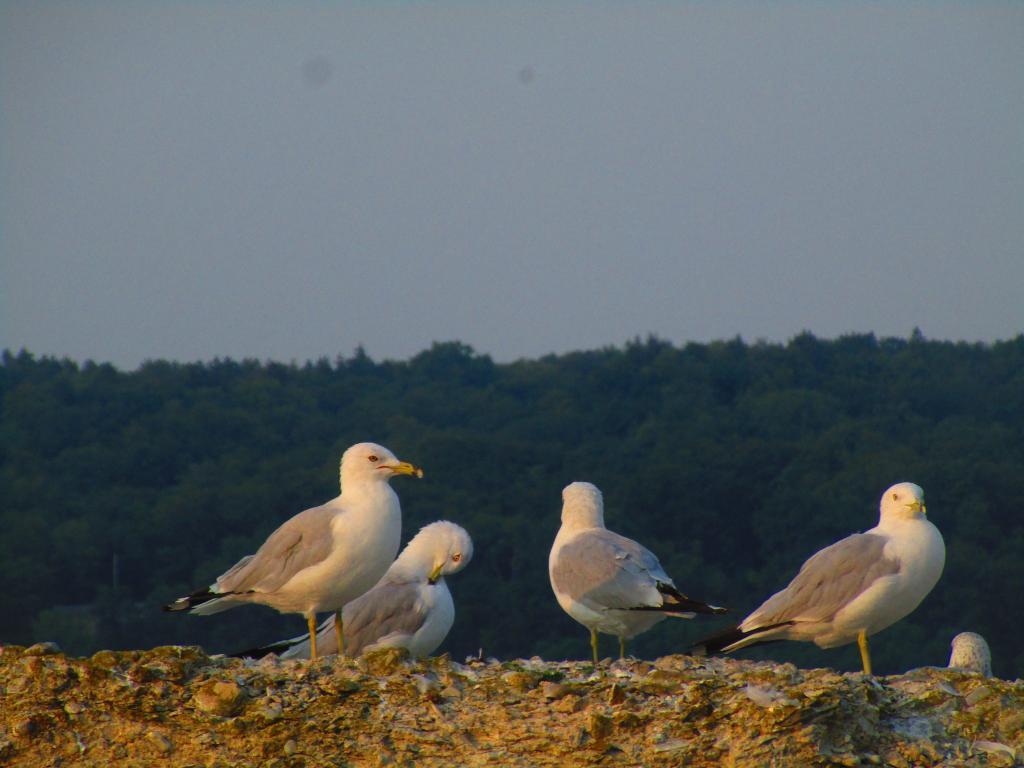
Gulls on the breakwater

All of the campsites run along Stoney Creek …

Stoney Creek

Pumpkin Hollow.

The campsites are a ways back on Pumpkin Hollow Road, a dirt road, beyond Willis Lake and the camps along it. Pumpkin hollow is a short ways south of the Sacanadaga River DEC Campground, it starts out as a paved road by a white house, then eventually a mile or two back becomes unpaved and one lane.

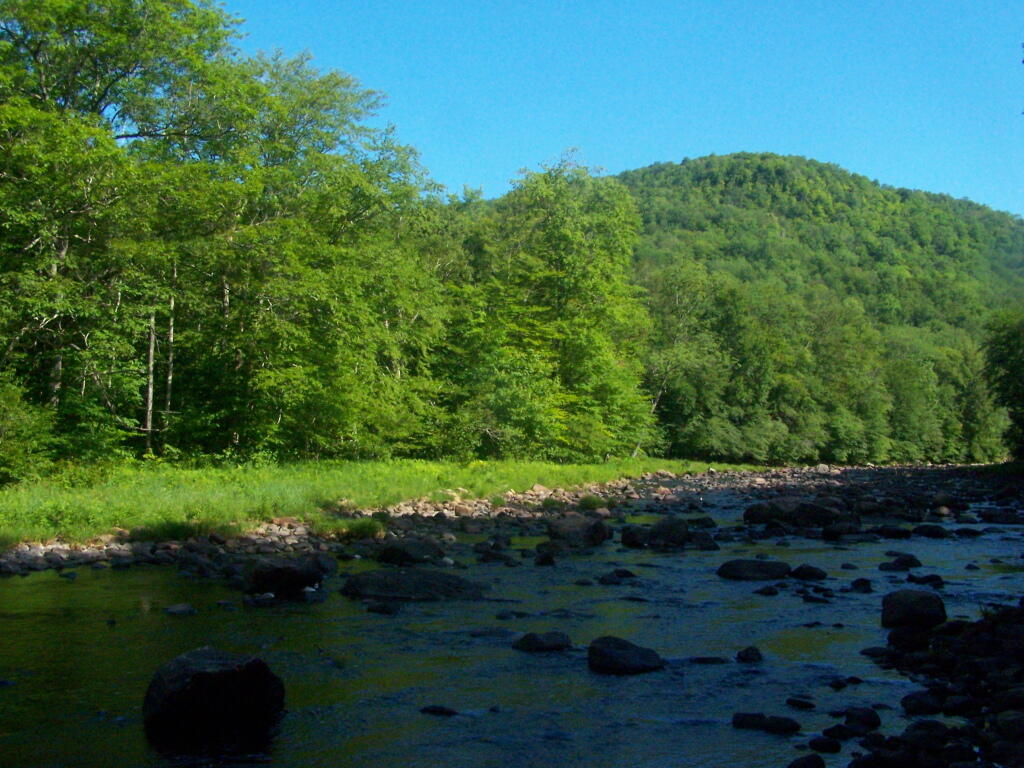
Blue skies

You can print the above map by clicking on it and printing it.

Willis Lake

Here’s sample designated campsite on Pumpkin Hollow Road.

Designated Campsite

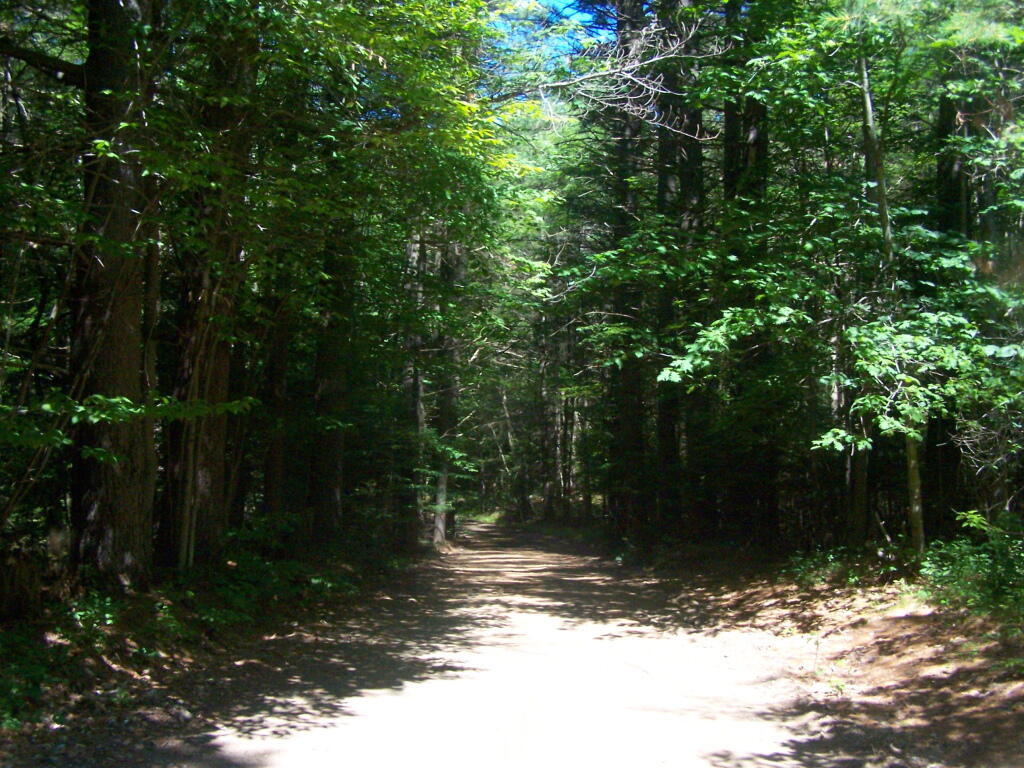
And Pumpkin Hollow Road…

Pumpkin Hollow Road