with

What are Alienations and Non-Alienations of Parkland?

As all park land (including local parks, county parks, state forests and forest preserve) in NY State belong to all of the people, it is important that they remain in the hands of the people, for all to use and enjoy for all times. Only under specific circumstances can government take park land away from the people, and when they do, they must always replace it with some of comparable or greater value.

Today’s fodder is an excerpt from the Alienation Handbook put out by Office of Parks, Recreation, and Historic Preservation.
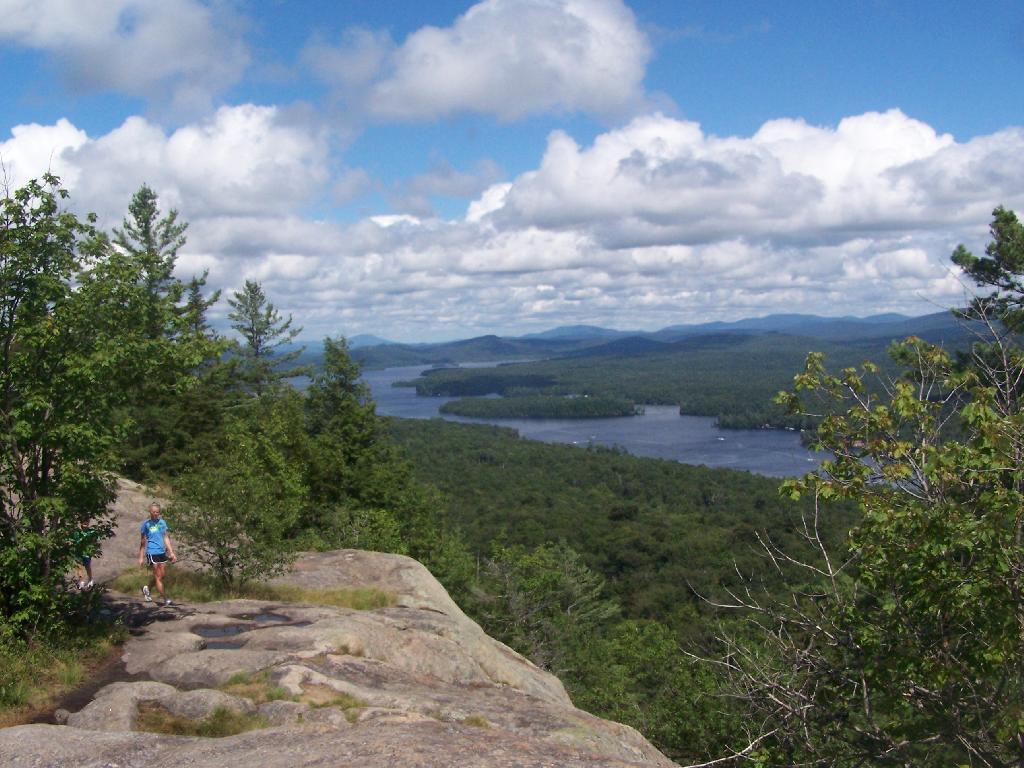
Hikers Enjoy the Purty Lake

The following have been determined by the courts to be alienations:

  • The conveyance, sale, or lease of municipal parkland or recreational facilities to another entity, such as an adjoining property owner, a developer, or a school district, which results in the facility no longer being used for public park and recreation purposes.
  • The lease of municipal park or recreational facilities even though the resource may continue to be used for public park and recreational purposes.
  • The use of parkland by a municipality for a non-park purpose, such as for a water filtration facility, a landfill, a museum, senior housing, temporary parking of police or municipal vehicles, or street construction.
  • Restricting to local residents the use of recreational facilities that had previously been open to all persons.
  • Failure to keep a public park or recreational facility equally open to the public. A public park or recreational facility must be open to the public on an equitable basis. Where availability of public facilities is limited, such as with ball fields or marina berths, the use of facilities should be determined by some method which gives everyone the same opportunity for access, such as assignment on a “first-come, first-served” basis, or by using a lottery system.
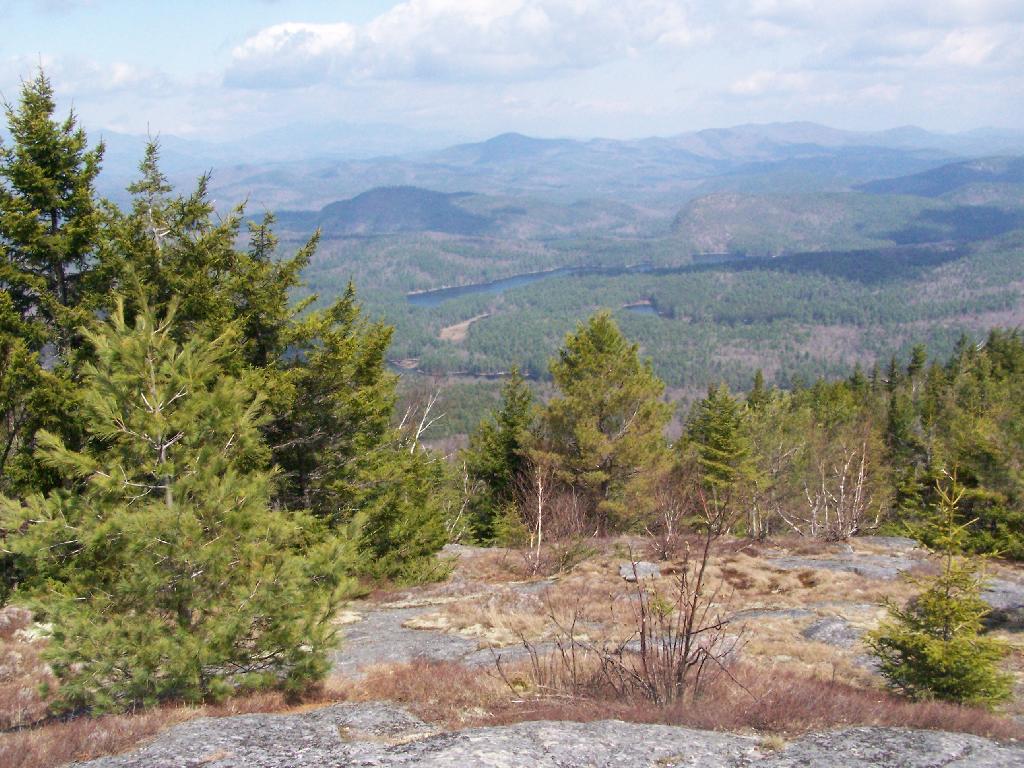
North East

These are considered to be non-alienations:

  • The construction and subsequent issuance of a revocable license for the operation of a park facility such as a cafe, snack bar, parking, or for a boat rental service which serves park patrons in connection with their use of the park.
  • A revocable permit for the use of park facilities for a special program or function, such as an arts and crafts fair, or a permit of greater duration for the temporary use of park facilities which are not otherwise being used by the public. The permit should contain a provision that it may be revoked at-will by the municipality. A temporary use should not be allowed to lapse into a permanent one.
  • The operation of a public park or recreational facility by a private concern. A public park and recreational facility need not be operated by a public entity, but may be a facility operated by a private, profit-making concern on behalf of a municipality under a lease or license agreement. To remain a public facility, the agreement must serve a public purpose, and must not result in exclusively private use. Also, the use must be one that is compatible and appropriate for the park or recreational area in question.
  • Charging ìuse fees, as long as they are reasonable and non-discriminatory. Where use fees are charged, whether by a public or private operator, they should not be in excess of those charged for comparable facilities in the area. A municipality may charge persons who are not residents of the community higher fees than it charges to residents, but case law suggests that non-resident fees should not substantially exceed the comparable fees assessed to residents.
Thematic Map: Corning Tower Shadow
Map: Triangle State Forest

Those Five Hours of Darkness

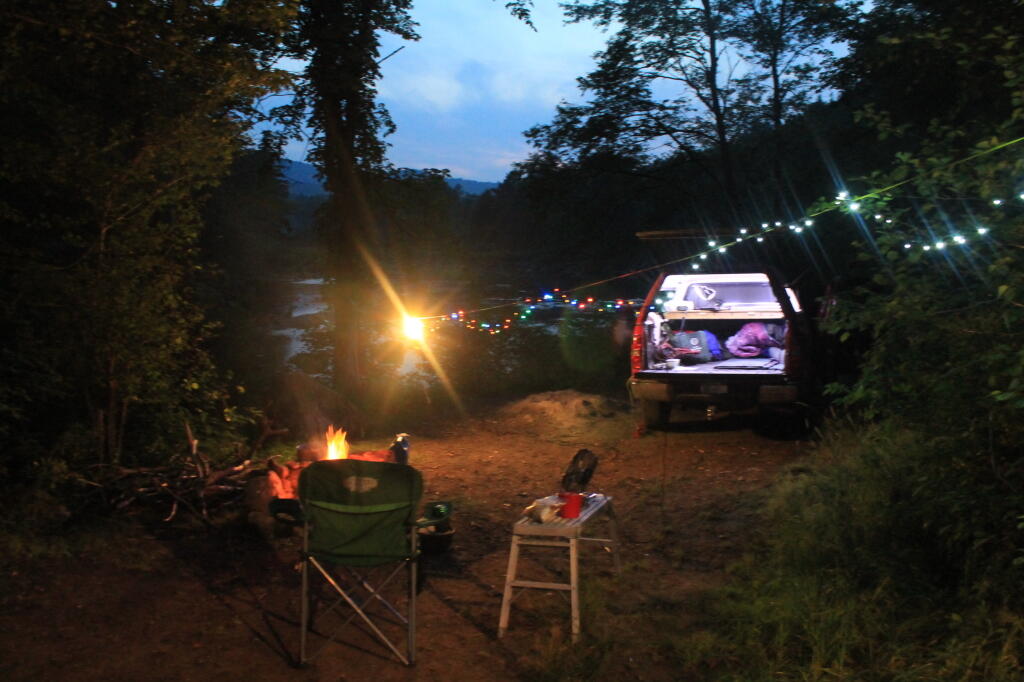
Every day nowadays seems to end with 5 hours of darkness. Here is how I use them when I am out camping.

5 PM. Build campfire, catch up on the news.

6 PM. Cook dinner and eat dinner.

Albany

7 PM. Sit back and enjoy the night by the campfire

8 PM. Listen to a podcast or read a book

9 PM. Head to bed early, as it’s best to get up early in the morning to maximize the daylight.

Where Do the Blanks in NY State Live?

In New York State, you have to register in a political party to be eligible to vote in primaries. You can’t vote in a Democratic primary, for example, if you are not a registered Democrat. The same is true with Republicans and all minor parties.

That said, in most parts of New York State, 15-25% of all voters choose to not register in a party. They may choose not to enroll in a party, as they don’t want to publicly identify with one side or another, or they do not feel comfortable with either party’s platform.

So where do the the voters who choose not to register in a party, aka blanks live? To answer that question, we take a look at Google Maps, using LATFOR voter registration data. Due to the limitations of Google Maps, we only included data at the municipal level, but it gives you a definate feel for enrollment patterns in different parts of state.

Next week we will take a look at actual “swing” voters on a state-wide basis at the MCD level. Swing voters are different from “blank” voters, as they are voters who choose to vote cross-lines, such a voting for a Democrat for President, then choosing to vote for a Republican for State Senate, and a Democrat for State Assembly. “Blank” voters might be enrolled in a party, but they may always consistently vote for Democrats and Republicans.

2010: Percentage of Blank Voters.


View Larger Map

2008: Percentage of Blank Voters.


View Larger Map

2006: Percentage of Blank Voters.


View Larger Map

Reviewing these maps, you will note that the Hudson Valley and Suffolk County have the highest percentage of blank voters in the electorate. Suburban areas also tend to have greater number of blank voters, compared to urban centers and rural areas.

So how has the number of blank voters changed in the state from 2006 through 2010? It varies widely based on region of state, but in general partisan enrollment is up in the state, except in some rural portions of the state that used to be more heavily Republican.

2006-2010 Municipalities with Decreases in Blank Enrollment.


View Larger Map

2006-2010 Municipalities with Increases in Blank Enrollment.


View Larger Map

Map: Cat Hollow State Forest
Map: Dutch Settlement State Forest

Hiking Lyon Mountain

Last October I went for a hike up Lyon Mountain. The first 3/4 of a mile you can drive up to the parking lot, then from there, it’s a two mile hike to the summit, or about 3 miles if you take the new trail.

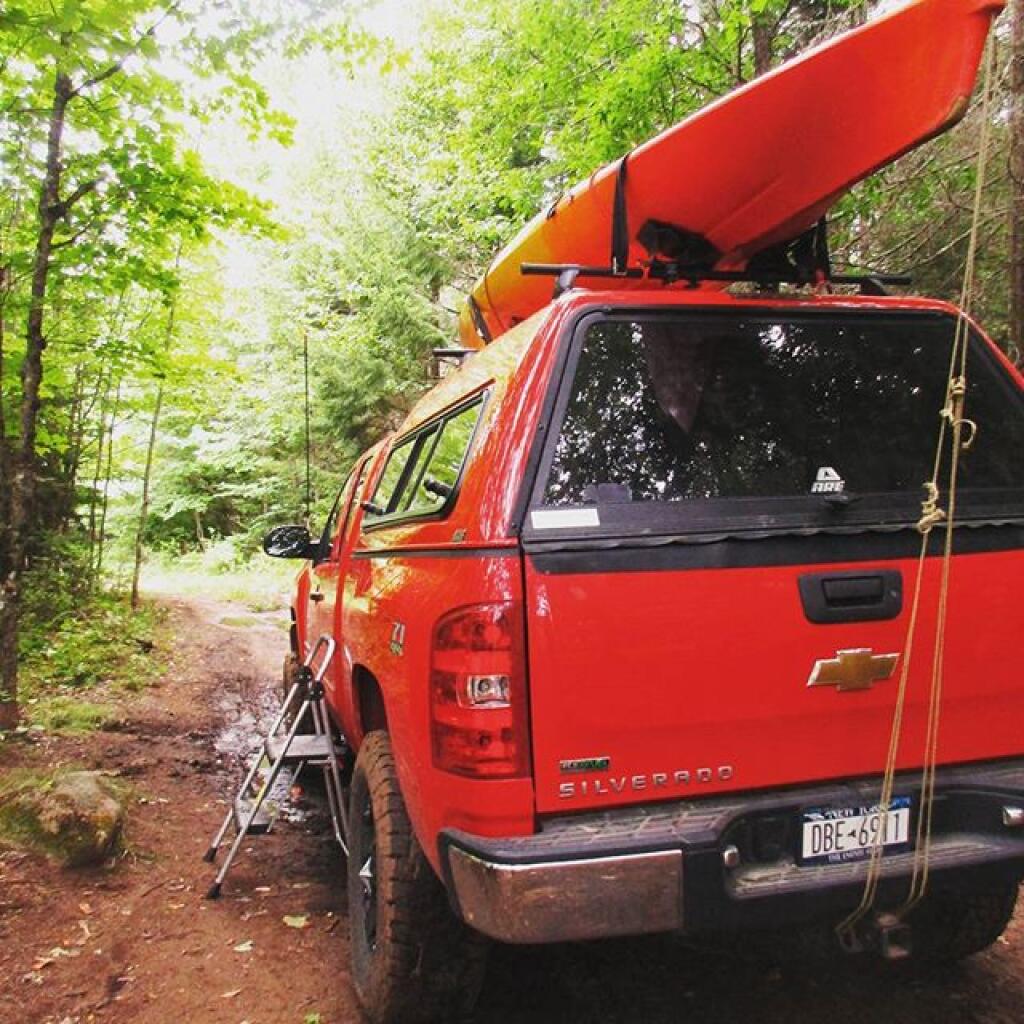
Same campsite I sprained my ankle in one year ago. This time, used a step stool

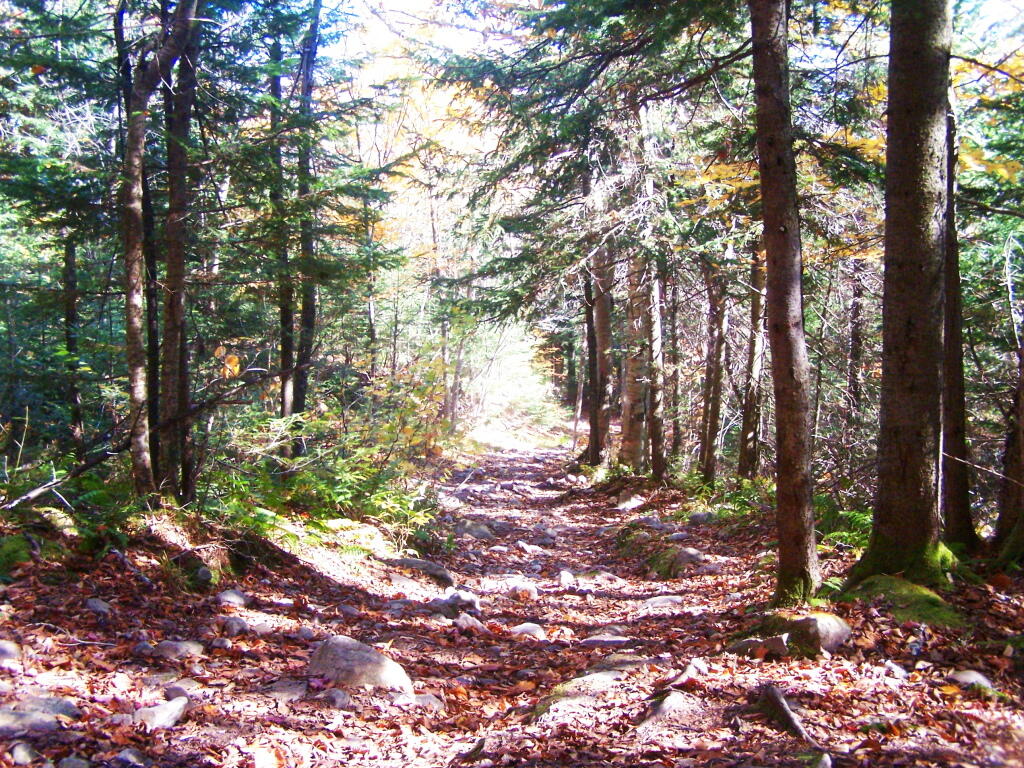
The old trail, following an old woods road is eroded and rough in places, but it well traveled as it much shorter. The new trail, being so twisty is not as well traveled, but it is far less steep and tends to be less wet in the spring time.

Start of Lyon Mountain Trail

Heading up from the parking area, the first part of the trail follows the old trails route, before swinging left near a registration kiosk.

Maples Along Trail

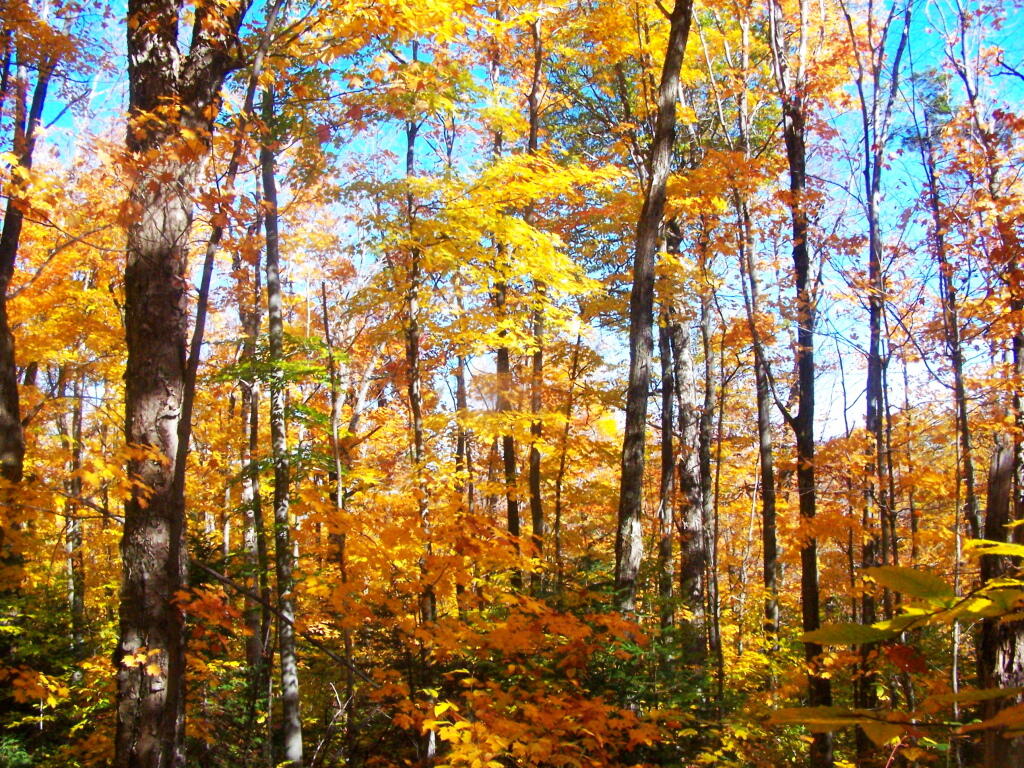
It was very colorful along the new trail as all the maples where at about peak color going up the mountain.

On the Old Trail

I decided to switch over from the new trail to the old trail, once I reached the point where the trails reached their closest point at the midpoint up the mountain.

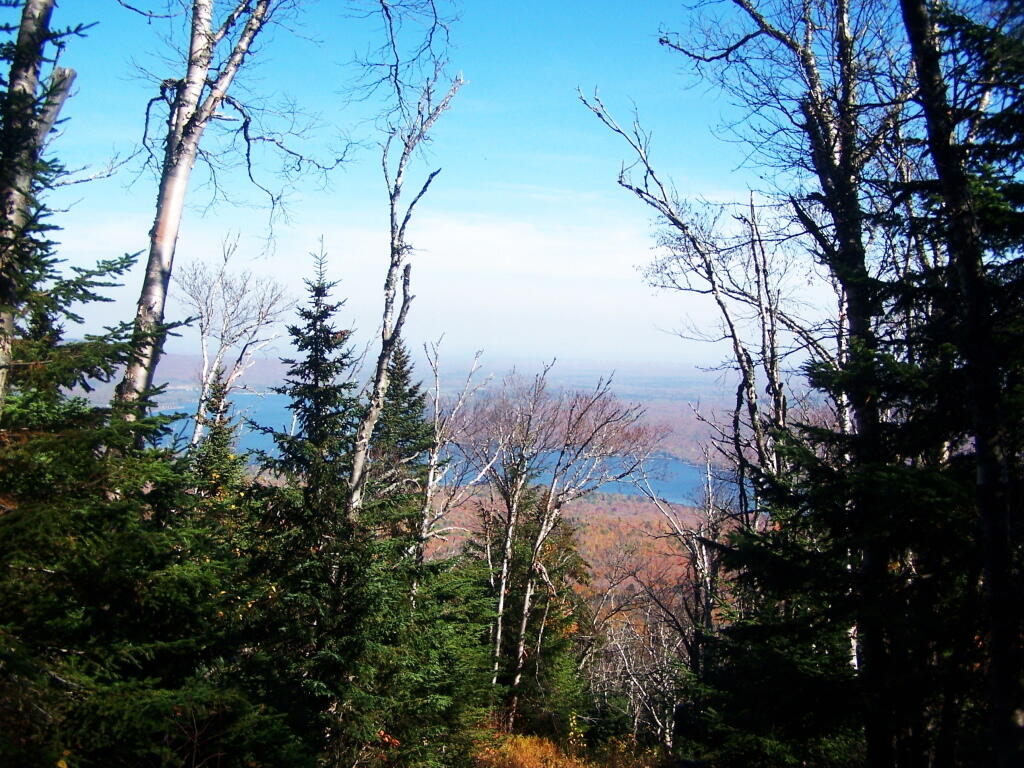
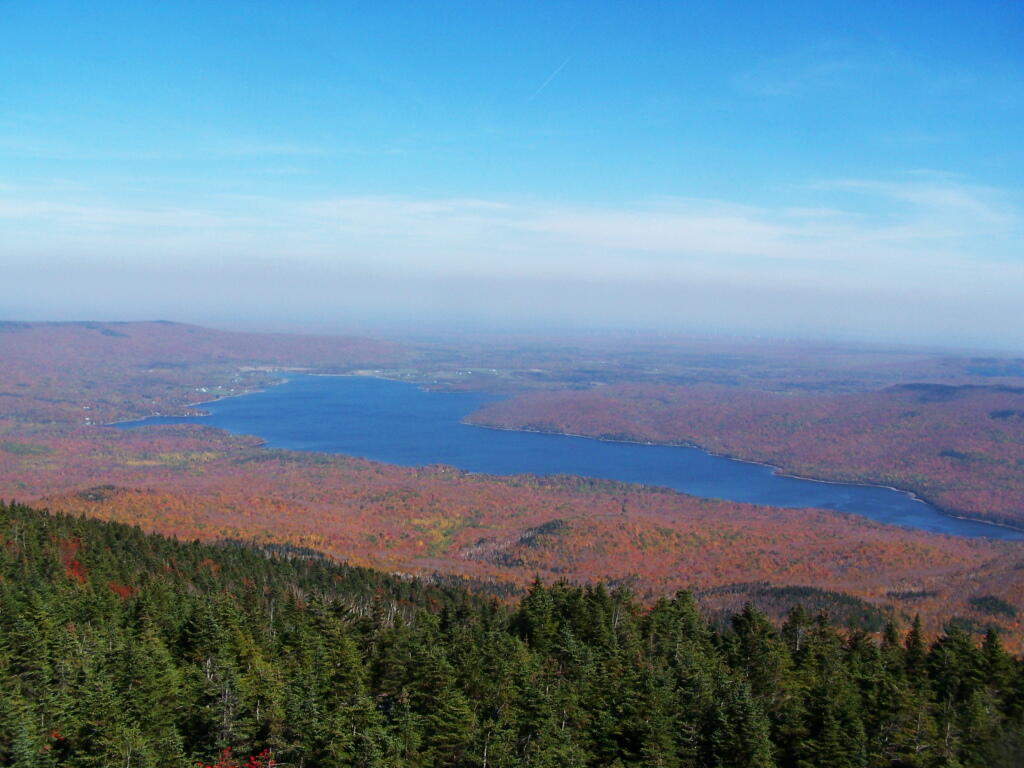
First View of Chazy Lake from Mountain

As you get about 2/3rds the way up the mountain, you can look back and see Lake Chazy.

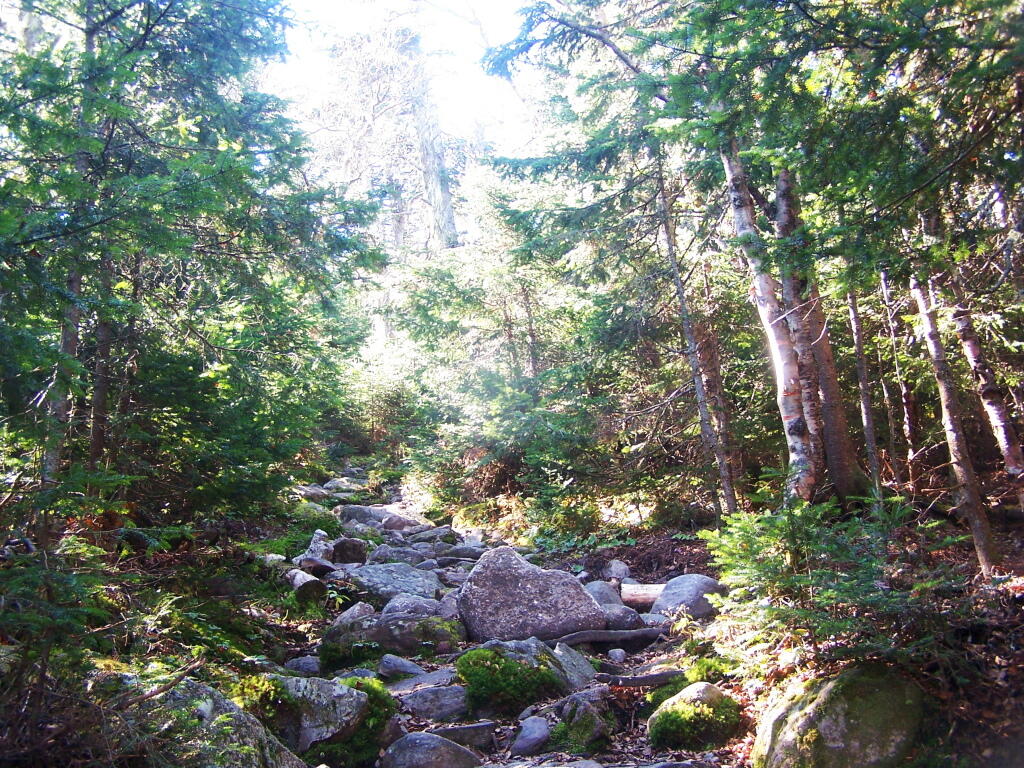
Steep and Eroded Old Trail

The old trail certainly is eroded and in rough sape in some parts. You can understand why they re-routed it.

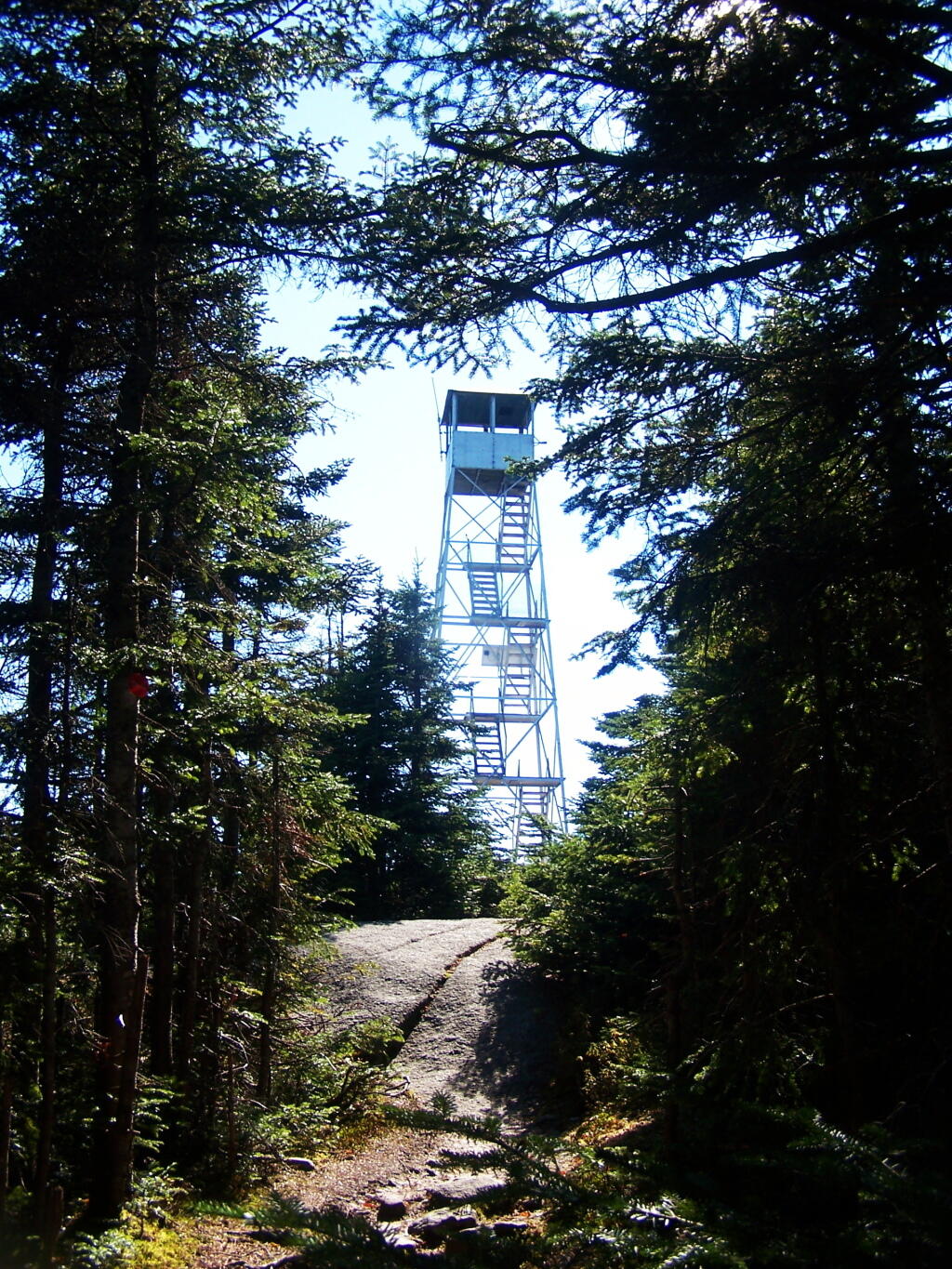
There's the Lyon Mountain Firetower

Ah, finally see the fire tower.

North Towards Chazy Lake

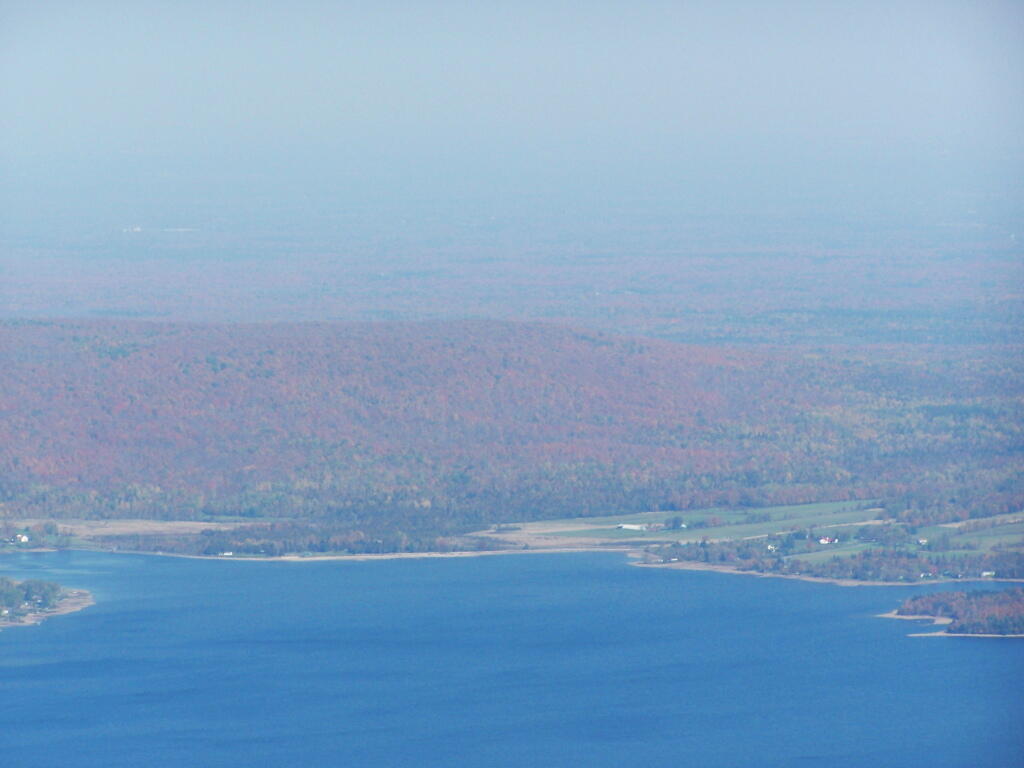
Chazy Lake and Farms Along It

Hazy day, but there’s Lake Chazy and the farms along it.

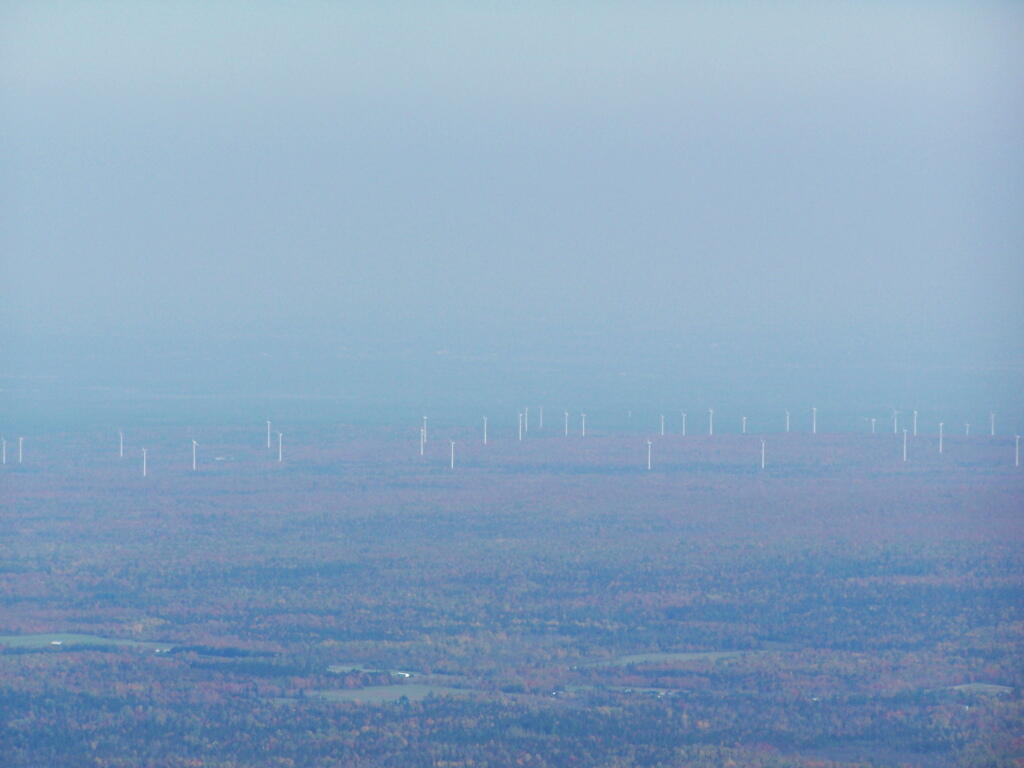
Altona Wind Farm

Wind turbines of the Chazy Highlands…

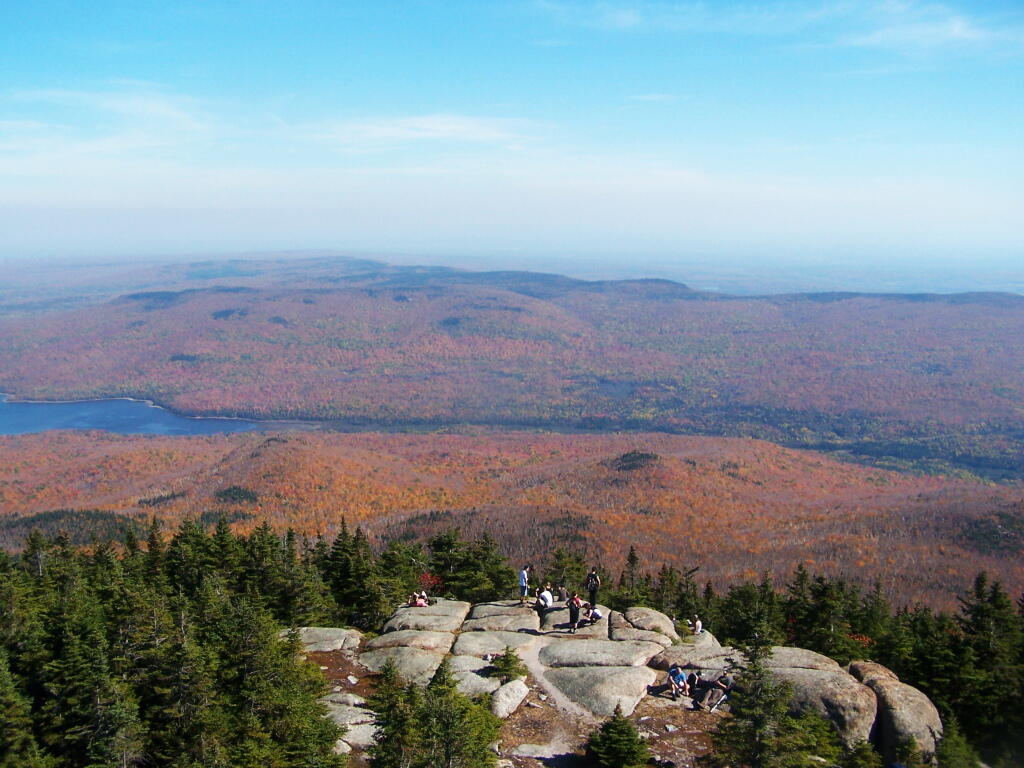
People Out on Lyon Mountain

Lyon Mountain is a popular hike, as seen by all the hikers on the ledge.


4 months later… my thoughts on dual battery setup

My dual battery setup works decently on my Silverado pickup truck for producing camp power for use under the truck cap. For the first night at camp, it provides more then enough power at night, including lots of lights, alarm clock, and moderate use of a portable fan, and 90 watt laptop charger.

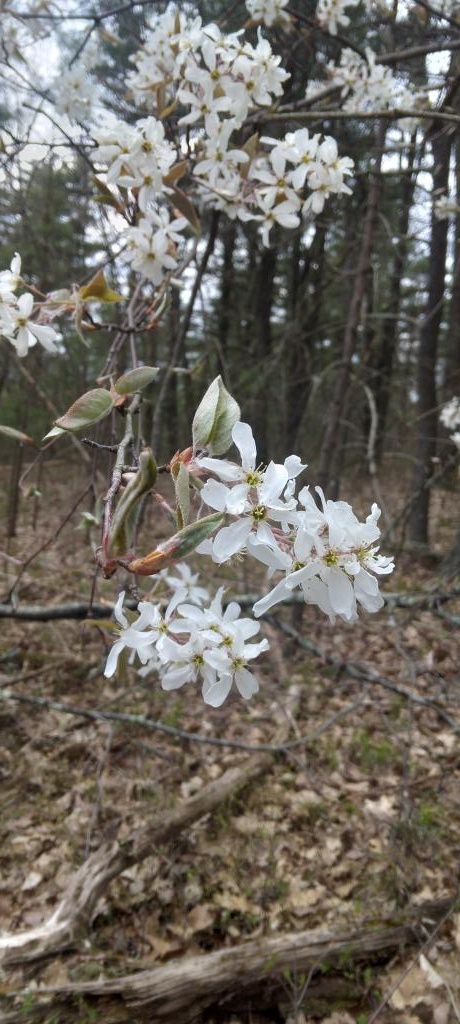
Sparkle

After the first night, the deep cycle battery starts to wear down. The inverter will show lower and lower voltage, until it starts beeping every 15 seconds, and eventually shuts off at around 11 volts, to protect the battery. Yet, it can be continued to be run, all you have to do is turn on the engine, and let the truck run at idle speed for like 10 minutes, every 1-4 hours, depending on how heavy your electrical load is. I used an average of 1/3 gallon of fuel for every night after the first night parked, without driving.

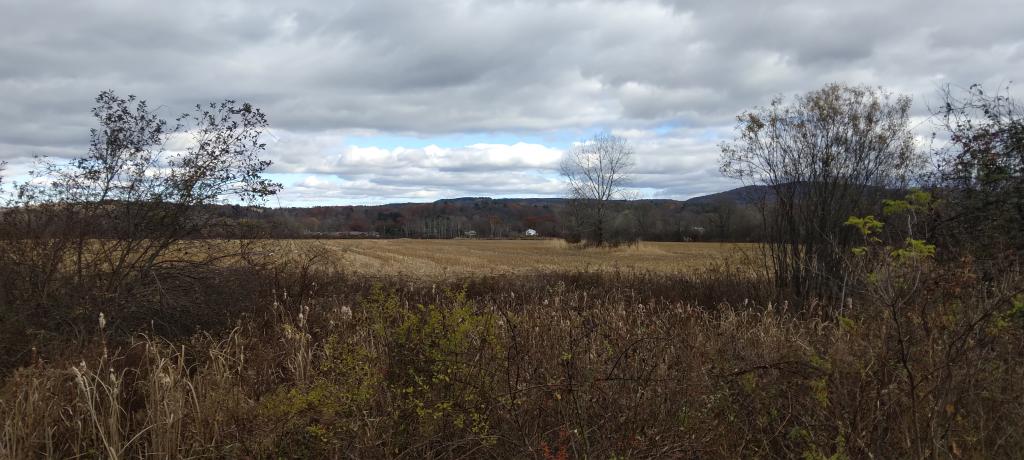
Cornfield in Half Moon

As the battery is isolated from the starting battery, running the deep cycle down to the point where the inverter shuts it off is not a big deal. Your starting battery is still fully charged, and the deep cycle will after all get recharged as soon as truck restarts, and the inverter prevents you from going below 10.9-11 volts, a point where damage can occur, even with a good deep cycle.

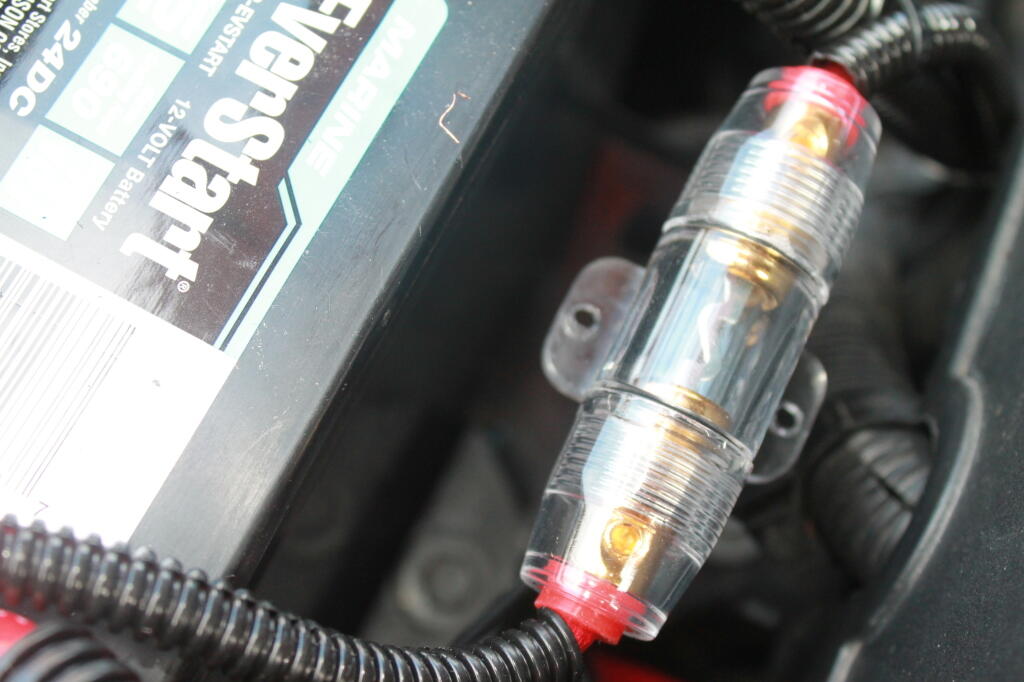
For most moderate lighting demands — let’s say 75-100 watts — enough to run a couple 26 watt florecents, your pretty close to the 4 hours. But when you start adding a laptop charger or fan, and after the third day without the truck moving, you start to drop things down closer to once an hour. Reducing the load when charging, also helps the truck charge faster, as does swapping out the 60 amp fuse between the batteries with a 100 amp fuse, to send any excess amperage to the deep cycle as fast as possible.

Fuse

The system originally came with a 80 amp fuse, but I cracked that fuse, when I was re-tightening the connections on fuse holders. Apparently, the fuse holder between the deep cycle battery and the starting battery was loose, and on the bumps of dirt roads would become disconnected. While ultimately, I fixed it by retightening the connections, I ended up breaking the 80 amp fuse, and could only get a 60 amp fuse locally. I plan to buy a 100 amp fuse over the internet at some point.

I rarely stay in the same campsite more then one night, at least without driving somewheres in the truck. Even relatively short periods of charging the battery at above idle speed, e.g. driving rapidly increases the rate of charge. It does however use much more fuel to drive the truck then staying idled.

Bumping Along Burnt Hill Road