politics

Merchants of Doubt

A local Climate Activist suggested I take a look at a new book that came out last year, known as Merchants of Doubt by Naomi Oreskes and Erik M. Conway. As somebody who has had a longtime interest in Climate Change and Energy Policy more generally, I was excited to find it at the Albany Public Library. I brought it home on a Friday night, and spent half the night reading it from cover to cover. Merchants of Doubt is the story of “How a Handful of Scientists Obscured the Truth on Issues from Tobacco Smoke to Global Warming”. It details and follows the lives of some of the most well known scientific contrarians specifically, the late S. Fred Singer, Jim Tozzi, and Steven Milroy. These people spent most of their later career criticizing scientific reports, emphasizing uncertainty and cost of implementing reform.

Delaware Ave

The book is very critical of these contrarians, arguing that they have both mislead the public, the media, and policymakers. The book says due to the abuse of science, many Americans and policy makers make bad decisions. The book also argues that artificial delay and debate over policy response has had a negative effect both on environmental and human health, and increased the costs of resolving problems. Yet, are all these concerns expressed in the book with the scientific contrarians really legitimate? I find that conclusion hard to accept. In a pluralistic democracy, having more voices is a good thing. It is good to have debate and allow “popularizers” on both sides of political debates to take scientific research and make it easily accessible to the public. Science is much too technical for the layman to understand it unless an effort is made to make it accessible.
LaFarge

One can make a legitimate complaint when a “popularizer” distorts scientific reality in a way that is completely contrary to what widely accepted research says. It for example is not right for a “popularizer” to claim that Man-Made Climate Change is not happening at all whatsoever, when the evidence is clear to the contrary. It is however the moral obligation for the popularizer to put that scientific research in context, emphasizing what he or she believes is the proper political context for it to be considered in. Smoking causes cancer. Excessive sulfur dioxide emissions from large power plants causes acid rain. Climate Change and the associated disruptions is caused by excessive carbon dioxide by the mass burning of fossil fuels. These are all well established facts. It’s not a fact that we should use control greenhouse gases or sulfur dioxide emissions – that is a political choice.

Lillies at Jessup River

There are many policy choices that ought to be debated. Just because science can predict a result does not mean we should necessarily adopt any one policy. Some may try to dodge reality because it’s easier then facing the facts, or admitting the true costs of one policy choice. That is a bad thing. However, nobody should act just because the science says one should do one thing. It’s unfortunate that Oreskes and Conway did not make it clear that while facts should not be debated, policy choices should. We should look at the science, weight costs, and decide on action or inaction. Regardless, it’s a interesting read, well worth your couple of hours time.

Map: Tug Hill State Forest (Inman Gulf Area)
Map: New Forge State Forest

Was I Born Too Late?

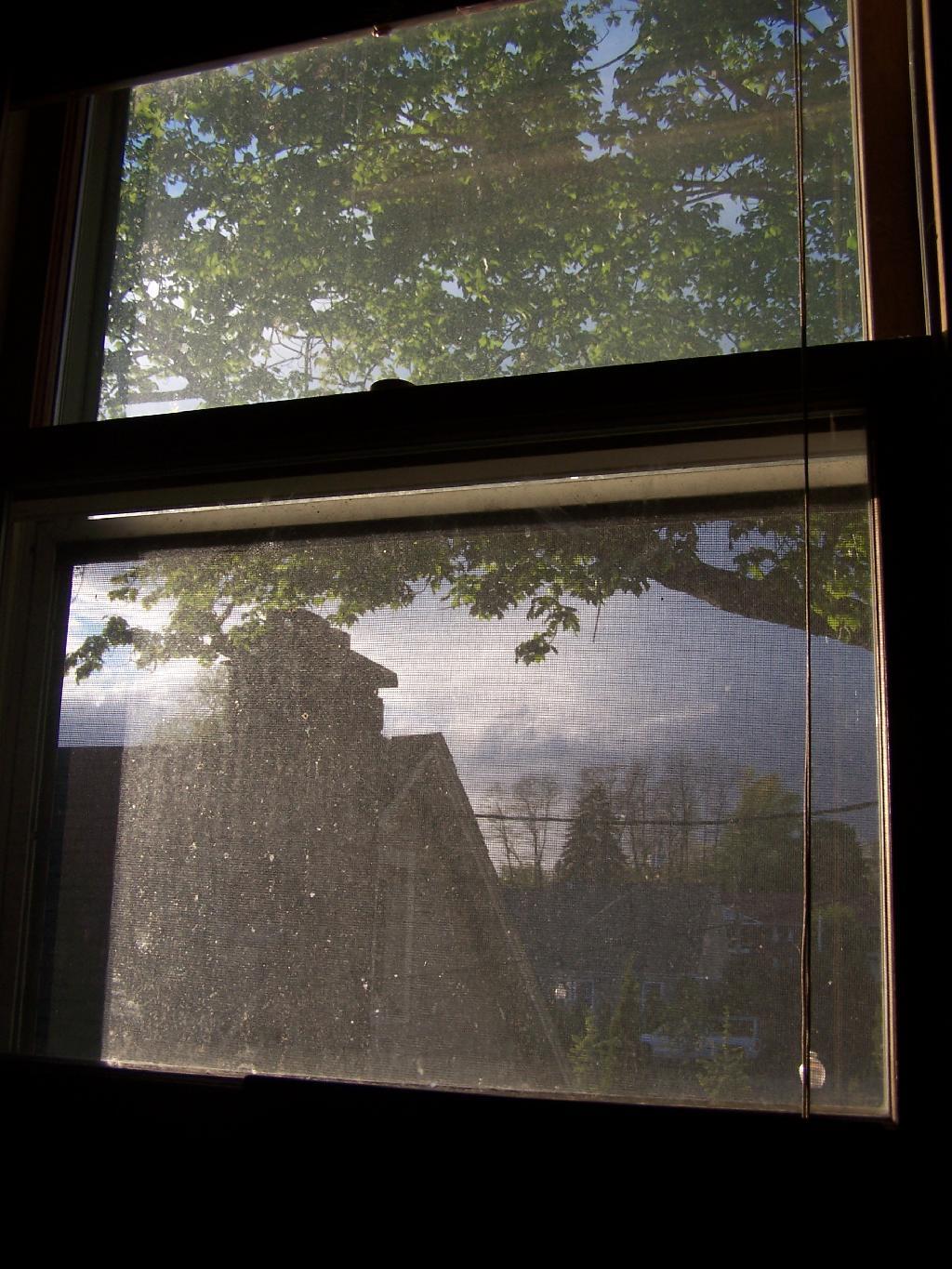
There are days when I look out the window and wonder a pretty simple question: Was I Born Too Late?

 Window Past My Desk

Now none of us have control of when are born or when we die. We are all creatures of the time we live, the ziegest of world that surrounds us. But I have to wonder, Was I Born too Late?

 Enjoying the Fire

A look back at times past, when I should have celebrated what I once had when I could. I think back to freedoms of yesteryear, and wish I could have been there. I have to wonder, Was I Born too Late?

Completed Housing Development

I look at once green farm fields that are now housing developments. A woods a remember as a child is now a freeway. A remote area, now developed. I have to wonder, Was I Born too Late?

Peru Sky

There is no turning back. I can’t live a life that is not mine. I can not turn back the hands of time, or control things beyond my own control. I have to wonder, Was I Born too Late?

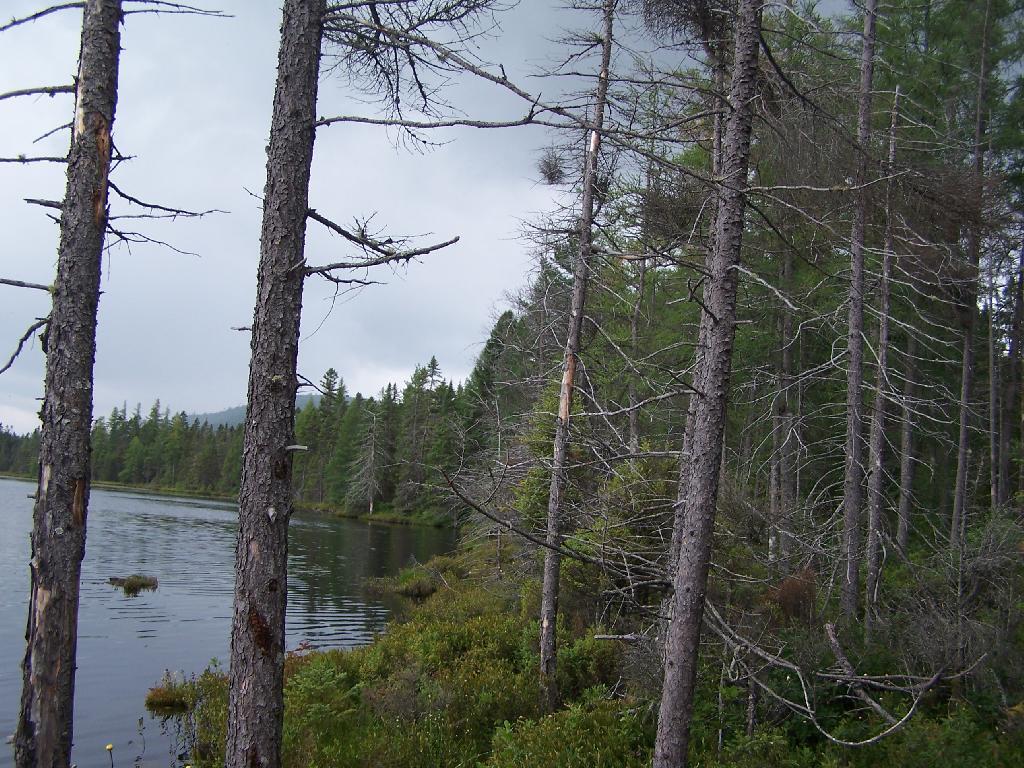
Edge of Helldiver Pond

Probably not.

I was born into the world that I live in today, and the best I can do is fight to make it a better place.

A Cornerstone of Smart Policy

Many people do not understand what the notion of being a progressive is about. It’s the notion that the more wealth, the more power, the larger the insitution, the faster the regulatory and taxation burden should grow. A progressive taxation system would follow a curve like this:

  • $1 Earned, 5% taxation on first dollar
  • $2 Earned, 10% taxation on second dollar
  • $3 Earned, 15% taxation on third dollar
  • $4 Earned, 20% taxation on fourth dollar
  • $5 Earned, 25% taxation on fifth dollar

In other words:

  • You make $1, you pay a total of 5 cents in taxes
  • You make $2, you pay a total of 15 cents in taxes
  • You make $3, you pay a total of 35 cents in taxes
  • You make $4, you pay a total of 80 cents in taxes
  • You make $5, you pay a total of 125 cents in taxes

Alternatively, a progressive scheme can be created/and or enhanced by “flat” tax cuts, such as giving a equal tax credit regardless of wealth. For example, let’s say you cut everybody’s tax bill by $500 per year. The rich person who pays $10,000 in taxes gets them reduced to $9,500, while the poor person who pays $750 in taxes, only pays $250 in taxes. The value to the poor person is far greater then the wealthier person.

There are three reasons why progressive taxation (and regulation) is an important concept for society.

  • We want to encourage growth by making it easier for people to get started in business with a much lower regulatory and taxation burden
  • The Law of Diminishing Marginal Utility states that every additional dollar or additional product that one owns, the value to the owner decreases.
  • We want to discourage businesses from growing too large, dominating the economy, and discouraging innovation.

Untitled

Society needs taxes to pay for the public services, programs, and infrastructure that are used in common or are neccessary to promote a just and fair society. Yet, when we tax society, we should always be working to create a tax and regulatory structure:

  • That encourages small businesses to grow.
  • That encourages creativity and new approaches to old problems.
  • That allow less affluent people to accumulate money and resources to help them invest in their own future and become more affluent.

Good tax policy encourages innovation and growth. That’s what progressive tax policy does, unlike other more regressive schemes of taxation that over-tax the poor, and discourage them from making the investments needed for growth and personal improvement.

Term Limits

  • Term limits put fresh blood into office.
  • They allow voters real choice in electing officials.
  • They allow for primaries to help select both party’s candidates.
  • You create a wall between lobbyists and elected officials.
  • They unprofessionalize legislative bodies.

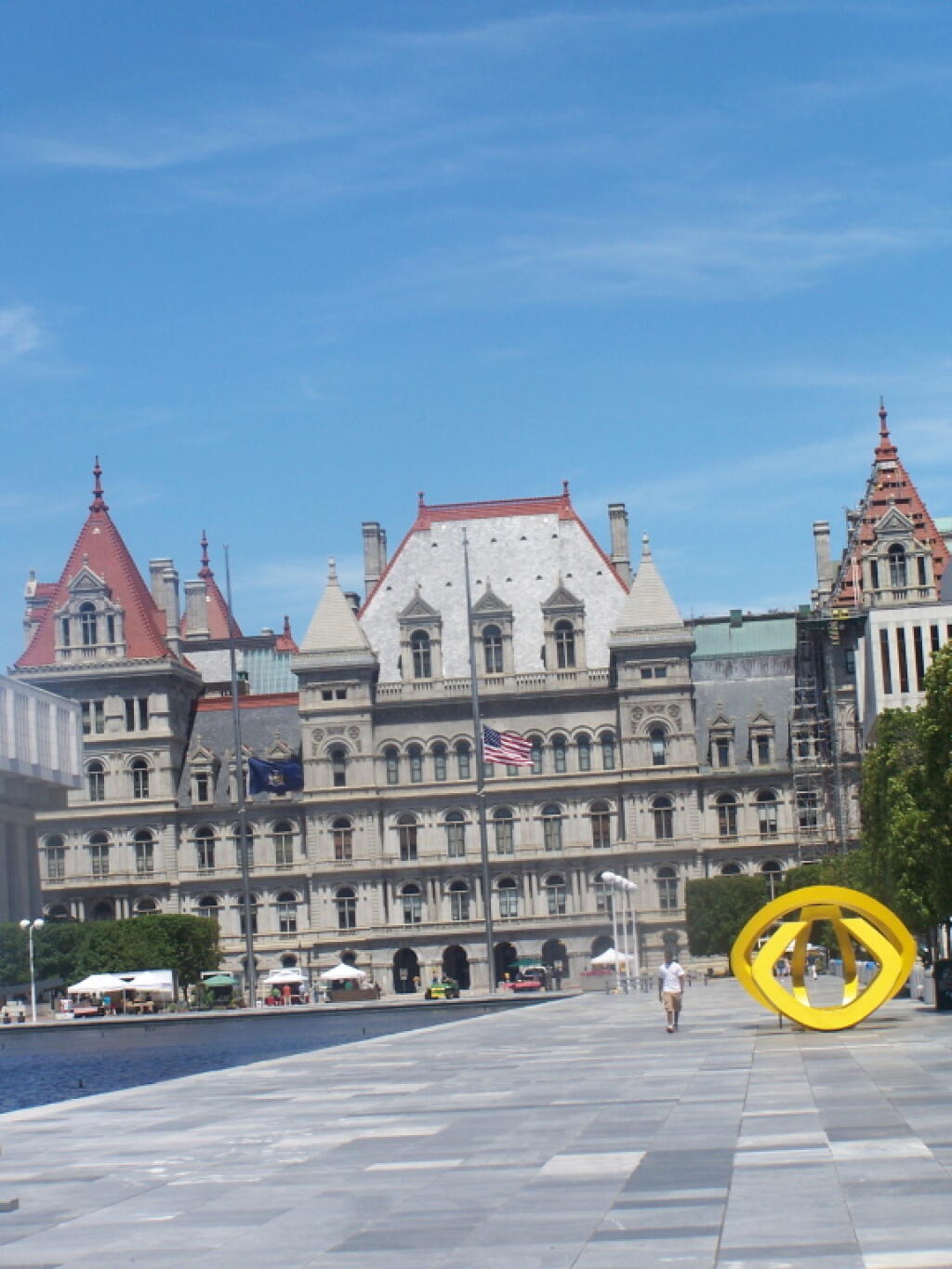
Capitol

Fresh Blood. When you prevent a person from spending a life time in office, it allows new people to serve in the office. New people have fresh ideas.

Real Choice in Elected Officials. People say that term limits prohibit people from choosing who they want to vote for. Yet, we know elections with incumbents are rarely a series of fair choices. Incumbents use their official duties to curry support with special interests, ensuring that they almost always win.

Legitmate Primaries to Select Both Parties Officials. There are rarely legitimate or even competitive primaries against incumbents. Incumbents enjoy so much financial support from the special interests and political parties, that most challengers can not unseat them.

Create a Wall Between Special Interests and Elected Officials. With long-term incumbents, they have much more time to get to know and trust special interests. With long-term incumbents, they are much more likely to have served in office the same time as the people who are trying to lobby them.

Unprofessionalize Legislative Bodies. While you probably want your denist or automobile repair shop technician to a professional, you don’t really want your politician to a be professional. You want people not to be stuck in their ways, and to try innovative things. Leave it to the professional and non-political bureaucracy to implement things.

Likes and Dislikes

Tea Party Likes.

  • Not afraid to question, criticize the establishment; their independent
  • Anti-tax sentiment, especially when it comes to fees and hurting the average Middle Class American
  • Anti-regulatory sentiment, and highlighting some of the abuses of our bureaucrats and their power grab
  • Pushing for change and reform, a new breed of politician

Hope

Tea Party Dislikes.

  • Too closely tied to Republican Party and Republican Candidates
  • Too caught up in conservative rhetoric
  • Takes libertarianism to it’s logical extreme — it takes questions of personal liberty to the extreme of corporate domination
  • Too anti-union, anti-fair labor practices
  • Unwilling to see when government can do the right thing

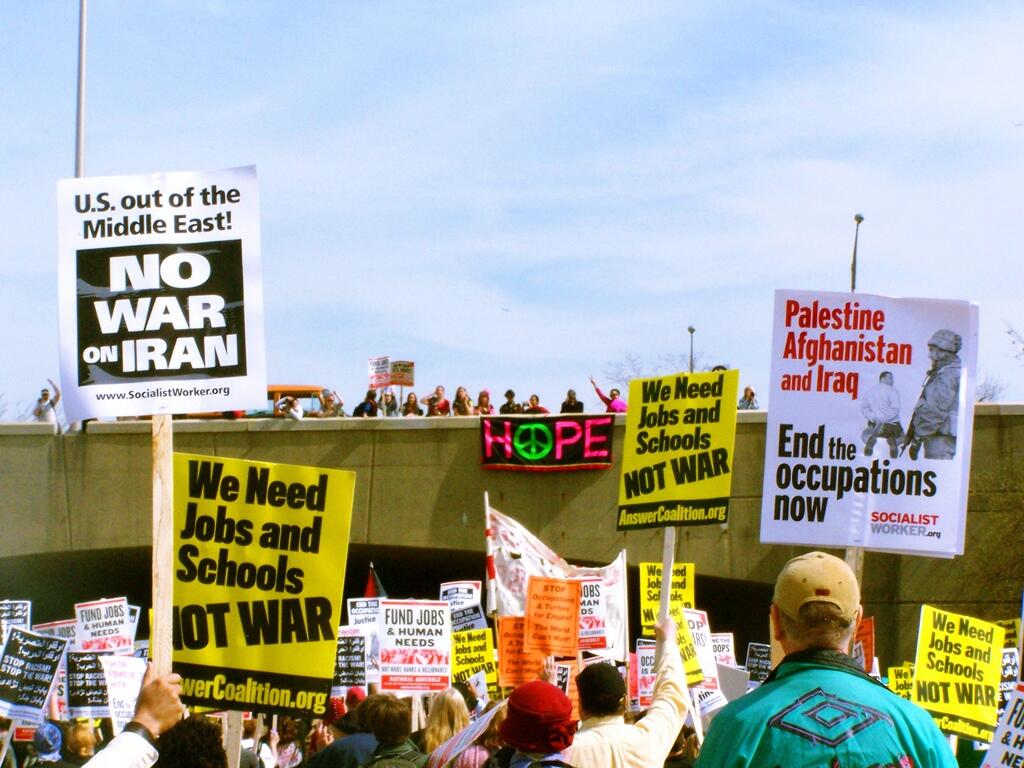
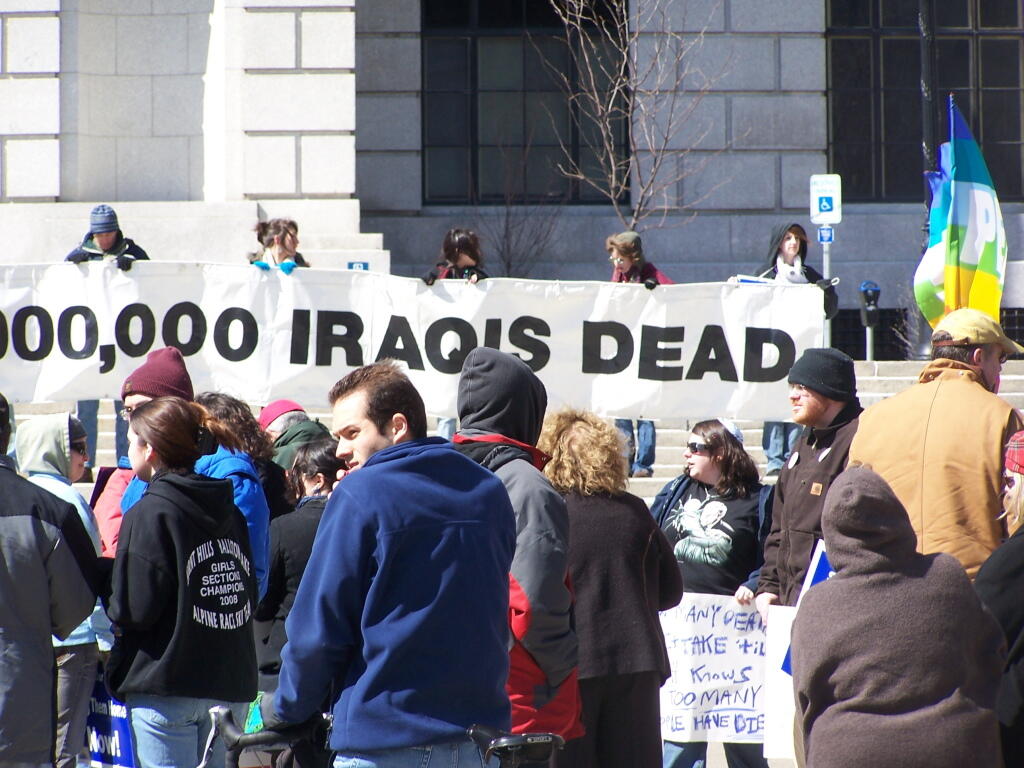
100,000 Iraqis Dead

Indeed, if the Tea Party Movement could get away from all it’s conservative and libertarian extremist rhetoric, it would be something I could support.

If the Tea Party Movement could get behind moderate Democrats — those who progressive economically, but also libertarian or even somewhat conservative when it comes to social issues, it would be something I could support.

I don’t want to see our country ruined by a lack of a good government, nor do I want to see our country become a totalitarian state run by liberal activists.