experience

Middleburgh Cliff

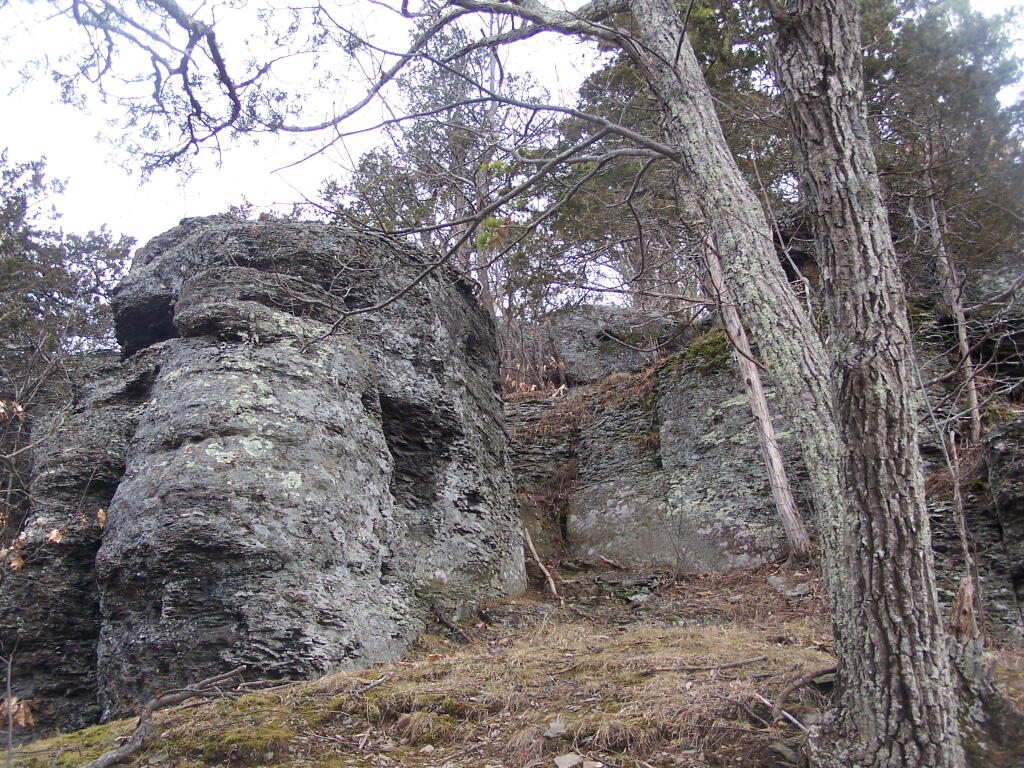
Directly to the East of Middleburgh there is a long narrow landform known as “The Cliff”. It’s a 500 foot high hill, with about 40 feet high cliffs, overlooking Middleburgh and Schoharie to the west. Cotton Hill sits above it to the east. While privately owned by the owners of the dairy farms in the valley below, the Long Path crosses it and you can use it to explore the cliffs.

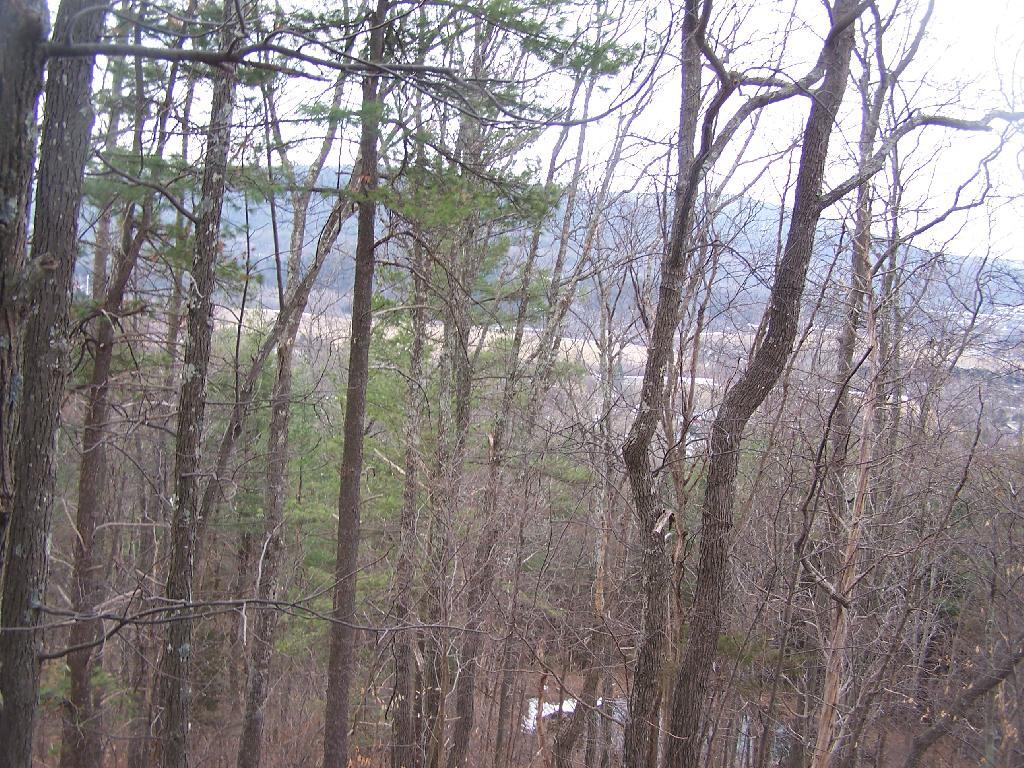
As you climb the hill on the Long Path, looking backyards there are broken views.

Broken Views As You Climb

When your almost to the top of the Cliffs, there is a quick scramble over this ridge. This is a section that is very much hand and knees, you’ll probably toss your pack up and then climb up to retrieve it.

Cliff of Middleberg

After you get to the top, you have some views to the south, including Vromans Nose.

View South After First Ledge

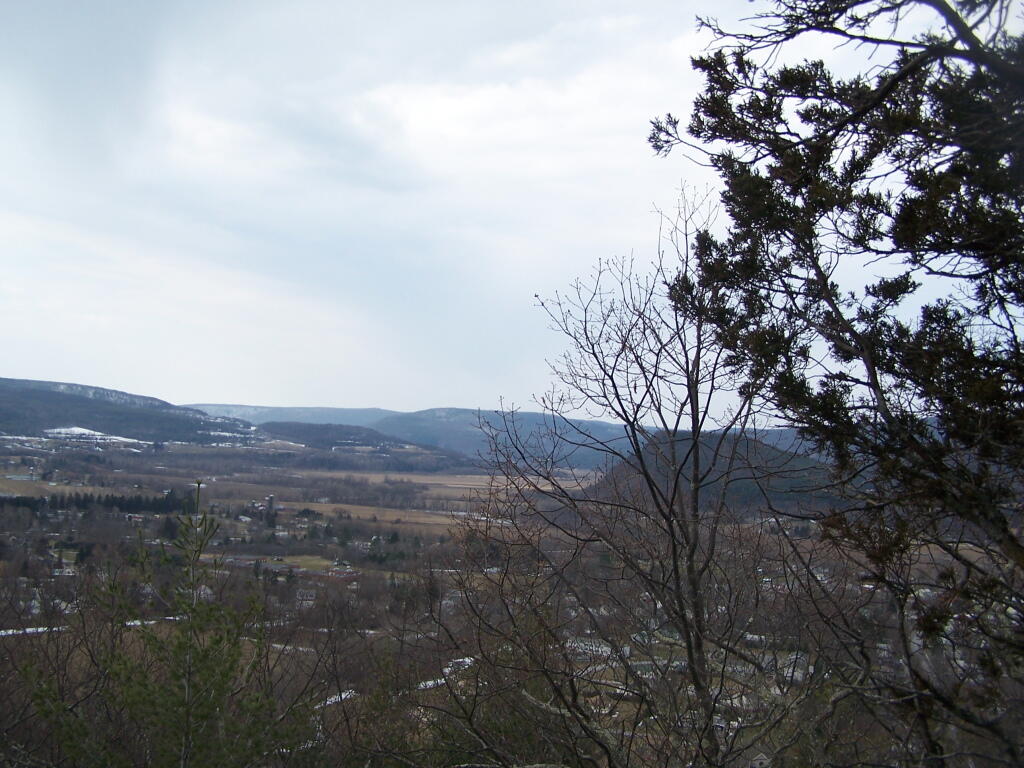
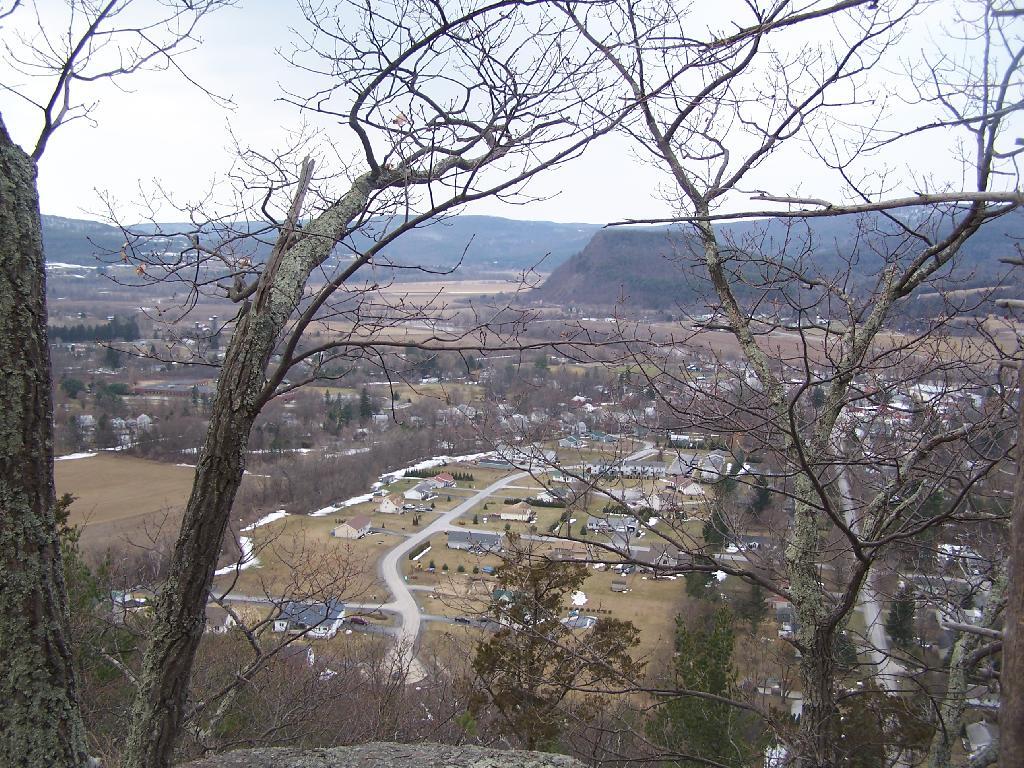
Further along the trail you get some broken and then improving views of the Schoharie Valley just north of the Middleburgh. In the background is Middleburgh Roundtop Valley, and where NY 145 climbs the ridge to get over to East Cobelskill.

Middleburgh vs. Schoharie Creek

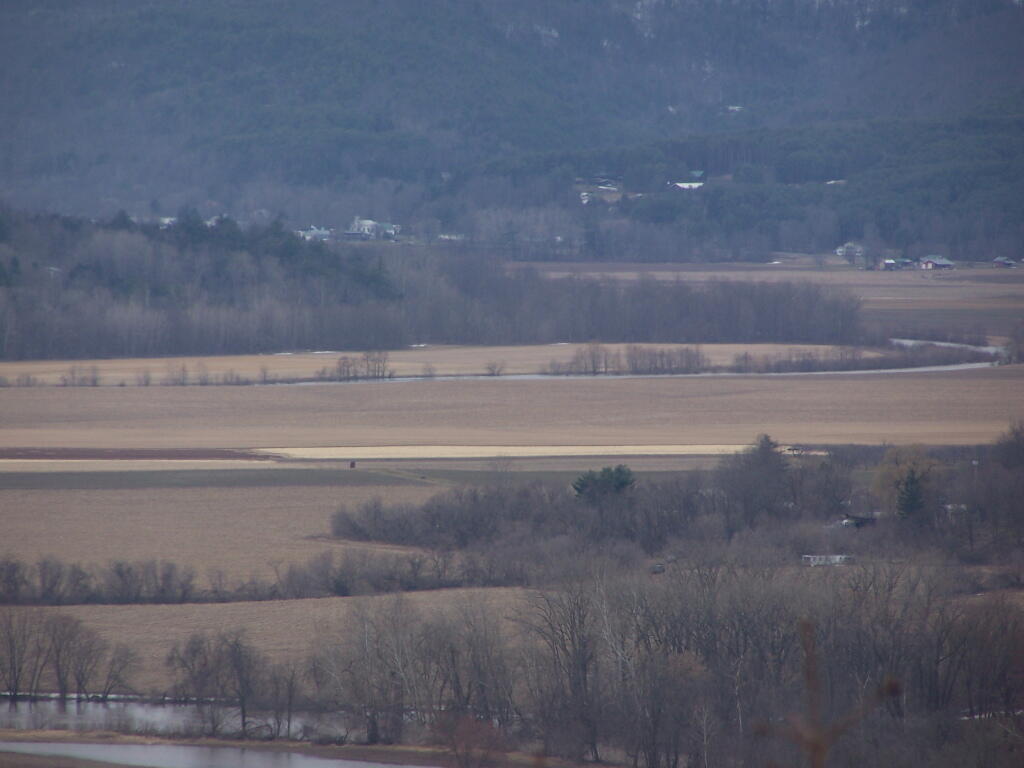
The agricultural flat lands south of Middleburgh.

Schoharie Creek Twists

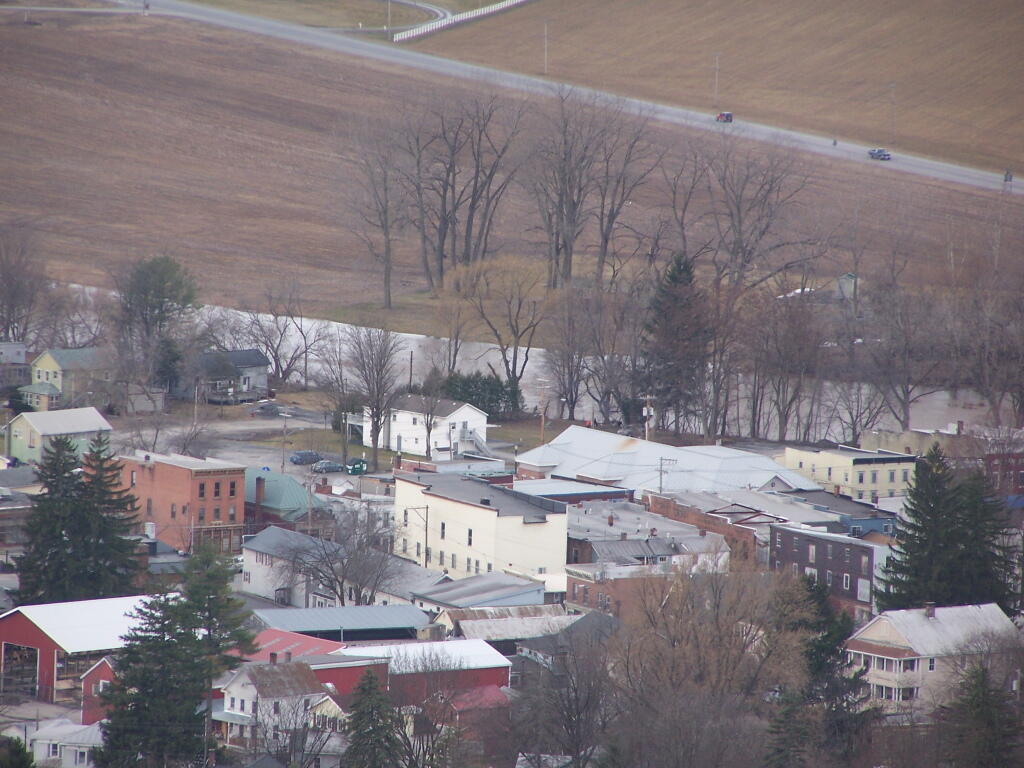
The new more suburban section of Middleburgh, with the older village in the background. I never understood why people would live out in the sticks, but also live in a suburban subdivision in a classic small village.

New Portion of Middleburgh

A dairy farm along NY 30 north of Middleburgh.

All and all, this hike doesn’t provide amazing remote lands, but still has some interesting agricultural views of the fertile Schoharie Valley. Taking no longer then a total of a 45 minutes round trip, it’s a nice hike to do with Vromans Nose or take the trail farther west to Cotton Hill Lean-To.


View Cliff of Middleburgh in a larger map

Ground Hog Day

Today is Ground Hog Day, when Punxsutawney Phil is pulled out of his den to find out if he has a shadow, and to forecast the rest of the winter season. We all hope that he does not see his shadow, so that by some act of nature the spring will come six weeks earlier. It’s unlikely though, especially in the northeast.

Frame 59

It’s been awful snowy all winter, including one bitterly cold burst during January. You can argue it’s been worst then most years. The good news is that the worst is beyond us, and mud season can only be a dozen or so weeks away. Some how getting your truck stuck in the mud and muck beats this terrible winter weather.

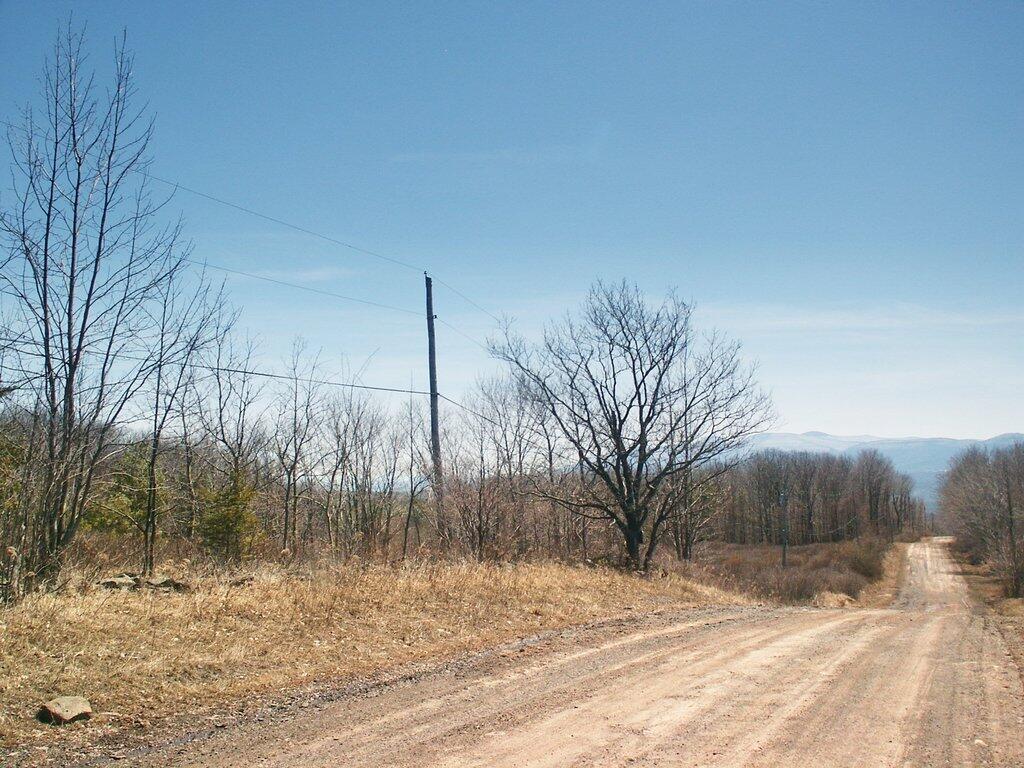
Distant Mountains

We all want this season will come to an end. It was fun at first, but not so much now. Things will get warm, and it will be wonderful spring then summer. We will be sweating once again outdoors, and spending long nights looking up at the moon, sitting around the campfire. But for now, enjoy the cold.

9-11 – A Memoir

For the three-year anniversary of September 11th, I felt it would be appropriate to put to a short memoir of that day. After all this time, it still rings amazing clear from the time I first found out until I became aware at the truly horrifying nature of the attack. Still, I realize that memory fails over time, so I figured that I ought to put it all down on paper the best way possible.

The day was September 11, 2001 and it was a Tuesday. I got to sleep into about 8 AM, as my first class was not until 11 AM. My dad was still home, helping my grandfather who had been sick the previous night. I woke up, read the papers online and offline, and took a shower like usual. Looking out, it was going to be a beautiful, clear and crisp September day. It was ideal weather. I was happy, as I was starting to love college and all the freedom it brought, even though I had only been there for two weeks total.

Right after I had taken my shower, and was about to leave with my dad to take him to work and for me to go to college, my mom called. She just called to check in, and to find out if dad was planning on going to work with me. Over the phone she mentioned that a plane had hit one of the World Trade Center buildings, though it didn’t get much of reaction from me. At that point, I knew that the World Trade Center buildings were those big and tall, ugly gray buildings in the skyline of the city, but little more.

Plane accidents and other rather horrific things are announced on the news all the time, so I wasn’t particularly surprised. It was 9:30 about then, and I hopped in my car and turned on the radio and listened to music for about 10 minutes. A little before 9:45 AM, there was a news bulletin about this story, and it suggested that I turn to WGY radio station for more details. The news bulletin suggested it might be terrorism. Flipping to WGY, I was shocked to hear that the FAA thought that several planes had been hijacked that this was part of a massive attack on the United States.

I listened carefully. Details on the radio were often sketchy and confusing. There was the Pentagon attack, two or one planes in the World Trade Center, and a lot of other information that proved to be wrong. My dad and me speculated on what this would mean to the United States, and how different policy actors would react to these attacks. He said it would be an incredibly interesting time to be studying Political Science.

I dropped him off to work at the Center for the Disabled in South Albany. He got out of the car, and suggested I turn off the radio so not to be distracted while driving. I went to turn on the music station I was listening to previously, but it just mirrored WGY. Clear Channel directed all its stations to these terrorist attacks. I got to college at about 10:30 A.M., and by then I started to get a fairly good idea on what had happened, though many of the details were still sketchy.

The attack had left me feeling a bit overwhelmed and shocked at the same time. It was a rather strange feeling, one that is nearly impossible to describe in words. I was downright angry that any individual or group could be so wasteful and do such destruction. I also felt like I was deathly alone, even though I was sitting in a parking lot full of students all sitting in their cars listening to the radios. Still, I stayed at college, intent on going to my class. I wasn’t particularly scared, though I guess it would have been smart to evacuate the city to go home, where I would have been safe. I just could not seem to personalize these events until I saw them.

I got out of my car about 10:45 AM and walked over to Amstuz Hall for my 11 AM Statistics Class. When I got there, the television was on, showing for the first time some of the most horrific scene I had ever seen. The bright blue sky contrasted against the burning buildings. They repeatedly showed the same couple of seconds of poorly shot film of the second plane hitting the building and the smoldering one plain. Then the news got worst: one of the buildings had collapsed. The news was so horrific, though nobody really knew how to react.

Throughout the day, a question kept popping up in my mind: what would this mean to us Americans? I knew how a post-Columbine world meant the decline of our civil liberties in High School, and I couldn’t imagine what would become of America. Some of the radio commentaries hinted slightly at this issue, though most it was drown out by the shock and hype about this day. I went as far as to mention to a friend that I thought “the worst tragedy won’t happen today, but September 12 or whenever Congress gets back down to business”. I knew that future legislation like the PATRIOT Act would greatly threaten our liberties.

A little after 11 AM, I was notified that all classes were canceled for the day. I called my mom and let her know I was okay, classes were cancelled, and that it looked like both towers had fell. Then, I hopped in my car and went home. But first, I sat in my car, waiting for traffic to clear, as thousands of students fought to get out of the parking lot. I sat in my car listening to the continuing radio coverage. I got home, and laid back, and drowned out the whole world.

Looking up at the sky the next couple of days, it was kind of refreshing to see a clear sky without any planes. It was kind of strange, but nice without the roar of jet engines passing distantly above, or jet trails clogging up the clear sky. I kind of wished the world would further remain this way, but I knew such an ideal was impossible to reach.

September 11th came and went. It was a shock, as was the drum beat up to war. This was the first real war of my lifetime, and it challenged me to think about my pacifism in new ways. I fought passionately for civil liberties in class debates, but my wonderful History of the 20th Century Professor Carmen was probably right to a degree: things had to change a bit for war, and that we had to give up only a few civil liberties. Still, I just wish this attack never happened, and that we could enjoy the full liberties of yesteryear.
Map: Wilcox Lake - Willis Lake Trail
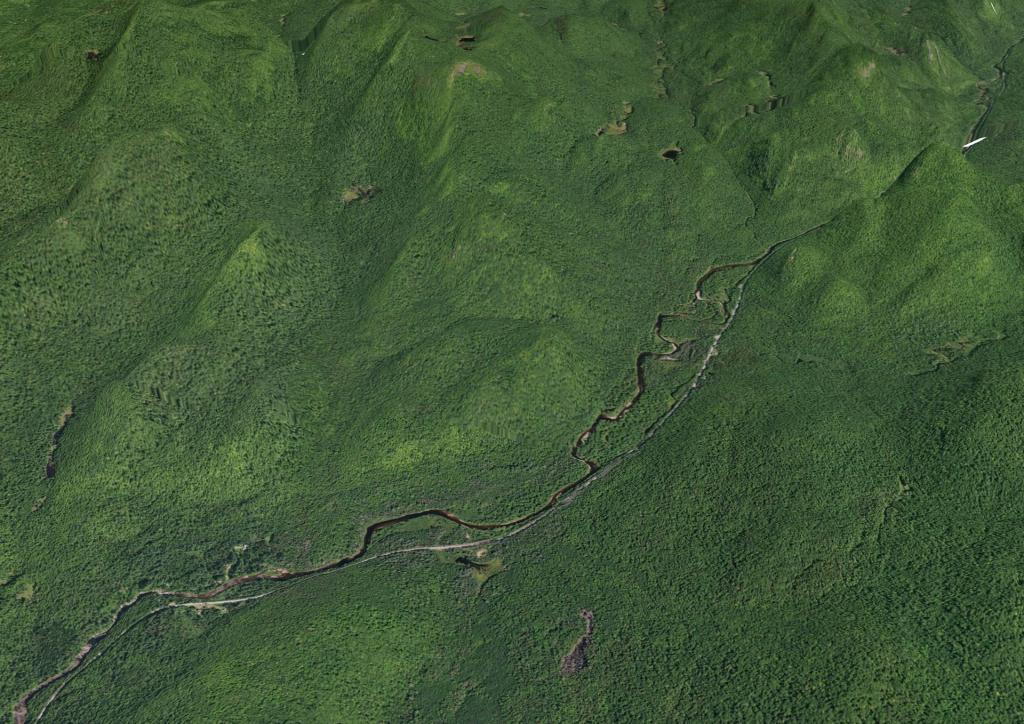
Map: Auger Falls Via Griffin (East Side)

Remembering the Ice Storm ’08

Notes on the Re-Run for Tuesday, December 6th.

— Andy

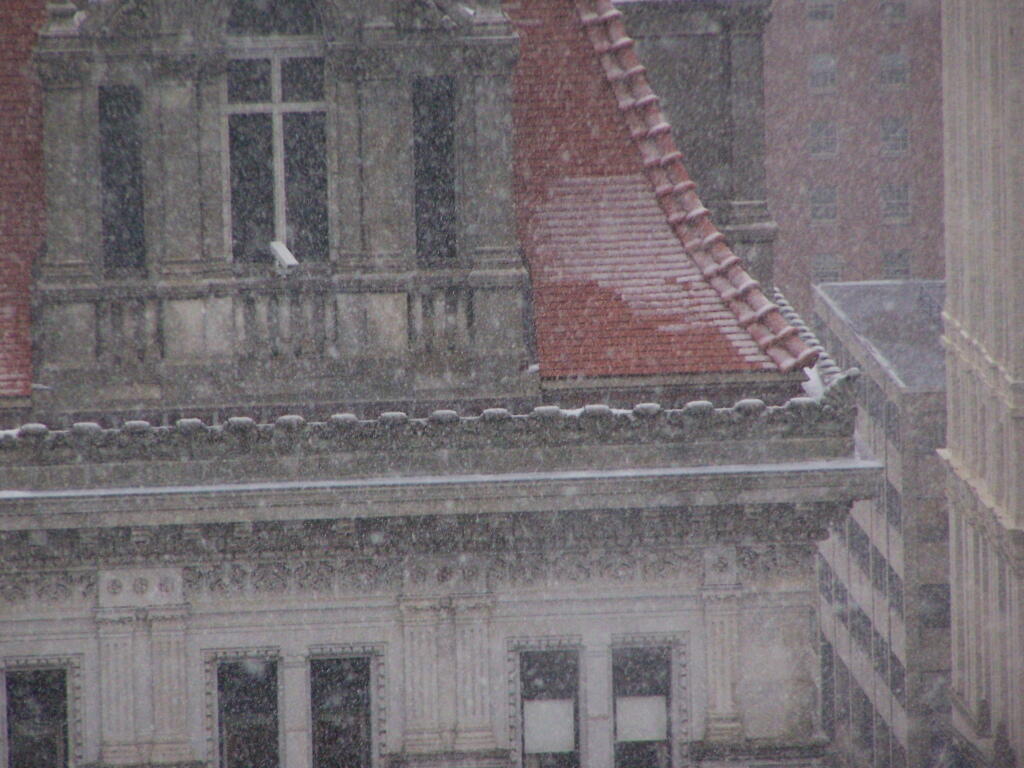
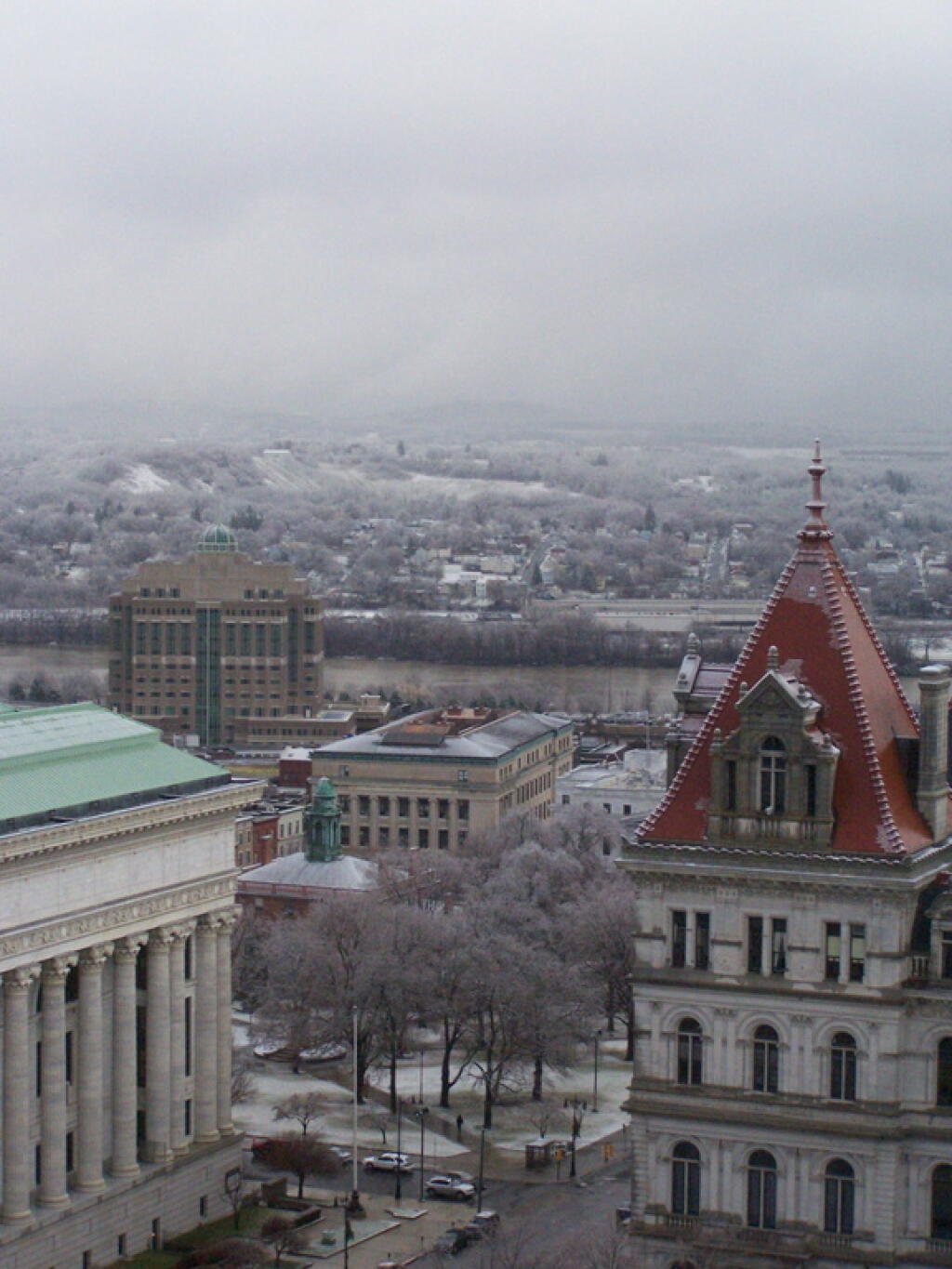
Throughout Friday, freezing rain, sleet, and snow came down, covering the State Capitol and surrounding building with a layer of ice.

Snow Capitol

The ice weighted down trees and made everything look “wet”, but it did not pile up all fluffy like we think of snow being.

Snow Across Hudson

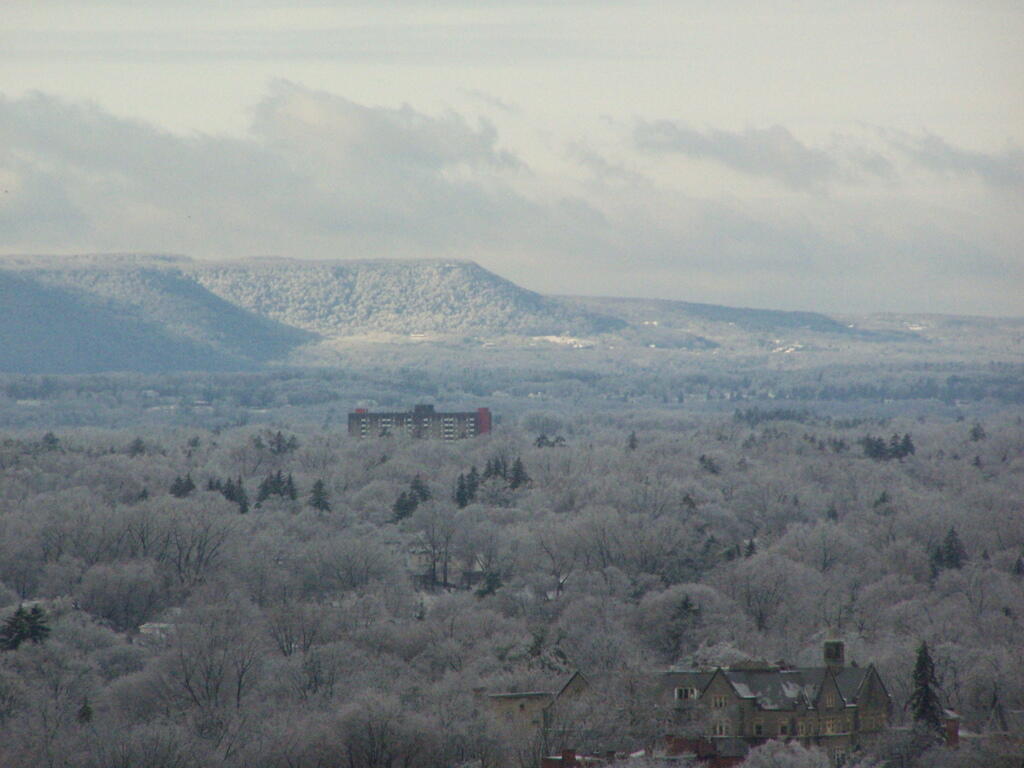
Here are the Heldeberg Mountains covered with ice and beauty.

Heldebergs in Ice

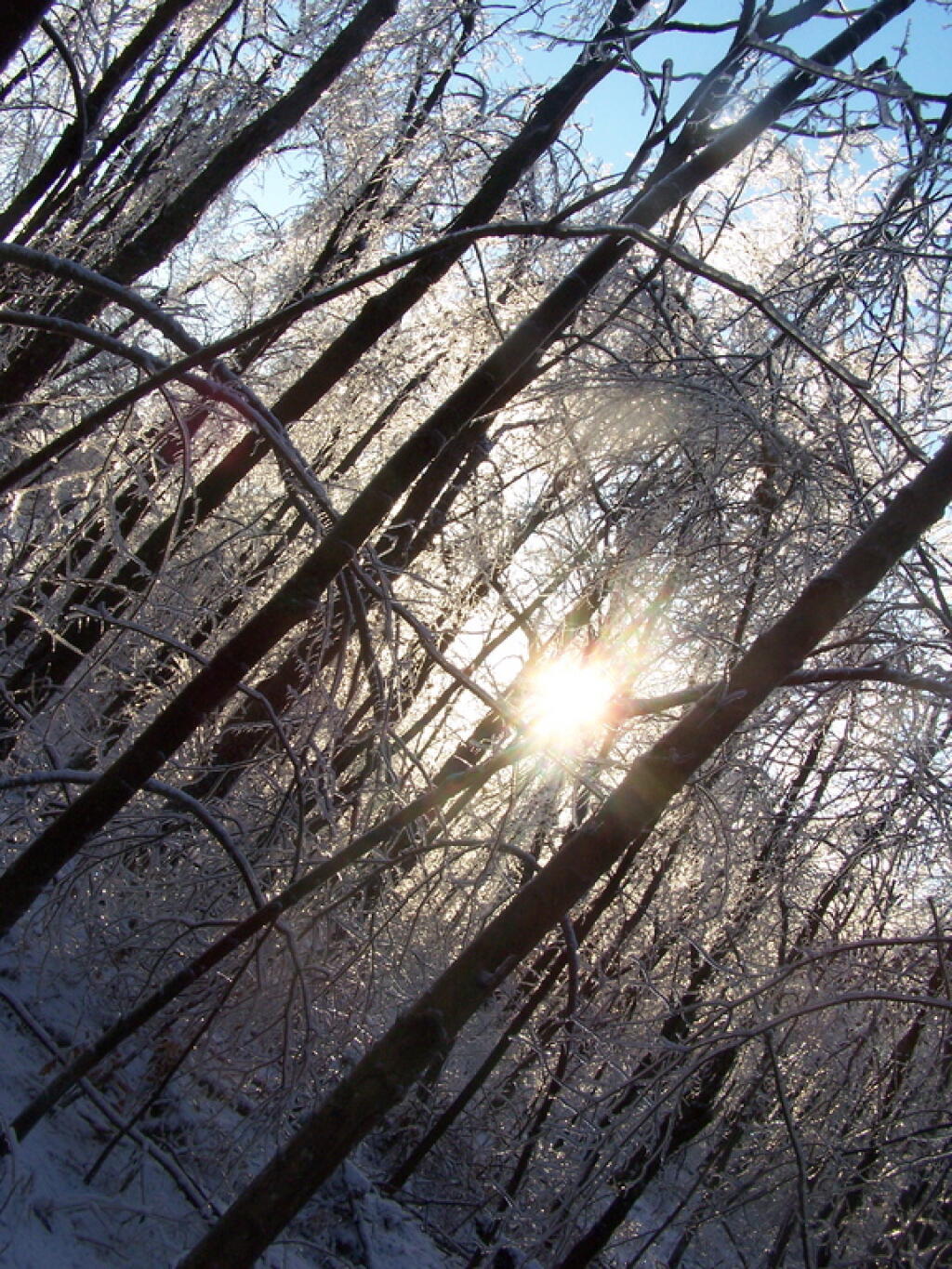
The next morning walking through the woods, covered with ice and beauty at Cole Hill State Forest.

Ice Beauty

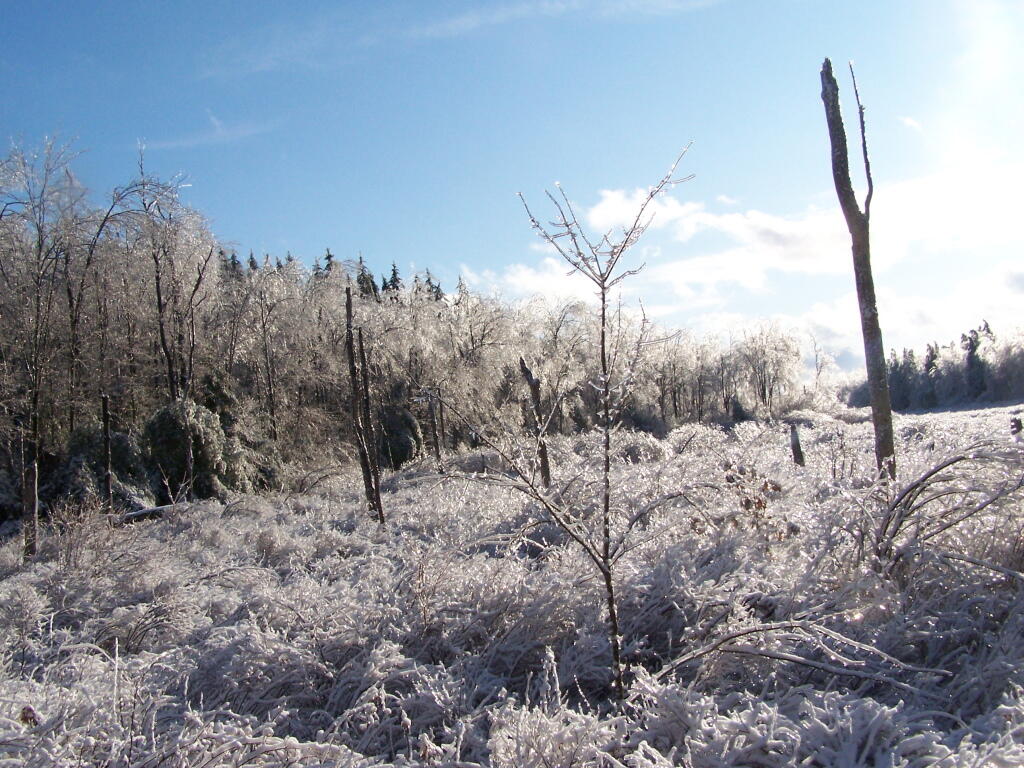
The swamp at Cole Hill was just shimmering in light.

Ice Swamp

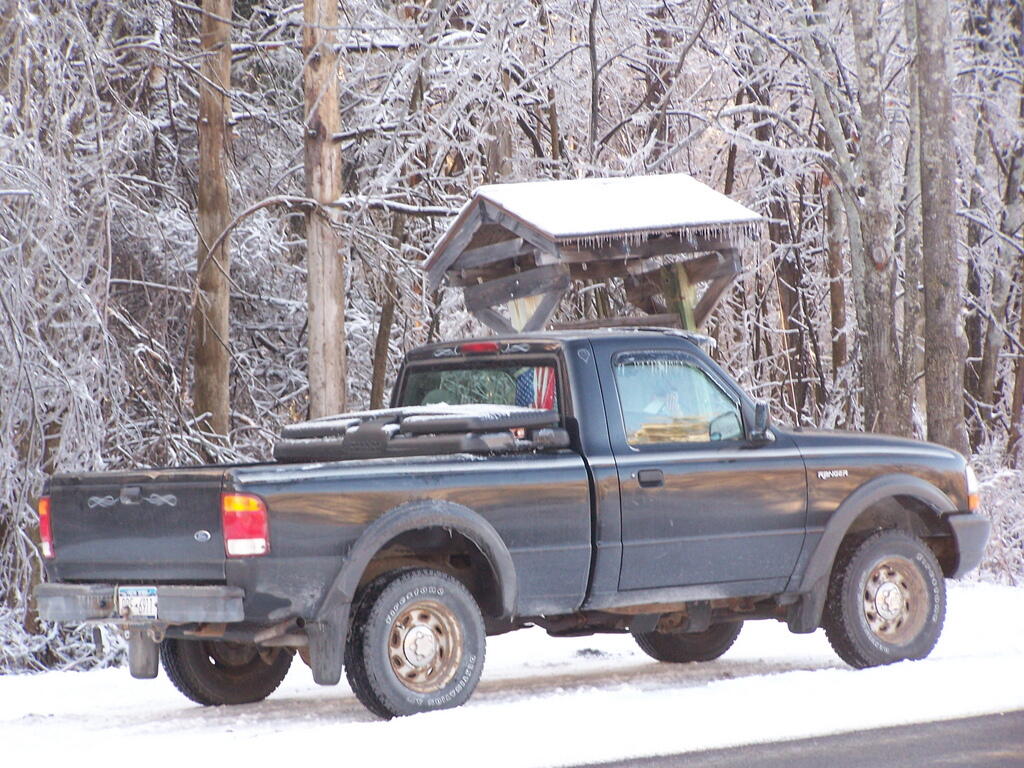
While driving the pickup for a while got the ice melted off the doors, it kept freezing shut, and I had to keep cracking the ice off the doors.

Pickup with Ice

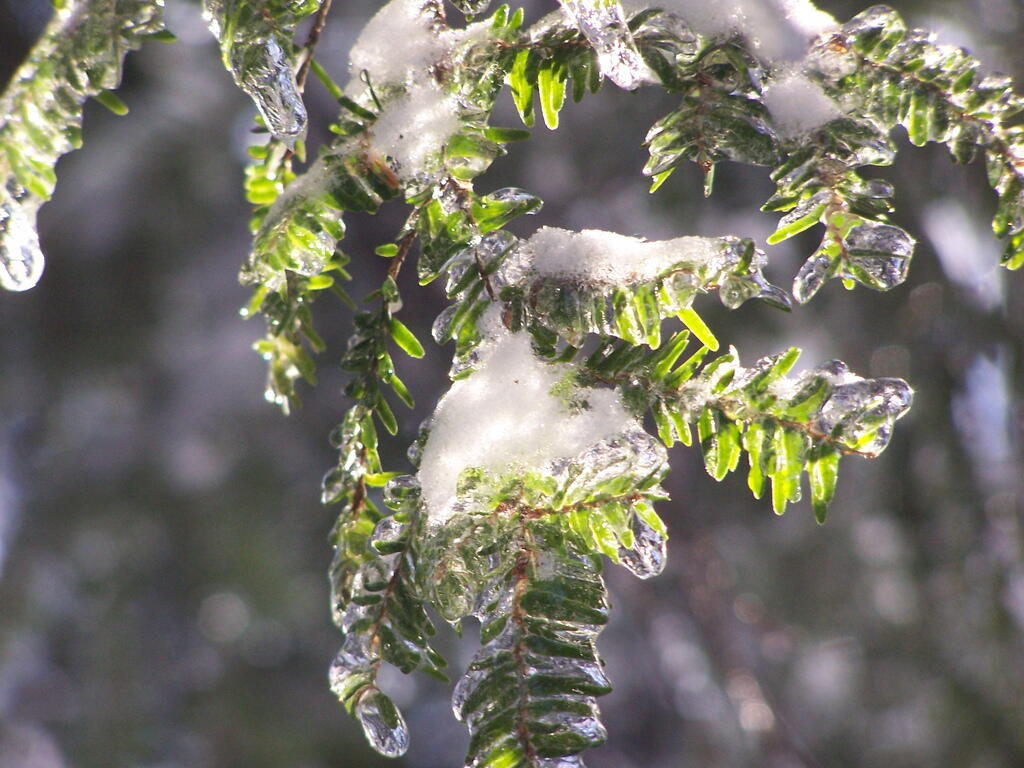
Ice on a Pine Tree at Thatcher Park.

 Ice Pine

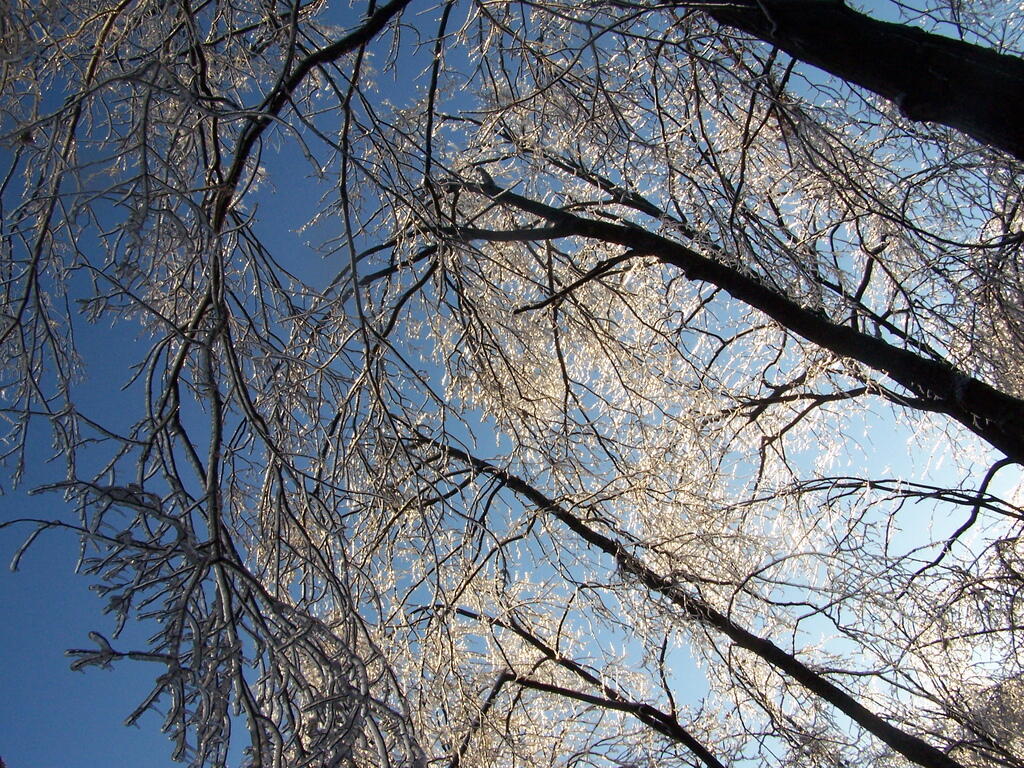
Branches covered with ice where so pretty.

Ice Limbs

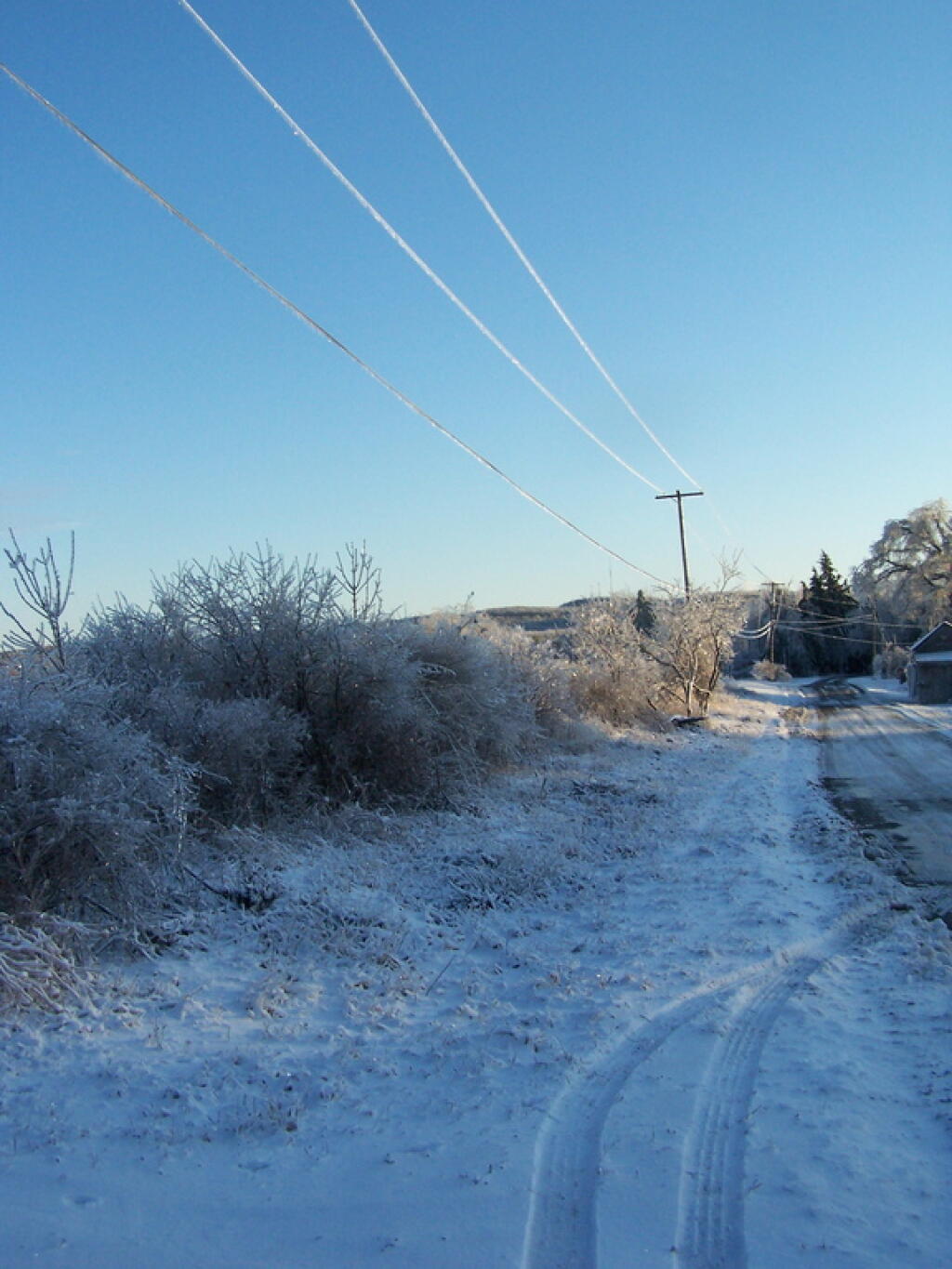
Even when it was on the power lines and knocked out power to thousands.

Ice on Power Lines

The Ice Storm of 2008 was so beautiful, even if it did knock out power and close down roads.

Paying My Respects to the Lake Champlain Bridge

Notes on the Re-Run for Thursday, December 22nd.

It was almost two years ago when they blew up the old Lake Champlain Bridge…

— Andy

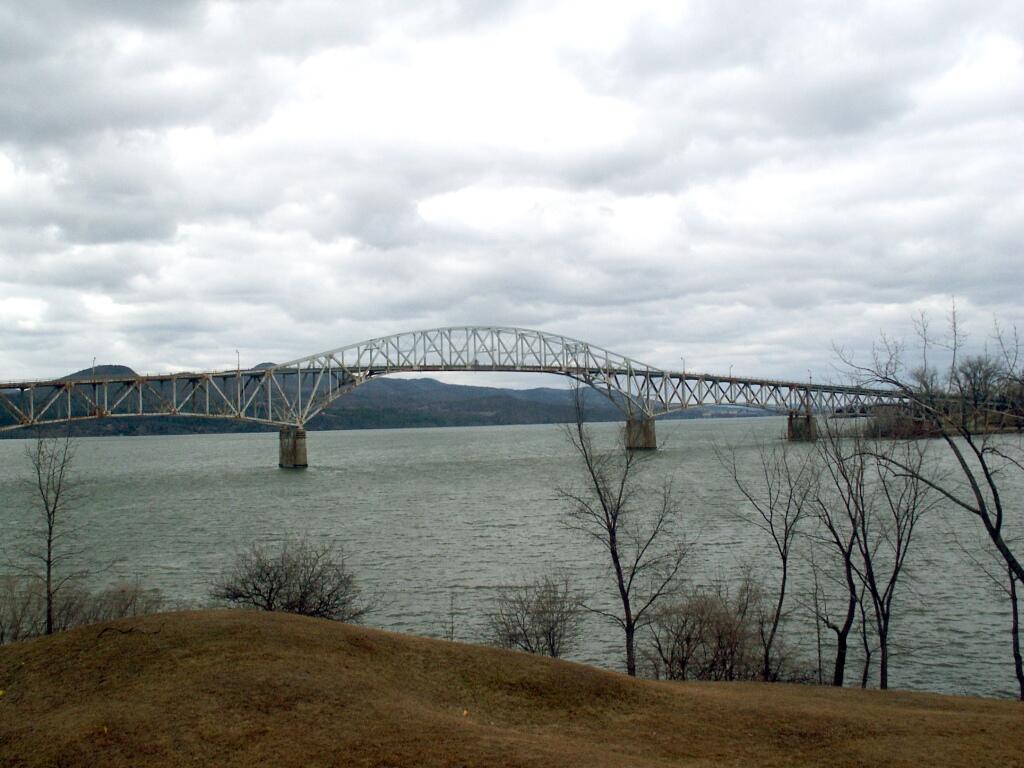
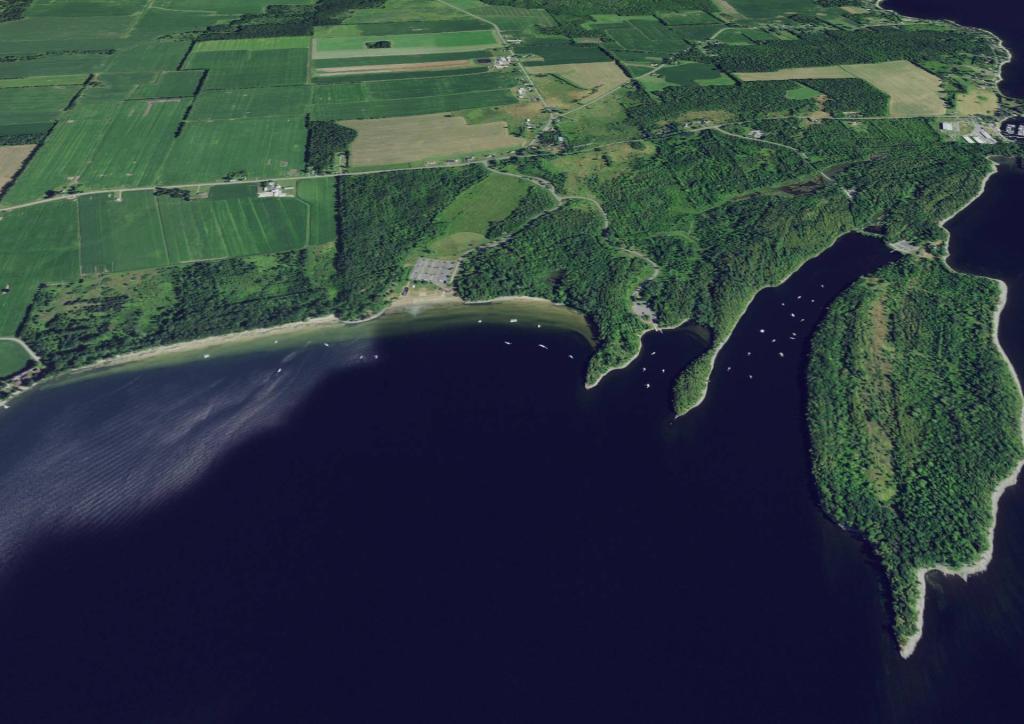
Yesterday, I drove up to Chimney Point, in Vermont outside of Addison to witness the sad but historic passing of the Champlain Bridge. The massive 80-year old span was imploded into the frozen lake, after two piers where discovered badly damaged, and was determined to be likely to fail catastrophically without a controlled demolition.

Old Lake Champlain Bridge

It is sad to see such a historic landmark go. Nobody really wanted to see such a landmark go up into a pile of rubble. As I stood there on Chimney Point, I stood next to many farmers and other local residents who had been alongside of and over the Champlain Bridge thousands of times. It’s such a big landmark, that stands out over the landscape, with it’s arches reaching 130 feet above the flat landscape around. Pictures simply don’t do justice. Many had grown up seeing it’s majestic spans and beautiful archways, and just assumed it would always be there. Some of the oldest residents might even remember back 80-years ago to 1929, when the bridge was under construction.

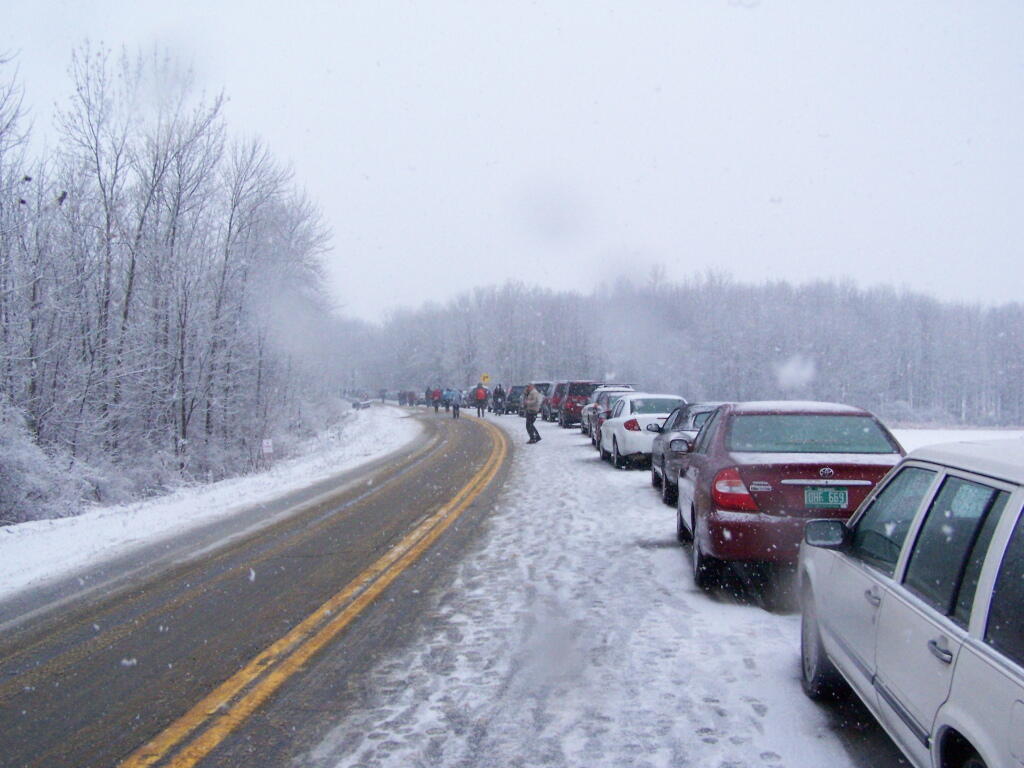
Walking to the Bridge on VT 128

It was truly a community event. I swear every person from the very rural Addison County, VT and surrounding areas had to have been there. I don’t think I’ve ever seen so many pickup trucks with dairy-farming related bumper stickers, men and children with muck boots on, Carharts and seed-hats. It was such an amazing group of people, with such a complicated mix of emotions about the demolition of the bridge. People where sad to see it go, but also hopeful for the new bridge. Some where cynical that something ever as great could be built again.

Clean Car States

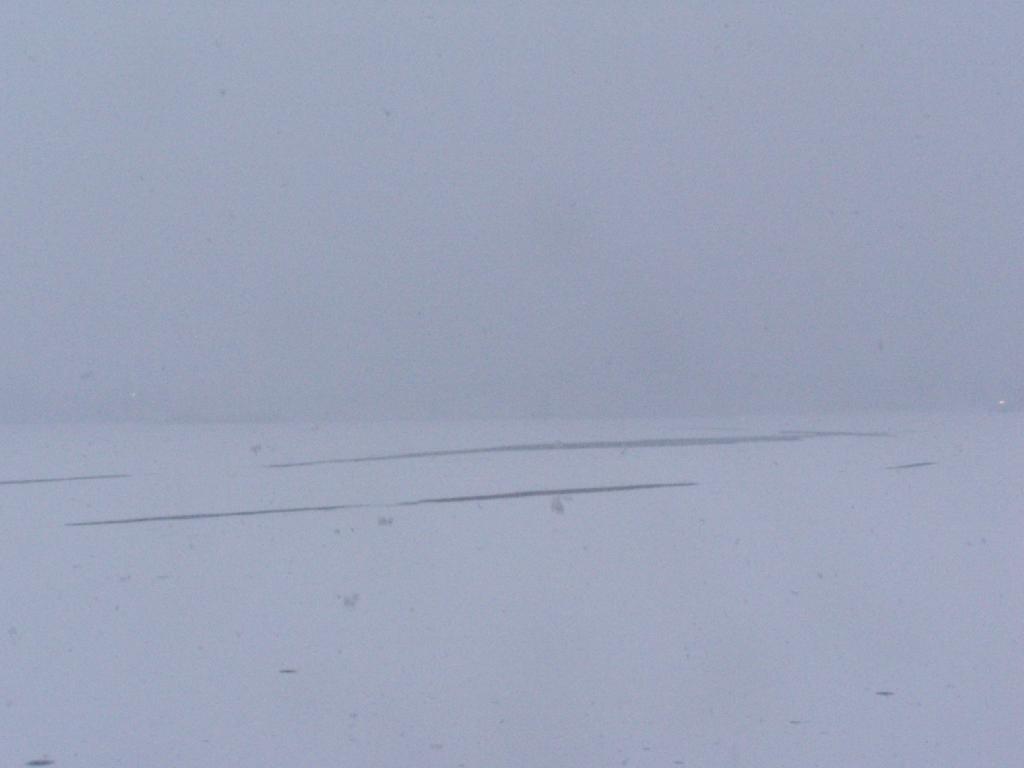
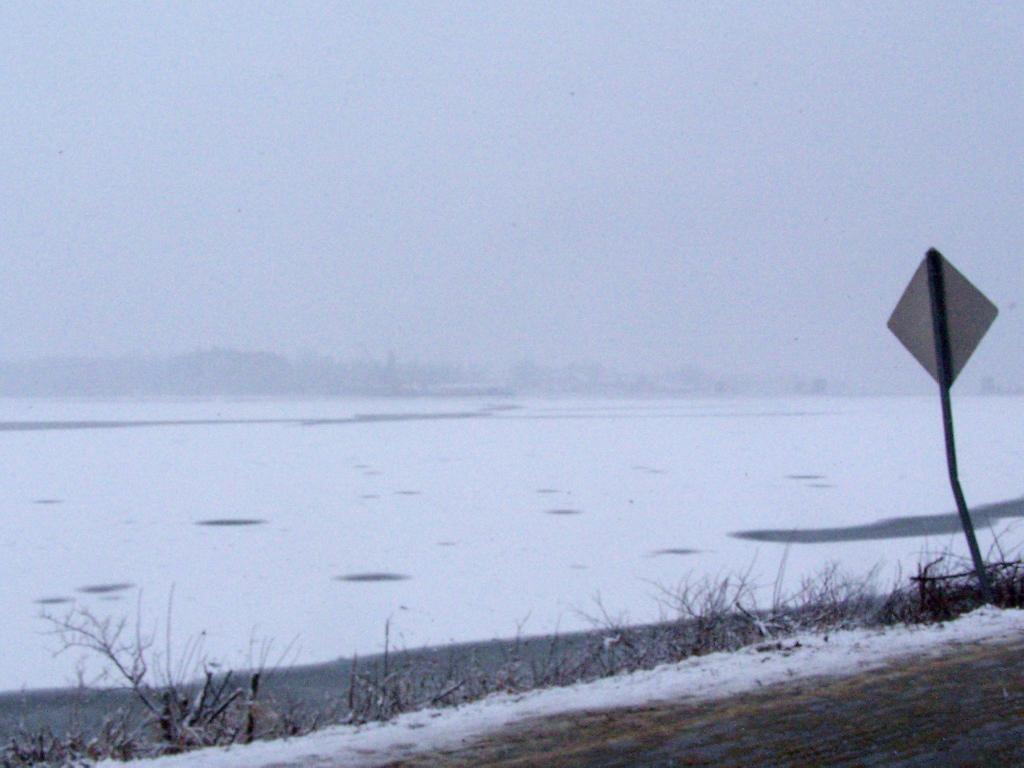
The wintry weather made the span almost invisible from the site about 3,000 feet away from the bridge where I was looking at. Chimney Point had probably the best viewpoint of the Champlain Bridge on a sunny day, your back would be to the sun, and with a back drop of the Adirondack Mountains. You could see the bridge fade in and out like a ghost as the snow squalls blew out and blew in. What you could see was so massive, so beautiful. Yet eerie, because all that was left was the lightest silhouette of the old bridge. The silhouette was so light, that it was hidden from the camera.

Silluote of the Bridge

Then there was the loud bang, right at ten in the morning — a thunderous roar lasting less then a second or two, that shook the ground and sent ice soaring a foot into the air on Lake Champlain, even as far away as we where. The energy wave forced upon the lake and the surrounding landscape shook the parked cars so hard that it set off car alarms. It was not like listening to a firecracker going off, but more like a wave of energy coming at you. In the wintry blizzard-like weather, you barely saw the bridge fall, but it was still the most remarkable feeling at you felt the thousands of tons of steel and concrete hit the waters of Lake Champlain.

Vermont 127 and Vermont 17 where one way during the day to allow for parking, so leaving everyone had to drive by the fallen bridge. The once majestic bridge was little more then just a pile of rubble sticking up from the frozen lake in a wintry fury of the snow. I looked like something out of a war photograph, although it was much bigger and much more realistic. It was a bit scary that we as a society could convert such a massive and beautiful structure to just a pile of rubble.

Bridge Remains

On the 400th Anniversary of Samuel de Champlain’s discovery of Lake Champlain and the fertile plains that surround it, it’s sad to see such a man-made landmark go. Yet, it’s also a reminder of how man made landmarks come and go, and only natural wonders like the mountains and the lake remain. While people since 1929 have looked out across the lake at Chimney Point at the engineering marvel of Champlain Bridge, much of the rest of the landscape remains unchanged since the day Samuel de Champlain first made his voyage in 1609.

A new bridge will replace the first Lake Champlain bridge, and service the automobile, truck, pedestrian, and bicycle needs of the 21st century, but it will be little more then an impermanent landmark that must someday fall and be destroyed like the first Lake Champlain Bridge. Nobody can foresee the demolition of the new bridge, in some future century, but it will ultimately be gone just like the first bridge is now gone.

(this picture taken just north of the bridge was taken in March 2006).

Blue – Bridge
Yellow – My View
Green – Where I Parked


View Champlain Bridge Demo in a larger map
Map: Mountain House Trail and North Mountain
Thematic Map: Albany Art