

Responsible Use 📍

Fracking, Grazing, Timbering Important to Our Public Lands
In nearly every place in America, rural or urban, you can turn on your car radio and tune into one of 50 or more radio stations on the AM or FM band. The radio frequencies are publicly owned, but the radio stations are private businesses that lease their frequencies from the government, and provide the public with the benefit of a constant stream of music, talk, or other programming. Radio stations derive their revenue mostly from advertising or “underwriting messages”, with only a small portion of non-profit stations coming from the government or donors.
Most people agree this arrangement works pretty good. Yes, we all tire of the constant barrage of advertising for DWI lawyers and car dealers, but accept this advertising as part of deal when it comes to listening to free over-the-air radio. For most part it’s a good deal, and if we don’t want to listen to the advertising, we can just change the channel and find another station playing the tunes we like.
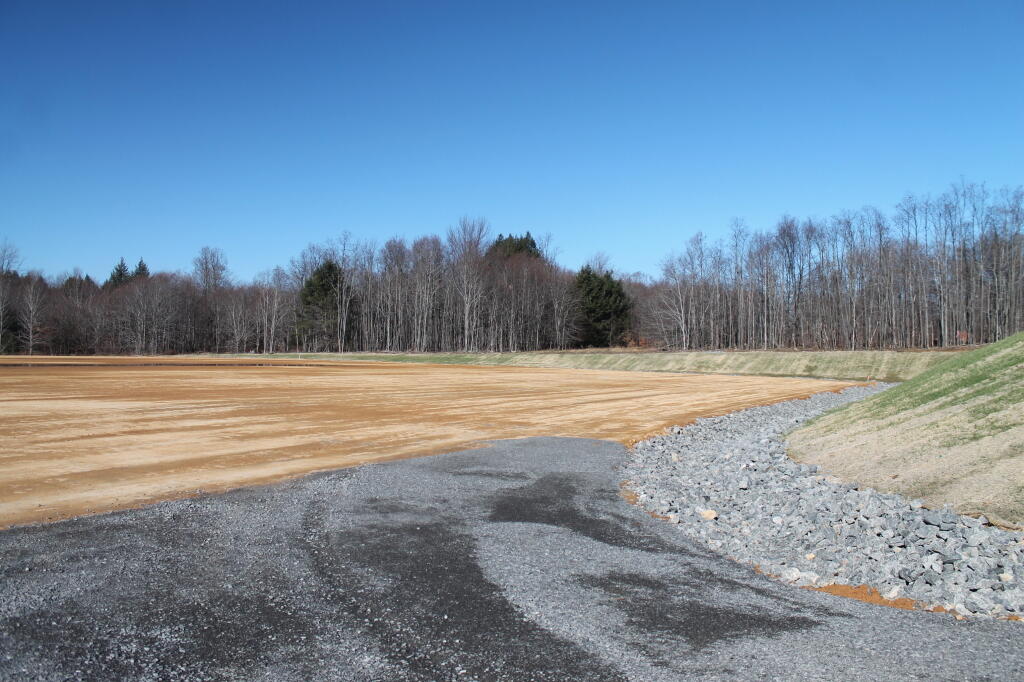
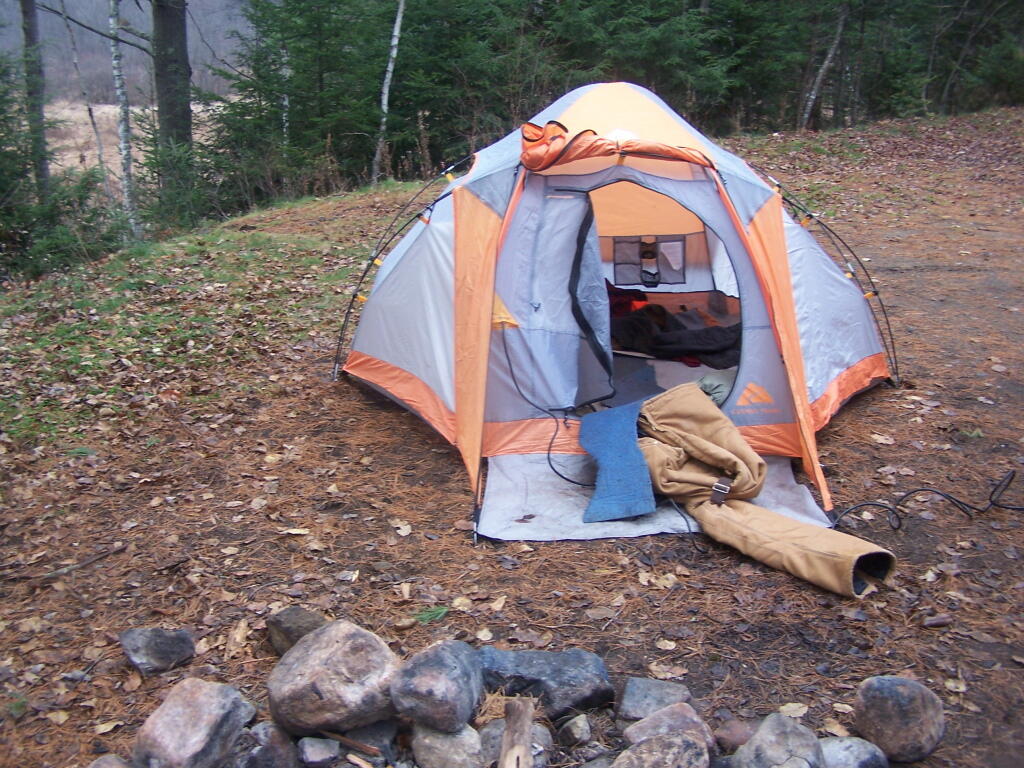
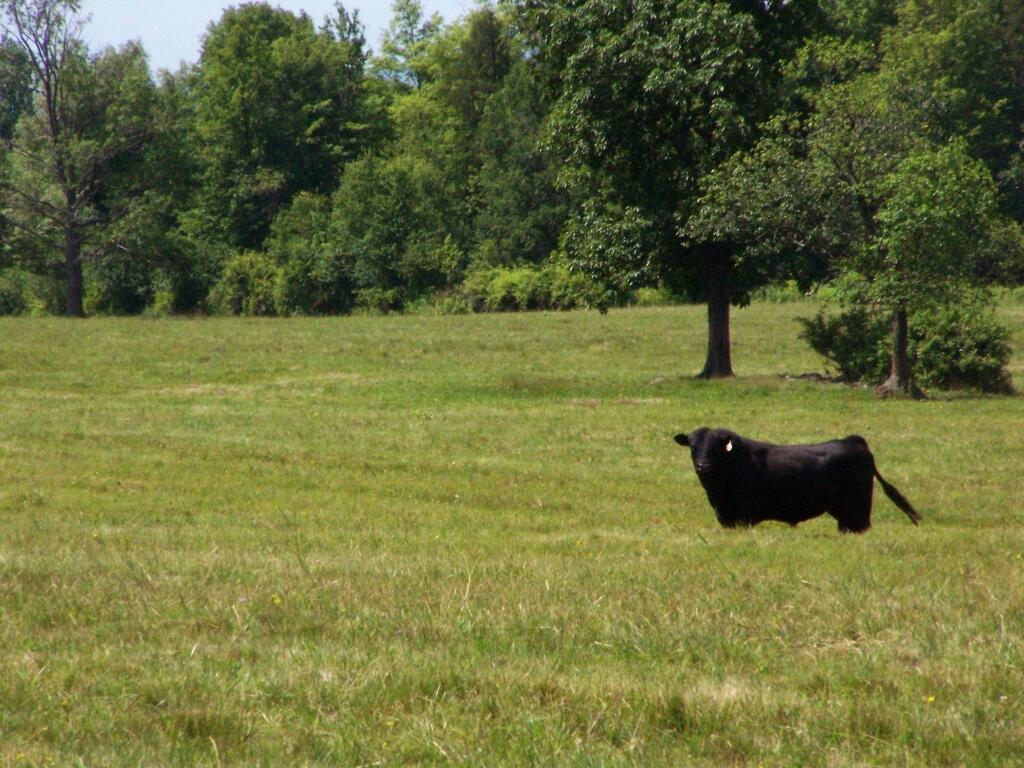
Our public lands are similar. Most public lands are free for the public to use for recreational purposes, such as camping, fishing, hunting, hiking, mountain biking, snowmobiling, riding ATVs, or even scenic driving along dirt roads. These lands derive much if not most of their revenue from timber sales, grazing leases, and sales of mineral rights. The state and federal government uses sells resources on public land to pay for its recreational uses, while also benefiting the public by providing access to needed resources as at an affordable price.
![Untitled [Expires June 24 2024]](https://andyarthur.org//data/photo_014141_large.jpg)
Public land resource sales are governed by strict regulations relating to their siting, process, and restoration process. A company that wants to drill for oil or gas, must have a plan and bond posted to restore the site to original condition once the extraction has concluded. Timber harvest must occur in a way that protects water resources, and provides for reseeding of the trees, so new trees grow up and replace the harvested trees. Impacts of resource sales are to be temporary on the public’s use and enjoyment of the resources.
There should be a small number of areas where wilderness areas should be designated to prohibit most extractive use of public lands. These lands are paid entirely from general tax revenue. There should also be intensive use parks, that are fully developed with picnic tables, flush toilets, playgrounds, and swimming pools, in small portions of public lands. These are generally paid through user fees, collected at toll booths at entrance, and general tax revenues.
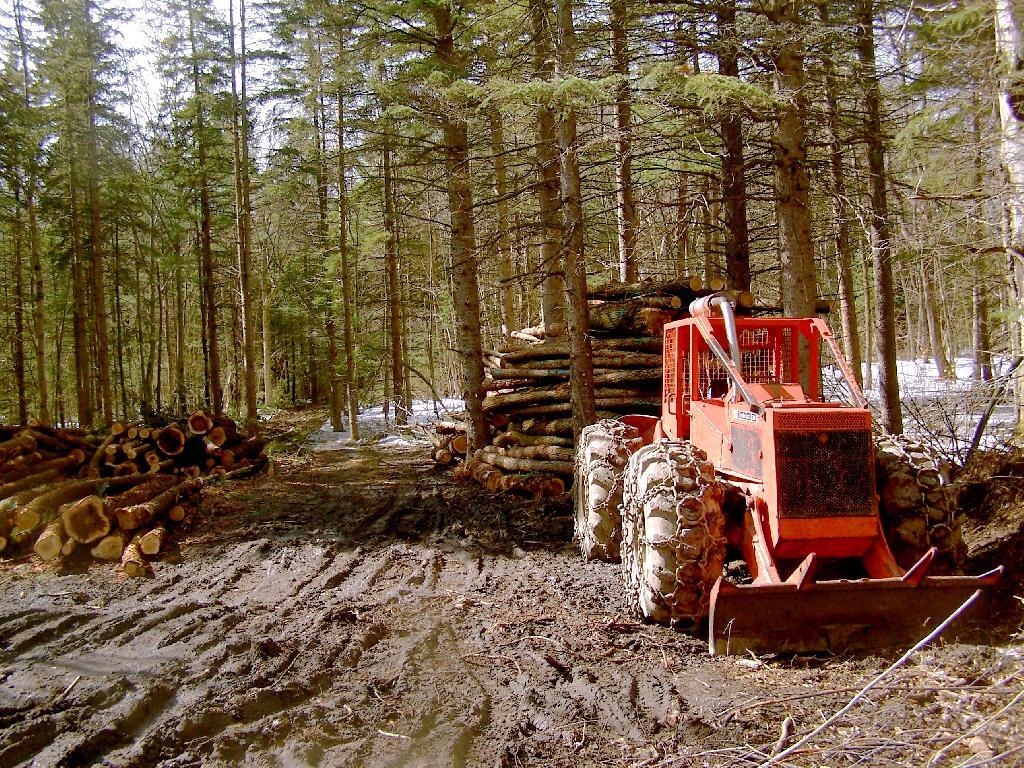
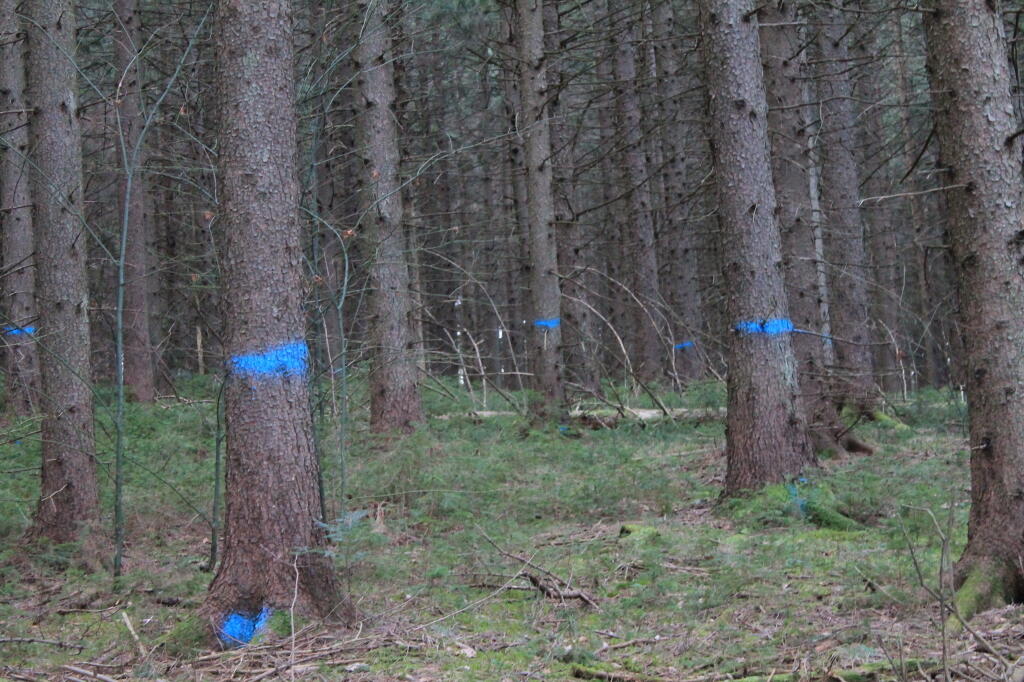
But for the vast bulk of our public lands should be free-to-recreate with the balance of income for facilities coming from the responsible extraction of resources by private for-profit corporations. That means, much like advertising on the radio, the regulated cutting of timber, the drilling for oil and gas, and the grazing of cattle, are just part of what we must accept for wonderful, large, essentially wild spaces where the public can use for recreation with minimal constraint or cost.
“Where conflicting interests must be reconciled, the question shall always be answered from the standpoint of the greatest good of the greatest number in the long run.”
~ Secretary of Agriculture James Wilson (1905)
Think Locally, Act Locally
In 1970, Earth Day activists talked about Thinking Globally, But Acting Locally. Their argument was that what one community does, effects other communities. Yet, it’s too difficult to affect international communities, so it’s best to focus locally. Yet, today we see the problem with thinking too globally and ignoring local concerns.
On this Earth Day I would suggest a different approach to environmental problems: rather then thinking globally and acting locally, we should instead think locally and act locally. Despite all the hype about global commerce, and advances in transportation, we spend most of our lives locally in places that should matter.
Local places are any places where we reside, work, or otherwise spend time in. Too often local places do not get the attention they deserve. There is such a national and international focus on issues, and our nearby surroundings get ignored at the cost of bigger issues. This Earth Day we should pay more attention to our communities, to their needs, and their future.
Too often all the action and concern is over big issues. There will certainly be a lot cry and concern about Climate Change and fossil fuels this year. That’s a big issue. But what about our own communities? Is their a need to demand better transit options, better parks, and more businesses nearby? Especially with rising gas prices, we should be concerned more about our community’s well being, as it’s getting more and more expensive to get away.
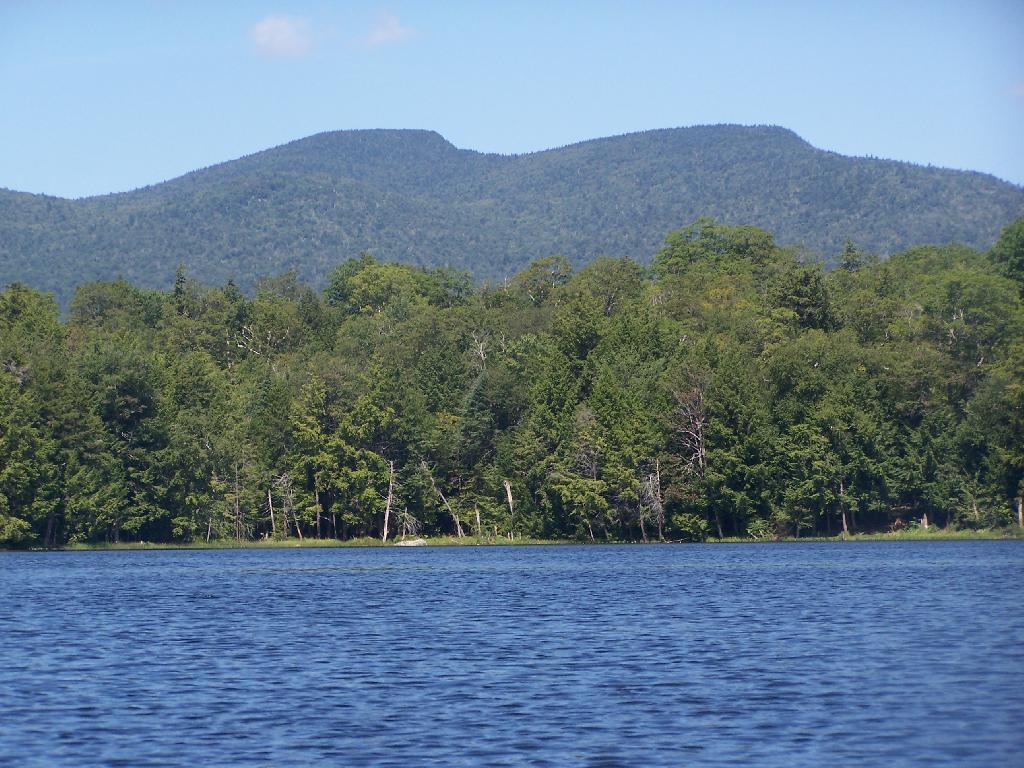
We do not need any more cookie cutter communities or standardized designs that reflect global trends. We need to think more locally, more about building communities that suit local needs, not theoretical national or international trends. It’s time we moved away from a one size fits all, and work to develop communities that serve local needs efficiently and desirably.
Shitty Toilet Paper
Notes on the Re-Run for Sunday, August 7th.
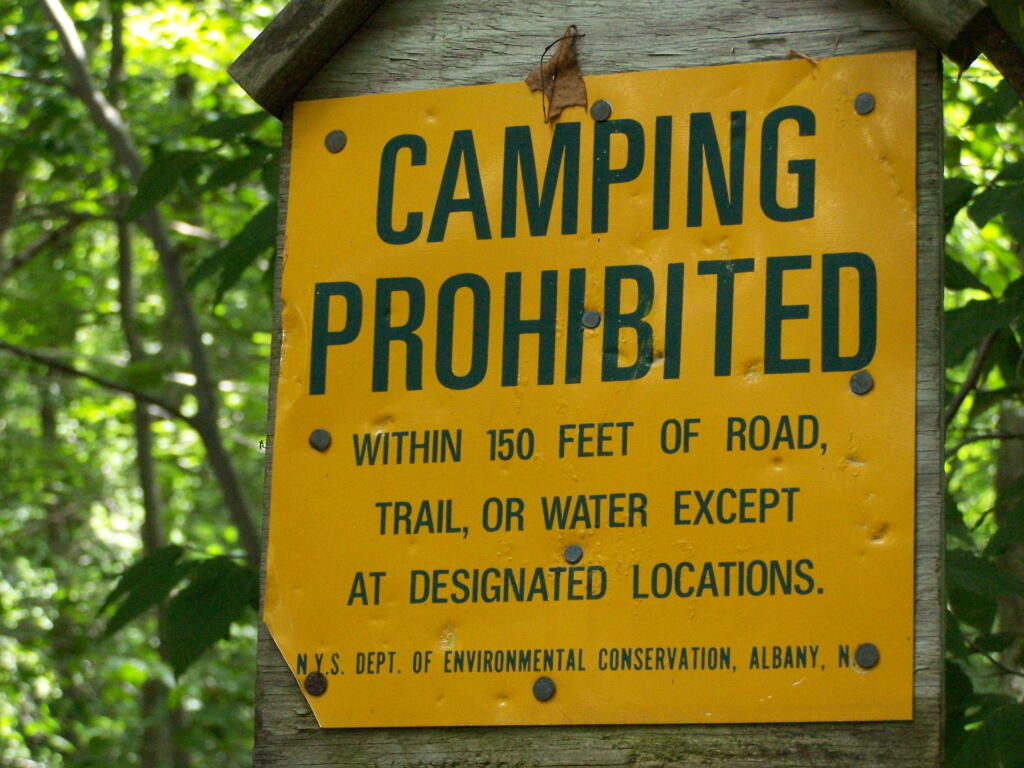
Please use care when disposing of your human waste. Use an outhouse when possible, always do your business 150 feet or more away from water. Don’t bury toilet paper, bag it and burn in the next campfire instead. Keep our forests clean!
— Andy
One of the things that strikes me as a problem in the great outdoors is how people don’t know to take care of their personal waste, particularly their shitty toilet paper and dirty tissues.
There are people who wouldn’t think of littering a candy bar wrappers, tossing a glass beer bottle over the side of a mountain, or dumping the remains of roofing project in the woods, are quite happy tossing tissues along the side of the trail, or leaving used toilet paper blowing in the wind.
The worst is when you find it nearby water or maybe nearby some place where you might want to camp. I don’t want my water messed up with giardia or beaver fever. It’s just disgusting, because it’s clear evidence of water contamination.
Shitty toilet paper….
just plain disgusts me to no end.
Yet, there is an alternative. Do not shit near water, trails, or campsites. This will keep your butt from showing and protect our water supply. And just make sure to pack out and / or burn any toilet paper you use. Bring a plastic bag, toss your paper after using in there, and seal it up.
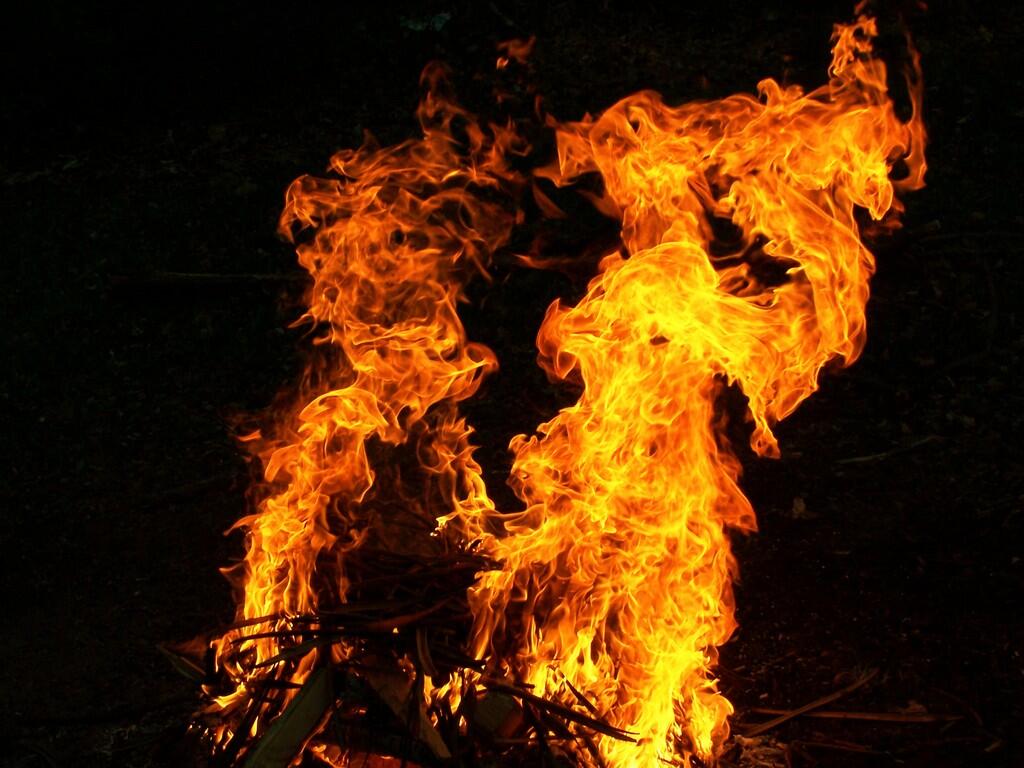
If you have a hot campfire, toss the bag of shitty toilet paper in there and let it burn. As long as the fire is hot, it won’t smell and will be gone instantly. The thing is you don’t want to leave toilet paper around, for the next person to find, when some animal has dug it up and dragged it out along the trail.
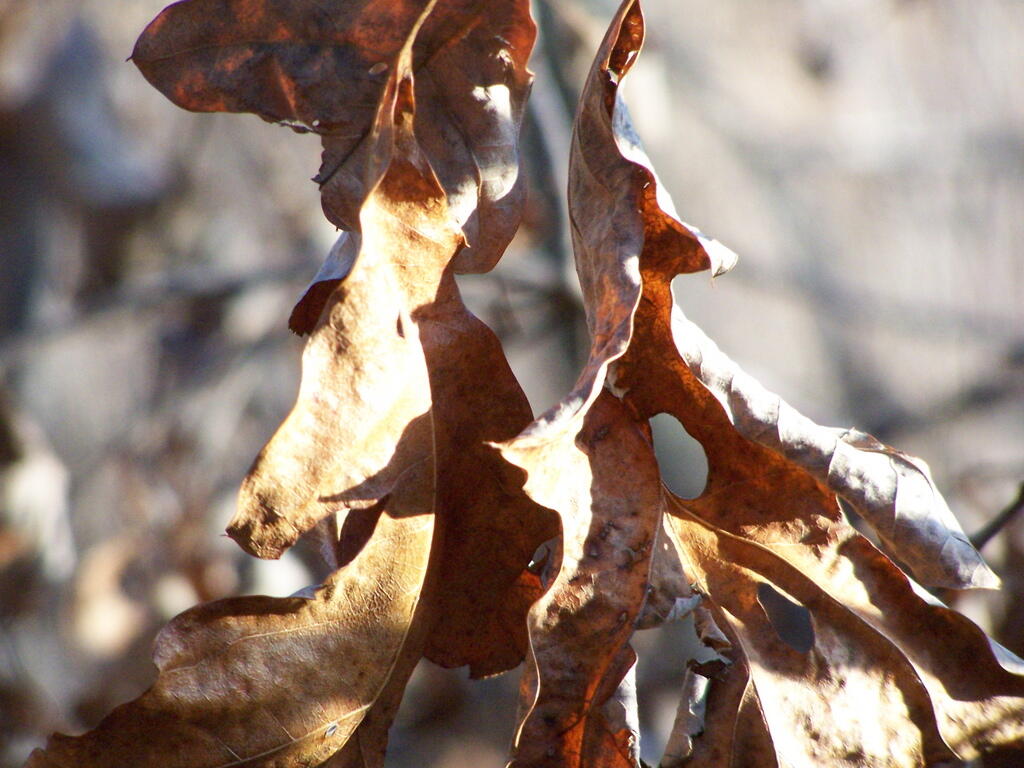
Alternatively, use leaves. They aren’t as great as toilet paper for wiping things up, but if you don’t want to take your toilet paper home with you or burn it, do the right thing, and just use leaves and bury them far from the trail.
Do us all a favor. Don’t leave used toilet paper or tissues as a present for all to run into in the woods.