Cars 📍

📽️ Videos

Does Living in a Rural Area Mean a Longer Commute in NY State?

Commuting is a big consumer of time in people’s lives. For every ten minutes added to a person’s daily commute, each way, takes 43 hours per year out of a person’s life, that could be spent doing other activities. Moreover, as most people commute by private automobile, time spent in cars, is time not doing physical exercise or getting outdoors, promoting obesity and poor health.

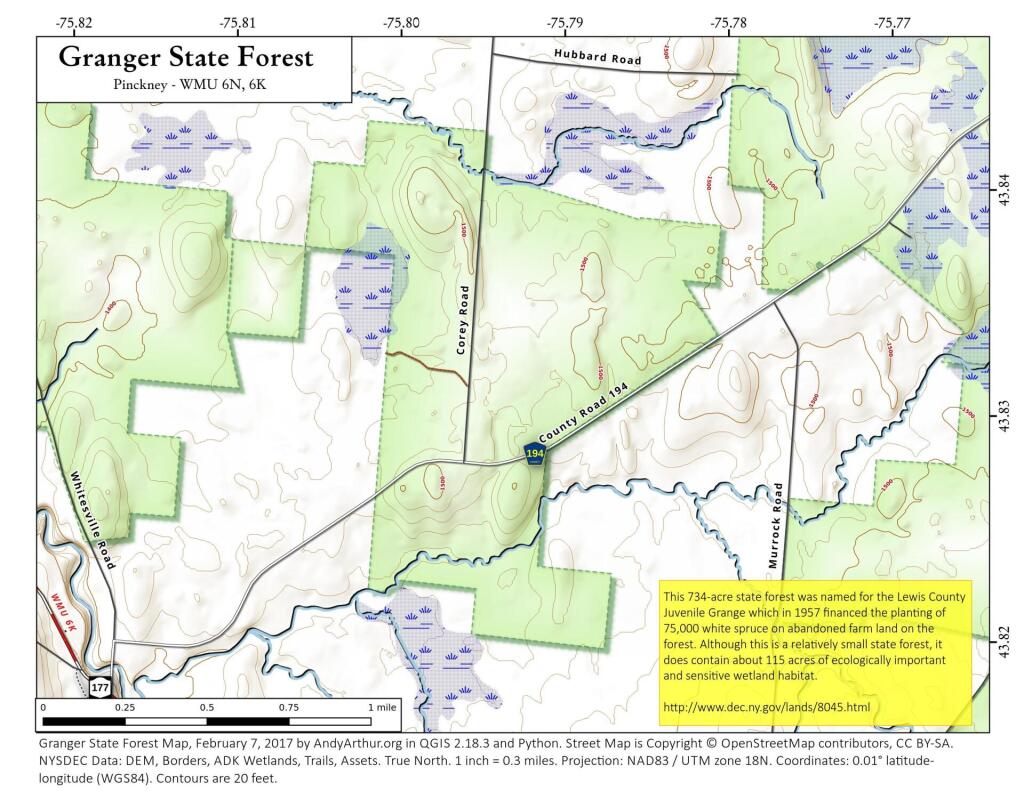
 Granger State Forest

From this map of Albany County, you would think rural people all have long commutes to work. Indeed, people who live in Renselearville, where there are few jobs, often commute to downtown Albany, leading to a very long commutes, that are particularly challenging in the winter.

One Car

However, that is not the norm in NY State. Indeed, the Adirondack Mountains, have some of the shortest commutes in the state. Residents of the North Country and Southern Tier also have very short commutes. Many work in the small towns they reside in, or farm the land they live on.

 Moon

Also of interest is that commutes, in general are much shorter upstate then downstate. In some areas — like Albany — commutes from suburban areas to jobs are shorter then in more urban areas, due to the use of private automobiles over mass transit.

Why I Love Automobiles So Much

As much as I despise air pollution, noise from the cars, wrecked landscapes from where they drive, I really do like cars.

Nothing speaks freedom like the open road. Nothing expresses your personality and who you are like your car. Nothing can bring you such beauty as the automobile or bring you just great experiences.

Frame 69

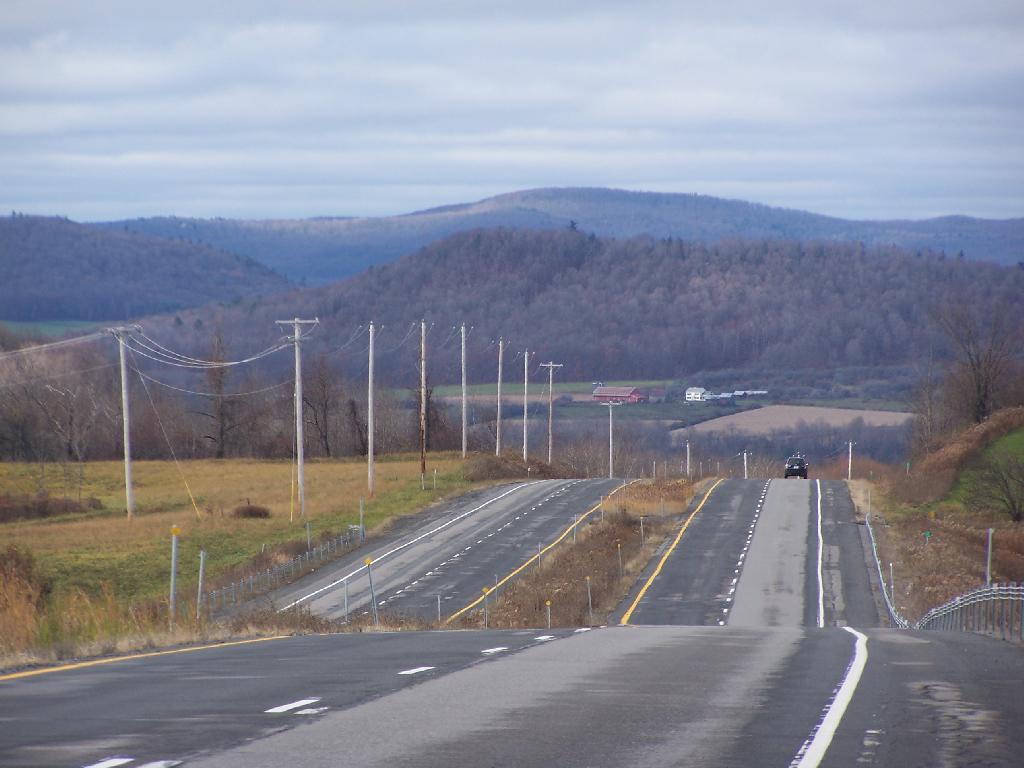
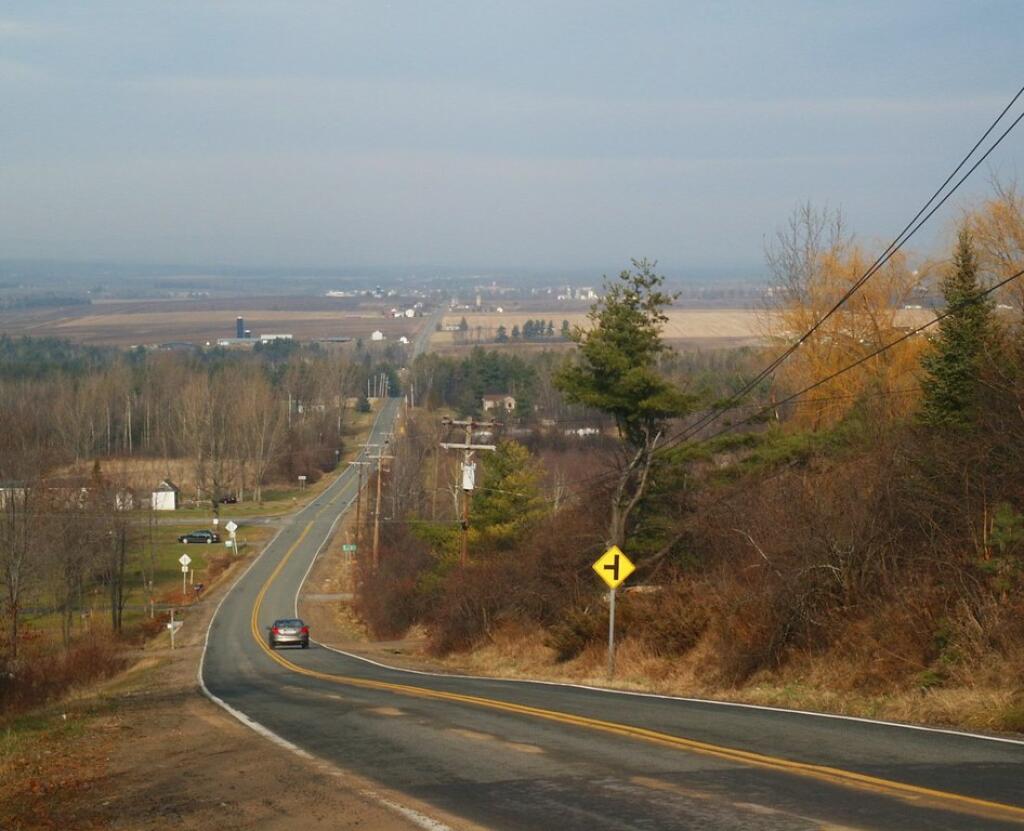
From the dirt road in the Adirondack Forest Preserve to an open rural highway in the Northern Tier, nothing can quite bring you their like an automobile.

My particular passion is pickup trucks. The bigger the better. The better the 4×4 system, the more room in the cab, the more room in the bed, the more lovely.

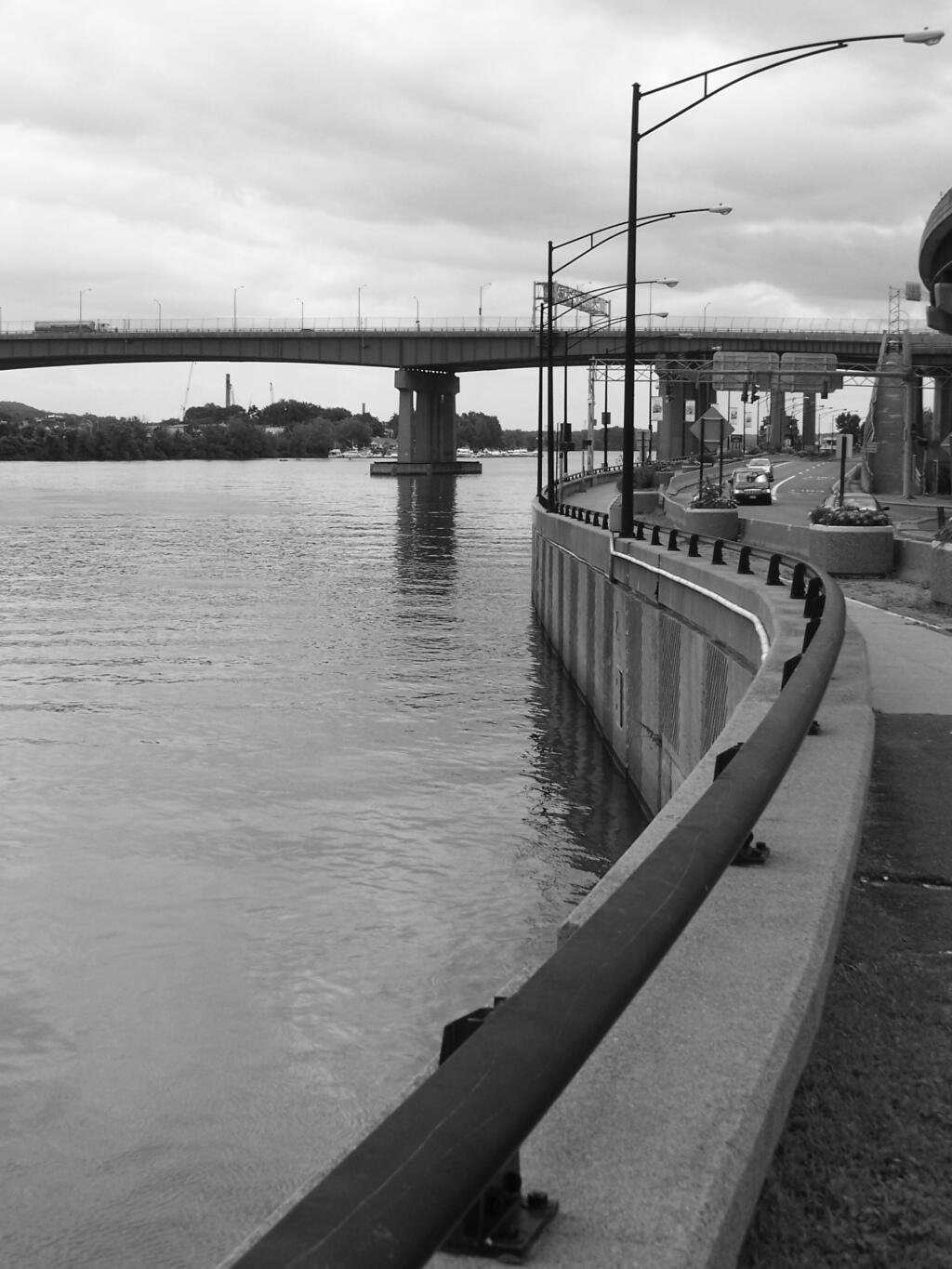
Yet, I am well aware of the problems of automobiles, and especially their uses of in urban areas. I walked along Washington Avenue Extension, as a pedestrian, and I was a aghast at their noise, pollution, and swarming motions they made.

Frame 77

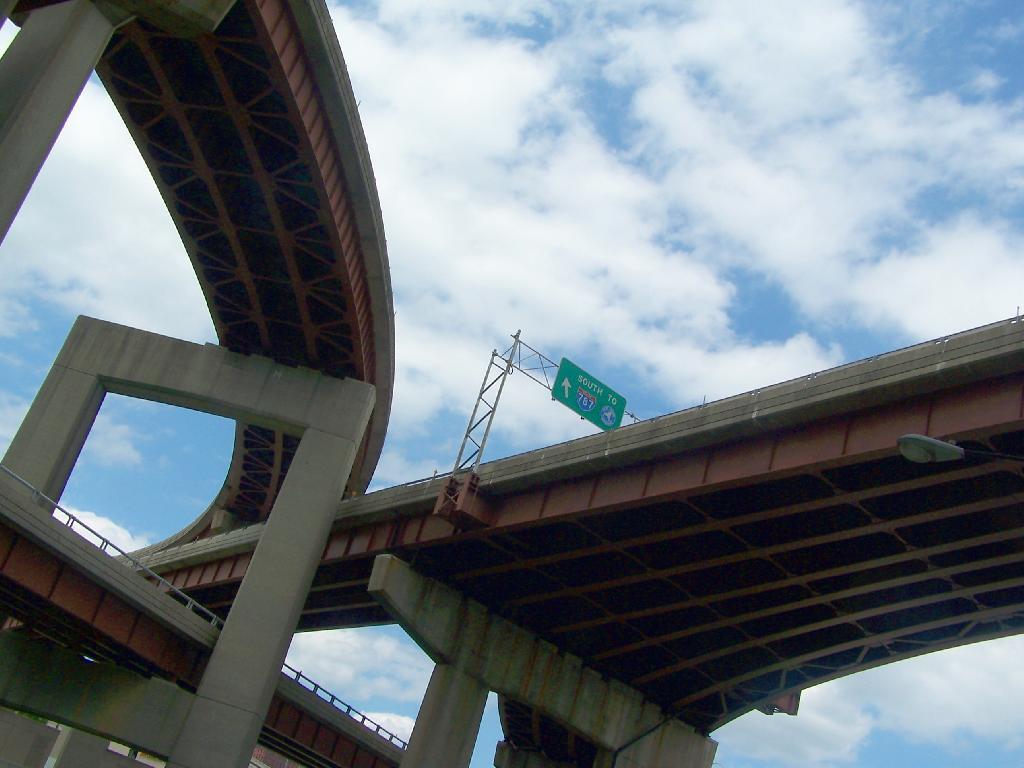
Automobiles make urban areas ghastly places to be.

There are too many automobiles in the city. Off the beaten track, in Rural America, they truly are wonderful things.

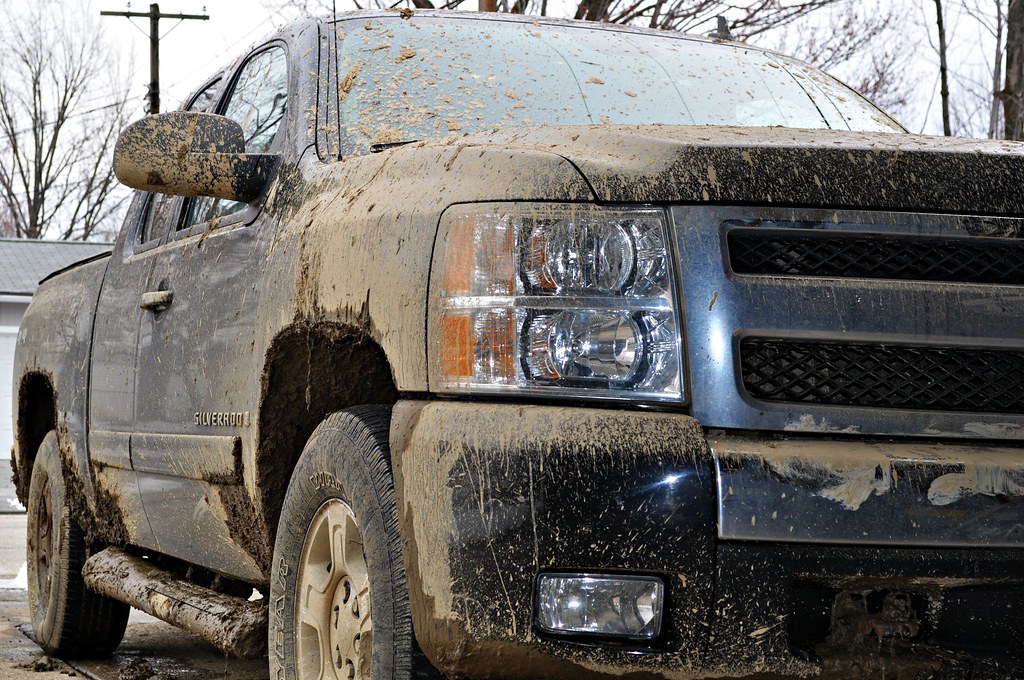
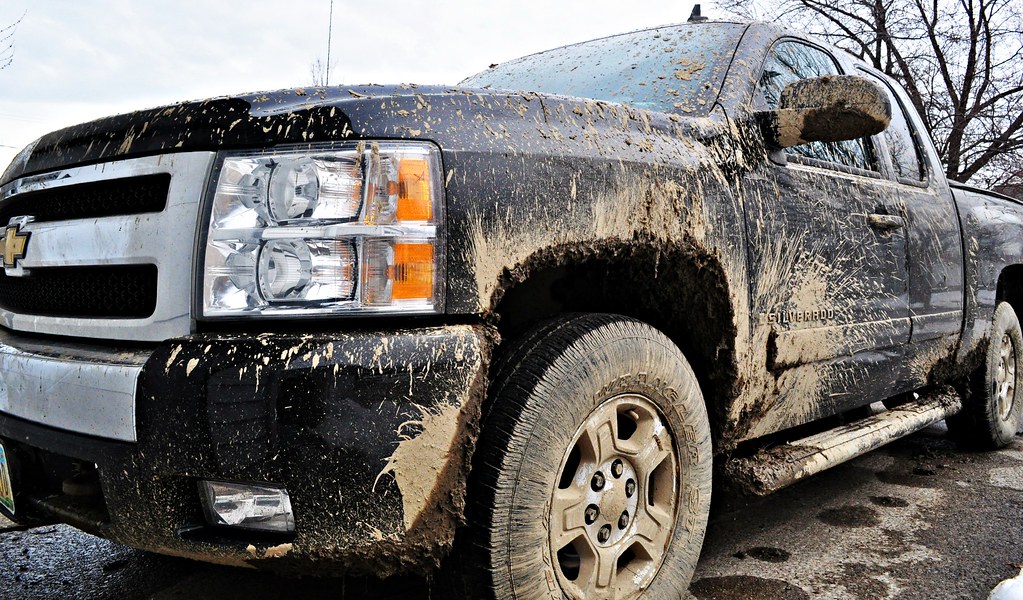
Muddy Chevy Silverado

Automobiles destroy cities, but they are also the best way to get away from the cities.

Cars are an Investment in Pleasure

‘ ?>

Muddy Chevy Silverado

Sure a car will rust and decay, fall apart, and be another junker. One might say it’s a waste of money.

When cars are not being driven solely for pleasure, they are the most miserable beasts, forcing one to follow extreme restrictions and control measures, doing nothing but forcing us to labor for meaningless waste.

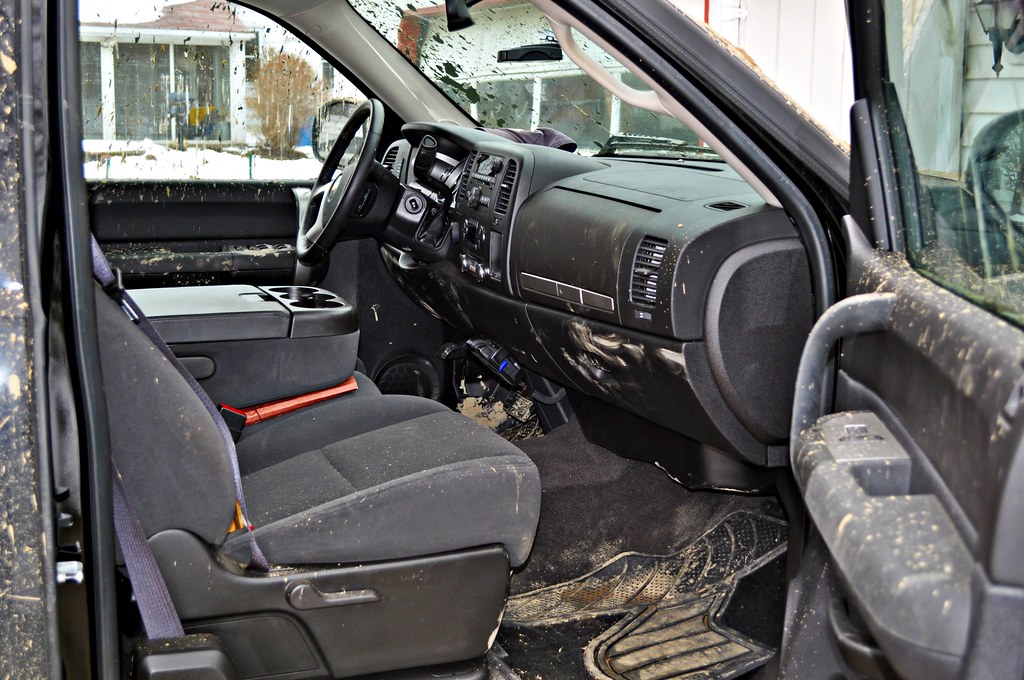
Chevy Silverado Muddy Interior

Pictures via Tim Balogh on Flickr, via CreativeCommons license.

Why Not Make Electrically-Powered “Trolley” Cars and Trucks?

I’ve always wondered what the fascination with battery technology is, when the proven technology used by trolleys and streetcars for over 120 years is electricity via rail or wire. There are no limitations on range or power delivered electrified lines, and use avoid the inefficiency of power stored in a battery.

I could envision the car of a future being a gasoline engine with complete cylinder deactivation, where the complete engine is shut off by a solenoid disconnecting the rocker arms controlling the valves ala the Active Fuel Management widely used in General Motors pickup trucks today.

On major highways and other high traffic roads where “electric wires” are available, as sensed by a radio signal, the car would automatically pop up trolley poles through the roof like a power radio antenna. Electric consumption and billing information would be transmitted through a signal in the wire to the billing municipality, public authority, or power company.

An electric motor/generator in the transmission of the car would spin the drive train and engine, including pushing up and down engine pistons (using the exhaust in the cylinders and shut valves as a choosen) and flywheel. When braking or going downhill, the motor acting as a generator would put recovered power back into the electric line.
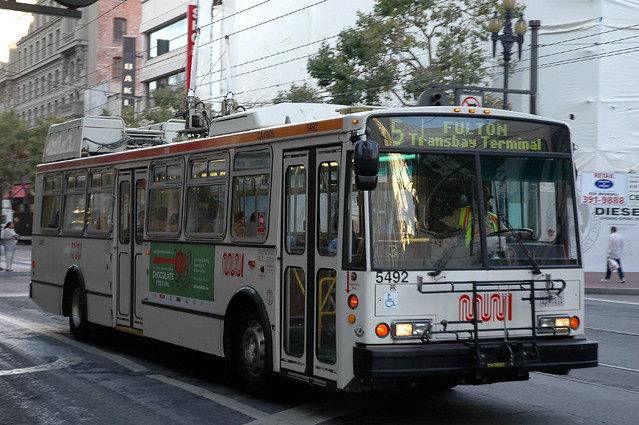
Electric Bus

The nice thing about this system is there is no range or weight limitation, and uses existing technologies. You could power even semi-trucks or buses with this technology. Moreover, if you become disconnected temporarily from the electric line, the motion of engine’s pistons decompressing the exhaust left in the cylinders and the standard flywheel, would keep the car coasting until electricity came back or the solenoids reconnected the push-rods to the rocker arm and started feeding the engine gasoline once again (the later could happen basically instantly if there is such a power demand).

Because your still moving the pistons up and end down and compressing waste gases, the engine never gets cold, always has warm coolant to heat the inside of the car, and is always ready to burn gasoline at proper operating temperature whenever electricity is dropped.

I can not imagine a future where cars don’t have at least some kind of internal combustion engine that burns gasoline or diesel, at least part of the time. We have been refining Internal Combustion Engines for 110 years now, and the technology is so well engineered and reliable, that it seems likely that cars will use Internal Combustion Technology of some sort for at least another 110 years, if not longer. Internal Combustion Engines are only going to be come cleaner and less polluting as pollution control standards and technology improves, and they are only going to burn less gas or diesel in decades to come.

SVGZ Graphic: Population without Health Insurance
SVGZ Graphic: Race and Income in New York

Spending Most Our Lives in Cars

Most people do not realize how much time they actually spending in cars, driving around or visiting various places. Most people don’t care to calculate the math, so I did it for you. If these average speeds seem slow to you, remember that when driving you have to stop or slow for stop signs, stop lights, and traffic congestion.

Time Driving hours per 100 miles hours per 200 miles hours per 15,000 miles hours per 150,000 miles
Average City Miles Per Hour 20 5 10 750 7500
Average Highway Miles Per Hour 45 2.22 4.44 333.33 3333.33
Average Expressway Miles Per Hour 70 1.43 2.86 214.29 2142.86
50% City + Highway Speed 32.5 3.08 6.15 461.54 4615.38

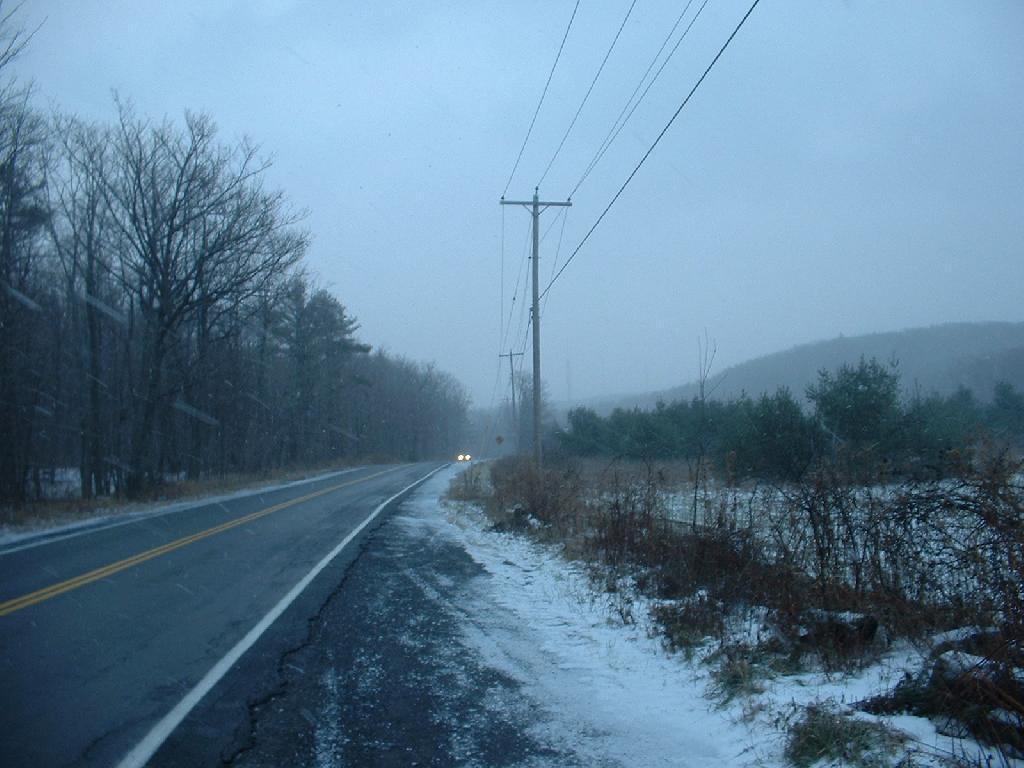
Headlights

They say the Average American drives something like 15,000 miles per year. If your average speed is 32.5 miles per hour, including delays at stoplights and traffic, that means your spending on average 19 days per year, non-stop driving.

Time Driving hours per 15,000 miles days per 15,000 miles weeks per 15,000 miles
Average City Miles Per Hour 20 750 31 4
Average Highway Miles Per Hour 45 333.33 14 2
Average Expressway Miles Per Hour 70 214.29 9 1
50% City + Highway Speed 32.5 461.54 19 3

Peru Farms

In the lifetime of the vehicle, assuming you get 150,000 miles out of it, you will have driven the equalivent of 192 days or 27 weeks straight.

Time Driving hours per 150,000 miles days per 150,000 miles weeks per 150,000 miles
Average City Miles Per Hour 20 7,500 313 45
Average Highway Miles Per Hour 45 3,333 139 20
Average Expressway Miles Per Hour 70 2,143 89 13
50% City + Highway Speed 32.5 4,615 192 27

Now That’s Driving Like Crazy !