climate change

Climate Change, DEC, and Cedar River Road

Like thousands of New Yorkers this past year I have been seriously bummed out on how Cedar River-Limekiln Lake Road from Wakely Dam to Lost Ponds was washed out for the first three months of summer season. It probably was the first time Cedar River-Limekiln Lake Road was closed off for such a long period in summer time — due to springtime flooding and severe erosion and bridge scour — combined with a very tight budget for the Environmental Conservation Department.
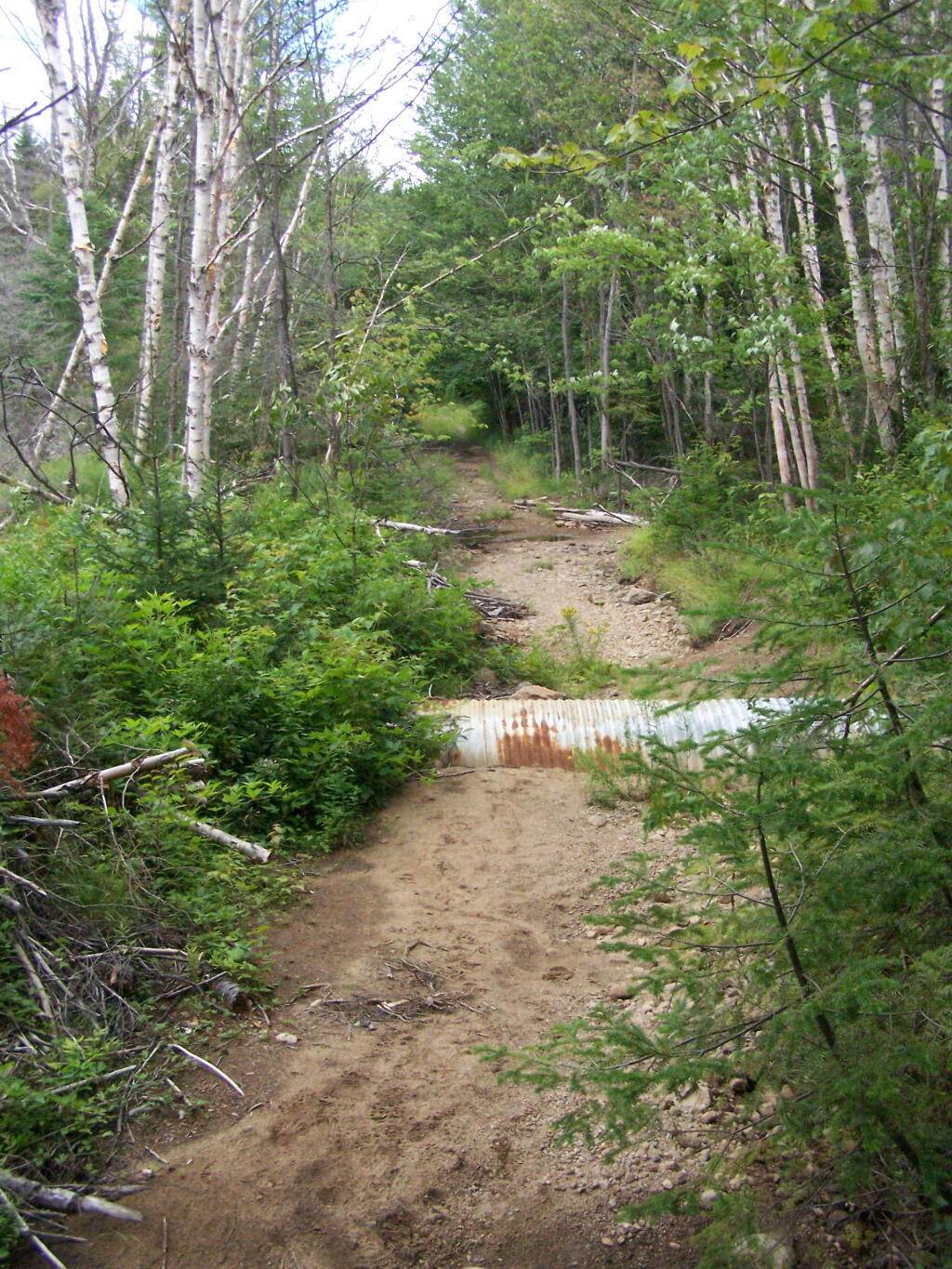
Washed Out Road to Wakely Mountain

It seems the list of damaged or still closed roads throughout the Adirondack Park is long this year. Haskell Road is closed. Lester Flow Road and Woodhull Lake Road are rough and badly eroded. Maybe it’s just a bad year, and DEC Division of Lands and Forests is unfunded, and they lack the staff and fuel budget to fix things promptly. Or maybe it’s a more ominous sign — that DEC needs to rethink it’s road construction practices to reflect a changing climate, with heavier rains and more erosion.
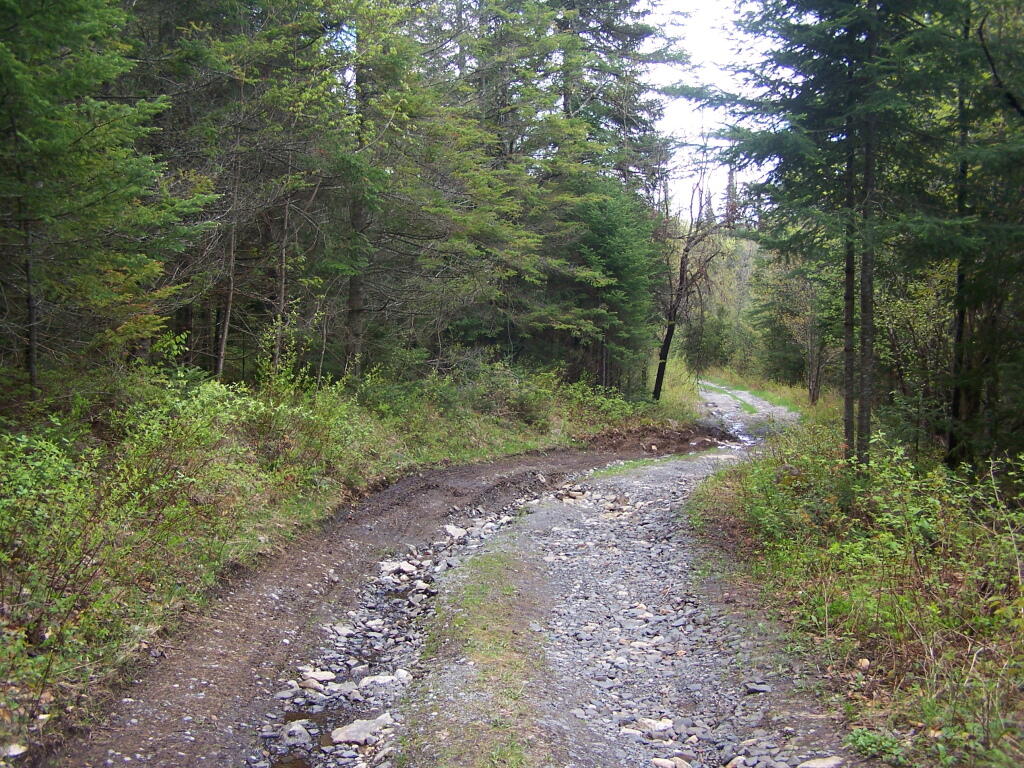
Washed Out Section of Cheney Pond Road

As the average temperatures increase in the summer, there is going to be more demand then ever before for recreational access to the Adirondack Park. Yet, the danger is not from increased vehicle traffic, but instead erosion and bridge scour from flooding and increased heavy rains. Simply said, it may come to the point where Adirondack Park back country roads need to be built to a higher standard, with more reinforcement from wash outs.
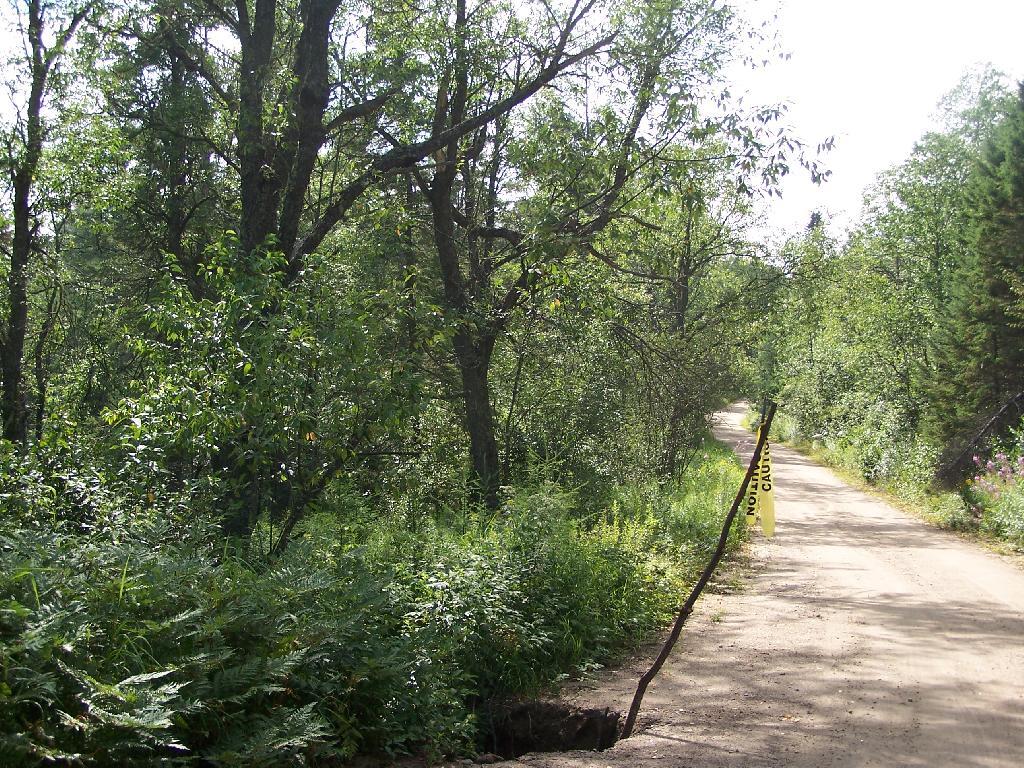
Wash Out Along Otter Brook Road

That does not mean the end to the dirt or gravel truck trail. It does mean, around streams there is going to have to be more riprap and other course rubble rock to prevent erosion and bridge scour. Courser gravel is going to have to be used on steeper slopes, or maybe a mixture of tar and gravel to keep things in place. While blacktop may seem like the anti-thesis to the back country, it might be necessary in limited stretches to keep things in place, on road surfaces most pounded by the forces of erosion.
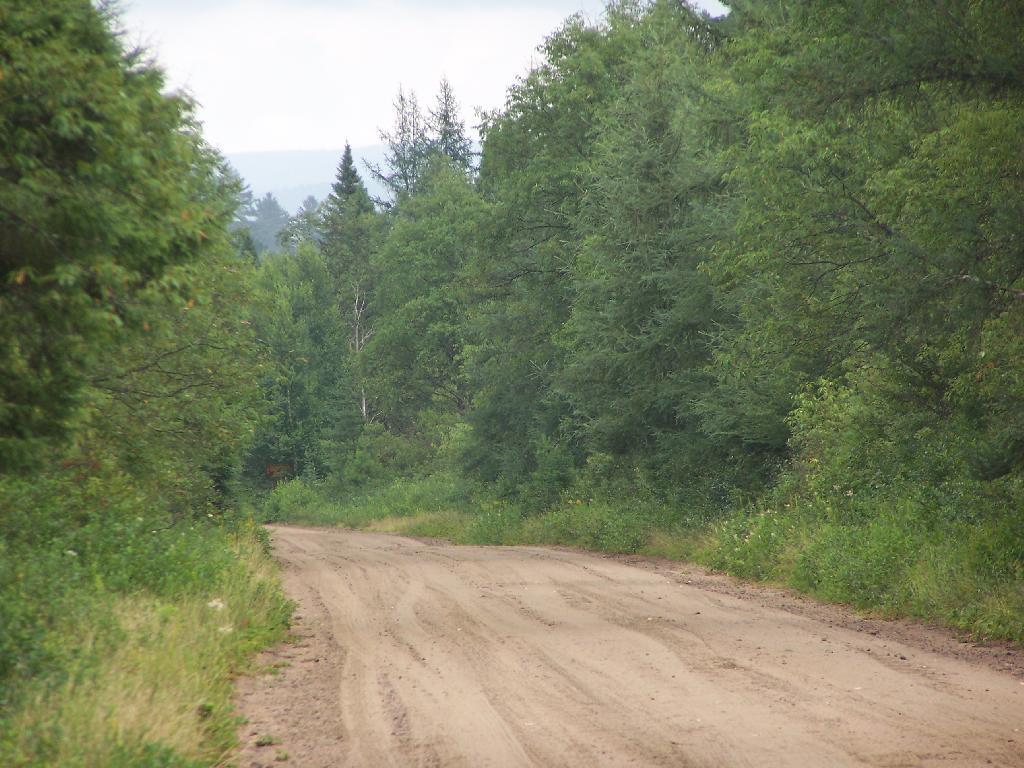
Sandy Plains

All of this will escalate the cost of maintenance of back country roads. Yet, the cost of improving back country roads before future cases of erosion, will ultimately save money and improve the public’s experience. Repairing roads to a higher engineering standard makes a lot of sense as the Adirondacks experience increased flooding and erosion from climate change.


Cap and Trade or Performance Standards

After reading “Saving Energy, Growing Jobs” by David Goldstein, I am convienced that Preformance Standards, rather then Cap and Trade is a better way to reduce our greenhouse emissions.

Descending Acra Point

Here is Why…

  1. Cost does not always induce conservation or efficency
  2. People and corporations are willing to pay a lot more for energy without changing behavior or investigating alternatives
  3. Individuals have little choice in buying efficent appliances — most appliances of a certain size consume a certain amount of energy
  4. Information on energy efficency is complex, little understood by the public
  5. Energy taxes will hurt the poor disproptionately

Horse Tiedown

What Cap and Trade is…

  1. A hard national limit on emissions is set.
  2. A tax on emissions is set by a market based on the demand to emit carbon dioxide emissions. The more demand for carbon dioxide emissions, the higher the tax.
  3. Every consumer of energy pays a “tax” related to it’s carbon emissions as a disinsentive to consume energy that produces carbon dioxide emissions.

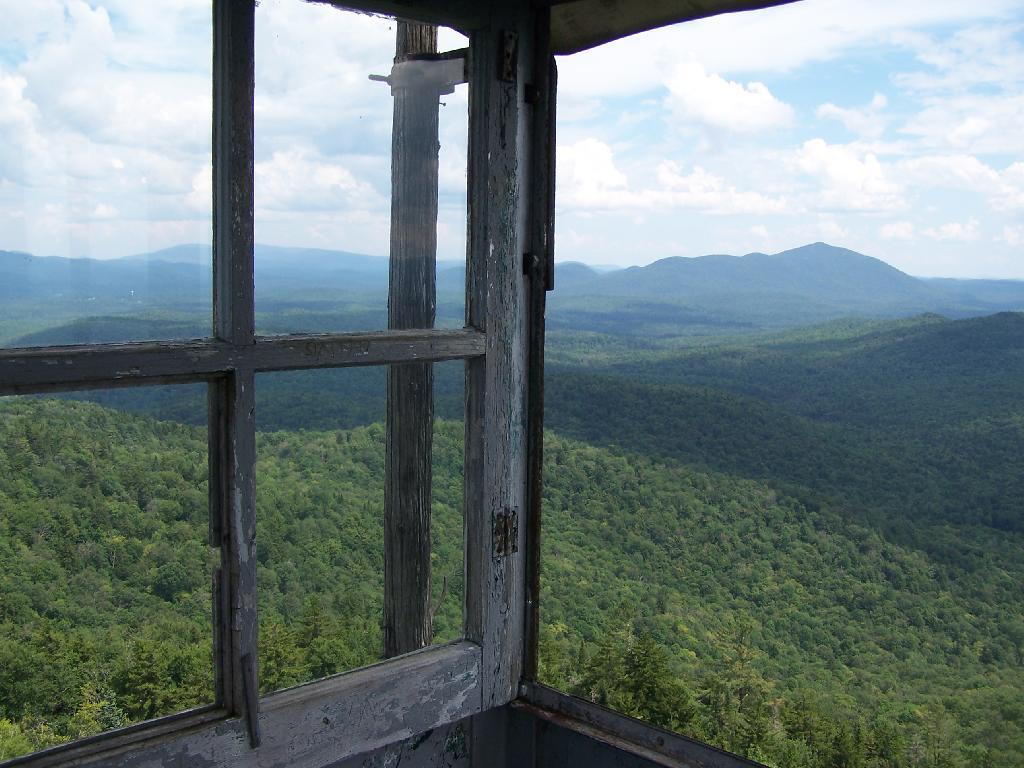
Open Window

What Preformance and Efficency Standards Are…

  1. Every electric utility, every oil or gas supplier is required to meet a standard on how much carbon dioxide may be released per average unit of enery produced and distributed.
  2. If they are above that standard, they must buy alternative forms of energy as part of their mix to reduce their average carbon intensity. Failure to comply will lead to substantial fines. This is how Corporate Average Fuel Economy or CAFE works.
  3. Utilities along with oil and gas suppliers will be required buy more renewables and put them into their mix, to reduce the carbon intensity of the energy source they provide to consumers.
  4. Every new appliance, every new car or truck is required to meet a specified level of energy efficency. A televison for example, would be prohibited from consuming more then X watts per square inch.

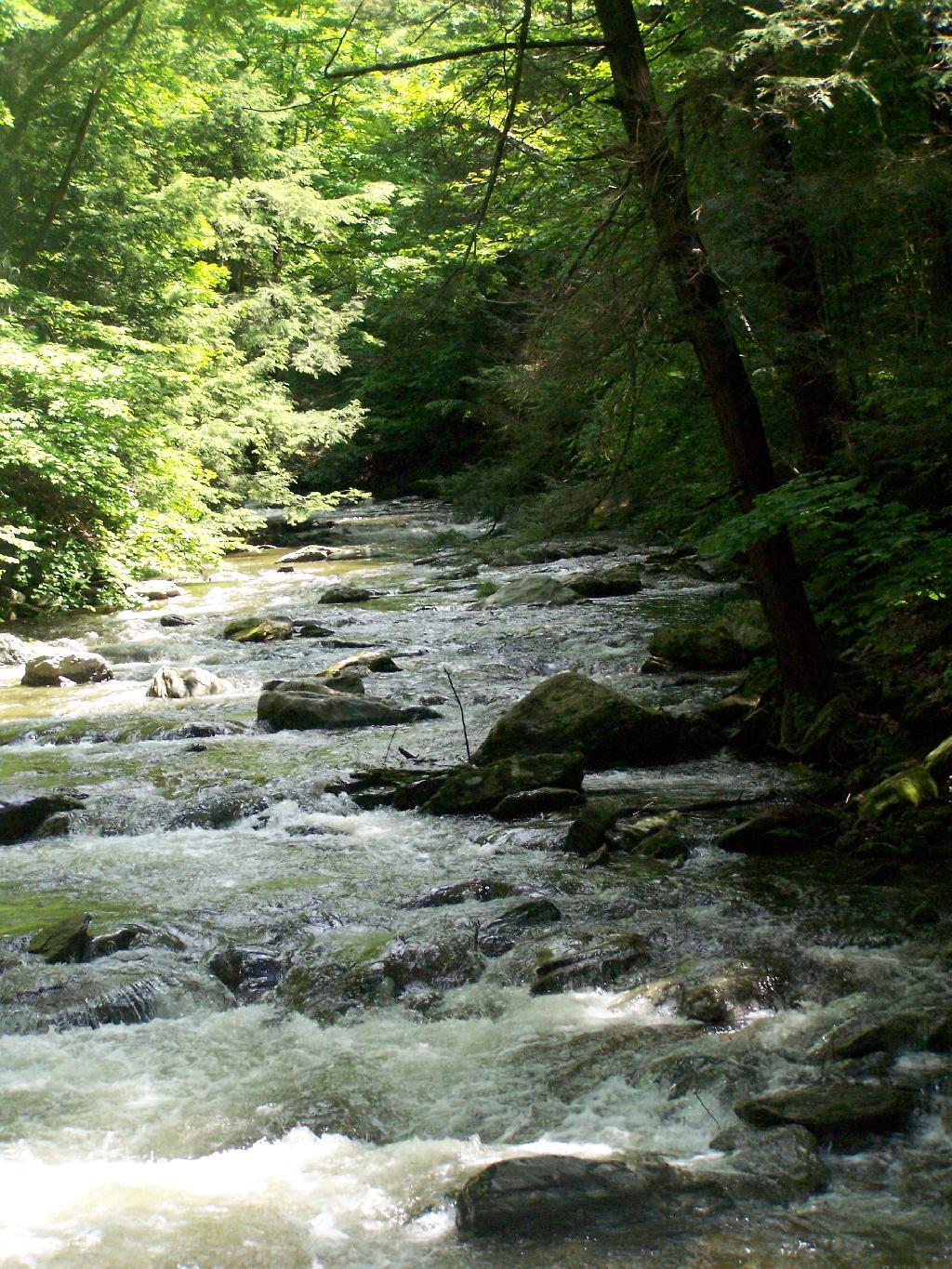
 Brook

Why Preformance Standards are Better…

  1. Preformance standards are not a tax or fee. They do not neccessarly raise the price of energy or of a consumer product.
  2. Consumers save money by ensuring the new appliances they buy are energy efficent. Consumers don’t pay an energy tax as with cap and trade.
  3. Preformance standards, per US Energy Law, do not prohibit features, but instead require high standards of efficency for all models. If you want to buy a gas guzzling SUV or big television, that’s your right, but manufacturers will be required to make sure the average of all cars and television sets are efficent.

Boreal Forest

There Are No Hard Targets for
Greenhouse Gases with Preformance Standards…

  1. Preformance standards are set based on national goals to reduce greenhouse emissions to levels that are demanded by science.
  2. The objection raised by Cap and Trade proponets is that preformance standards do not guarantee a set level of reduction of greenhouse gases by any one year.
  3. If people use a lot of electricity one year, or drive a lot of miles in their cars, then the preformance standards would be canceled out temporarly.
  4. The EPA can compensate by toughening preformance standards for energy generators and new appliances. People (at different times) are constantly replacing cars, television sets, and appliances. This leads to a constant chance at improval in energy efficency and a constant decline in carbon intensity.
  5. It’s better to have a system that has flexibility, so that carbon emissions can rise temporarily in relationship to a hot summer or sudden economic boom.

Why Preformance Standards Will Ultimately Win
in the Climate Change Debate….

  1. Preformance standards are generally allowed under existing law.
  2. The EPA can regulate emissions from smoke stacks, including carbon dioxide at the tonnage level or the per MW/hr level. The EPA would however need Congressional approval for a system that would set carbon dioxide standards public utility-wide level.
  3. Preformance standards for appliances are well established. While tightening of some standards would require Congressional approval, most legislators are far more comfortable with tougher energy efficency standards then an economy wide tax.
  4. Preformance standards are not a tax and do not raise energy prices.
  5. Energy efficency does mean a ban on any appliance or any feature people are used to. It’s the internal redesign of existing appliances, to make them consume less energy for each unit of work done.
Map: Severence Hill Trail
Map: Gilman Lake

Field Notes from Catastrophe

In the summer months I spend a lot of time reading down at the Town Park in the evenings. Recently with the coming of Earth Day and because it seems like energy is such a big issue these days, I have been reading a lot about Climate Change.

Wider

Kolbert’s book tries to bring home the message of the enormity of the problem that has been unleashed by the excessive concentration of carbon dioxide in the atmosphere. She gives several examples of her experiences on trips to see sea ice melting and climates changing, and how pronounced these problems are becoming in some locations. She writes in alarm about forces, largely masked by environmental inertia that threaten the well being of humans and the planet alike.

Yellow Trail

Most of the book is delightful stories about her experiences. She reserves the last chapter to pass judgment on the progress we as a country are making on climate change. By being non-judgmental and non-political in most of the book, she provides some insight on what is really happening now and what is likely to happen in the future. The last chapter is largely scornful of what she believes the lack of action on climate change, something she believes is a tragic mistake to face generations to come.

 Pink

Her message is hopeful if not a bit cynical. She is realistic but pragmatic. She does make a good case for getting on a pathway of Climate Emissions Control, and doing something rather then ignoring the increasingly obvious consequences of what we as a global society have unleashed by the often uncontrolled and uncaring burning of fossil fuels.

Why Not Make Electrically-Powered “Trolley” Cars and Trucks?

I’ve always wondered what the fascination with battery technology is, when the proven technology used by trolleys and streetcars for over 120 years is electricity via rail or wire. There are no limitations on range or power delivered electrified lines, and use avoid the inefficiency of power stored in a battery.

I could envision the car of a future being a gasoline engine with complete cylinder deactivation, where the complete engine is shut off by a solenoid disconnecting the rocker arms controlling the valves ala the Active Fuel Management widely used in General Motors pickup trucks today.

On major highways and other high traffic roads where “electric wires” are available, as sensed by a radio signal, the car would automatically pop up trolley poles through the roof like a power radio antenna. Electric consumption and billing information would be transmitted through a signal in the wire to the billing municipality, public authority, or power company.

An electric motor/generator in the transmission of the car would spin the drive train and engine, including pushing up and down engine pistons (using the exhaust in the cylinders and shut valves as a choosen) and flywheel. When braking or going downhill, the motor acting as a generator would put recovered power back into the electric line.

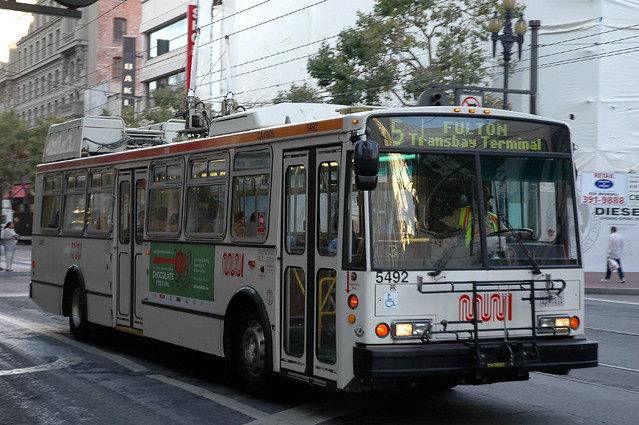
Electric Bus

The nice thing about this system is there is no range or weight limitation, and uses existing technologies. You could power even semi-trucks or buses with this technology. Moreover, if you become disconnected temporarily from the electric line, the motion of engine’s pistons decompressing the exhaust left in the cylinders and the standard flywheel, would keep the car coasting until electricity came back or the solenoids reconnected the push-rods to the rocker arm and started feeding the engine gasoline once again (the later could happen basically instantly if there is such a power demand).

Because your still moving the pistons up and end down and compressing waste gases, the engine never gets cold, always has warm coolant to heat the inside of the car, and is always ready to burn gasoline at proper operating temperature whenever electricity is dropped.

I can not imagine a future where cars don’t have at least some kind of internal combustion engine that burns gasoline or diesel, at least part of the time. We have been refining Internal Combustion Engines for 110 years now, and the technology is so well engineered and reliable, that it seems likely that cars will use Internal Combustion Technology of some sort for at least another 110 years, if not longer. Internal Combustion Engines are only going to be come cleaner and less polluting as pollution control standards and technology improves, and they are only going to burn less gas or diesel in decades to come.

Map: Follensby Clear Pond
Terrain Map: Light Pollution New York March 2024

Being Uneconomical for an Uncertain Future

.There is a common line of thought that argues that we should undertake a massive restructuring of the economy, even if it has no current clear benefit, in preparation for some dramatic future change like climate change or peak oil. Folks like Bill McKibbean have the logic, unless we make drastic changes now, the future will be bleak.

Their logic reminds one a lot of the logic of a High School Guidance Counselor, pushing over-priced college educations at so-called “select institutions” that are very over pricd. They argue unless one gets an expensive college education, the future will be bleak. They say, unless you go seriously in debt, you will have no future and be without a good job.

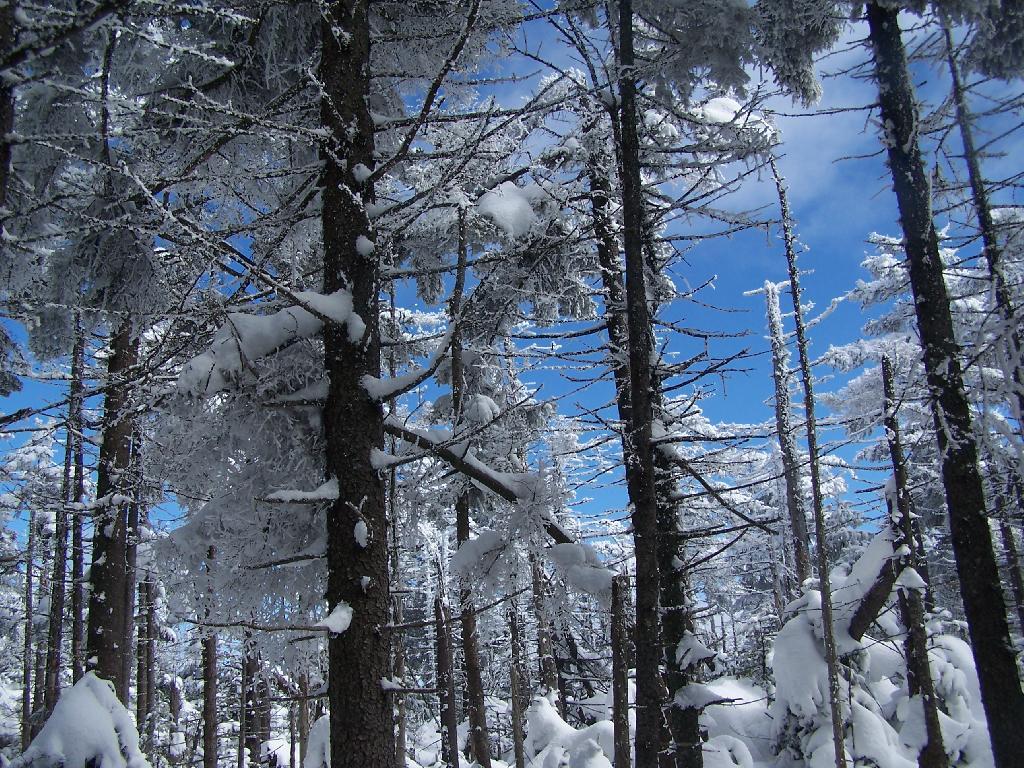
Trees Lines

Nobody today can tell us for sure about when or if climate change will occur, or for that matter what the impacts of peak oil will be. We have projections and models that extrapolate data based on today’s conditions and projected changes, but they probably are not accurate as effects rarely are linear. It�s quite possible that effect our growing use of fossil fuels may be far different then anything yet predicted.

Yet, it�s also hard to object to efficiency standards and pollution controls on power plants that benefit society now. More energy while burning less fuel will benefit the economy by lowering costs over the long-run. More fuel efficient cars, while possibly more expensive up front, will provide drivers with lower fuel bills over the car�s life. Good standards that improve efficiency, conserve resources, and reduce pollution, help us now.

Medusa

I disagree with folk like Bill McKibbean who argue for a radical transformation of the economy based on a projection of climate change or peak oil. We should work to conserve resources and clean up our generating plants, but not because of a future projection, but to improve economic efficiency and the quality of our lives today. If with incidentally also help change the projection for bad things to happen tomorrow, then all the better.