Experiences ๐Ÿ“

๐Ÿ—บ๏ธ Maps ๐Ÿ–ผ๏ธ Photos ๐Ÿ“ฝ๏ธ Videos

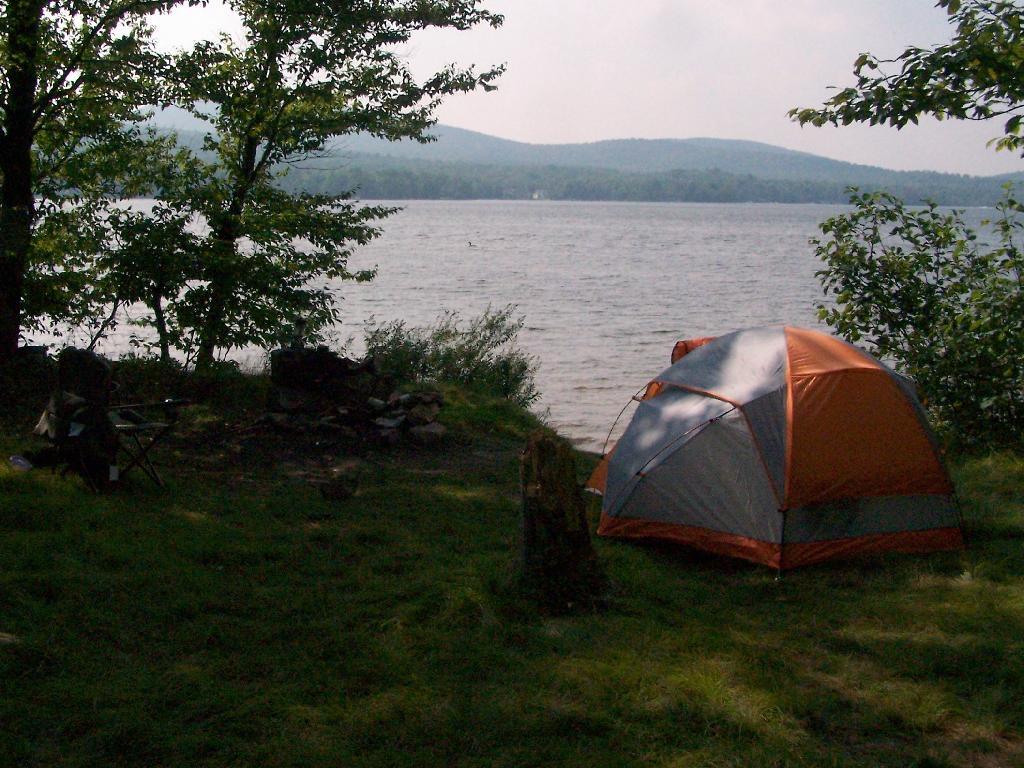
Wisdom of a quarter mile between campsites

As I’ve grown older, I’ve come to realize that beauty of the state’s policy of keeping dispersed and wilderness campsites at least a 1/4 mile apart.

While that leads to fewer camping opportunities in popular locations, it also means a truer wilderness experience where other campers will not be disturbed by talking, music, chopping wood or other human noise, smoke from other fires or other privacy issues.

Afternoon

I enjoy having my space while camping and having nobody else in sight or sound while in the wilderness.

Targeted advertising feeds my anxiety ๐Ÿค– ๐Ÿ™‰

Few things I find more creepy is targeted advertising. It attempts to “target” based on machine learning, which looks at interactions on social media, webpages browsed and search terms to find what is most marketable for the user, not what is most relevant to the user.

The amount of data that feeds into targeted advertising is quite creepy. And often it makes judgements about a person that are quite wrong, as it’s only looking at population averages with a similar profile, and trying to make an educated guess at what products can be sold to that person. Yet, one isn’t defined by what advertisers think they can sell to you, and you shouldn’t take too seriously what people are paid to put in front of you.

Every time I mention my anxiety, I am fed a steady diet of advertisement for Better Help online mental health services, and the free-to-call 988 anti-suicide hotline. Targeted mental health advertising is downright creepy! When I was concerned about my excess peeing and pooping — from all the water and fiber in food — I was fed a steady diets about prostate and stomach cancers. Maybe because of my google searches, but long after my doctor visit and tests confirmed I was mostly clean, it was still creeply messaging to me. And then since I’ve gotten interested in healthy eating, I see constant advertising for services for people with anorexia, and granola bars and other highly-processed “health foods”. Not foods that are actually healthy, but come with good mark-up for the food processors.

Since I’ve mentioned my issues with new landlord and my search for rural property, I’ve now been getting fed a steady diet of advertising about landlord tenant management software and speculative real estate investments. Then there has been a steady batch of advertising I’ve been consuming about moving services, and extended stay places, as if soon I am to become homeless. I don’t think my current living accommodations are sustainable forever, but I really don’t think I’m in immediate risk of homelessness, despite the bit of a game my new landlord played over the rent check. Ironically, no advertising for land or property, despite all the time I spend on Zillow and studying the property tax rolls.

Then there are conflicting advertisements I keep seeing between investing for high-net worth individuals and services directed to the poorest of poorest people, such as those on welfare and section 8 housing. I’m not neither — I don’t have a million in investable assets as much are locked up in retirement accounts, nor do I get welfare benefits. I’m closer to the prior then the later but not there, yet — and I’ll probably blow it on land and livestock. Some of it’s my personal interest in ways of being frugal and a responsible investing, but it’s fascinating to see the conflict. Discount cellphone providers like Mint Mobile still really want my business, and so do discount internet providers for low-income persons. But the real reason I choose not to have internet at home isn’t poverty, but it’s for the sanity of not having all that commercial crap in my apartment and to save a bit of money.

I know I’m not defined by commercial advertising, which exists solely to sell products to me but it creeps me out how much it knows about me and how it tries to sell me things based on things I have searched or explored on the internet.
Map: Green Mountain National Forest North
Map: Green Mountain National Forest South

Large Cap Stocks and Market Concentration

In recent years, value stock investors have been quick to point out the risks of index funds that use market-cap weighting (like those tracking the S&P 500) allocate money based on company size. While large caps (especially mega-cap tech) dominant market performance, smaller companies have historically provided higher long-term returns to compensate investors for taking on higher volatility and riskโ€”a concept known in finance as the size premium.

When a few massive tech giants outperform the rest of the market, as is case currently, they consume a massive percentage of the index. In these times, a so-called “diversified” fund becomes heavily reliant on just a handful of stocks.ย With the current market, SP 500 based indexes mean 30%+ of your money is in just 10 companies. This means the fund will swing wildly based on the performance of a few mega-cap stocks.ย 

Alternatives to indexing based on S&P 500

  • Equal-Weight Funds: Invest in versions of the index where every company gets the same exact dollar allocation. This heavily biases you towards small caps.
  • Factor Investing: Allocate a portion of your money to value or small-cap funds to balance the mega-cap growth exposure. This gives you some additional small caps without over weighting to small caps.
  • International Diversification: Add foreign stock indexes, which typically have less mega-cap tech concentration.ย 

But are large cap stocks dominating the S&P 500 index necessarily a bad thing?

  • Large-Caps (e.g., S&P 500): These are mature, stable businesses with global operations and massive balance sheets. They excel during economic slowdowns, periods of high interest rates, or when specific sectors like mega-cap technology experience exponential, monopolistic growth.
  • Mid-Caps (e.g., S&P MidCap 400): Often called the “sweet spot” of investing, mid-caps offer a blend of financial stability and room to grow. Historically, they have frequently outperformed both large and small caps over rolling 20-year periods by avoiding the bureaucracy of giant corporations and the high failure rates of tiny ones.
  • Small-Caps (e.g., Russell 2000): These are younger, nimble companies with high growth potential. They are highly sensitive to the domestic economy and tend to massively outperform during the early stages of an economic recovery or bull market, fueled by low interest rates and easier access to capital.
FactorLarge-CapsMid-CapsSmall-Caps
Long-Term Growth PotentialModerateHighVery High
Volatility & Risk ProfileLowestModerateHighest
Economic SensitivityGlobal trendsBalancedHighly sensitive to domestic economy
Historical “Size Premium” WinnerUnderperforms over multi-decade cyclesStructurally strong risk-adjusted returnsOutperforms over long historical cycles

Small caps are not necessarily better …

  1. The “Size Premium” Volatility: While small caps can generate higher geometric returns over 30+ years, they can go through brutal decade-long stretches of underperformance where large caps dominate completely.
  2. Interest Rate Sensitivity: Small and mid-cap companies typically rely more on floating-rate debt. When central banks raise interest rates, their borrowing costs skyrocket, allowing cash-rich large caps to easily outperform them.
  3. Survivorship Bias: Small-cap indexes suffer from higher churn. When a small company becomes wildly successful, it graduates out of the small-cap index and moves into mid or large-cap territory, leaving the small-cap index to continually cycle through unproven businesses.
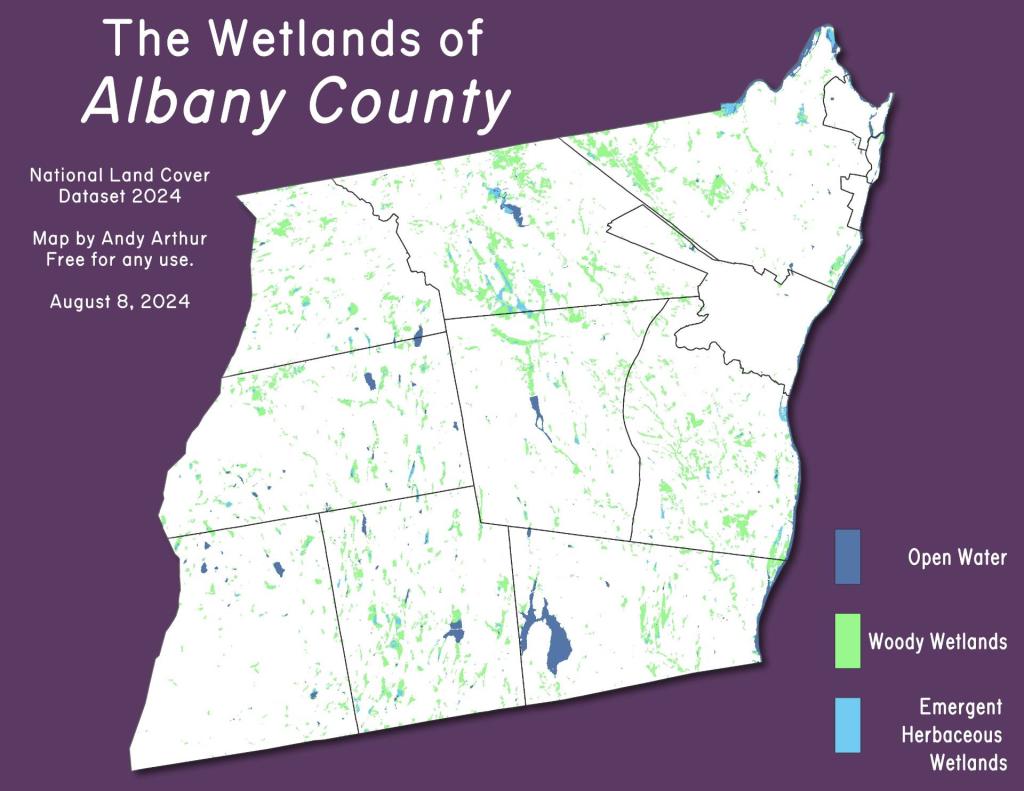
Thematic Map: Wetlands of Albany County
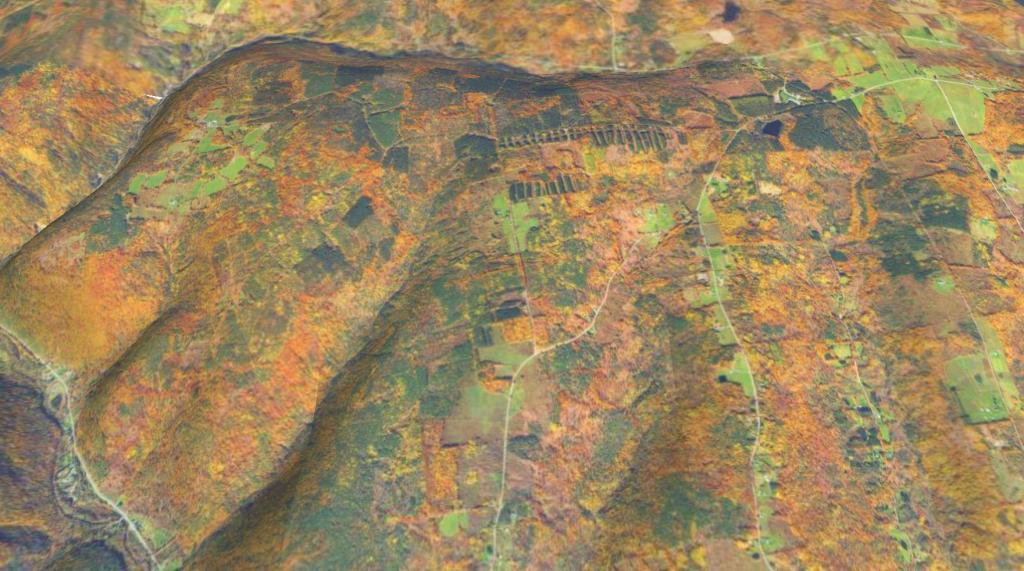
Terrain Map: Cheese Hill
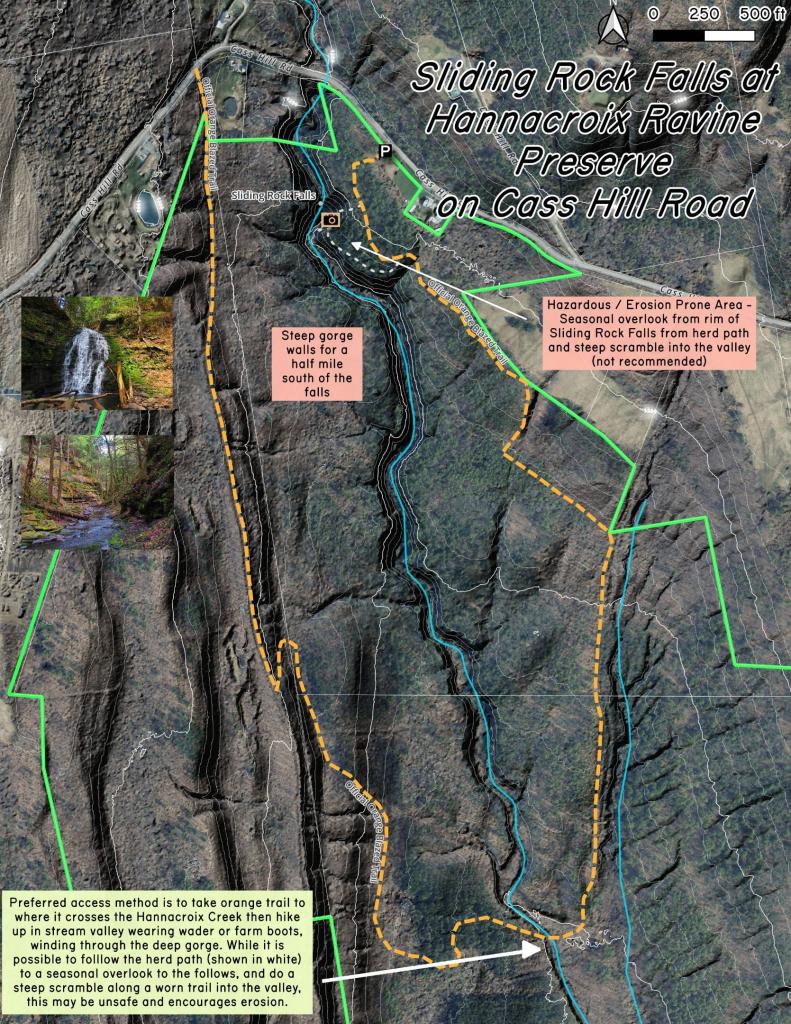
Map: Sliding Rock Falls at Hannacroix Ravine Preserve on Cass Hill Road

Why I Want to Move to Pennsylvania

I really like the Commonwealth of Pennsylvania and it’s culture. Reminds me a lot of the New York of yesteryear. Yet, unlike New York State, where the urban culture of New York City, with its nanny-state laws and regulations, seems to have such a grip over the State, Pennsylvania seems to be a lot more wild and free. Public servants tend to be friendlier their, the public land seems to be more better maintained and open for more varied uses, and the state seems to be more open to the ideas and beliefs of rural folk like myself.

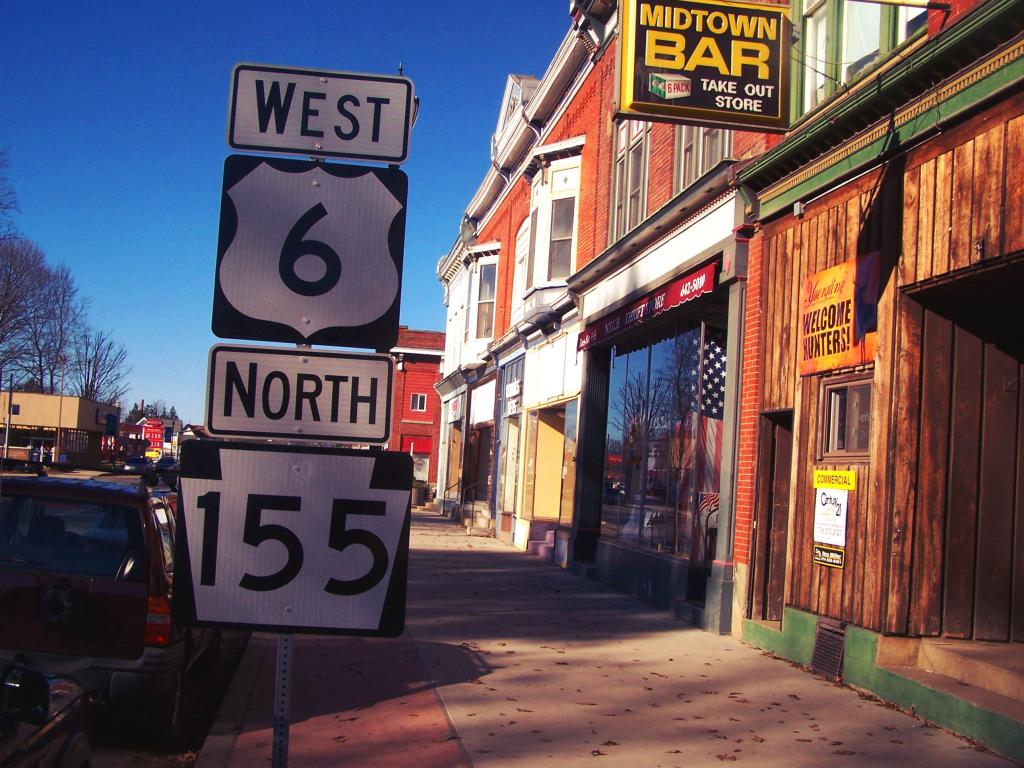
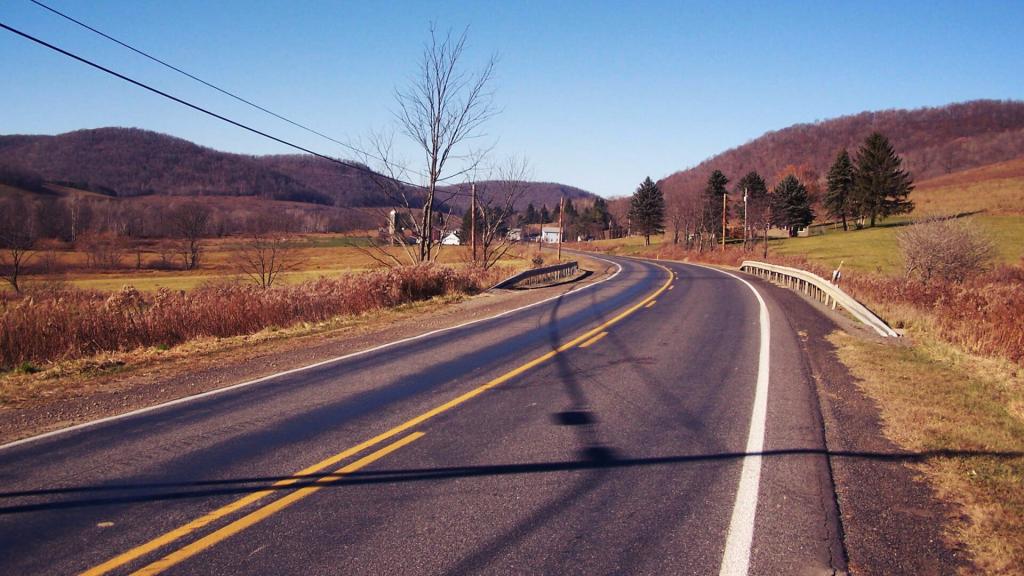
US 6 and PA 155

I like a lot of things about Pennsylvania. It has vast tracts of public land in the North-Western portion of the commonwealth, and a healthy base of agriculture in other regions. A lot of state is very rural, and the Capitol of the state is far less metropolitan then New York. While Philadelphia may be a metropolitan center of commonwealth, other areas like Pittsburgh and Scranton are far more working class and connected with the farm land around it.

…even the small things in Pennsylvania are nice.

There is minimal state gun control statues, no need to get a pistol permit and pay money to have every handgun in one’s house listed on a statewide registry. You want a gun in Pennsylvania, you pay money, and it’s yours.The right to farm is strongly upheld, and their isn’t a culture that wants to go after all hunting, fishing, ATVs, snowmobiles, wood boilers, burn barrels, coal furnaces, or natural gas drilling. Rural folk in Pennsylvania do what they need to do, without being looked down at and controlled by the urban folk.

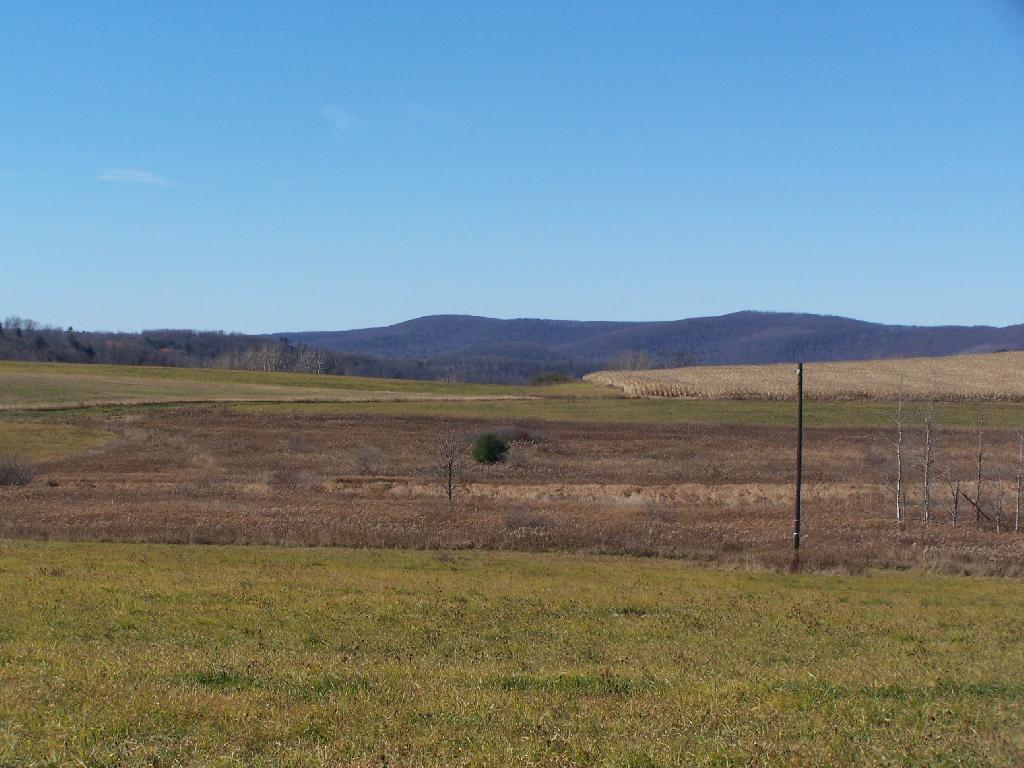
Farm Fields Above the Canyon

I could see some day moving to Pennsylvania, owning some land out in the sticks. Doing a little hobby farming, raising some cattle and chickens and other animals, have being bonfires and burning whatever I want. Owning lots of guns, having a big pickup truck, a quad, and all of other toys of the good rural life. Taxes are lower in Pennsylvania. A culture that isn’t so controlling of everything.

PA 155 Frame 3

The Freedom of Pennsylvania. A state I really like.