
After Severe Weather 📍

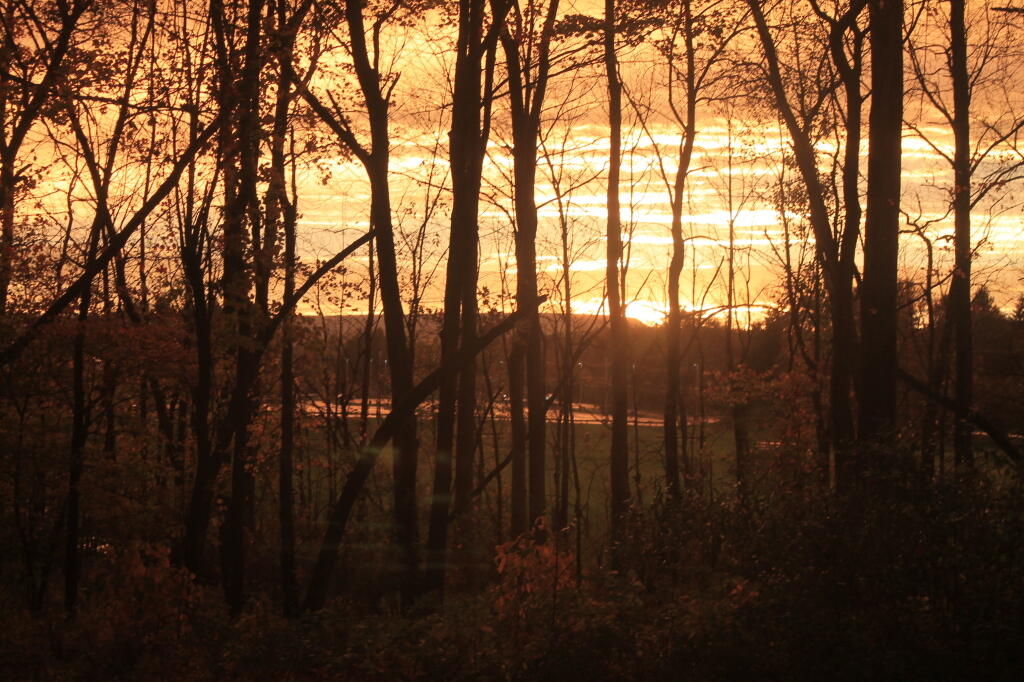
Several pictures in Delmar after a severe storm came blowing through and left the sky a bright yellow color.

🖼️ Photos 📽️ Videos
Map: Bartman Trail
Map: Green Mountain National Forest North

Lightning Strike Melted This Ford Super Duty’s Interior | The Drive

Lightning Strike Melted This Ford Super Duty’s Interior | The Drive

In case you've never seen a car get hit by lightning, it's pretty violent. I doubt there's any such thing as a gentle lightning strike, but when there are lots of electrical systems and metal involved, it only gets more dramatic. The aftermath of such an incident is rarely seen, but we've got exactly that with pictures of this toasty Ford Super Duty.

From the outside, it just looks like a cracked windshield; really, though, it's way more. A view from the driver's seat shows a blackened and melted mess with that same windshield severely scorched. Luckily, as the original poster Eric Wilkinson explained to The Drive, the truck was unoccupied when it happened.

Great Appalachian Storm of 1950 – Wikipedia

Great Appalachian Storm of 1950 – Wikipedia

The Great Appalachian Storm of November 1950 was a large extratropical cyclone which moved through the Eastern United States, causing significant winds, heavy rains east of the Appalachians, and blizzard conditions along the western slopes of the mountain chain. Hurricane-force winds, peaking at 110 miles per hour in Concord, New Hampshire and 160 miles per hour in the New England highlands, disrupted power to 1,000,000 customers during the event. In all, the storm impacted 22 states, killing 353, injuring over 160, and creating US$66.7 million in damage (1950 dollars). At the time, U.S. insurance companies paid more money out to their policy holders for damage resulting from this cyclone than for any other previous storm or hurricane. The cyclone is also one of only twenty-six storms to rank as a Category 5 on the Regional Snowfall Index.