
After Severe Weather 📍

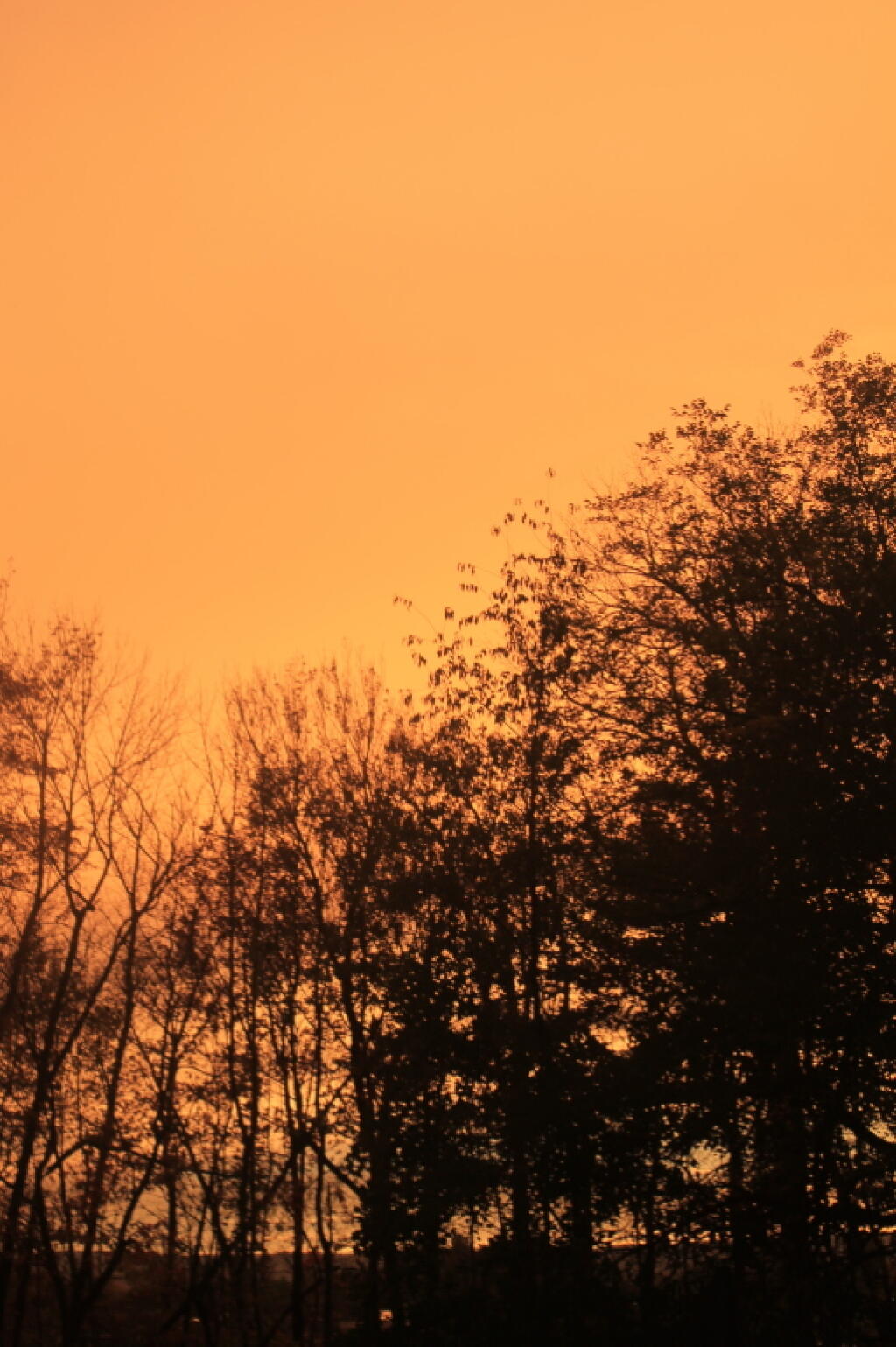
Several pictures in Delmar after a severe storm came blowing through and left the sky a bright yellow color.

🖼️ Photos 📽️ Videos

Great Appalachian Storm of 1950 – Wikipedia

Great Appalachian Storm of 1950 – Wikipedia

The Great Appalachian Storm of November 1950 was a large extratropical cyclone which moved through the Eastern United States, causing significant winds, heavy rains east of the Appalachians, and blizzard conditions along the western slopes of the mountain chain. Hurricane-force winds, peaking at 110 miles per hour in Concord, New Hampshire and 160 miles per hour in the New England highlands, disrupted power to 1,000,000 customers during the event. In all, the storm impacted 22 states, killing 353, injuring over 160, and creating US$66.7 million in damage (1950 dollars). At the time, U.S. insurance companies paid more money out to their policy holders for damage resulting from this cyclone than for any other previous storm or hurricane. The cyclone is also one of only twenty-six storms to rank as a Category 5 on the Regional Snowfall Index.
It’s Time To Ditch The Concept Of ‘100-Year Floods’

It’s Time To Ditch The Concept Of ‘100-Year Floods’

"That’s no surprise to experts, who say the concept of the “100-year flood” is one of the most misunderstood terms in disaster preparedness. In the wake of catastrophic flooding on the Texas coast, the media has been working hard to explain the term, turning out dozens of articles explaining that a “100-year flood” is not a flood that you should expect to happen only once every 100 years. Instead, it refers to a flood that has a 1 percent chance of happening in any given year. Over the course of a 30-year mortgage, a house in a 100-year floodplain has a 26 percent chance of being inundated at least once."

Map: Madawaska Flow