pollution

Suburbia – Greatest Threat to the Environment

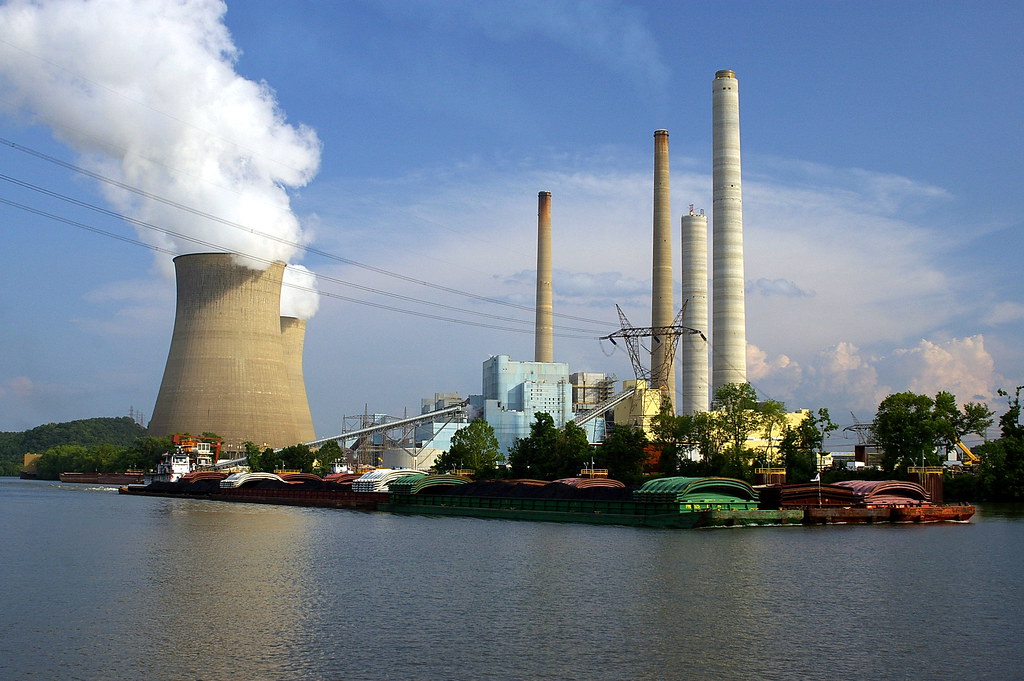
When people think about what things cause harm to the environment they think of many things. They think of tall smokestacks pushing out sulfur dioxide and nitrous oxides, rusty metal drums leaking orange liquid, or the endless repetition of housing in suburban development.

Most do not think about attitudes and cultures that insulate people from the natural world. Yet, that might just be the biggest threat. Consumption without context, a lack of understanding of pollution, a distant natural world, and apathy all lead up to some serious environmental degradation.

Suburbia is grounded in consumption, often without context. They go to the mall and grocery store and buy things. The trash man comes by on Wednesday and takes away what they dont want. The people there have no idea where things came from, what technologies are behind it, and what the real costs of their actions are.

The landfill is well hidden from view. The methane from the dump and the landfill can not be smelled to the user. The factory in India spewing out toxic chemicals simply does not exist. Pollution does exist in suburbia from car emissions, phenalates from vinyl, and lawn pesticides, but it takes a different context from reality.

People in suburbia drive to work in an air conditioned sport-utility vehicle. They live and work in air conditioned vehicles that seal out natural air. Nature is little more then a place for camping. It certainly is not a place for living or making a life out of. If nature is anything in such a world it is always thoroughly controlled and regulated.

Life is suburbia is good, maybe too good. It breeds contempt and apathy. When life is so good, why challenge our status quo to protect some abstract environment so far away? Suburbs are non-political except for the occasional fight over grandpas fence, or parking. Real issues seem not ever to rise to interest.
The Lights of the City from Wakely Dam

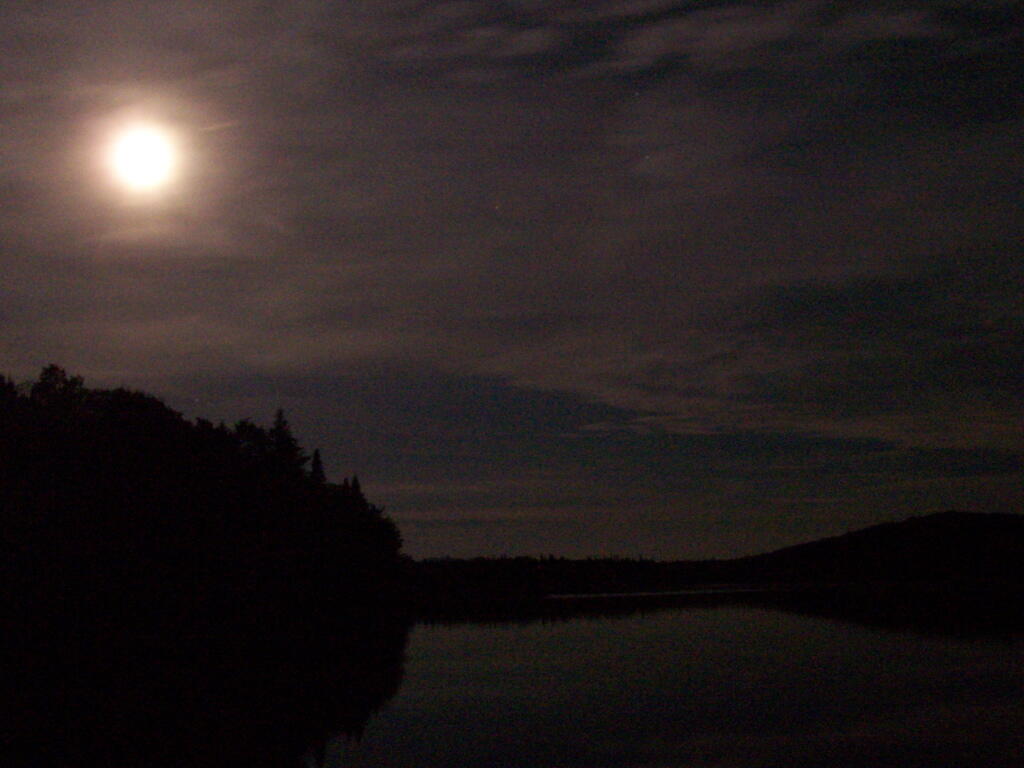
The other night around quarter to midnight, I walked out across Wakely Dam at the Cedar River Flow in the Moose River Plains of Adirondack Mountains. With a new moon, I expected to see very dark skies with good views of the stars, and little light pollution in the distance.

While the stars were clear compared to any place around Albany, their was in the distance, across the Moose River Plains and mountains of the West Canada Wilderness, a very distinct warm color light, from the street lights along the hamlets that dot the Fulton Chain of Lakes — Old Forge, Eagle Bay, Inlet, etc. All of these hamlets are 30 to 50 miles away, and due to Wilderness and Forest Preserve, it’s unlikely to be from any source nearer.

Moonlight on Cedar River Flow

Most of the light I saw in the sky probably was from street lights, parking lot lights, exterior building lights on lodges and businesses alike along the Fulton Chain of Lakes. It probably would not have been noticable in a more urbanized area, but due to the fact I was in wilderness and almost complete darkness, it shown brightly across the sky.

It’s unfortunate that it disturbs the views of the stars, despite my remoteness. It is much more unfortunate to think of the energy waste it represents. All those lights are supposed to be lighting a section of street, parking lots, deck, or some specific other purpose. They are not intended to be lighting sky or sending light 50 miles away to an observer standing on the Wakely Dam.

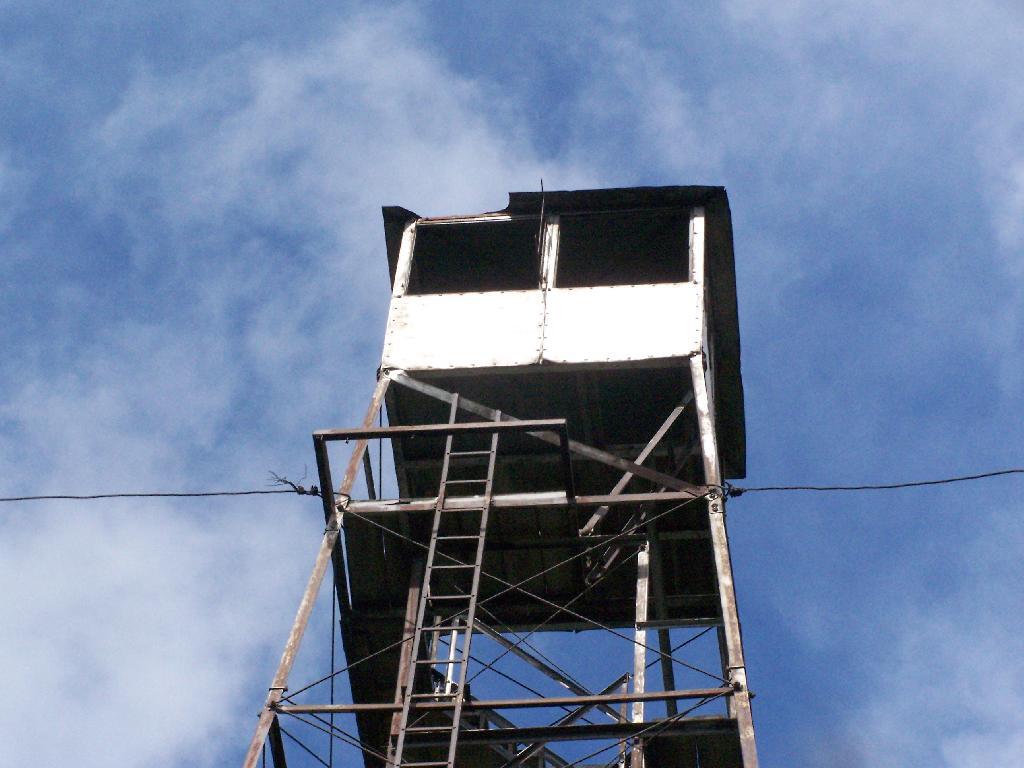
Firetower Cabin

That light did not come from some free source. It came from a power plant that fed electricity in our state-wide electrical grid and sent a small fraction all the way up to the hamelts along the Fulton Chain of Lakes.

While some will argue that their is excess electricity in grid at night or that most of the power locally is generated by hydropower, the reality is electricity on the grid is fungible, and one unit of hydropower here could be used elsewheres to offset the use of coal or natural gas. Even in low energy use times, the grid still relies on a lot of dirty and polluting fossil fuels.

So I ask myself, why is a hamlet 50 miles away, sending energy in the form of light into wilderness? A lot has to do with technological inefficency that wastes energy, even more has to do with energy being so cheap, that it’s affordable to light up lands 50 miles away with wasted energy. Yet, it seems like such a waste.

Municipal Trash Incinerators in Upstate NY (Google Maps)

These incinerators are sorted by their size, with the largest ones up top, and smallest ones below. These numbers are converted from the yearly numbers of the DEC, to average tons per day, as calculated in standard format for landfills (21-day months).

Incinerators normally are rated by 31-day months, as they typically burn trash year round, unlike landfills which are closed on Sundays and all Major Holidays, and also work only half days on Saturdays. For the sake of comparison, 31-day incinerator tonnages where converted to 21-day landfill tonnages. Tonnages can vary per day, as incinerators are not rated on the tonnage of waste they may accept, but how many BTUs of energy are produced by burning the waste. Incinerators burning larger volumes highly combustable wastes, such as tires or roofing material, must reduce their tonnage to comply with air quality permits.

Incinerated waste produces bottom (unburnable stuff) and fly ash (toxic by-products of combustion captured in various smoke stack filters), which must be disposed at a landfill, so for example, the 1,266 tons per day incinerator in Ondononga County still produces an average of 316 tons per day of ash that is currently sent to the Seneca Falls Landfill off of NY 414.

Also, it should be noted the minimal electricity protection of these facilities. The largest incinerator in Upstate NY, produces only 67 MW of electricity, compared to even modest new power plants such as the new 635 MW Besicorp Natural Gas Plant in Rennselear or the 750 MW Bethlehem Steam Station Natural Gas Plant in Glenmont. All of the incinerators in Upstate NY, produce far less electricity (124 MW) then this one power plant.

Niagara Falls.


View Larger Map

MSW Processed: 3,869 tpd – Ash Generated: 906 tpd – Reduction in Tonnage: 24% – Average Electricity Sold: 24 MW/hr + steam

Westchester County.


View Larger Map

MSW Processed: 2,778 tpd – Ash Generated: 665 tpd – Reduction in Tonnage: 24% – Average Electricity Sold: 67 MW/hr

Onondaga County.


View Larger Map

MSW Processed: 1,266 tpd – Ash Generated: 316 tpd – Reduction in Tonnage: 25% – Average Electricity Sold: 23 MW/hr

Hudson Falls.


View Larger Map

MSW Processed: 688 tpd – Ash Generated: 215 tpd – Reduction in Tonnage: 31% – Average Electricity Sold: 10 MW/hr

Dutchess County.


View Larger Map

MSW Processed: 599 tpd – Ash Generated: 177 tpd – Reduction in Tonnage: 30% – Average Electricity Sold: 5 MW/hr

Oswego County.


View Larger Map

MSW Processed: 290 tpd – Ash Generated: 87 tpd – Reduction in Tonnage: 36% – Average Electricity Sold: 0.6 MW/hr + stream

Map: Severence Hill Trail
Map: Gilman Lake

True Believers

I was looking at the coal company advertisements that the “Quit Coal” project put up. Basically, those advertisements criticize “aggressive” regulations put forward by the government, and policies pursued by Congress to control air pollution. Not surprisingly, the folks that worked in corporations did not want to be told how to run their business, much less do something that would put uncertainty in their business.

Some will say that coal companies were actively spreading lies and falsehoods. Or did they actually believe in what they were advertising — a statement of belief of reality as it appeared to a coal power plant operator? Certainly many of the pollution control technologies of early 1970s were not to the point where well tested or even scaled up. A coal power plant operator, who always operated their plant one way, did not want to deal with the risk of changing operating methods and technologies.

The "Fred Way" @ the John E. Amos Coal Power Plant

Some will claim that coal-fired power plant operators were mostly motivated by greed. Yet, if you look at historically, did the clean air equipment on power plants actually cost that much — especially compared to existing revenue? Most upgrades to power plants were covered by small increases in electric rates, granted by public service commissions. If anything, more pollution controls meant more employees, and more opportunities for companies to profit because now operated more complex power plants in a regulated market that fixed their profit above cost.

In retrospect, the coal power industry is run by people who believe their mission — to provide inexpensive electricity, using proven technologies. These people who are resistant to change, because they don’t always understand what it will mean in the future.

The lessons of coal advertising is three fold:

  • Most people don’t actively lie due to moral conscience, nor do the corporations that represent the aggregation of people lie due to threat to litigation
  • People and corporations that make them up are highly resistant to change, because they fear the unknown and potential costs of unknown, even if the costs really don’t prove to be significant over the long run.
  • Government has an important role in setting emissions and efficiency standards, to force corporations, which represent large aggregations of people, to take calculated risks to improve their environmental preformance.

Can You Sue the State For Failing to Protect Against Pollution?

Article XIV Section 4 states:

The policy of the state shall be to conserve and protect its natural resources and scenic beauty and encourage the development and improvement of its agricultural lands for the production of food and other agricultural products.

The legislature, in implementing this policy, shall include adequate provision for the abatement of air and water pollution and of excessive and unnecessary noise, the protection of agricultural lands, wetlands and shorelines, and the development and regulation of water resources.

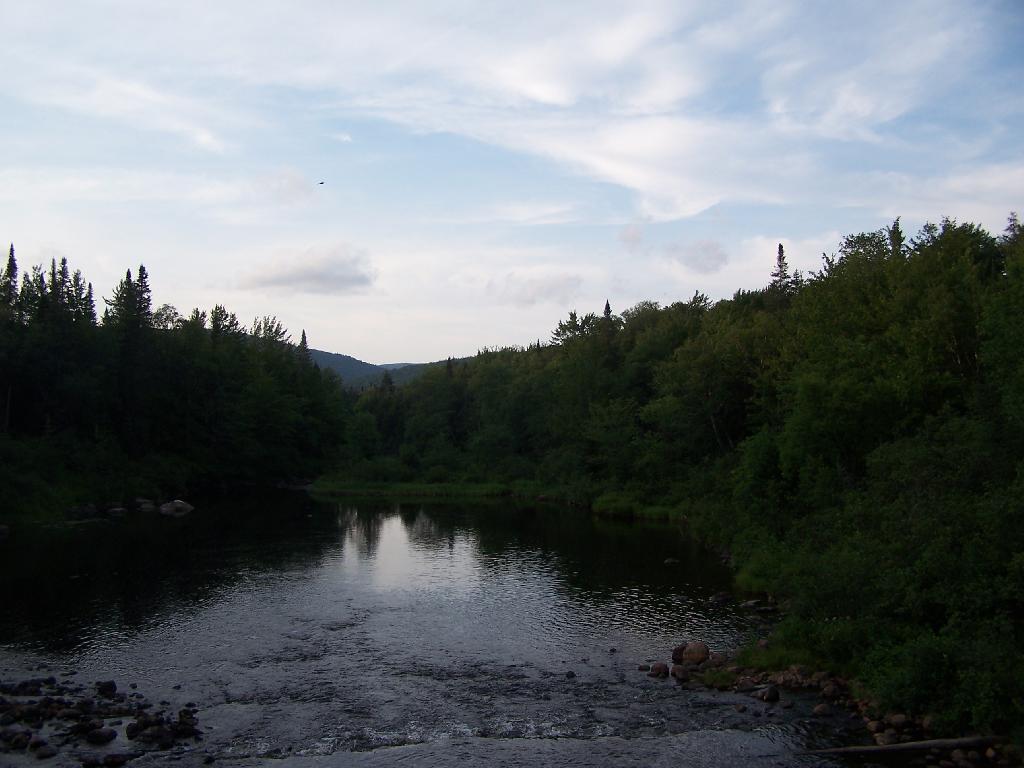
Cedar River Below Dam

While Article XIV Section 5 provides:

A violation of any of the provisions of this article may be restrained at the suit of the people or, with the consent of the supreme court in appellate division, on notice to the attorney-general at the suit of any citizen.

This would state affirmatively that the any citizen may sue the state for failing to “conserve and protect its natural resources and scenic beauty” and “encourage the development and improvement of its agricultural lands for the production of food and other agricultural products.”.