fodder

Why I’m Looking at Getting a Lift Kit for Big Red

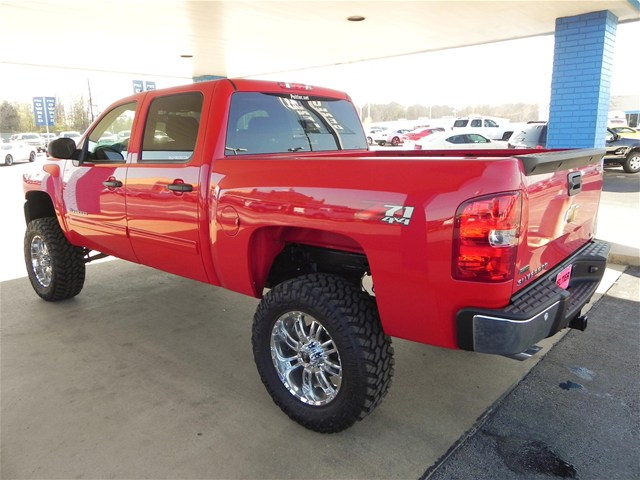
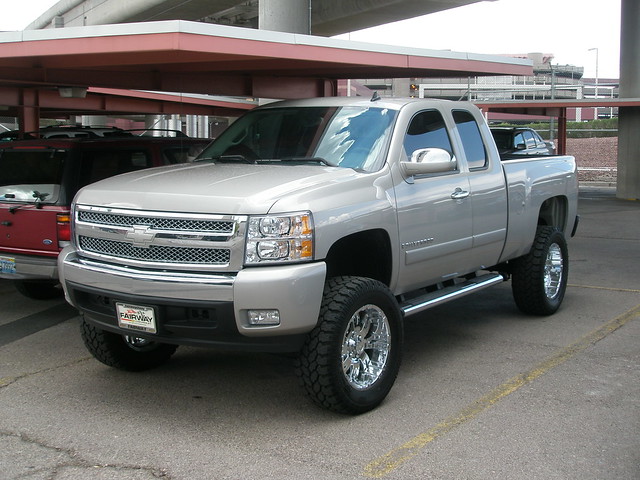
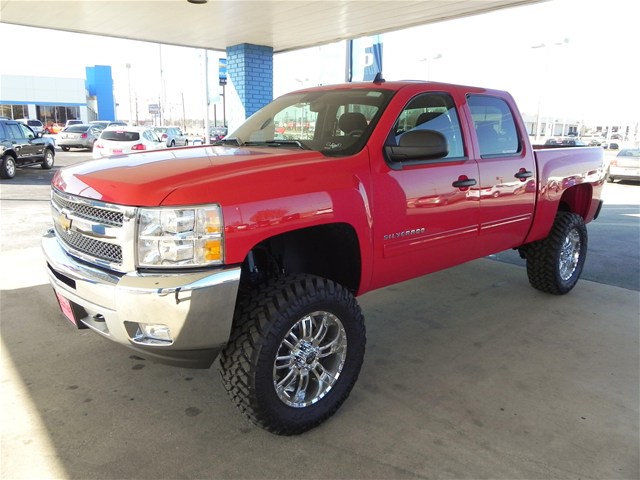
Ever since I got Big Red, I’ve wanted to get a lift kit to jack it up a few inches. Not super high, but something with a few more inches ground clearance, better road views, and just a higher ride.

2012 Chevy Silverado Z71 Custom

Not super high, but a few inches above where it is now. Simply said it rides much too low, and I think it would be fun to be a few degrees higher in the air.

2012 Chevrolet Silverado Z71 Crew Cab

Okay, maybe not that high. But I think it would be fun to jack up my truck. I work hard for a living, and should be able to get the toys I want. And it would be fun to e up high.

Low Clearance - Las Vegas, NV USA

The reality is, I am probably not going back to college net year. If can I save up my pennies for the 6 months or so, I can pay for the lift kit, installation, rims, tires, and possibly “real” bumpers for the truck, to replace those awful tissue paper ones. That would be fun in my book.

My So Called Place in Delmar

The other day I was scrubbing down my kitchen for mildew. My apartment and my kitchen has perputual mildew problems, requiring a heavy bleach treatment from time to time. Due to bleach and mildew, the refigerator and stove are starting to rust. The kitchen is always damp due apartment having faulty design, and probably because my neighbor keeps her unit well air conditioned in the summer and well heated in the winter.

So is life. My apartment is pretty awful, but it is relatively cheap, it’s on the bus line, within walking distance to the library and the town park. There is a bike trail/segegrated sidewalk around the Bethlehem High School, which makes for safe walking at night, which I almost do every night. I’ve never bothered to get home internet here, or spend much time at home, because this rather miserable awful apartment, really isn’t as much a home, as much a place to “stay” in the city.
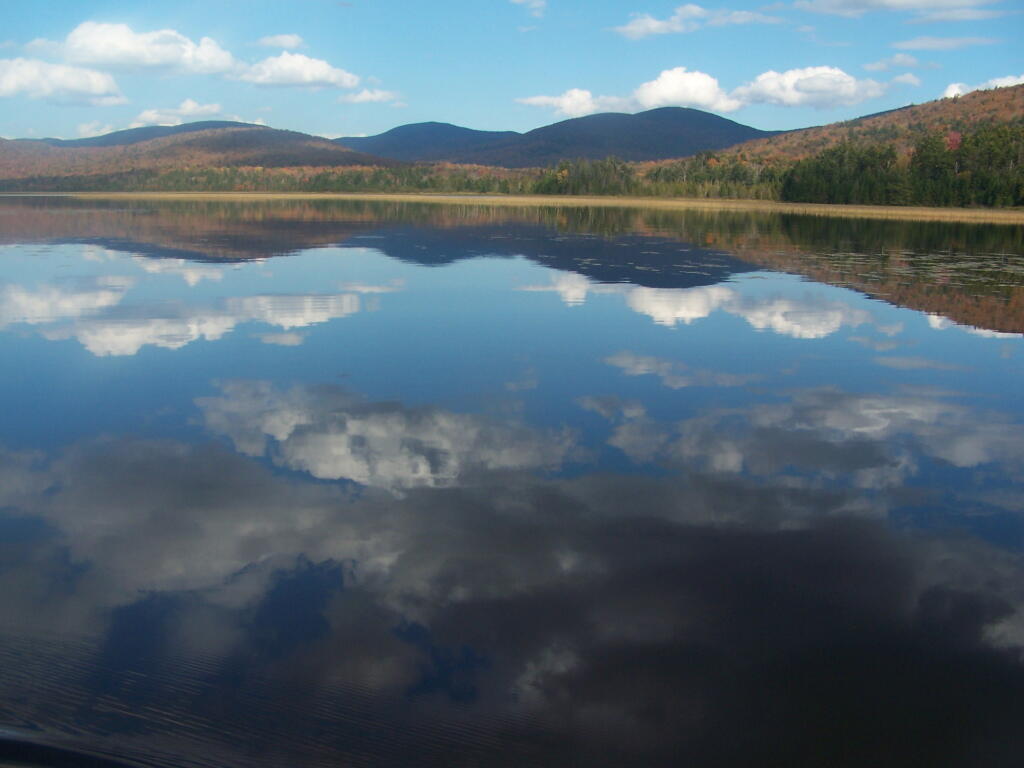
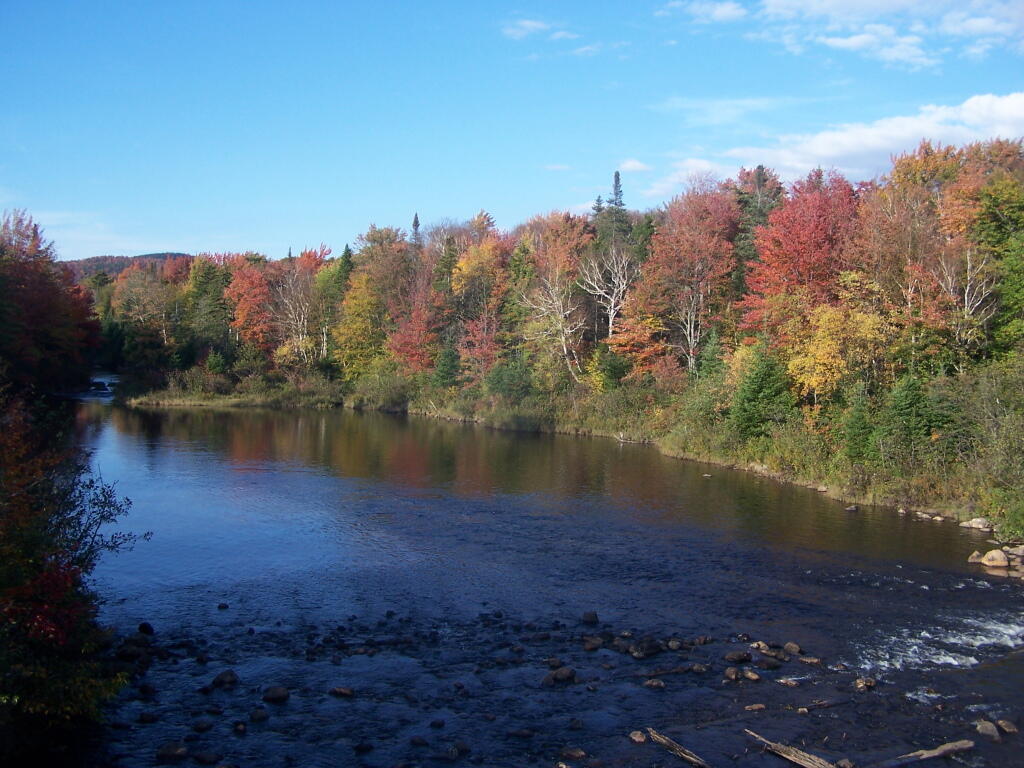
Colorful Reflections

I tell myself, as awful as it may seem at times especially compared to some of places my friends and colleagues live in, it’s okay. The money I’ve saved on this dumpy old apartment was enough to buy a very nice pickup truck, and keep the tank full enough, and cooler full of cold beer for almost every weekend trips to Adirondacks or somewheres else up in woods. In many ways, I consider the woods to be my home.

I like camping out a lot. While it may not like being have roots in a place one can really call home, it’s good enough for now. Up at camp, I can have campfires, play with fire, burn camp trash, drink beer, see some beautiful landscapes, and have a good time. I can be in the country around country-folk (most of people who go to woods), even if I continue to keep my place in Delmar as my mail address, and place I crash at night after work.

At some point I will find a real place to call home, outside of the stupidity known as New York State. A career I actually find respectable. A real place in cou ntry, not a place I go to hide out in woods during the weekends, as an escape from my urban place. A place where I can have animals, maybe do a little hobby farming, heat with wood, and have fires to burn my trash. Maybe have a four-wheeler and play in the dirt out back. A place without stupid restrictions on gun control, or where all the public lands are tied up by red tape and stupid policies persued as part of environmentalist agenda.

Some times, living in New York State, in the suburbs, working for the government makes me kind of bitter. I know there are so many better options, but I sure like that secure job, and the public lands in NY State aren’t half bad. Certainly, the Adirondack Park, despite all it’s limitations and restrictions has not totally yet been destroyed by the activist-types, trying to keep man away from his woods.

True Believers

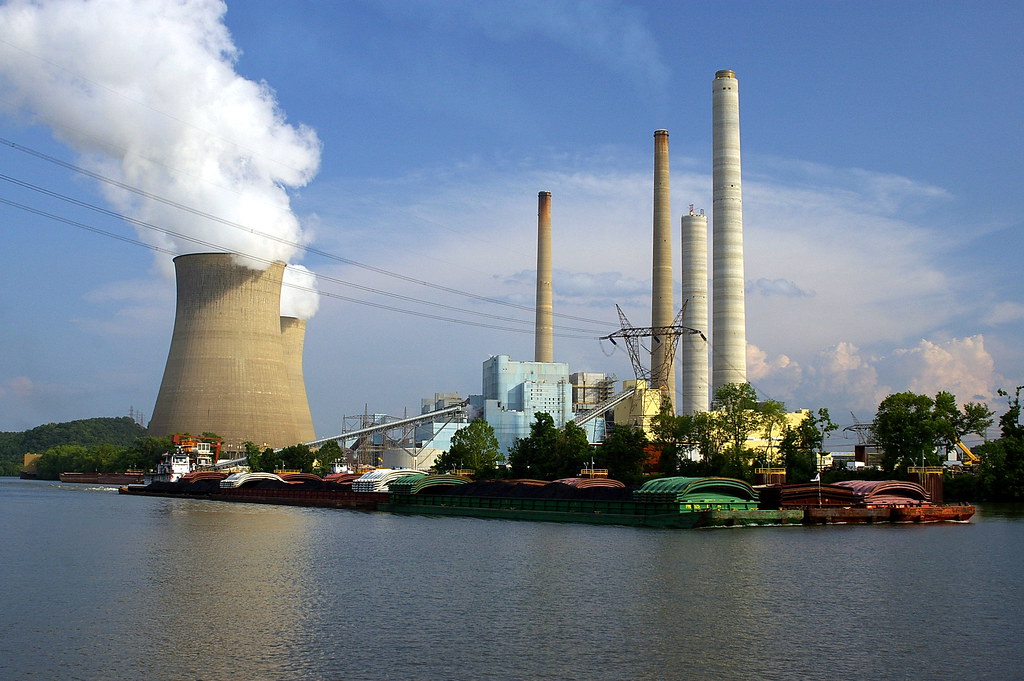
I was looking at the coal company advertisements that the “Quit Coal” project put up. Basically, those advertisements criticize “aggressive” regulations put forward by the government, and policies pursued by Congress to control air pollution. Not surprisingly, the folks that worked in corporations did not want to be told how to run their business, much less do something that would put uncertainty in their business.

Some will say that coal companies were actively spreading lies and falsehoods. Or did they actually believe in what they were advertising — a statement of belief of reality as it appeared to a coal power plant operator? Certainly many of the pollution control technologies of early 1970s were not to the point where well tested or even scaled up. A coal power plant operator, who always operated their plant one way, did not want to deal with the risk of changing operating methods and technologies.

The "Fred Way" @ the John E. Amos Coal Power Plant

Some will claim that coal-fired power plant operators were mostly motivated by greed. Yet, if you look at historically, did the clean air equipment on power plants actually cost that much — especially compared to existing revenue? Most upgrades to power plants were covered by small increases in electric rates, granted by public service commissions. If anything, more pollution controls meant more employees, and more opportunities for companies to profit because now operated more complex power plants in a regulated market that fixed their profit above cost.

In retrospect, the coal power industry is run by people who believe their mission — to provide inexpensive electricity, using proven technologies. These people who are resistant to change, because they don’t always understand what it will mean in the future.

The lessons of coal advertising is three fold:

  • Most people don’t actively lie due to moral conscience, nor do the corporations that represent the aggregation of people lie due to threat to litigation
  • People and corporations that make them up are highly resistant to change, because they fear the unknown and potential costs of unknown, even if the costs really don’t prove to be significant over the long run.
  • Government has an important role in setting emissions and efficiency standards, to force corporations, which represent large aggregations of people, to take calculated risks to improve their environmental preformance.

The Case for Quiet Climate Change Adaption

Often when people talk about “Climate Change Adaption”, they open discuss mega-projects that prevent theorical stresses that face our cities and urbanized areas. They often discuss large flood walls and other reduncency that would not exist if not for climate modeling.

Yet, there is a more sensible alternative. It’s the minor project and tweaks that can help societies adapt to climate change, that cost far less. Rather then looking at the worst case scenario, planners and engineers can consider likely threats using climate models, and when building new infrastrucuture make tweaks to make them more resilant to weather and flooding that might not have existed even a generation before.

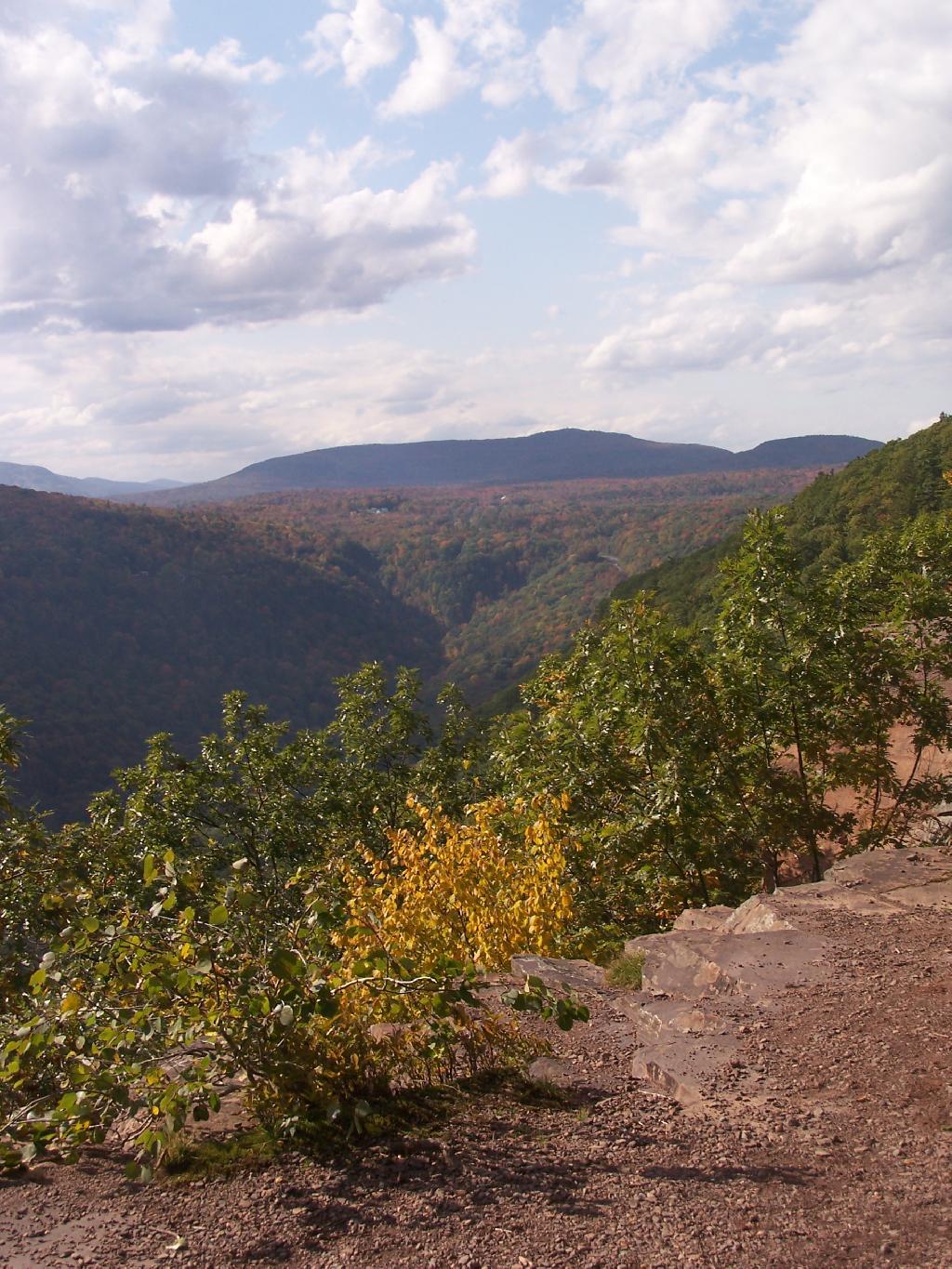
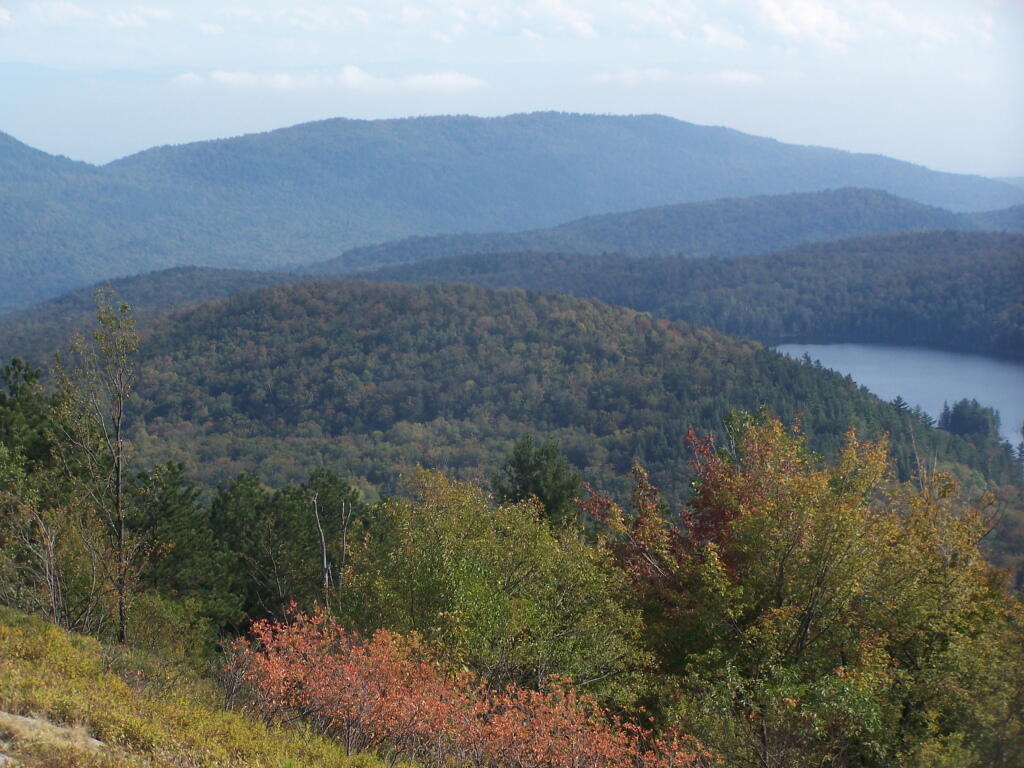
More Hints of Fall

A lot of climate change adaption will happen quietly without much public notice. Simply said, engineers are already that taking notice of recent events, and have to consider future models. Many of the changes, such as bridges designed for greater stream flow, are occuring quietly, without much public consideration.

As get we farther down the path of the changing climate, more infrastructure will fail. Settlement patterns will quietly change, as will land use. But there will be no press release or global stragety. People will adapt to what is right for them, just as infrastructure quietly adapts to a changing climate.