Day: July 14, 2026💾

🗺️ Maps 🖼️ Photos 📽️ Videos

Depreciation and Deconsecration

We treat automobiles like financial portfolios, tracking their declining value with a sterile grief. But a truck is not an investment; it is a consumable thing, meant to be used up until it is gone. We do not mourn the depreciation of a gallon of milk as we drink it. Yet we look at fourteen years of machinery and see a loss on a ledger, forgetting that time itself is the ultimate depreciating asset.

My old rig—that big red truck riding high on 35-inch tires—is selling now for little more than scrap value. But you cannot calculate the residual value of three hundred and seventy nights sleeping under its cap, or the heavy weight of adventures that came and went much too quickly. The true value was consumed in the doing: a decade’s worth of road trips out to the Finger Lakes, the long hauls up to Lowville, and the deep descents into Pennsylvania and West Virginia. It was paid for in full the night I lay in the dark of the Pennsylvania Wilds, listening to the raw, haunting bugle of elk echoing through the trees.

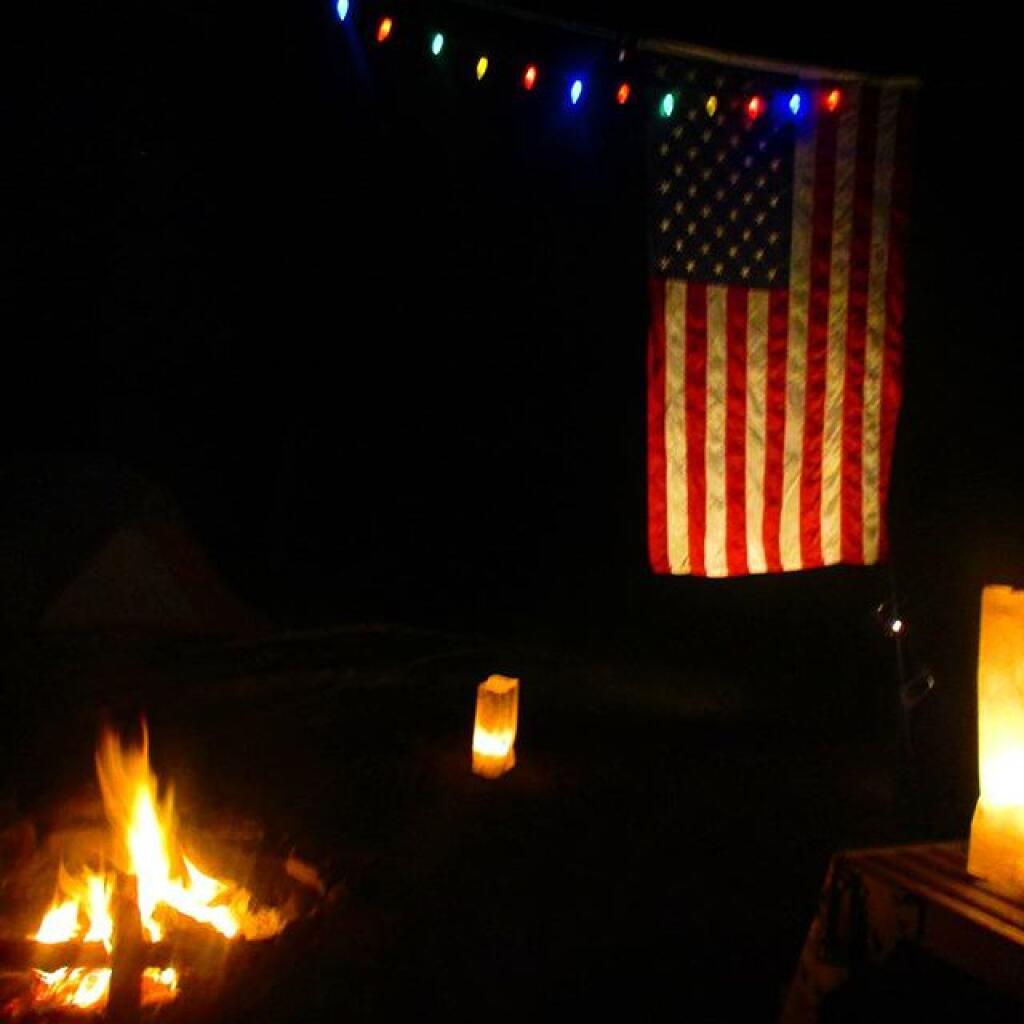
There were steep prices to pay in the ledger of ownership—the sweat of getting stuck in mud and snow, and the midnight fear of a burnt-up wheel bearing seizing in the eerie silence of West Virginia’s National Radio Quiet Zone, cut off from the modern world. But the dividends were paid on the tailgate, cracking open cold beers by rip-roaring campfires that threw sparks into the pouring rain and heavy snowfalls.

Now, the transition has come. In the driveway sits the shiny new Ford F-350 SuperDuty. Over the last few weeks, I have been moving the gear over—the truck cap, the lead-acid accessory batteries, the solar controller. Bolting the old setup into the new bed felt like a blood transfusion. It made me realize that much of the old truck’s DNA is alive in this new one.

But it left a heavy silence behind. Seeing Big Red stripped bare, without the camping gear, the kayak racks, or the solar panels, was a sobering sight. Without its purpose, the old truck suddenly felt spent, decommissioned, and essentially de-consecrated. It was no longer a vessel for the wilderness; it was just an empty shell of cold steel, a monument to a chapter of my life that has already closed.

I am entering my mid-forties now, watching my own hair turn gray and noticing the subtle, undeniable aging of my parents. Time moves with an aggressive, terrifying speed. Every dollar put into this new SuperDuty, like the truck itself, will eventually be wasted and worn down to scrap. But these next fourteen years leading up to my retirement in 2040 are the years I have left to escape freely before settling down to build an off-grid homestead.

The money is gone, and the old truck is spent. But the tools change so the mission can continue. We buy these heavy machines not to preserve their value for the next guy, but to swallow the country while we still have the strength to dig ourselves out of the mud.

Map: Cod Pond Trailhead   Camping Opporunities
Map: North Hudson - Moriaville Trails
Thematic Map: Critical Environmental Areas in New York State
Map: Washington County Grasslands

Navigator

I finally got another CDTA Navigator Card after a few months of using the app and having it expired. Tap and go, most of the time I don’t even pull it out of my wallet.

The Navigator app is fine as a back up, but it kind of sucks having to open an app, click through it, and sometimes your phone battery is dead, have connection issues, or get logged out of the app. Or if the sun is bright and screen is dim, the machine has trouble reading the QR code.

Plus you kind of want to have the app open, fare ready, when bus arrives, and I don’t necessary love at all times puling your phone out and messing it with bums around potentially looking to swipe the phone out of your hands. All while balancing and loading the bike on the bus.

Thematic Map: The fertile lands of the Black River Valley are Surounded by Tug Hill and Adirondacks