Day: May 5, 2026💾
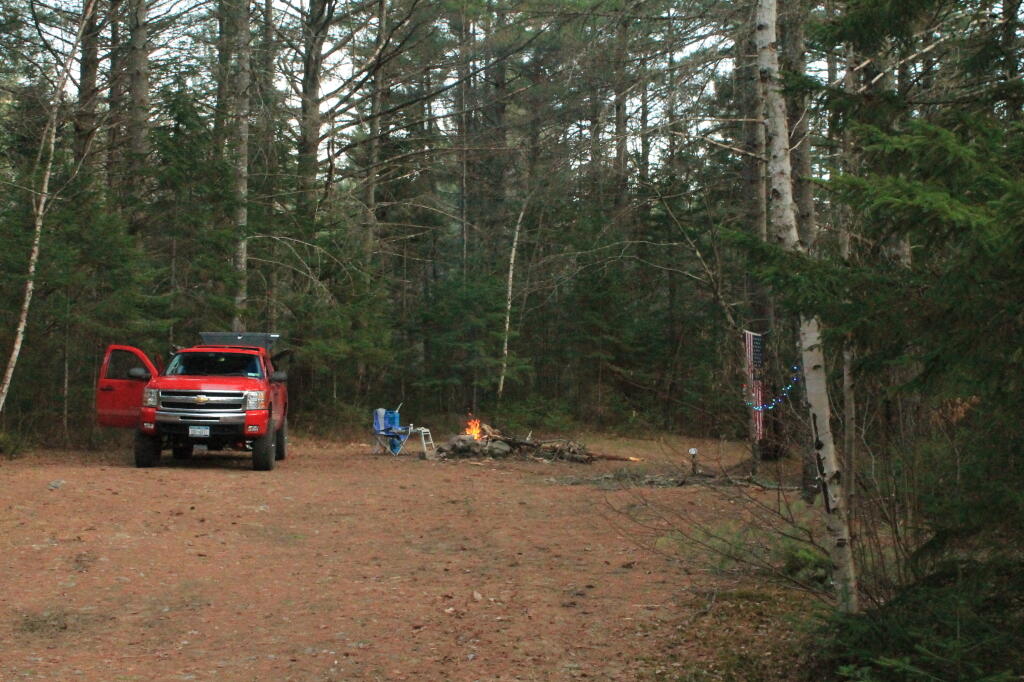
Rainy spring day at Moose Plains
How a simple random map pull was killing my blog performance 🐢
If you’ve ever noticed your site’s performance dipping as your database grows, you might have a hidden bottleneck lurking in your code. For years, my blog suffered from sluggish load times, and I couldn’t quite put my finger on why—until I looked at how I was fetching “Random Maps” for the side bar.
Here is why ORDER BY RAND() was killing my performance and how I finally fixed it.
The Problem: Why RAND() Scalps Performance
It’s the easiest way to grab a random row:
SELECT * FROM posts ORDER BY RAND() LIMIT 1;
It works perfectly when you have a few thousand rows. But once you hit hundreds of thousands, your database starts to groan. Here’s why:
- No Indexing: Databases use indexes to find data quickly.
RAND()generates a completely new, random value for every single row in your table every time the query runs. - Full Table Scans: Because those random values aren’t indexed, the database has to scan every single row, assign it a number, and then sort the entire table in memory just to give you one result.
- The “Large Table” Wall: On a large table, this process eats up CPU and disk I/O, causing the “waiting for database” lag that plagued my blog for years.
The Faster Alternative
Instead of making the database sort everything, a much faster approach is to pick a random ID in your application logic (or a subquery) and fetch that specific row. If your IDs are sequential (1, 2, 3…), use this pattern:
SELECT * FROM posts
WHERE id >= (SELECT FLOOR( MAX(id) * RAND()) FROM posts)
ORDER BY id LIMIT 1;
Why this is lightning fast:
- It uses a Subquery to find a single random starting point.
- It leverages the Primary Key Index (
id) to jump straight to the data. - The database only processes a tiny fraction of the data instead of the whole table.
I let this “simple” query slow down my blog for way too long because it worked fine in the beginning. It wasn’t until I audited my slow queries that I saw RAND() taking seconds to execute. Switching to an index-friendly approach brought my load times back down instantly.
River Channel
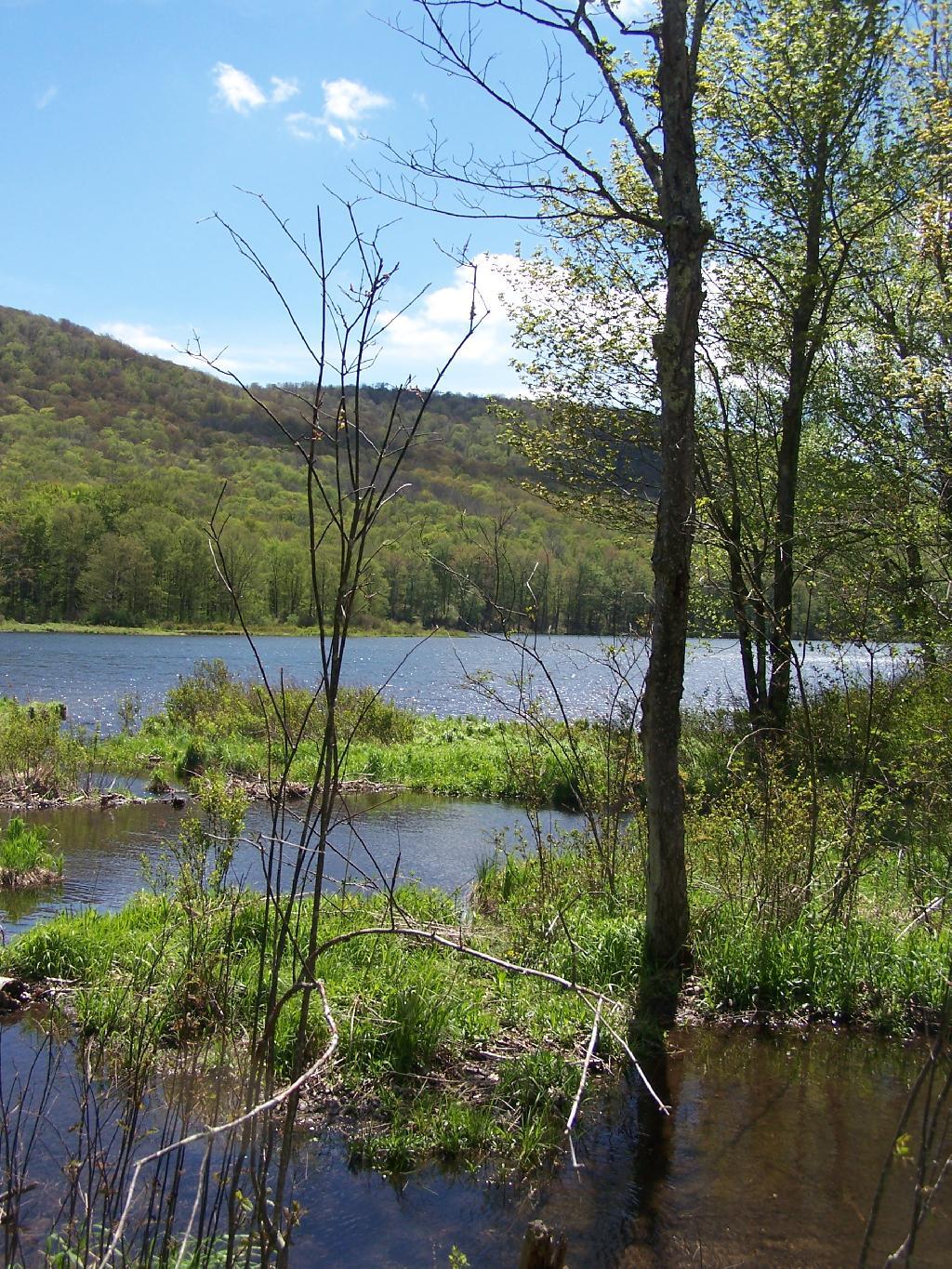
Here is some of the residual river channel where Papscanee Island used to be seperate from the mainland before being filled in and bridged.
Thursday May 7, 2020 — Papscanee Island Nature Preserve — Papscanee Island Nature Preserve 🗺