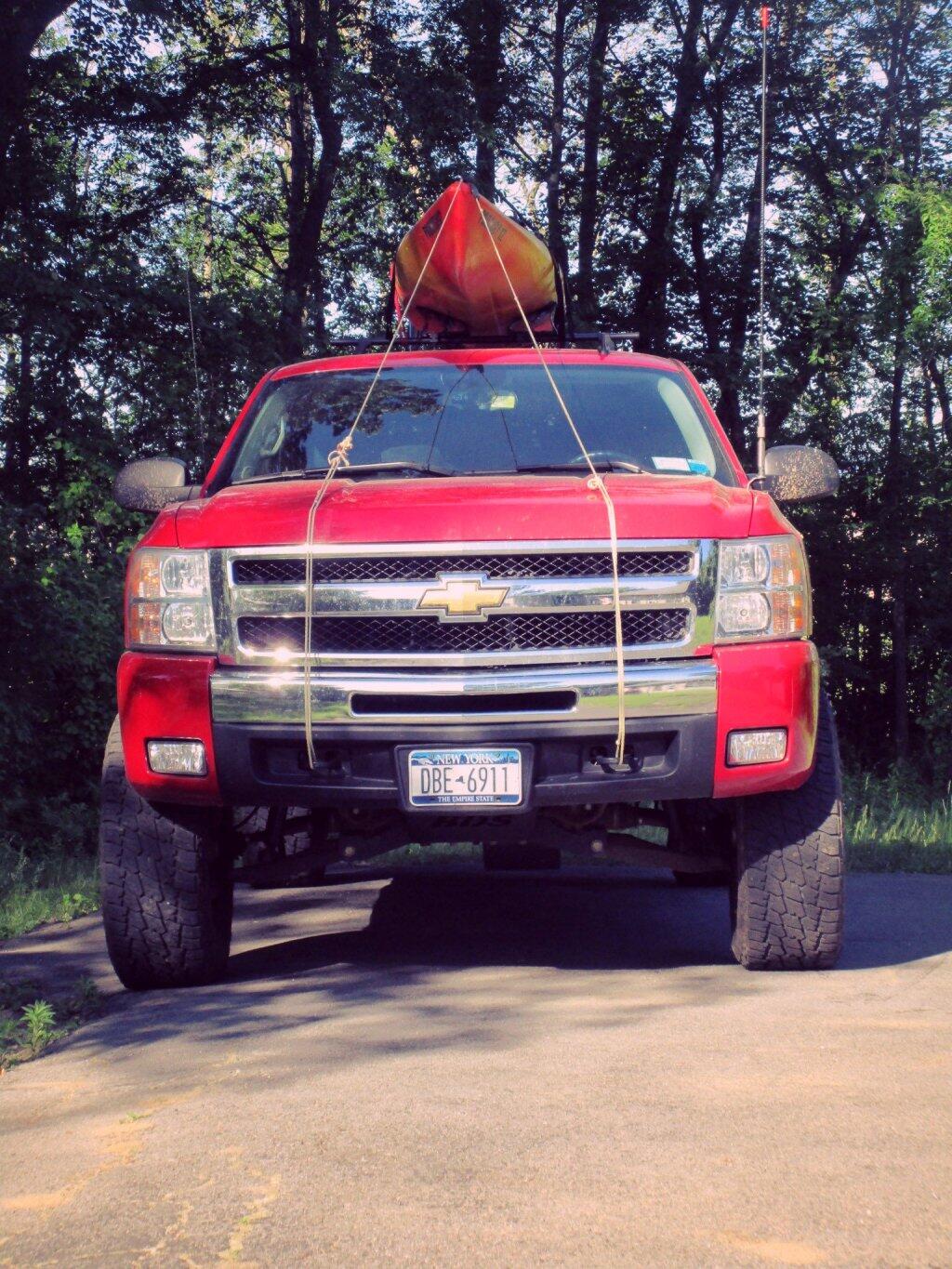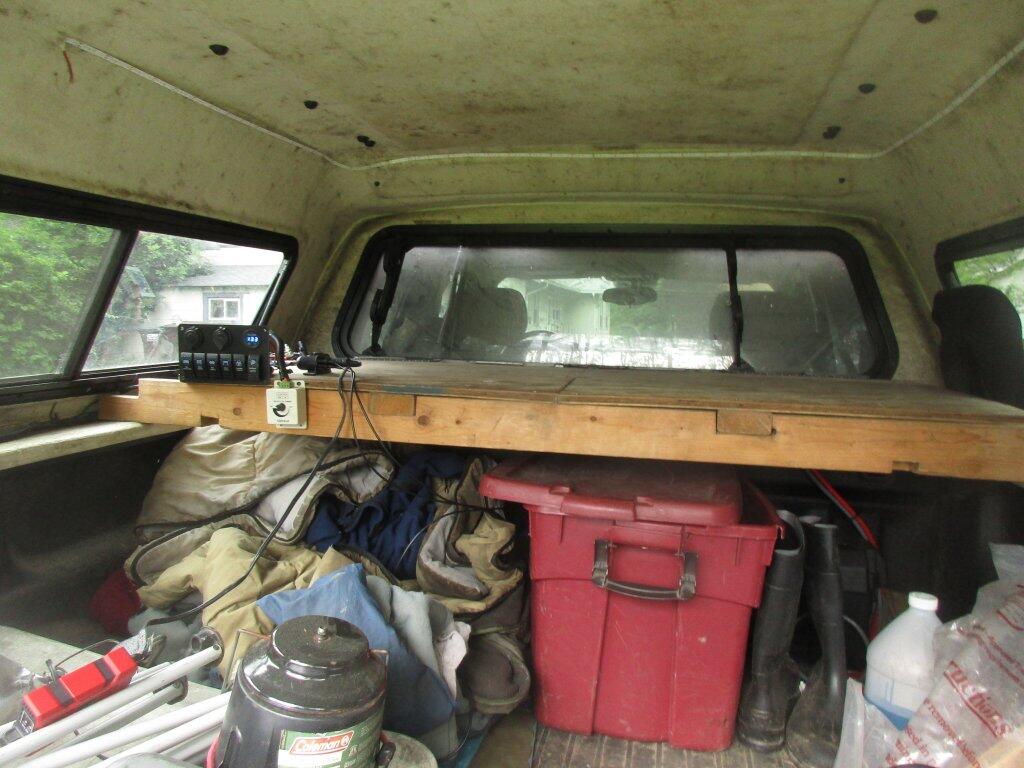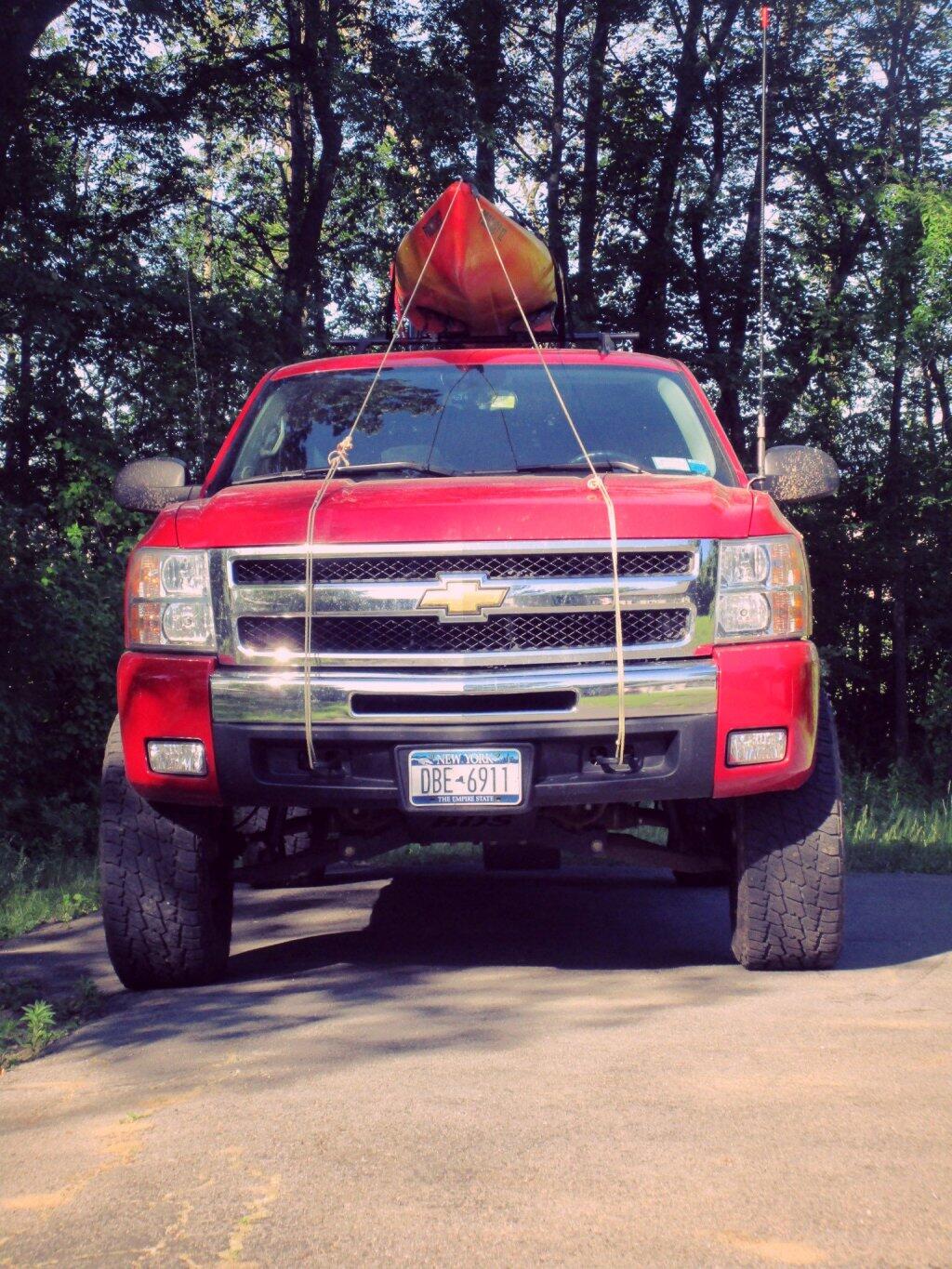
Big Red 📍

🖼️ Photos 📽️ Videos

Why I decided on a second 100-watt Renology panel for my new rig

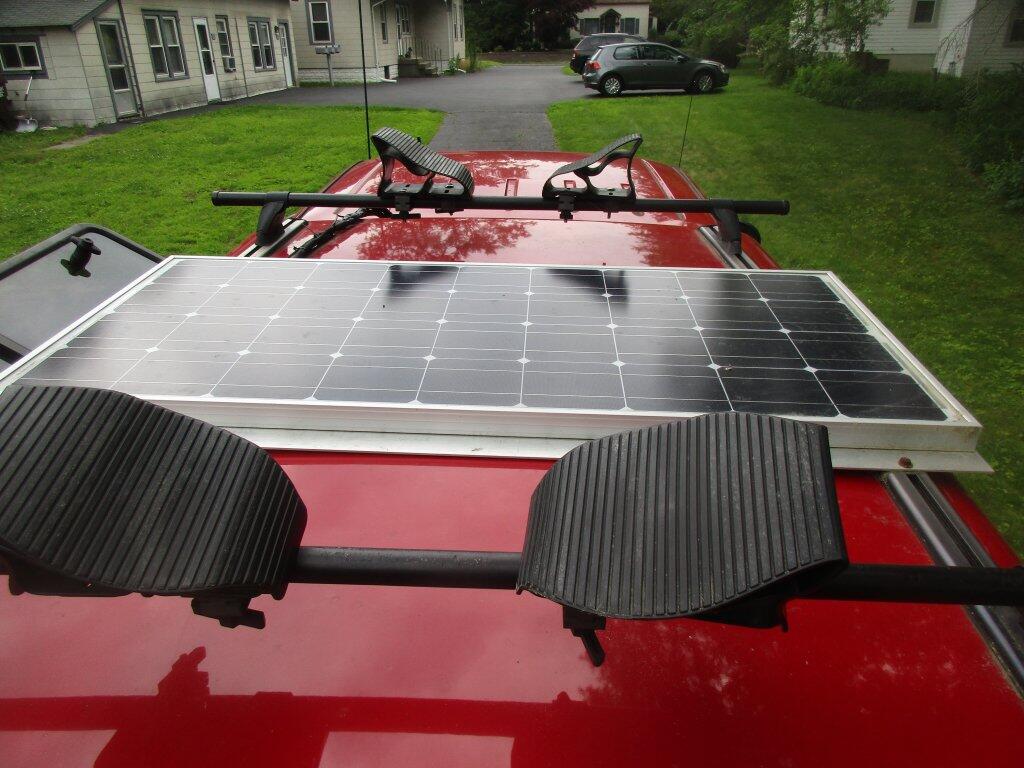
I am moving the 100-watt Renology panel from my old truck cap over to the new one. Once I do that I plan to order a second panel of the same specs to mount right behind that one. I believe I have enough room on the truck cap to do that, and the existing panel has served me well that 8 years I have had it mounted to the truck for my needs.

At first I was hesitant to stay with the same set up as frankly those 100-watt Renology panels are overpriced on a per watt basis when some 450 watt residential panels can be had for a similiar prices. But the 100-watt Renology I’ve had has proven to be quite reliable and fits well. A second panel will be easier to mount too, as it will be flatter on the roof bend. And using two panels over one one panel has a major advantage with partial shading, which often is an issue with camping in woods. The new panel only adds 13.1 lbs to the roof is well within the caps’ design capacity with two panels and the kayak on the roof.

Indeed if I had good sunshine, the 100 watt panel would be more then sufficient to almost always be topped off as my lead-acid battery storage is pretty limited – and with remote start the SuperDuty is easy enough to start up to top off the batteries. Plus with the 6.8L engine, I am not worried about excessive idle causing premature wear when plenty of people leave their SuperDuty trucks idling all day – that’s part of the reason why the first generation 7.3L had lifter issues.

Almost tempted to order that second panel and install both at once, but I want to get the cap and measure out first before I start mounting the panels. I might also need to get another aluminum strip for mounting the second panel across. But it’s a summer project. I am also not sure if my existing PWM solar controller can handle two panels at maximum output, but I figure if necessary I’ll swap out for a MPPT controller should I have issues with the old one burning up or failing.

100 Watt Panel

Balancing Prudence and the Open Road

Even as a person who prides myself on financial responsibility, I occasionally find myself staring at my Ford SuperDuty and grappling with the sticker price. At nearly $60,000, it is a staggering sum for a vehicle. I know it isn’t an “investment”—at least not in the sense that my brokerage accounts are. It is a consumption expense, a heavy-duty truck that will eventually wear out. Yet, as I look toward the next fifteen years of my life, I’ve come to view this truck not as a lapse in judgment, but as a deliberate investment in personal freedom.

My professional life is defined by the structured world of middle management, overseeing Data Services Unit for the NYS Assembly. It is a career built on twenty years of steady growth, and this year, my total income—bolstered by dividends and side projects—will reach well into the six figures. Despite this, my daily habits remain rooted in frugality. I live in a modest apartment; I commute by bicycle or the local city bus. Because I am disciplined in the areas of life I care little about, I have granted myself the permission to be expansive in the areas I do.

The logic for a heavy-duty F-350 is admittedly more emotional than strictly utilitarian. I could have settled for a used Tacoma or a smaller Ranger, but those wouldn’t capture the “Big Truck” stability or the power of the “Minizilla” engine. This truck is a vessel for the wilderness. I see the years ahead clearly: camping under a new truck cap in Michigan’s Upper Peninsula, navigating the rugged terrain of West Virginia, and eventually installing a diesel heater for warm winter expeditions. There is a specific, quiet joy in sitting on a tailgate at a remote campsite, the woods illuminated by lighting powered by the truck itself, listening to music as the fire crackles.

Critics of such a purchase might point to the “opportunity cost”—the reality that these funds could have been diverted toward my dream of an off-grid homestead or an earlier retirement. I am keenly aware of this trade-off. However, intentionality is the bridge between my current reality and my future goals. Currently, I am still funneling 50% of my income into retirement and investment accounts. My path toward a “free state” where I can raise livestock and listen to the birds on my own land remains secure. This truck doesn’t derail that future; it simply makes the journey there more capable and enjoyable.

Ultimately, the SuperDuty is a work truck with vinyl floors, not a status symbol to be polished in a suburban driveway. It is a functional necessity in a car-driven society, transformed into a tool for escape. By being frugal where it counts, I have earned the right to be intentional where it matters. “Big Red,” my previous vehicle, eventually met its end, and in fifteen years, this truck likely will too. But in the intervening decade and a half, the memories of the trail and the campfire will have far outlived the sting of the price tag.

Map: Olson Fire Tower
Map: Kaaterskilll Falls

Do I need a car? 🚘️

Regular readers of my blog, may have the impression that I’ve already decided on the truck I will buy come the spring, that I’ve all but picked out the color of Ford F-350 I’ll be driving home in a few months. Then getting a camper shell, moving the kayak rack, camping gear, solar panel and batteries over, adding a cellphone booster, and other equipment. It’s not that I’ve been thinking a lot about what my next rig will be like if I get another truck.

Maybe that’s true or maybe it’s not. Really I’m undecided.

For other audiences like my liberal friends and those on Facebook, I’ve been playing up my new urbanist ideas, with a healthy dose of skepticism about owning a vehicle. Trucks are so damn expensive! Truth is I’ve always enjoyed taking the bus or riding my bike to work, I would be loathe to have to drive to work every day. The commute is a big reason I refuse to buy a house, beyond all of other costs associated with owning a house such a maintenance and utilities.

Truth is a car, even a little Honda Civic, isn’t a great way to get around a city with all the parking restrictions, speed traps and cops every where. A bike is really a liberating way to get around the city. It’s rare even when you break a law in front of a cop on a bike that you get stopped. Run a stop sign in front of a car, you’ll get stopped in a car but probably not on a bike. You’re the one in danger on a bike if you a crash into another car after violating a traffic law, after all.

Or I could put Big Red back on the road in the spring.

Blackie, my new mountain bike

People keep asking questions – how do you plan to travel without a car?

How do you plan to get back to wilderness? Out to country? How about the Albany Pine Bush? Pine Bush meetings in Colonie or Guilderland? Doing your wash at laundromat? Taking your trash to transfer station? Going grocery shopping? Getting to work? Honestly, so far I’ve survived, I’ve found work-around that are fine at least during winter. Never did drive more then a few miles in the winter, and truth be told I think I would be fine without camping and traveling. I am sure there are other ways to travel like buses, trains and rental cars. Certainly, I don’t just want a Honda Civic for driving around town, like some kind of mindless drone hauling plastics from the Shopping Maul to the landfill.

Honestly, right now I’m kind of having fun this winter not having a vehicle. It’s nice not having to clean the snow off my truck or warm it up. It’s nice not having to go to the car wash and get all dirty washing off the salt in vein. And nothing gets me as pumped up as riding my mountain bike when it’s cold out, though it’s lame that it’s still too dark in the evening to ride all the way home and Albany County Rail Trail is still snow covered.

Thematic Map: New York Electric Grid
SVGZ Graphic: Albany County Electric Grid

Surrendering the plates

I keep repeating this phrase, "this really is the end." It's over, though I still need to call the insurance company and let them know and I didn't cancel the registration though I probably should have but it's like $40 left on it and it makes it easier if I decide to put the truck back on the road or transfer it to the new truck. But I see no reason to rush, time on my side if I wait. 

Monday January 5, 2026 — Big RedBattery Diagram 🗺
Thematic Map: Agriculture in New York
Map: Empire State Topography