Topics πŸ“

A variety of maps, writings, and photos on a various topics that can’t easily be categorized into a county or place.

Download the PDF Map Pack
πŸ—ΊοΈ Maps πŸ–ΌοΈ Photos πŸ“½οΈ Videos

Summer is rapidly drawing to a close as autumn approaches

In less then a week and a half I will be making that early morning trip up to Speculator to hopefully get that campsite on Hardwood Hill to work remote and spend Labor Day Weekend camping up there. Maybe it will be warm enough to float on Jessup River by the bridge, but the truth is the summer is rapidly drawing to a close. Sunset will be 7:27 PM on September, the average high only in mid 70s, and dusk six minutes before 8 PM.

The public beaches and pools close on Labor Day. And much beyond then the creeks get cool for swimming and floating, even if there are still some warm days remaining. But there are still adventures to do. I am thinking of possibly hiking Snowy Mountain over Labor Day Weekend, first time I’ve done that. Remote work and camping from Rennselearville State Forest and Prospect Mountain Road in Vermont’s Green Mountain National Forest. Maybe a fall trip back to Speculator and Hardwood Hill for the last week of September. And then maybe Charles Baker and Lost Pond for Columbus Day Weekend.
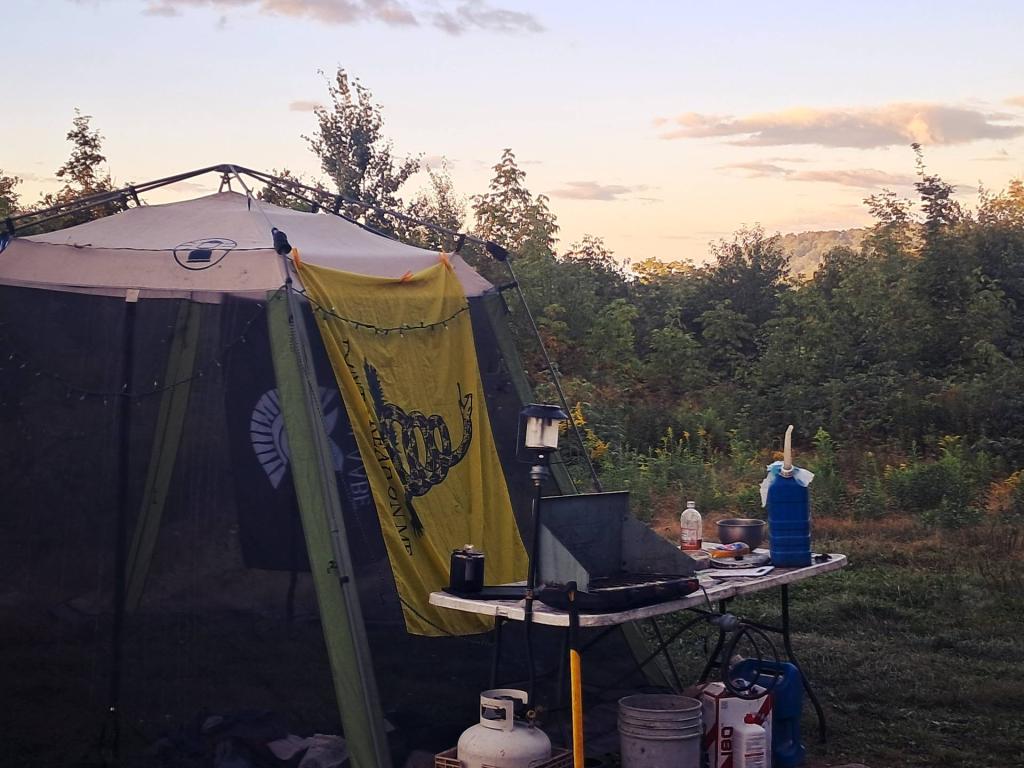
Screen Tent

Untitled [Expires October 13 2024]

Thematic Map: The Western States

Tea Party and DSA 🐘 🫏

I often like to compare the Tea Party to the Democratic Socialists of America. In some ways that is fair to say DSA is the “Tea Party” of the left, but that also ignores some of the core differences in structure, and the lack of corporate backing for DSA compared to the “Tea Party”.


The Tea Party and the Democratic Socialists of America (DSA) represent mirror-image populist insurgencies that emerged to disrupt the establishments of their respective major political parties. While they share an anti-establishment, grassroots structure designed to pull their parties toward ideological extremes, they hold diametrically opposed visions for the role of government and the American economy.


πŸ“Š Direct Comparison

FeatureThe Tea Party (Right-Wing)Democratic Socialists of America (Left-Wing)
Core IdeologyFiscal conservatism, libertarianism, right-wing populismDemocratic socialism, progressivism, left-wing populism
Role of GovernmentStrictly limited; reduction of federal power and spendingVastly expanded; universal social programs and public control
Taxation & EconomyDeregulation and sweeping tax cutsHigh taxes on corporations/wealthy; wealth redistribution
Target PartyRepublican Party (GOP)Democratic Party
Peak Influence Era2010–2014 (evolved into the MAGA movement)2016–Present (surging in 2026 primaries)

🀝 Key Similarities

  • Anti-Establishment Factionalism: Neither group operates as a viable third party; instead, both act as internal pressure groups utilizing primary elections to replace moderate incumbents with ideological purists.
  • Grassroots Energy: Both movements harnessed deep-seated populist anger among everyday voters who felt abandoned by the political elite and standard party leadership.
  • Outsider Candidates: Both factions successfully elected political outsiders who had little to no prior connection to the formal party establishment.

πŸ›‘ Core Differences

  • Economic Philosophy: The Tea Party viewed the free market as the ultimate driver of liberty and government spending as a threat to prosperity. The DSA views unchecked capitalism as inherently exploitative and advocates for robust labor unions and state-guaranteed services (like healthcare and housing).
  • Constitutional Framework: Tea Party rhetoric relied heavily on “originalism,” calling for a strict adherence to the U.S. Constitution and the principles of the Founding Fathers. The DSA views traditional American institutions as structurally flawed, going as far as to advocate for major structural overhauls like abolishing the U.S. Senate
  • Scale and Funding: The Tea Party was a massive national wave heavily backed by major conservative political action committees, winning hundreds of seats rapidly. The DSA operates on a smaller, more localized scale, facing tighter electoral limits outside of progressive urban strongholds.
Map: Folded Rock Trail
Map: Santa Clara Reservoir
Map: Eagle Pond Trail