Sprawl 📍

KunstlerCast 274 — Chatting With Bill Kauffman Of The Front Porch Republic.

KunstlerCast 274 — Chatting With Bill Kauffman Of The Front Porch Republic.

This podcast is utterly fascinating. Definitely worth a listen.

"Bill Kauffman is a founder and contributor to the Front Porch Republic website. He’s also the author of Dispatches from the Muckdog Gazette; Ain’t My America; and the recent collection of essays, Poetry night at the Ballpark. He also wrote the screenplay for the 2013 motion picture Copperhead, about community strife on the home front during the Civil War. He’s a supporter and defender of the American small town and its economic interests. Just out of college, he joined the staff of Senator Daniel Patrick Moynihan and he is deeply acquainted with Inside-the-Beltway culture. He abandoned Washington DC to return to his hometown of Batavia in far, far western New York (near Buffalo) where I chatted with him by phone."

Our Urban State

A while back I showed off the population of New York State in 2010, based on every town’s population. We looked at population density of various towns, and how it’s very dense in a few towns, and very spread out in most of state. Today, let’s look at a map of the developed areas of NY State.

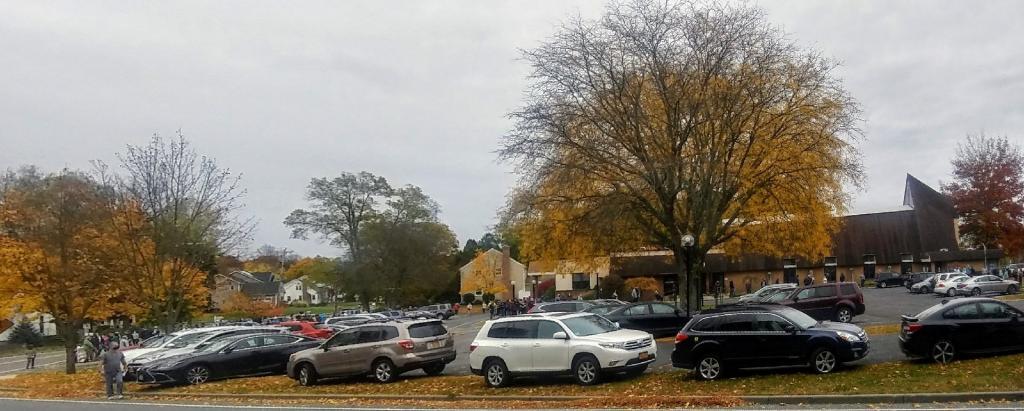
Craziness at the Early Vote place

Roughly 10% of the state is urbanized… the rest of state is rural.

So what goes on in the rest of state? About 24% of the state is farmed — lots of cows, corn, alfalfa and hay, but an even bigger portion is essentially wildlands, covered with water or forest lands.

Distance to State Parks

It’s not to say people don’t live in other areas — they do. But small rural houses and farm steads are just footnotes, in a largely wild, forested or farmed landscape that makes up most of New York.

The Demise of Washington Avenue Extension

I suspect Washington Avenue Extension, built in 1968-1973 is reaching the midpoint in its useful lifespan, or maybe even a bit beyond it. It seems unlikely it will have a life much beyond 2050, and certainly not well into the twenty-second century.
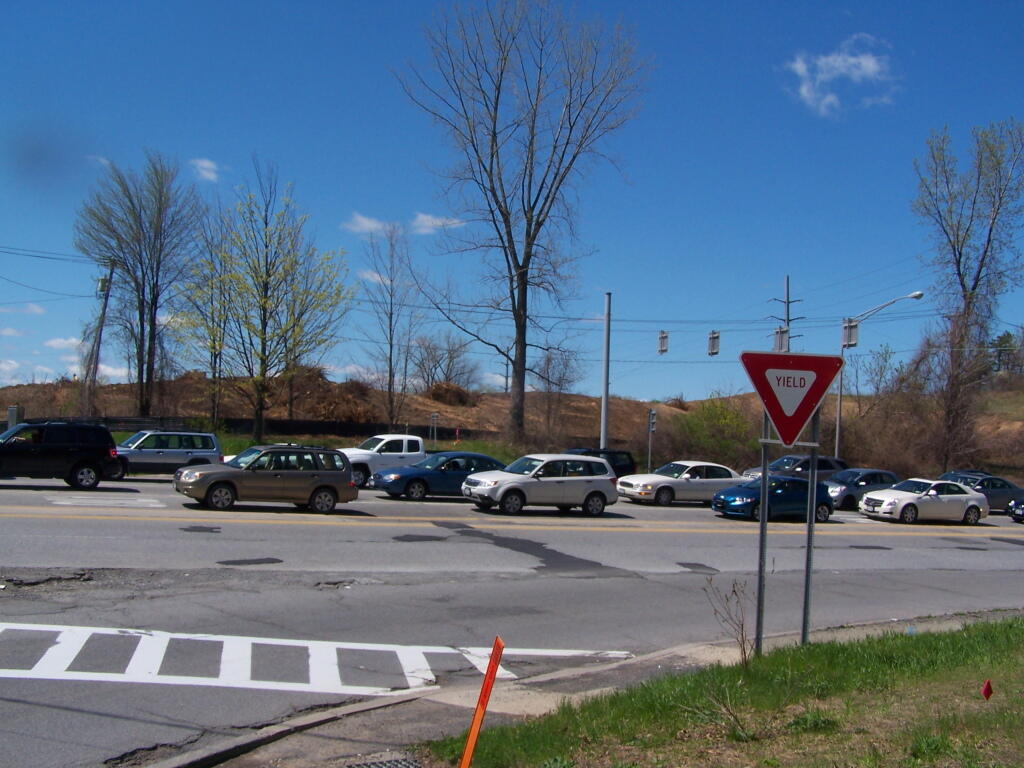
Traffic Waiting Near Recently Cleared Sand Dune

Simply said, Washington Avenue Extension is a gasoline alley built into the Albany Pine Bush for the convience of us humans to get to businesses and commerical strips. It was built with the cheapest materials possible, not designed to last more then a few decades. Washington Avenue Extensive lives and dies on cheap energy, as it’s too remote of a location to be pratical for anything besides automobile commuting.

‘ ?>


View Larger Map ‘ ?>

The automobile and the cheap fossil fuels that make it possible will not be around forever, especially as we as society get concerned about the impacts climate change is having on us all. It’s even located in such a remote location that trollies or other mode of public transit really do not make sense there.
Motor Boats per 1,000 Residents

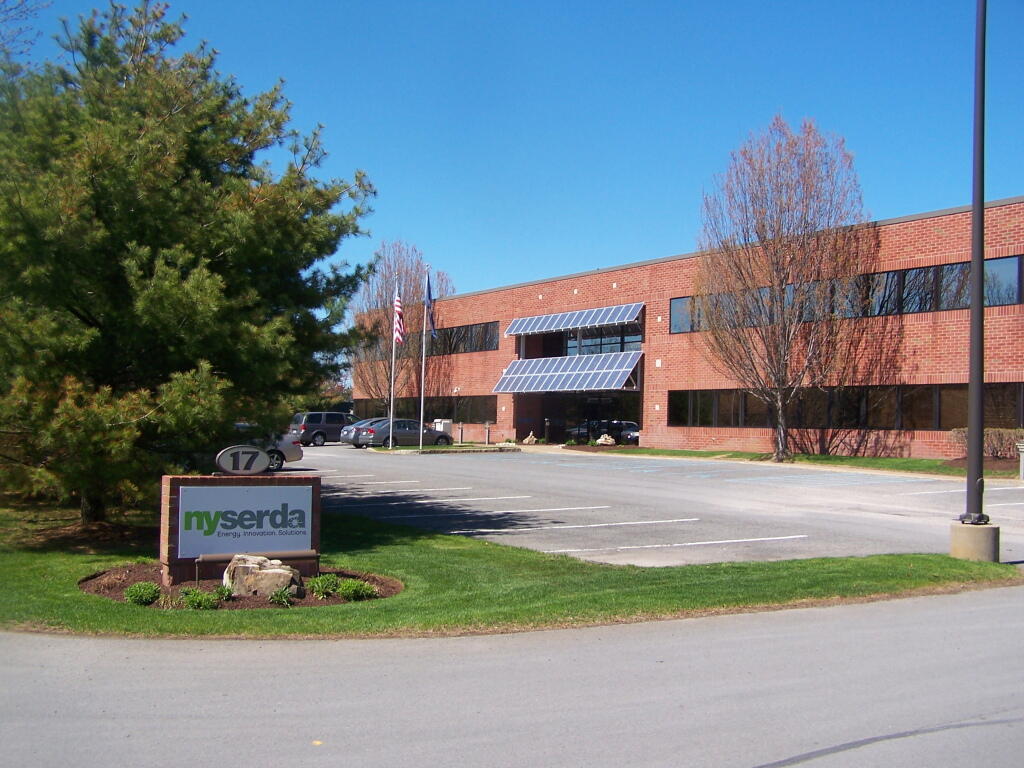
There is often an unwillingness to admit humankind might not be around in the next century, or that the automobile age will end. Technophiles and advocates for the status quo advocate for solar panels, windmills, and electric cars.
NYSERDA's Green Building

Someday cracks in the concrete slab known as Washington Avenue Extension will spring dandelions and weathering will lead to the road to eventually break apart and start to fail. Rebar will rust, and eventually the forces of nature will remake the landscape, someday removing any trace of human action.
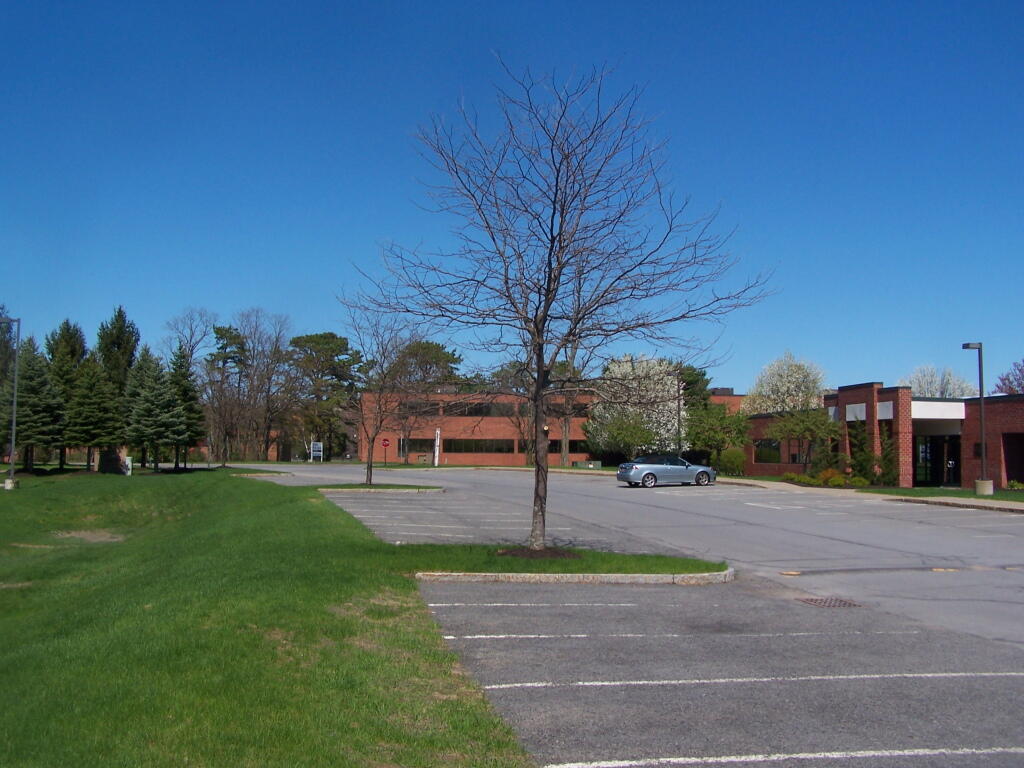
Gazing at Beautiful Columbia Circle

The hideous place known as Washington Avenue Extension will someday be entirely gone, a relic of earlier times. It’s quite possible that humanity will strip that road in an effort to restore the Albany Pine Bush, or even just for the materials to meet more contemporary needs in the city.
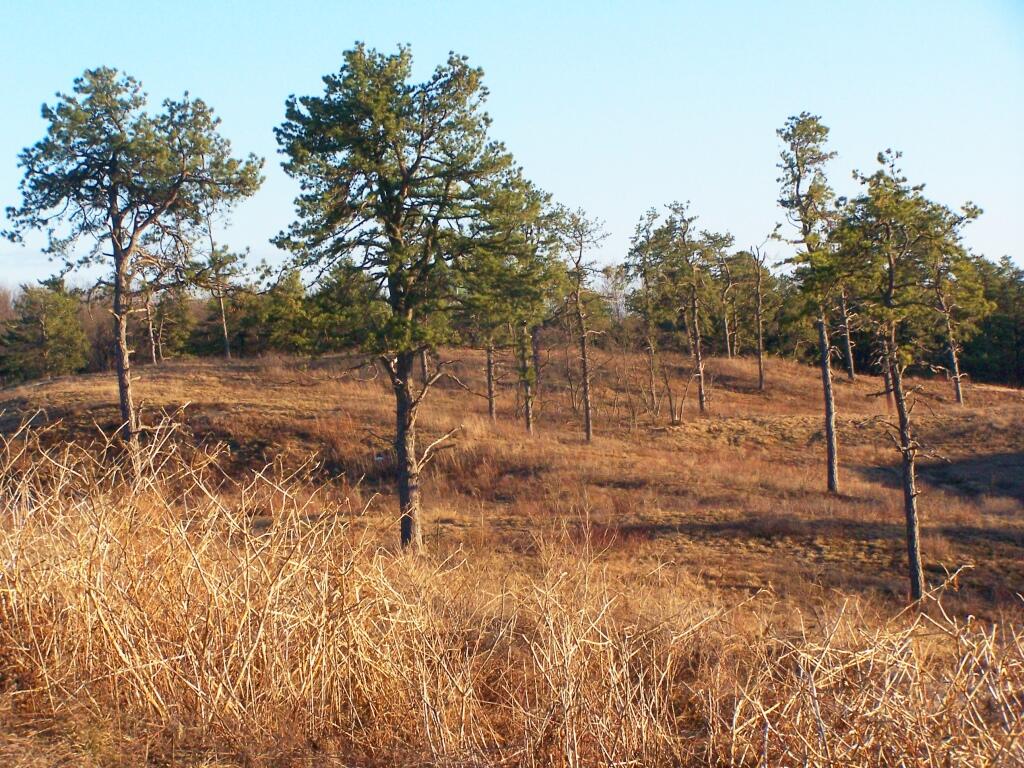
Open Pine Bush

… I can’t imagine a Washington Avenue any more hideous of place then it is today — it can only get better.

Terrain Map: Albany Pine Bush 1952 High Resolution
SVGZ Graphic: Tyler v. Hennepin County States