
Charles Flood Wildlife Management Area At The Empire Brickyard 📍

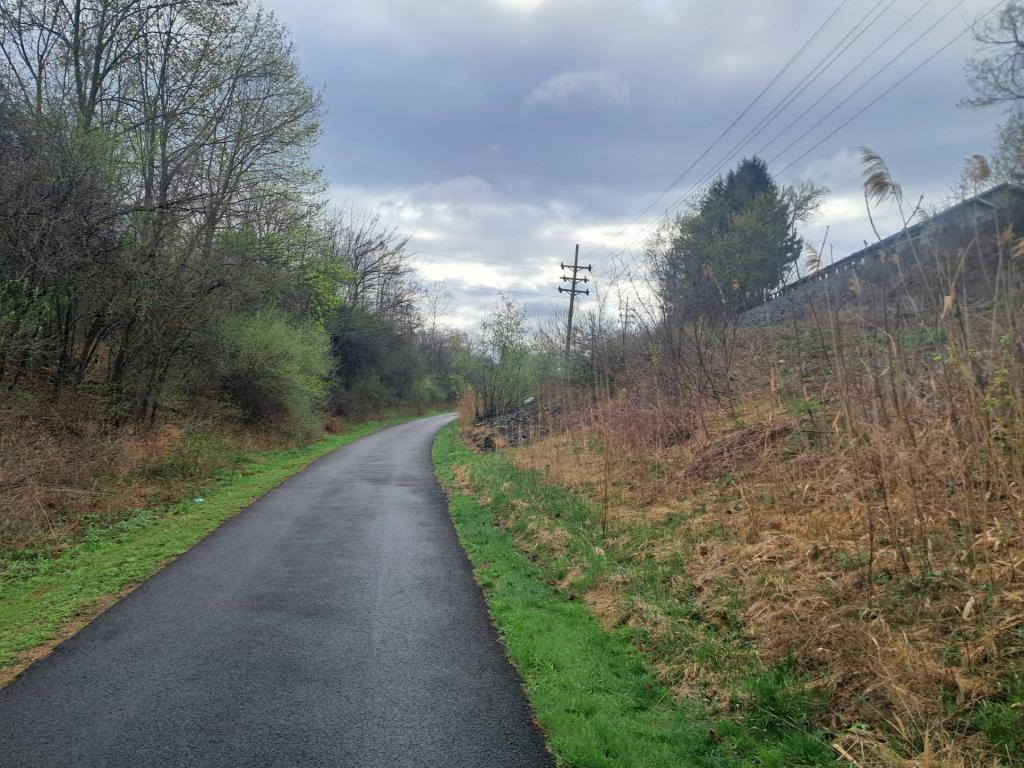
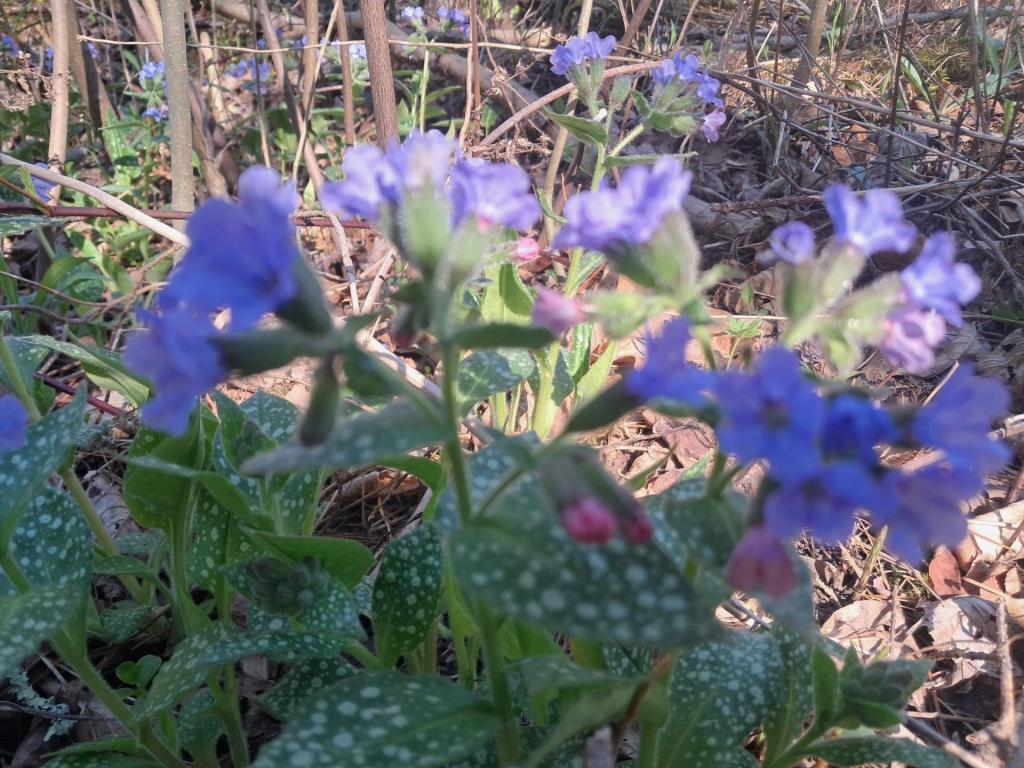
The Charles Flood Wildlife Management Area (CFWMA) s a 591-acre parcel acquired in 2018 from Scenic Hudson primarily to expand and improve wildlife dependent recreation opportunities such as hunting, trapping, and wildlife viewing; for the preservation of spawning and nursery habitat for coastal, migratory, and resident fish; and the protection of rare plant species. This WMA is made up of fields, forested uplands, shrublands, and tidal marsh. A portion of the property is part of the Hudson River National Estuarine Research and Reserve, specifically the Stockport Flats Research and Reserve site, and is also recognized as an Important Bird Area by the National Audubon Society.  The property is also an archeological site of sensitivity and is identified as part of the Columbia-Green North Scenic Area of Statewide Importance. It is the former site of the Empire Brickyard Company, which went out of business before 1940 due to the depletion of clay resources in the Stockport area.

https://www.dec.ny.gov/outdoor/116839.html

🗺️ Maps 🖼️ Photos 📽️ Videos
Map: Green Mountain National Forest North

Charles Flood Brickyard

Outside of Hudson, lies a landscape shaped by both industrial history and ecological recovery: the Charles Flood Empire Brickyard State Wildlife Management Area (WMA). Spanning over 500 acres, this site offers a unique glimpse into the region’s past while serving as a vital sanctuary for New York’s native species.

A century ago, this land hummed with the mechanical rhythm of the Empire Brickyard. The Hudson Valley was once the brick-making capital of the world, fueled by the rich glacial clay deposits along the riverbanks. Today, the towering kilns and smokestacks are gone, replaced by a quiet, burgeoning forest. However, the industrial “ghosts” remain; sharp-eyed hikers can still find remnants of old foundations and stray bricks reclaimed by moss and roots.

Now managed by the Department of Environmental Conservation (DEC), the WMA has transitioned from an extractive site to a diverse ecosystem. Its mix of upland woods, tidal wetlands, and open meadows provides a critical corridor for migratory birds and local mammals. The shoreline offers stunning, unobstructed views of the Hudson River, making it a favorite for birdwatchers and photographers looking to catch a glimpse of a bald eagle or an osprey.

Map: Granger State Forest
Map: Wilcox Lake - Willis Lake Trail