
rural

Mountains

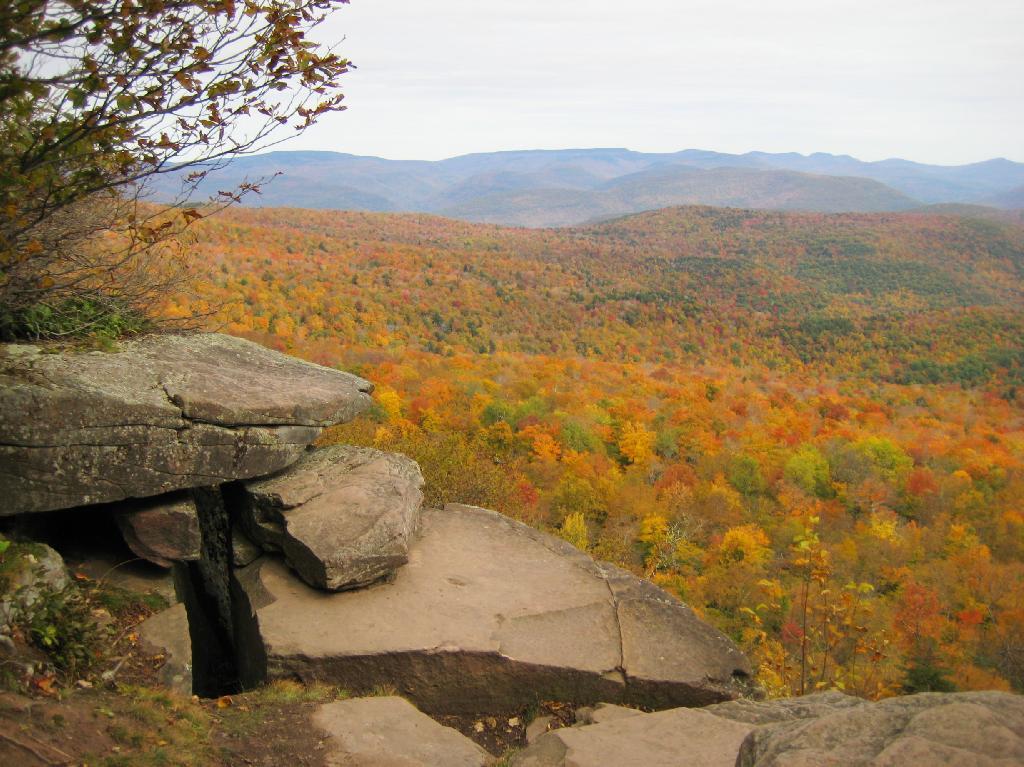
I spend so much of my life looking at mountains. I’ve spent most of my life living in the mountains, but that’s not what fascinates me the most — it’s the distant mountains. I stare and stare, looking south at the Catskills or looking west towards the many hills in Schoharie County or the Taconics to the east. Or up in Plattsburgh, it’s the Adirondack Mountains to the south and the east, and the Green Mountains to the east.

Mountains are just piles of rock pushed up by the glaciers. When your up in them most of the time they aren’t particularly special. They usually have lousy soil for farming, and it’s difficult to build buildings on them. They are good places for timber and wild life, and for those tough enough to try their hand at farming them.
Untitled

There also is a human element to mountains. People work to conqueror them. They try their hardest to farm them, to climb them, to build highways up and over them. Sometimes quite unsuccessfully. As humans, it’s our job not only to conqueror but to protect them. We sometimes do a good job at that other times it left to their rugged terrain to protect themselves.

None of that ends my fascination with mountains. They are just so beautiful as those big blue hills in the distance, tinted that color for the atmosphere. Mountains always are something that are calling you to explore and at the same time, reminding you how truly small you are in comparison. They also are a challenge to climb them and do something bigger.

I spend most of my time in the mountains. But there are always mountains where I’m not on or that I have not conquered. There always are distant hills unexplored. I will go there some day, and I will climb them. I will see more how mountain people live, how the farm and embrace the land. Yet, for now I will just look into the distance.
Weak Economies Protects Rural Life

It seems that one of the protectors of our environment and the rural life is the lack of economic opportunity in our wild areas away from the cities. Jobs and economic growth are necessary for population growth and subsequent suburbanization. The lack of purchasing power reduces consumption, which in turn reduces the damage on our environment.

This is clear from looking at economic and environmental statistics. Suburbs only spring up when there are jobs available. Areas with the most rapidly increasing pollution seem to have the most growth. Solid waste intake to incinerators and landfills is an extremely accurate predictor of GDP growth: the more money you have to consume, the more you have to toss.

Likewise, the old has to be preserved when there is not money to create new. Would have the city of Albany torn down all those historic houses to build the Empire State Plaza, where it not for the riches of New York City? Much of New England, which has suffered from high taxes and lack of opportunity enjoys that mistake of yesteryear: it makes sense to preserve when there isn’t the money to replace. People spend large amounts of money in beautiful crafty stores that we see in New England.

Cows

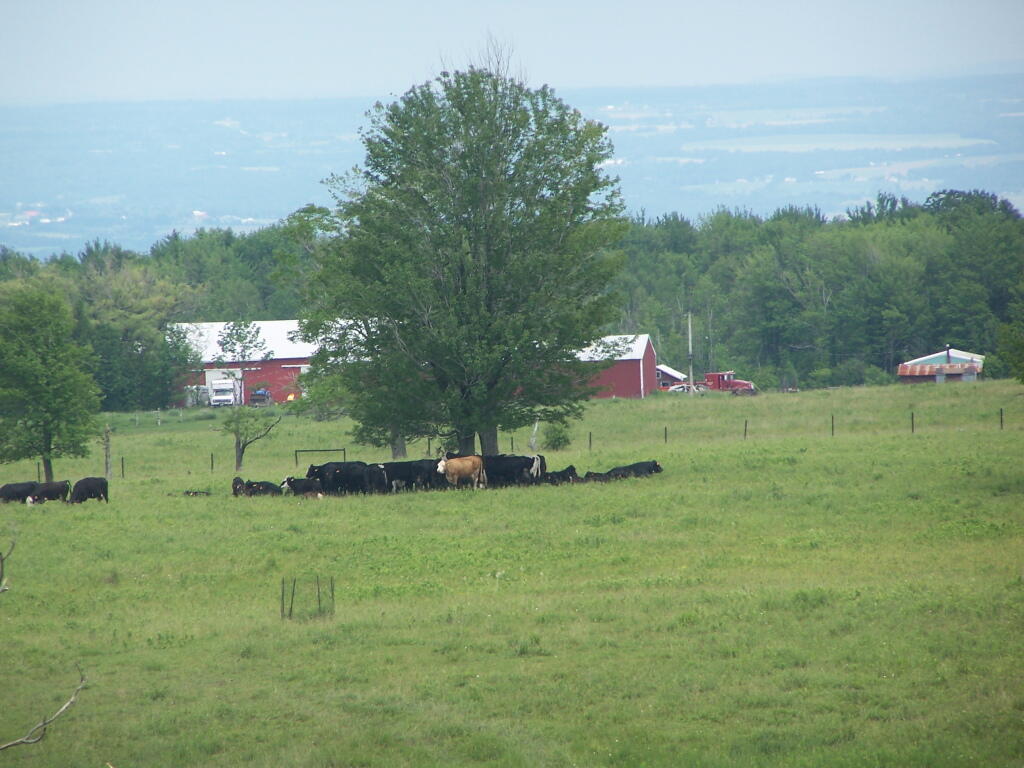
Likewise, the economic hardship of rural life instills a sense of pride in the land the people work. Rural people for the most part choose to live in rural areas, and not cities. People who work a farm all their life have to give up certain things, like vacations and nice automobiles. They choose to make the farm come first and the rest of their life come second. It is their choice that helps preserve open space and make things as beautiful as they are.

It is hard to deny the farmer or the laborer better wages for their toils. Don’t they deserve what city people can get? Such a notion denies the benefits are gotten from rural life and living in a small community. These people enjoy cleaner air, closer relationships with neighbors, stronger values, and a more free life. So before you start asking for an improved rural life with more opportunity, look at what you have now.