rural

The Other 9/10ths of New York State

A breakdown of land uses of New York State looks roughly like this:

  • 60% forested lands
  • 24% farmed
  • 8% residential uses
  • 6% water bodies
  • 1% industrial uses
  • 1% commercial uses

Distance to State Parks

Not that you would necessarily realize that from looking at a map or even driving on a highway system. Interstates have put a state of mind in humans that the only places that really exist are those nearby the interstate and that have formal exits on the controlled-access highway. There are actually places between Albany and Syracuse, not that you would know from driving except maybe if you studied the exit signs.
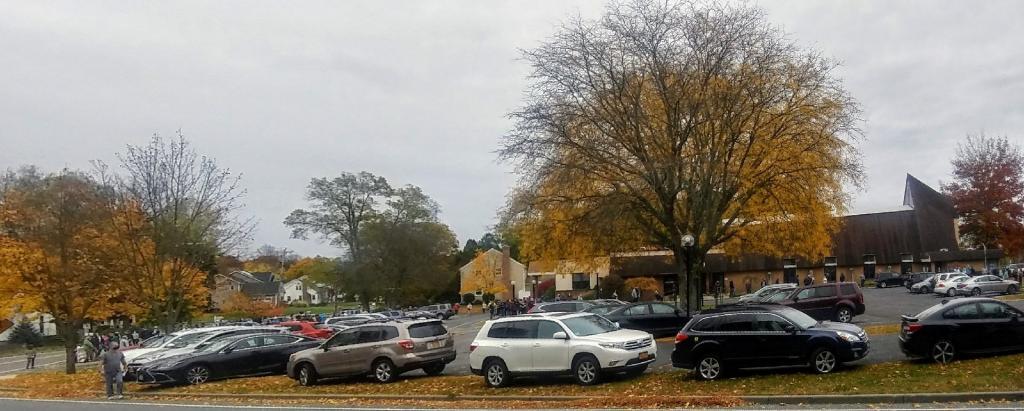
Craziness at the Early Vote place

In these places, little towns and cities people live. Many of these areas are highly dependent on various industries or government, but they continue to exist. Lots of areas are farmed and lived on, but they may not appear in one’s psychological view of the world. Particularly in Western New York, it seems that the land looks a lot more closed in then it really, with road frontage dominated by residential housing, that overlooks vast quantities of land that are actively farmed or are forested.
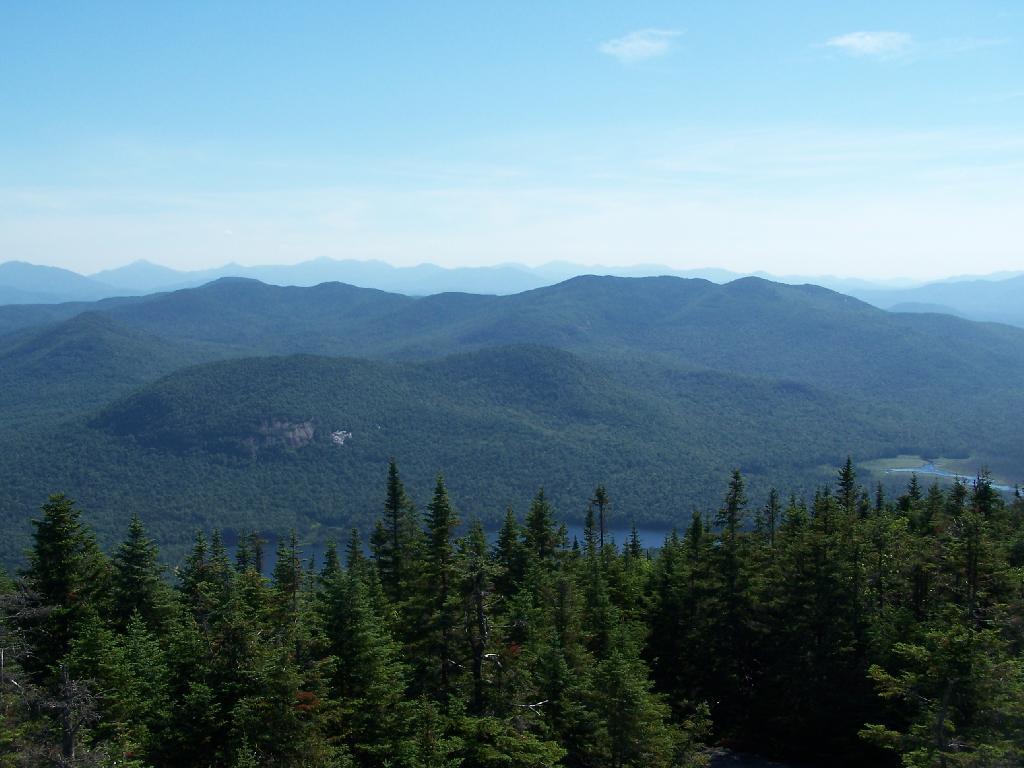
Tirnell Mountain

There is a lot of New York that exists outside of the cities, on back roads, rarely explored except by the locals. There are too many back roads for one ever to see in a life time, but it’s important to see at least part of the landscape not on the main street.
Thematic Map: Troy vs Manhattan - A Size Comparison

Our Urban State

A while back I showed off the population of New York State in 2010, based on every town’s population. We looked at population density of various towns, and how it’s very dense in a few towns, and very spread out in most of state. Today, let’s look at a map of the developed areas of NY State.

Craziness at the Early Vote place

Roughly 10% of the state is urbanized… the rest of state is rural.

So what goes on in the rest of state? About 24% of the state is farmed — lots of cows, corn, alfalfa and hay, but an even bigger portion is essentially wildlands, covered with water or forest lands.

Distance to State Parks

It’s not to say people don’t live in other areas — they do. But small rural houses and farm steads are just footnotes, in a largely wild, forested or farmed landscape that makes up most of New York.

Why I’m Thinking Of Going Back to College Eventually

For the past couple of months I have been looking at going back to school eventually to some formal training in geographic information systems, or computers more generally. I have a bachelors of arts degree in Political Science, and what I view to be a pretty good liberal arts education. I read a lot, and are always looking for new information and facts.

But what I lack is any kind of technical training or knowledge. I am a generalist at everything I do. I understand big picture things, and have a vast knowledge of how political systems work, but no specific technical knowledge. I would like to be an expert as something fo ronce, have soe real skills, and not just be a generalist at everything I do.

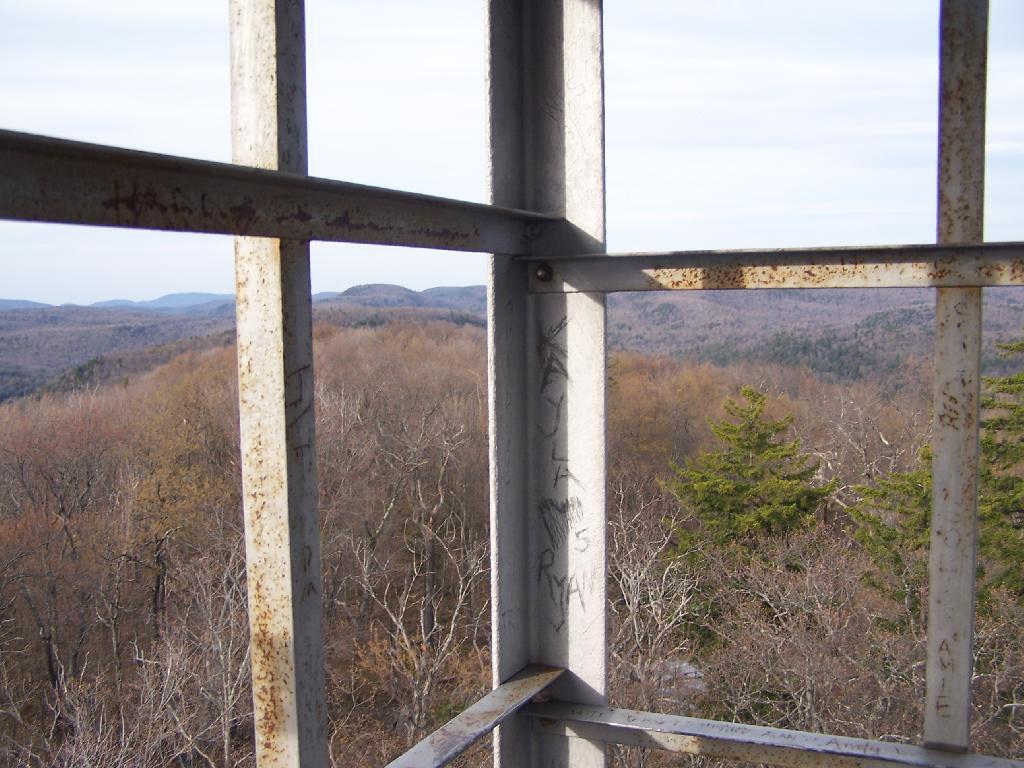
East Through Tower Window

I like my job and it pays really quite well. I like having the money and a very nice truck for getitng out of town on the weekends. I like having the ability to travel and experience things. It sure is nice to able to catch the bus in on snow and icy and days, and keep my truck nice. And hell, I like my run down apartment.W In many ways I sould be happy about things.

But I really aren’t that happy. I don’t really like living that much in the city, not having much place of my own. I may live on te outskirts of urbanized area in Delmar, but it’s nothing like a rural community. Albany is nothing like a small city, it’s problems seem greater and impossibly difficult to address. Politics and policy are so much more complex in the big city…

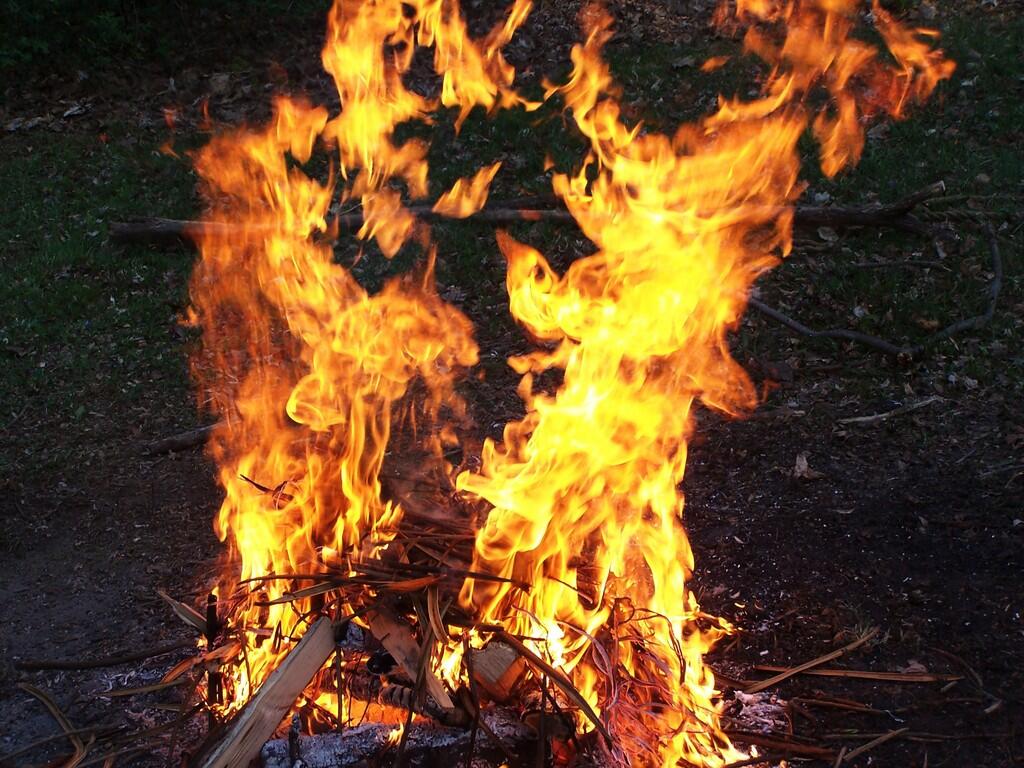
Burn, Baby, Burn

I really want to escape the city, move out to rural hinderlands, in a state with a lot more freedom then NY State. I don’t want to work my whole life to pay taxes, and have restrictions on everything I do. I want to be able to shoot guns off my porch, burn stuff in my backyard. I want land, I also want to be able to get to similiarly great public lands to hunt, fish, and camp.

Albany is fine for now. I need to save a lot more money up for college. I probably can’t seriously think about going back to school, and moving to a more rural community until I have $20,000 or $30,000 in the bank. But then I want to have the freedom to disassociate myself from the big city, live out in the country, and live only in the sphere of a small city where people are far more connected to the land, and not dominated by clueless urban folks.

Does the US Senate or US House Represent Rural Folks More?

That’s an interesting thought. The United States Senate has two senators for each state, while the US House is propotionally represented. While an urban state like New York State recieves 29 representives, we only get two senators, a rural state like Vermont recieves only 1 representive and 2 senators.

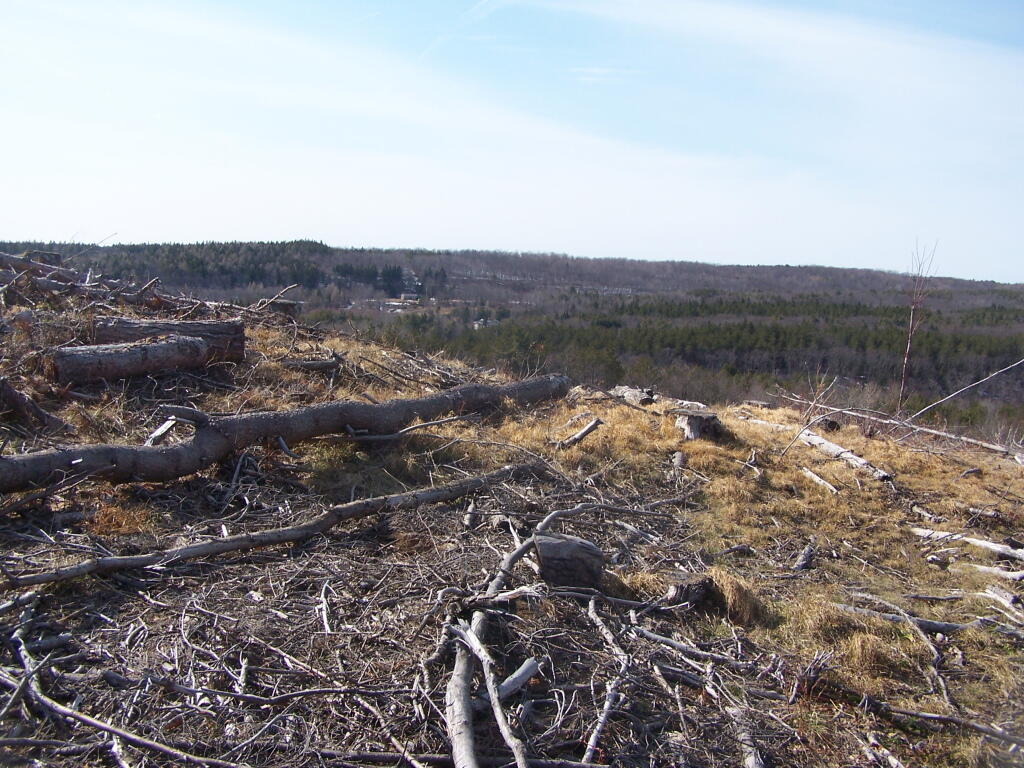
Another View of Timbered Lands

In theory, that would mean a rural state like Vermont, Wyoming, North Dakota, or even Iowa would have have a disproptionate impact on the legislation through the US Senate. While it’s true that such states have more of a voice in the US Senate, it’s not clear rural residents get more representation in the US Senate.

Why not? For one thing, US Senate districts are larger. Much larger, typically covering whole states. The problem is that by representing complete states, every senator represents both urban and rural areas, and in most states, urban populations outnumber rural portions of states.

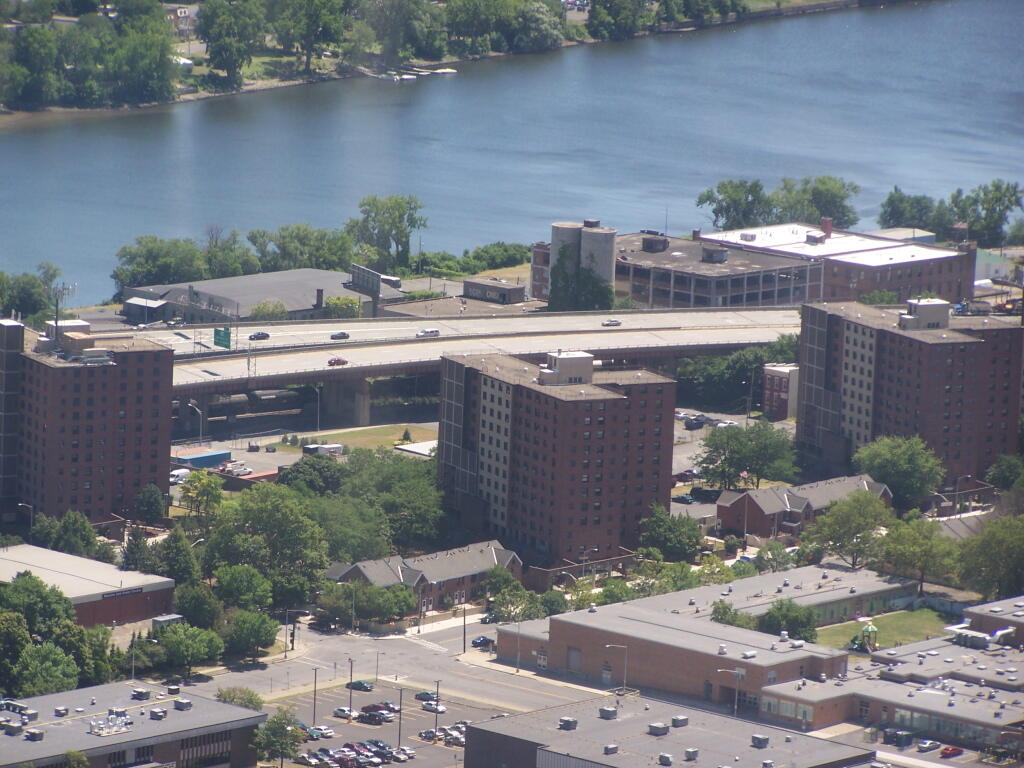
South End Housing Projects and 787

If any thing, urban consituencies have more power in the US Senate then the US House. There are representives in US House Districts that are predominately rural, in contrast to even rural states, where population is dominated by urban centers — such as Burlington, Vermont.