look

Time to Feed the Beast

Today is tax day. The day where we look back at how much of our income we paid in taxes, and how much additional we must pay by today to avoid even further taxes and penalities.

It would be one thing if taxes always served a purpose of benefiting the people. Yet, we know that increasingly is not true. Increasingly taxes buy deregulation of corporations, tax breaks on wealthy individuals, and increased regulation on working folks.
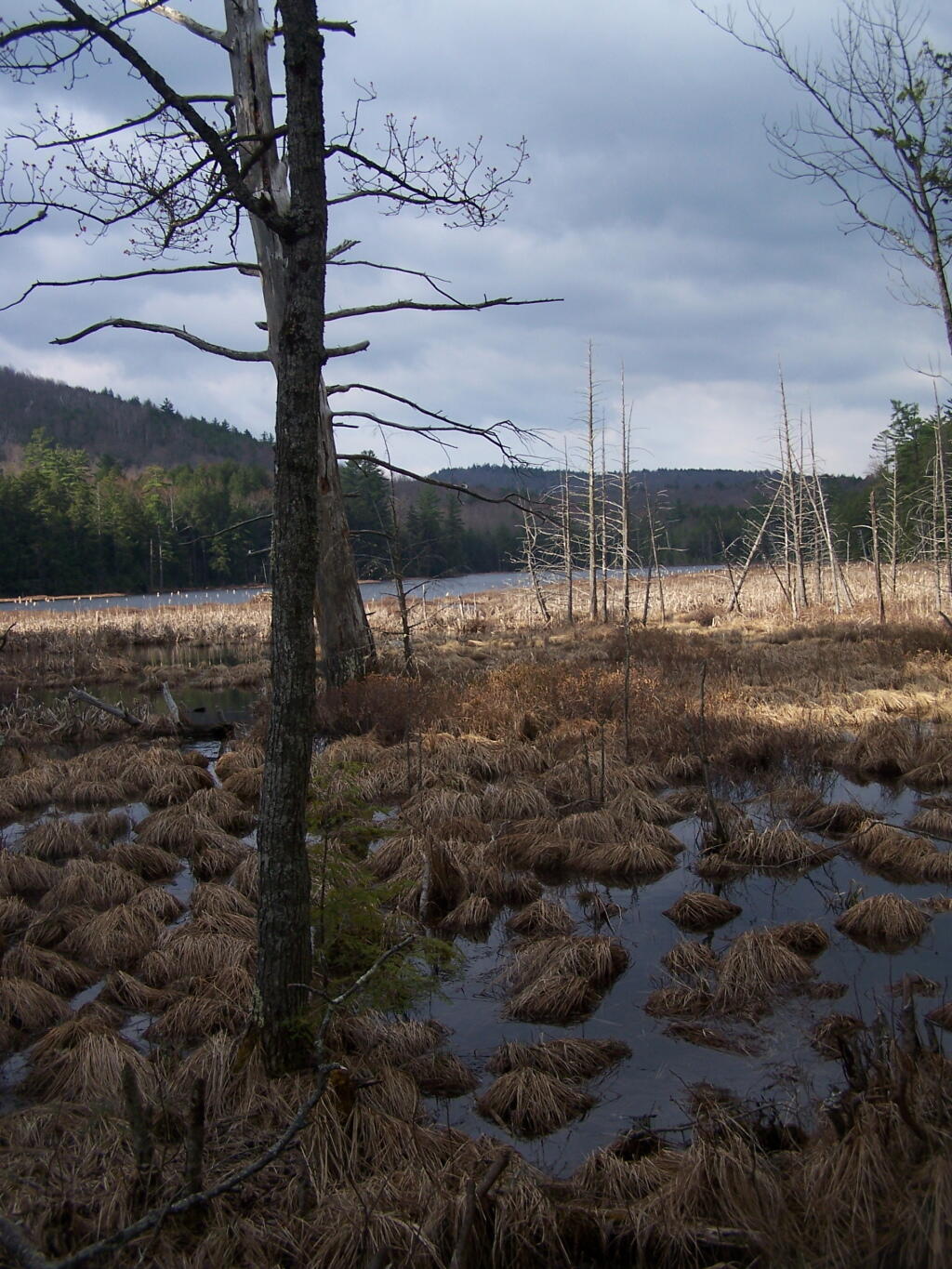
 Across Alder Pond

Take Obamacare. The Individual Mandate is just one example of the government supposedly helping the people, while it’s mostly just a way to drum up additional income for insurance companies by forcing everybody to buy landyacht healthcare policies.

We don’t really have much of a choice in paying income tax. But we as citizens have the ability to advocate that our government use such monies for our interest, and not just for corporate benefit. We can advocate against waste and corporate giveaways. We can fight back against such policies that force individuals to buy corporate products and those that are deregulation solely in favor of corporations.
State Land Acreage By Classification

All figures are in acres except where noted. Table updated April 2011. Reprinted from the DEC Website.

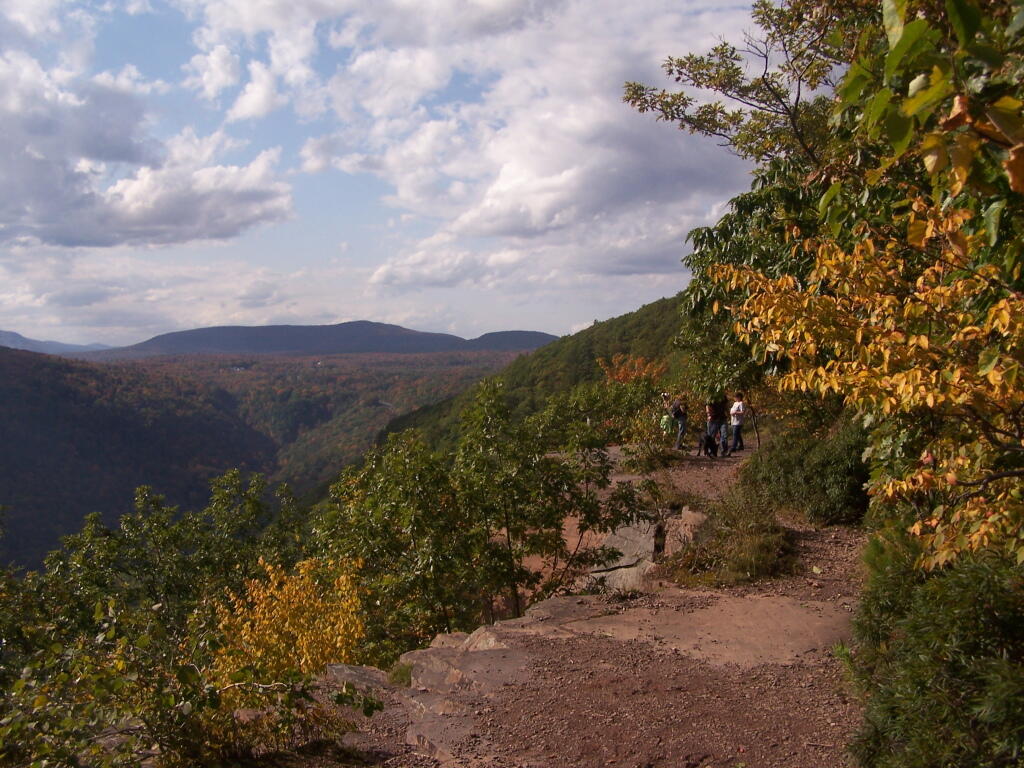
Inspiration Point

Land Classification Region
1
Region
2
Region
3
Region
4
Region
5
Region
6
Region
7
Region
8
Region
9
Catskill
Park Total
Adirondack
Park Total
State
Total
Percent of Total
State Land and
Conservation
Easements
State Forest 16,056 758 31,763 102,248 58,354 221,924 200,419 55,581 99,121 16,264 ** 786,224 17%
Forest
Preserve
Wilderness 89,352 53,482 954,601 206,151 142,834 1,160,752 1,303,586 28%
Wild Forest 75,588 60,368 938,664 ** 367,123 135,956 1,305,787 1,441,743 31%
Primitive 31,309 15,704 47,013 47,013 1%
Primitive Bicycle
Corridor
15 283 298 298 0.006%
Canoe 18,989 18,989 18,989 0.4%
Intensive Use 4,104 1,542 21,591 1,828 5,646 23,419 29,065 0.6%
Administrative 392 0 *** 384 7 392 391 783 0.02%
Historic 531 531 531 0.01%
Pending
Classification
259 111 370 370 0.007%
Under Water*
(Unclassified)
17,395 6,534 23,929 23,929 0.5%
Detached
Parcel
1,382 4,141 1,441 4,318 11,282 0.2%
Total Forest Preserve 170,833 119,816 2,001,313 601,776 285,126 2,597,267 2,893,738 61%
Wildlife Management Area 6,007 12,021 18,518 6,524 ** 46,371 49,562 41,462 17,178 407 *** 2,755 ** 197,643 4%
Conservation Easement 108 21 7,264 7,286 488,463 336,783 436 10 9,437 769,579 840,371 18%
TOTALS: 22,171 779 221,881 247,868 2,554,654 1,206,854 250,417 97,043 116,309 294,970 3,385,865 4,717,976 100%

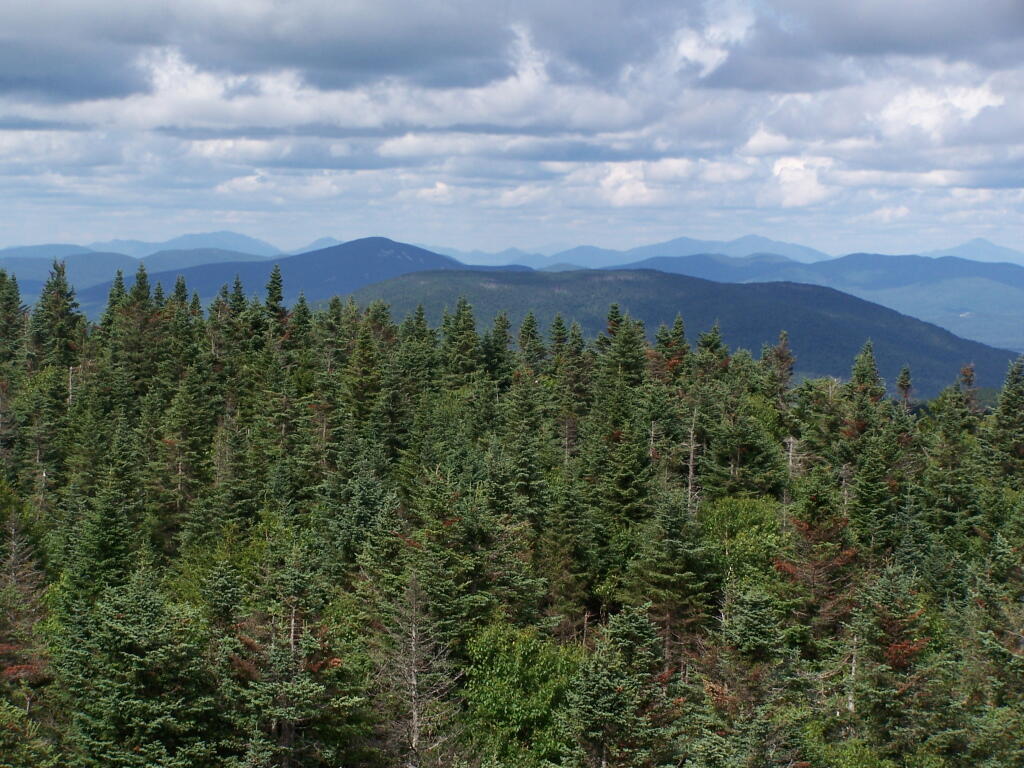
Blue Ridge and Blue Mountain

Notes from the DEC.

* Certain lake beds are considered Forest Preserve, despite some level of private ownership adjacent to the lakes. These underwater lands are not classified. For the purposes of this table, however, lakes and ponds that are completely surrounded by Forest Preserve have been classified the same as the adjacent land.

** Where State Forests and Wildlife Management Areas exist within the Adirondack Park, the Adirondack Park State Land Master Plan also classifies these lands as Wild Forest. However, since these lands are not Forest Preserve, State Forest and Wildlife Management Area acreages within the Adirondack Park were NOT included in the Wild Forest category.

*** Where Wildlife Management Areas exist within the Catskill Park, the Catskill Park State Land Master Plan also classifies these lands as Administrative. For calculation purposes in this table, however, Wildlife Management Area acreage within the Catskill Park was NOT also included in the Administrative category.

Terrain Map: Light Pollution New York March 2024
Terrain Map: Light Pollution USA March 2024

The New York City Mapping Problem

I have in the past made maps up of New York State’s population, divided by population density or actual population per municipality. I almost always have to distort that maps for Upstate to show any detail, because of the extreme population concentration downstate, specifically in New York City.

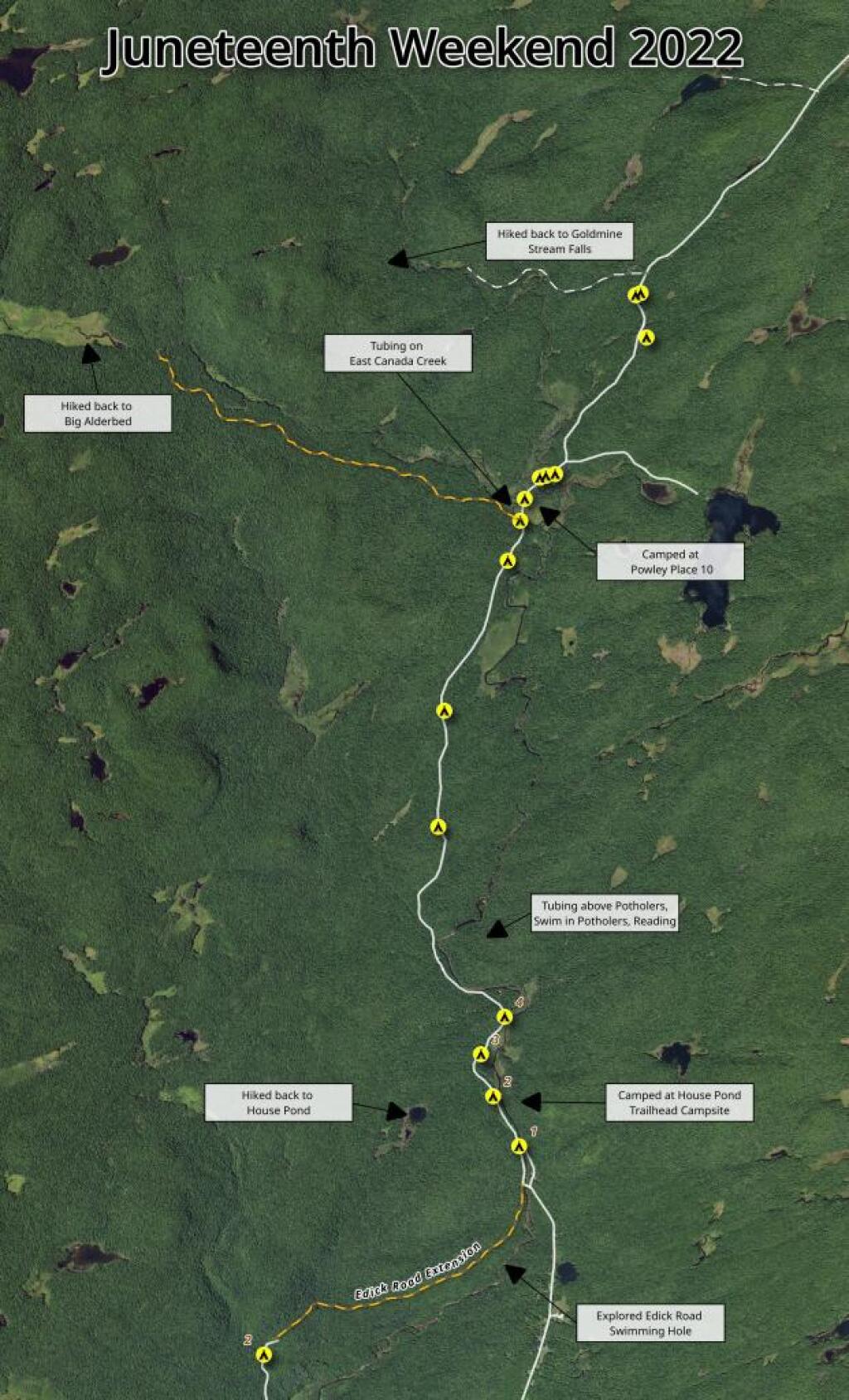
Juneteenth 2022 Weekend

Simply said, there is nothing in Upstate New York at all like downstate. There simply are not the concentrations of people or dense urban core. Our Upstate cities are dense compared to the surrounding countryside — often as much as 100 times more dense (e.g. 100 times more people per mile), but Manhattan is 9 times more dense then even our most dense upstate cities.

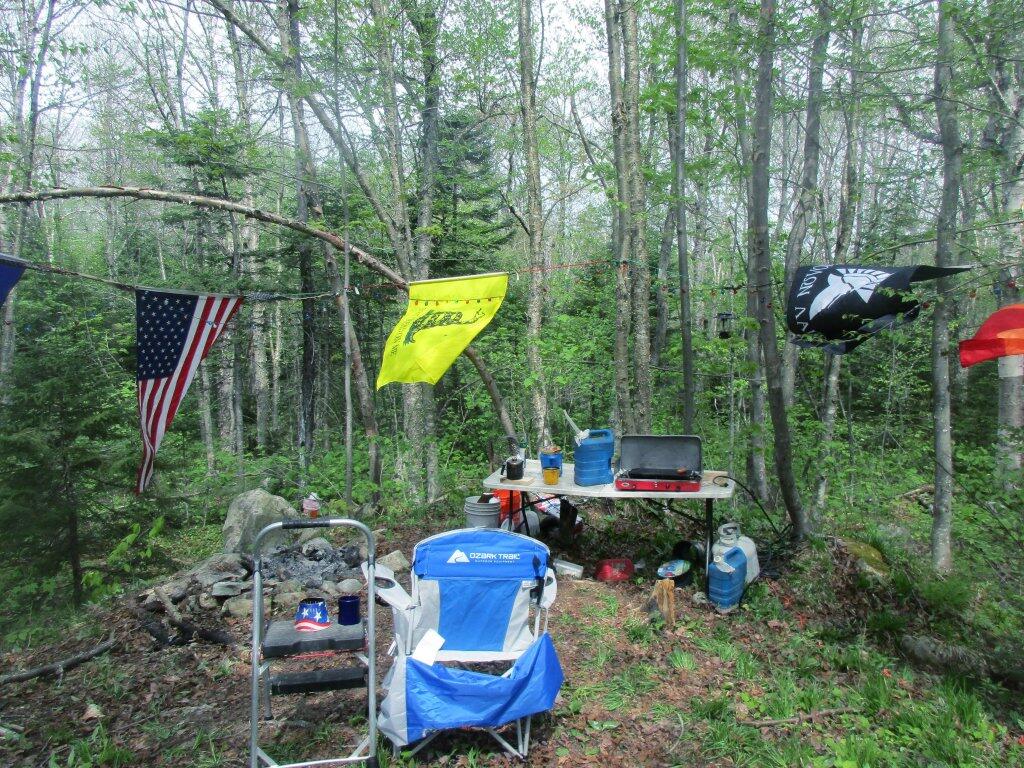
 Camp

New York is truly a metropolitian area, unlike any other in New York State, and like few in America. I welds immense power not just over itself but the more rural parts upstate, and the surrounding countryside that seems — at least to the city folk — so unimportant compared to their extremely dense and complicated living arrangements.

NY State September 2011 Unemployment Maps

It takes the NY State Department of Labor a long time to produce data on the Unemployment Rate. It usually is not released until the middle of the month proceeding month, so the data for September, was not released until around October 20th. The NYS DOL breaks unemployment data down by county, which is relatively easy to merge with Census TIGER Shapefiles, and produce some nice maps. Which is what I did.

Here is the NY State Unemployment Rate by County.

Wash me!

Notice how Rural Western NY has some of the lowest unemployment in the state, though the rate in Saratoga County, along with NY City suburbs of Putnam, Rockland, and Westchester Counties shows the economy is relatively strong in that portion of state too.

Unemployment tends to peak in the Southern Tier and also in the counties impacted by Hurricane Irene that month, e.g. those of the Catskills and the Central-Leatherstocking Region of state.

Here is the Change in NY State Unemployment Rate from September 2010 to 2011.

Plinkers

Notice how Western NY is creating jobs while the economy is stagnant or losing jobs in the regions impacted by Hurricane Irene. Those Hurricane-related job losses may be temporary, and not reflected in the October numbers, but they do suggest that there is a lot of growth occurring in Western NY, not occurring in the Eastern portion of state.

Also, note the weak economy in the Tug Hill Plateau region between 2010 and 2011. Unemployment has increased in Jefferson and Lewis County during that time period, while remaining stagnant in Oneida County. Definitely not good news in that rural part of state.

I probably will do a new series of maps come the release of the October numbers later in the month.

A Look at Top of Ticket Voting Trends in Upstate NY

I was studying these maps I made up the other day of the top of the ticket candidates in New York State from 2006-2010, e.g. Spitzer-Faso, Obama-McCain, and Cuomo-Paladino. One could easily to come to conclusion that Democratic Gubernatorial candidates of recent are more popular in Upstate NY then Democratic Presidential candidate Barack Obama who ran in 2008.

Untitled [Expires June 21 2026]

In the 2006 Spitzer-Faso race, Spitzer did very well except in Western NY, especially in the Southern Tier of NY. Most of the eastern half of state he won, often with 60% plus of vote, except for the most Republican areas of Adirondacks and places were John Faso once represented as Assemblyman — parts of Columbia County, Greene County, and Schoharie County.

Andrew Cuomo did comparatively poorly in much of Rural New York, while winning many rural communities, losing far more then his predecesor Eliot Spitzer won in 2006. Many of the anti-rural community policies persued by Eliot Spitzer probably did not win the Democratic Party friends in those areas. Andrew Cuomo did increase his strength in the North Country, most notably winning by strong margins in parts of Franklin County and South-Western Clinton County, not known for electing Democrats in the past.

Western NY outside of urban centers, is solidly Republican, and if anything is becoming more solidly Republican. It seems likely that Democrats will have a hard time making inroads in this area, if state and national trends continue.