
have

Does Living in a Rural Area Mean a Longer Commute in NY State?

Commuting is a big consumer of time in people’s lives. For every ten minutes added to a person’s daily commute, each way, takes 43 hours per year out of a person’s life, that could be spent doing other activities. Moreover, as most people commute by private automobile, time spent in cars, is time not doing physical exercise or getting outdoors, promoting obesity and poor health.
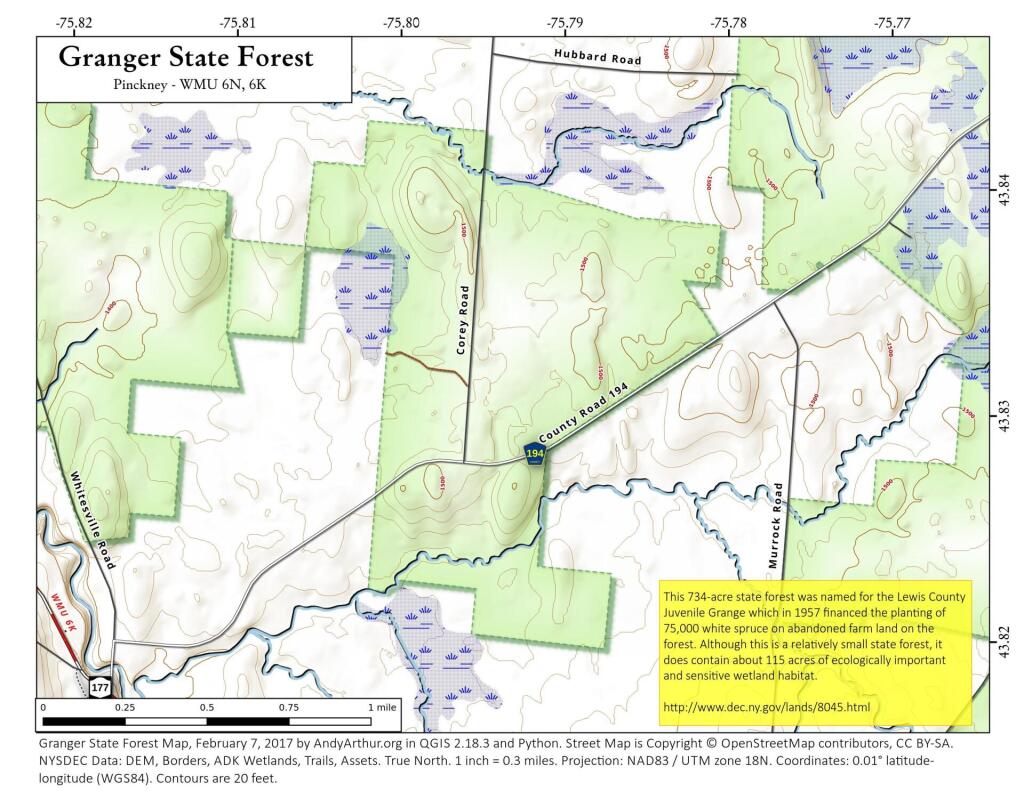
 Granger State Forest

From this map of Albany County, you would think rural people all have long commutes to work. Indeed, people who live in Renselearville, where there are few jobs, often commute to downtown Albany, leading to a very long commutes, that are particularly challenging in the winter.
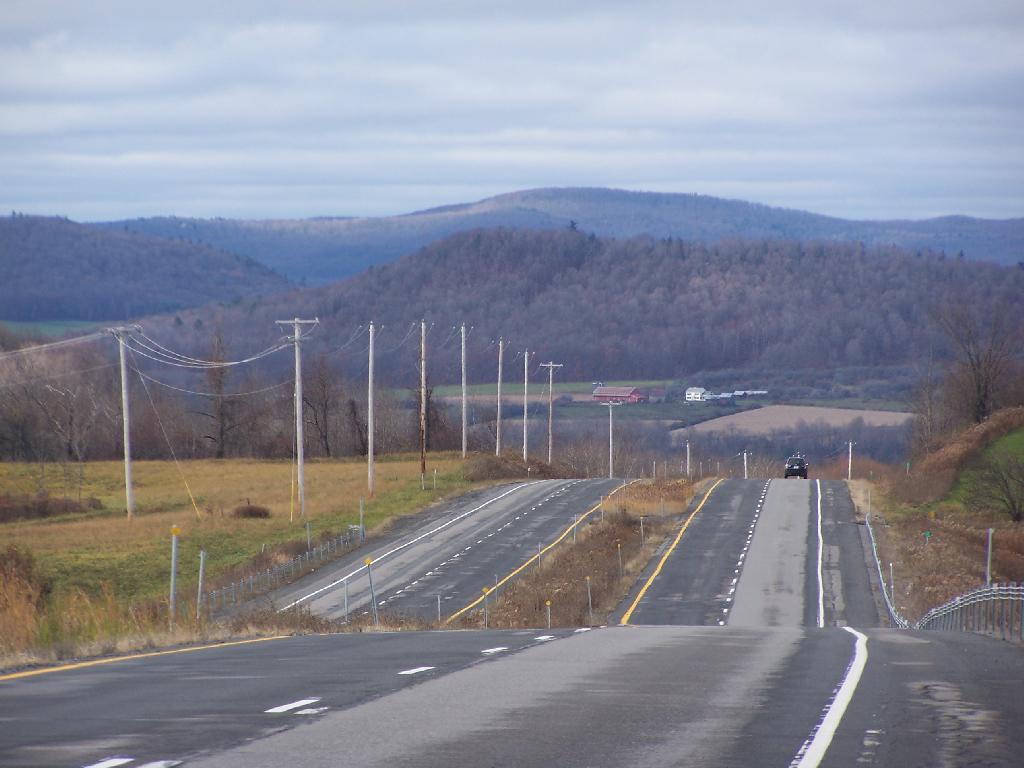
One Car

However, that is not the norm in NY State. Indeed, the Adirondack Mountains, have some of the shortest commutes in the state. Residents of the North Country and Southern Tier also have very short commutes. Many work in the small towns they reside in, or farm the land they live on.

 Moon

Also of interest is that commutes, in general are much shorter upstate then downstate. In some areas — like Albany — commutes from suburban areas to jobs are shorter then in more urban areas, due to the use of private automobiles over mass transit.
Population Density-based Democracy

One of the concepts I have grown interested in lately is the use of density to draw districts for governing bodies. Rather then draw districts based on historical lines, partisan politics, or ethnicity, why not draw them based on a formula that considers density?

How it would work…

  • Take the entire population of a region, state, or country, and divide it by the number of districts one views as appropiate.
  • Neighborhooring census blocks with the closest average density would be grouped together until they had equal population.

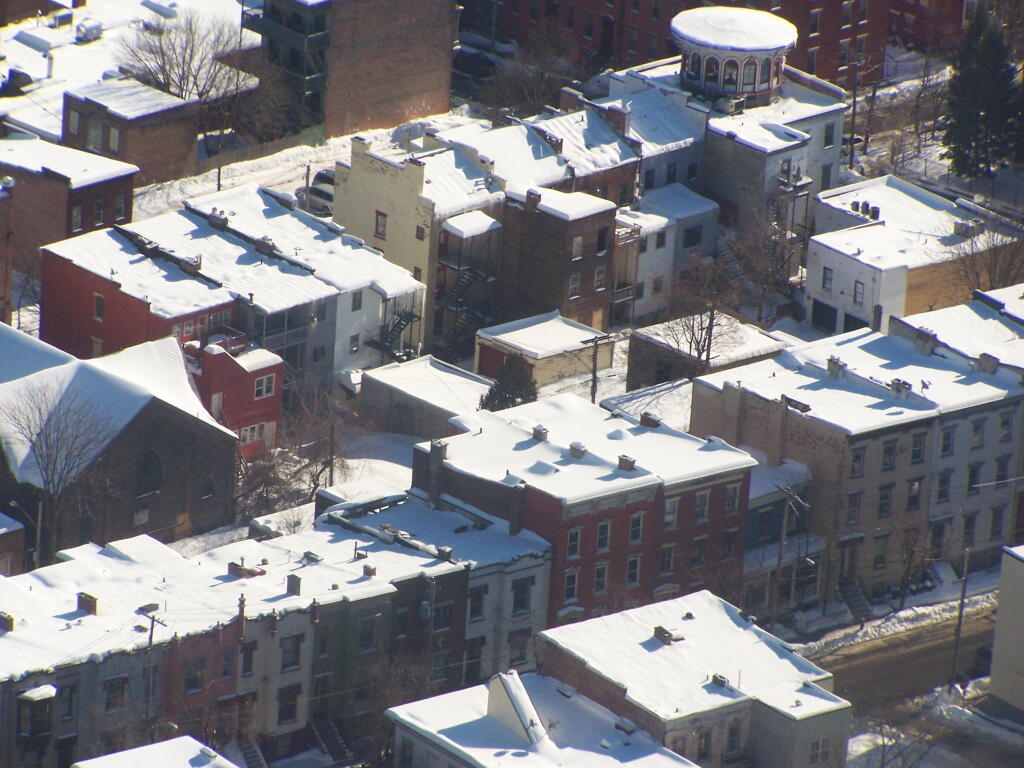
Buildings in South End

Why this is a good idea…

  • Areas with similiar densities have the most similiar needs.
  • Connect farming areas with other farming areas, connect dense urban areas with other dense urban areas, suburbs with suburbs.
  • Representives are non-conflicted by different consituencies, they can be pure in what they advocate for in their elected bodies.
  • Rural, suburban, and urban infrastructure needs are best met when communities are grouped together and non-conflicting in their nature.

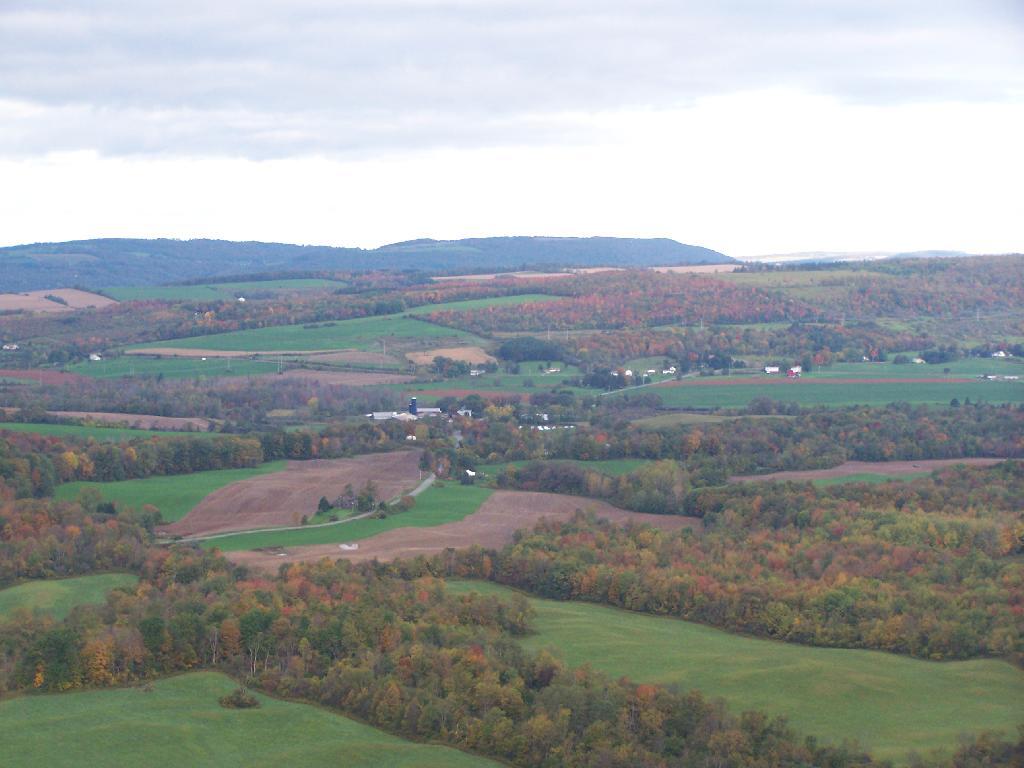
Towards Tully

Politicians probably would not like this system as it would make it hard to game the system. There would be far fewer marginal districts, far fewer competitive non-primary races. Yet, fewer consituencies would be underr-epresented due to their minority status in their districts, and there would be more cohesive blocks of land.