from

Why Jones Hill is One of My Favorite Fall Hikes

One of my favorite fall hikes when I am out in Syracuse is to hike Jones Hill, which is about 10 miles east of Tully. It’s a quick hop down I-81, as you climb into the mountains, and then take NY 80 through some farm land, and south past Labrador Hollow and Labrador Pond.
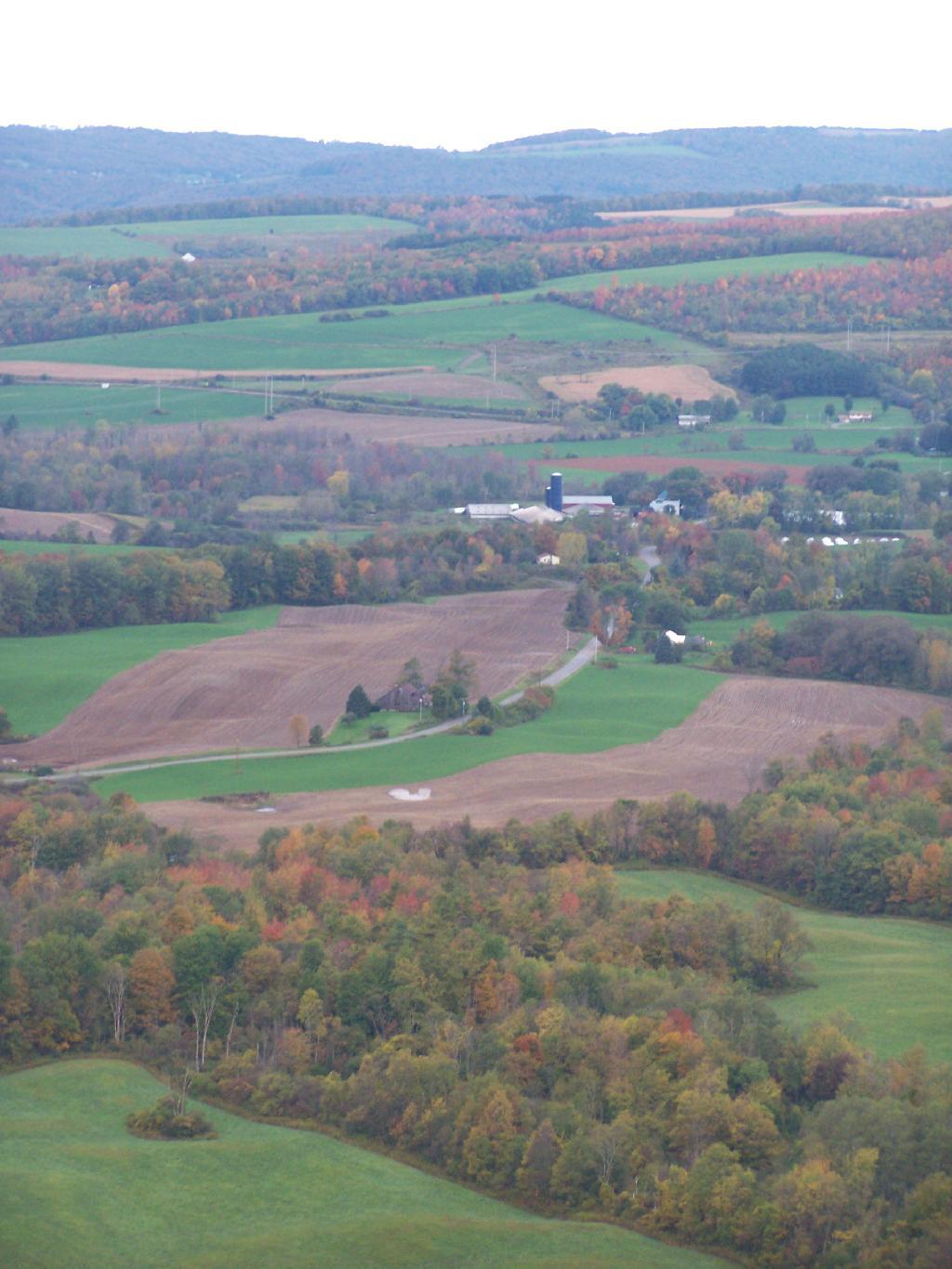
Towards Meeker Hill

You should probably do the hike in the morning, for the best views of country east of here. The fall leaves up here turn earler then in Syracuse.

Population within 100 miles of Governor Candidates

What makes Jones Hill so unique is what you see in the vista. Below you is Labrador Pond, a 101 acre lake with many unique and endangered species. Across the way is Labrador Hill, and to the north to the farm country around Tully.
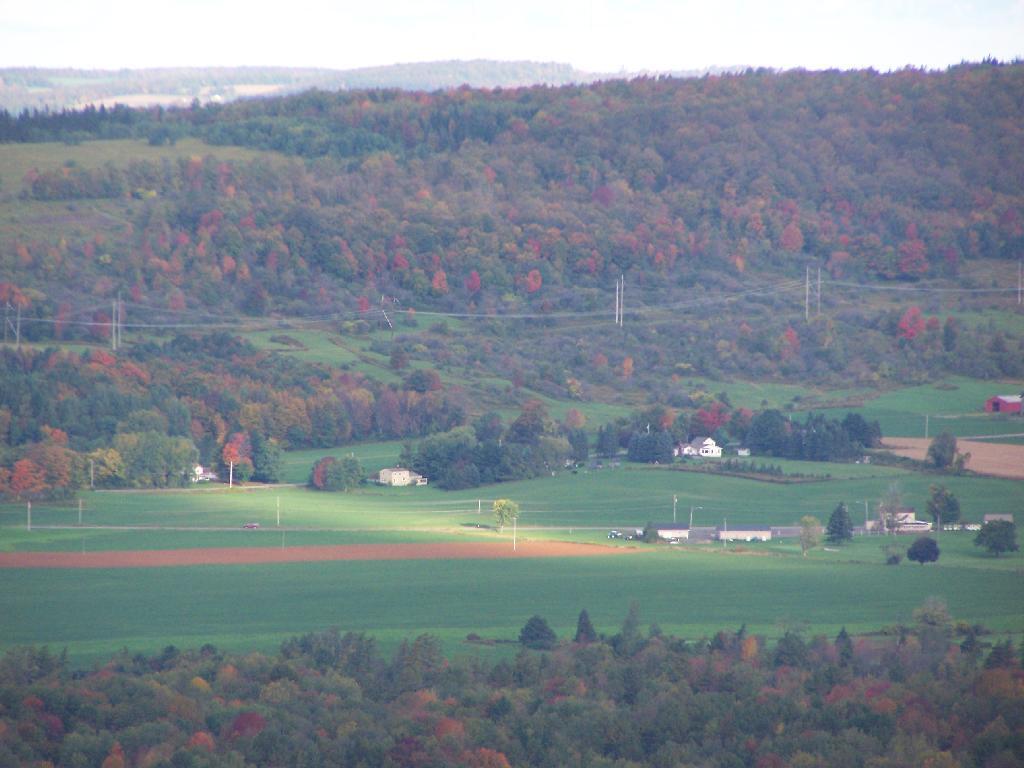
NY 80 in Apulia

The leaves are always quite spectulator up here, especially if you catch them at peak, which is usually a week prior to Columbus Day Weekend. On Columbus Day Weekend, in contrast, you should go to Green Lake State Park — preferably at sunrise, before the crowds arrive.
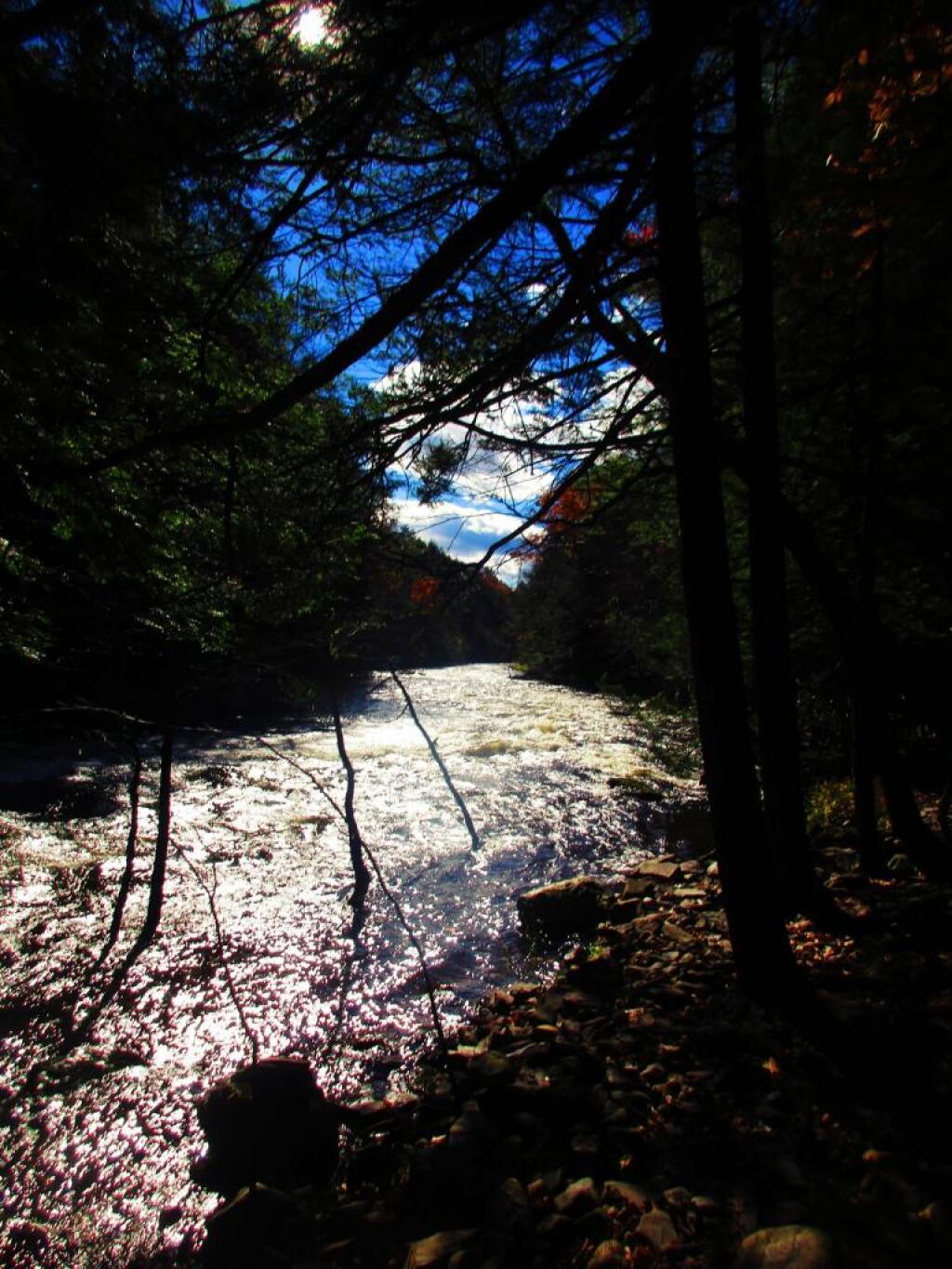
The Kinderhook Gorge Reminds Me of the Adirondacks

Kayaking the Hudson from Albany to Coeymans

Note: Before attemping to kayak the Hudson, make sure you review the tidal charts first. The Hudson River, even in Albany, can have very strong currents either heading north or south, depending on the tide.

The river increases and drops on average of 5 feet per change of the tide, with the strongest currents at roughly 3 hours after the last tide change. Expect especially strong currents around that time. And do not expect to be able to easily paddle against the tide. When the tide is going out, and water levels are dropping, the river pulls strongly to the south, when the tide is coming in, the river pulls to the north.

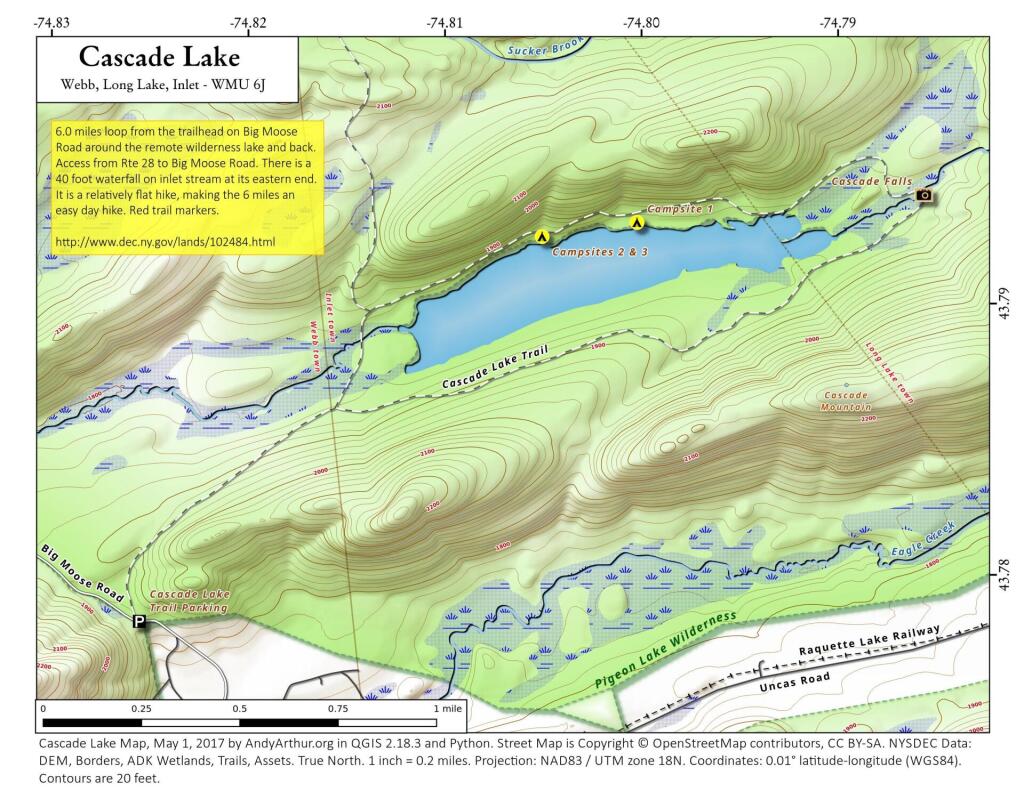
 Cascade Lake

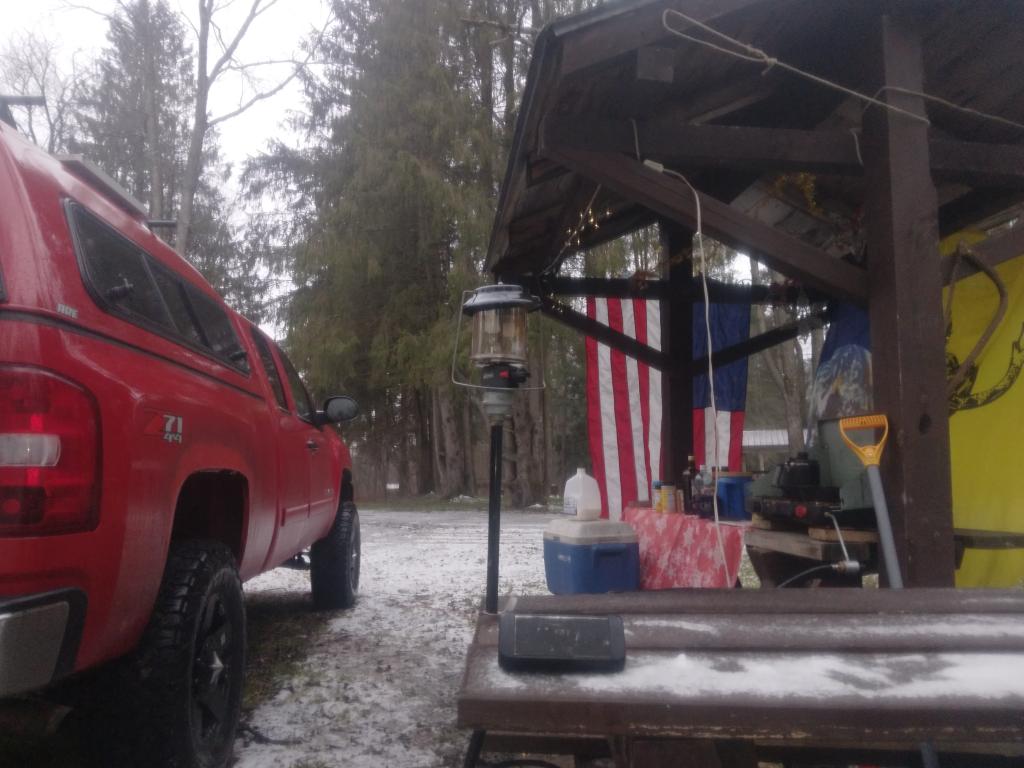
Drizzly morning at camp ?

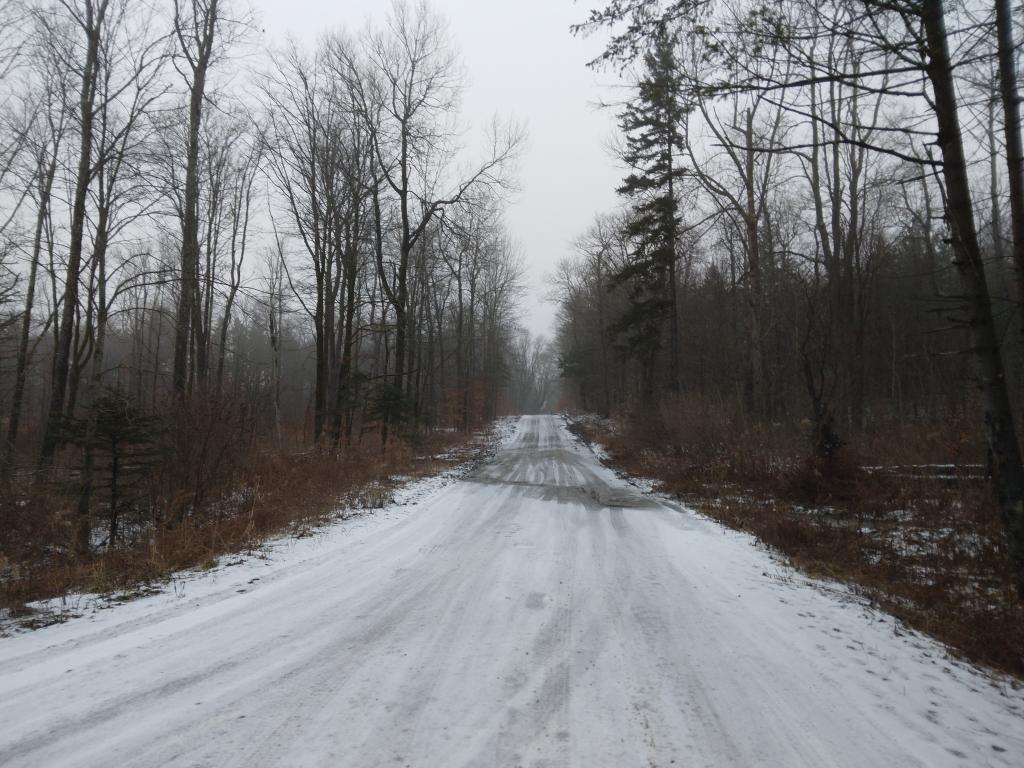
Mist, fog and ice for hiking on Christmas Eve

Klipnocky Woods - Allegany County State Forest - Primative Camping Opporunties

Supreme Court Justice Ketanji Brown Jackson Vote

Why I’m Rarely Ideologically Consistent

“Calling yourself a liberal or conservative, is kind of like saying, I’ve made up my mind, don’t confuse me with the facts.” — Governor Nelson Rockefeller

People sometimes like to point out to me on Twitter that I re-tweet and bring in information from a variety of perspectives. Most of the time I actually agree with the stuff I am re-tweeting, other times it’s informational.

Yet, most of time what I share is from a variety of perspectives, as I’m hardly one of a solid ideological camp. I am pretty independent, picking what I want from materials generated by the Democrats and Republicans, Conservatives and Liberals, Urban-folk and Rural-folk. I simply try to share what I believe is right.

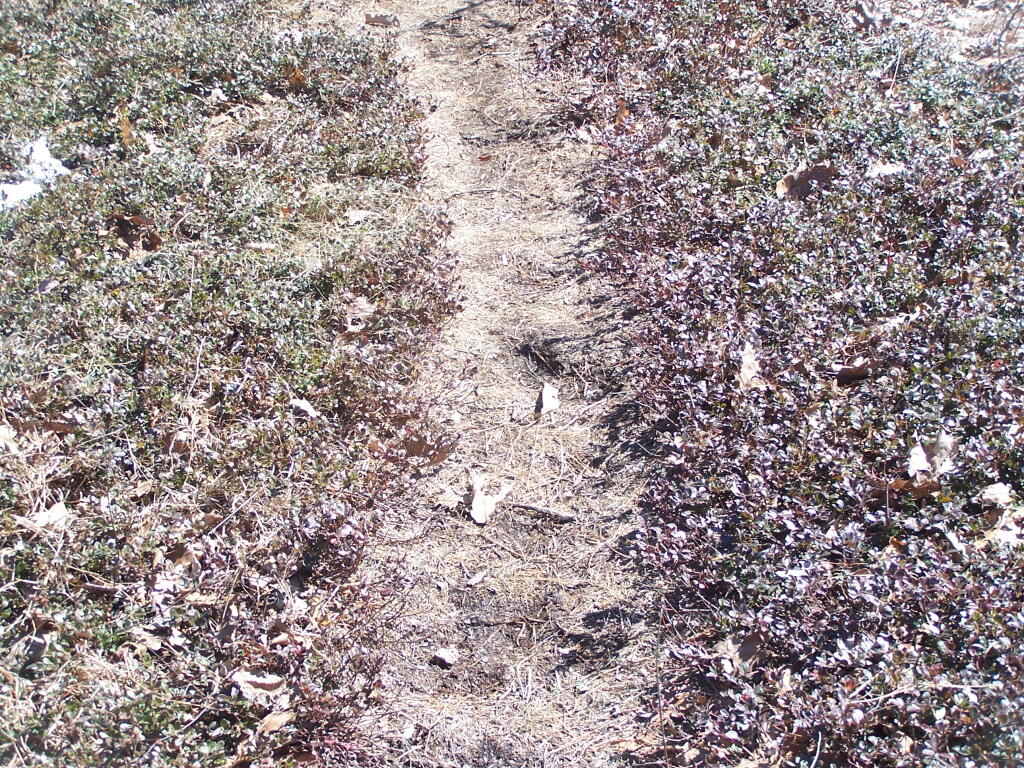
Dry Blueberry Bushes

I always keep several principles in mind when it comes to defining what I think is right:

  • Urban and Rural Communities are Very Different – Impacts of population multiply effects more quickly in urban areas, more nuisance possibility, more possibility of conflict
  • Regulations on individuals should be minimized, corporations and business activities more generally ought to be regulated to serve the public good – civil liberties and general freedom should be upheld for individuals

I believe my views are actually quite consistent when it comes to context. I just believe in maximum individual freedom, and maximum freedom for those who live rural areas, while appropiate restrictions for urbanized areas where large groups of people live.

Why I Don’t Really Mind of Paying for Parking in Albany

For many years I have worked downtown and ridden the bus downtown most days. Some days when I have to work late or are planning on heading out of town I drive downtown to work. It’s not a particularly common thing, maybe two or three times a month.

I used to park on the street, but now I park in an Albany Parking Authority lot. Why park in a lot, when one can park on the street? Simple: I don’t want my new truck, “Big Red”, to get hit or damaged, and I figure the back corner of a parking lot is a lot safer. Big Red is also a bitch to park on the street, being so long, even though I am pretty talented at parallel parking it.

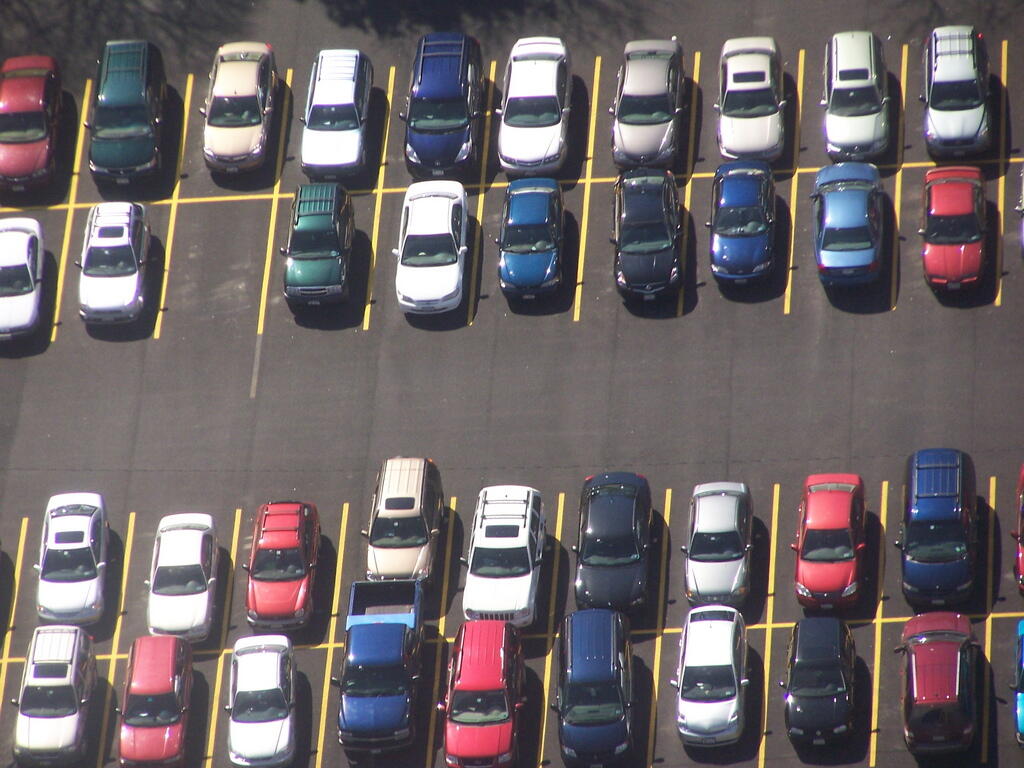
Parking

It also is a powerful discouragement against car commuting. Somehow it’s more difficult to visualize $4 one burns driving in and out of work, or the wear and tear it means to your car, compared to paying the $3 for the parking lot — a top of the gas and wear and tear.

It makes me pause and think, do I really need to drive into the city? Can avoid it, and all of the pain of driving in the city. I really don’t like the kind of driving that involves stop lights and traffic. I have much to short of a fuse to enjoy such an activity. But so be it.

So at the end of day, I don’t really mind pay for parking, the few times I actually drive downtown. It just another good reminder that driving into the city rarely pays or is necessary with public transit..

Does the US Senate or US House Represent Rural Folks More?

That’s an interesting thought. The United States Senate has two senators for each state, while the US House is propotionally represented. While an urban state like New York State recieves 29 representives, we only get two senators, a rural state like Vermont recieves only 1 representive and 2 senators.

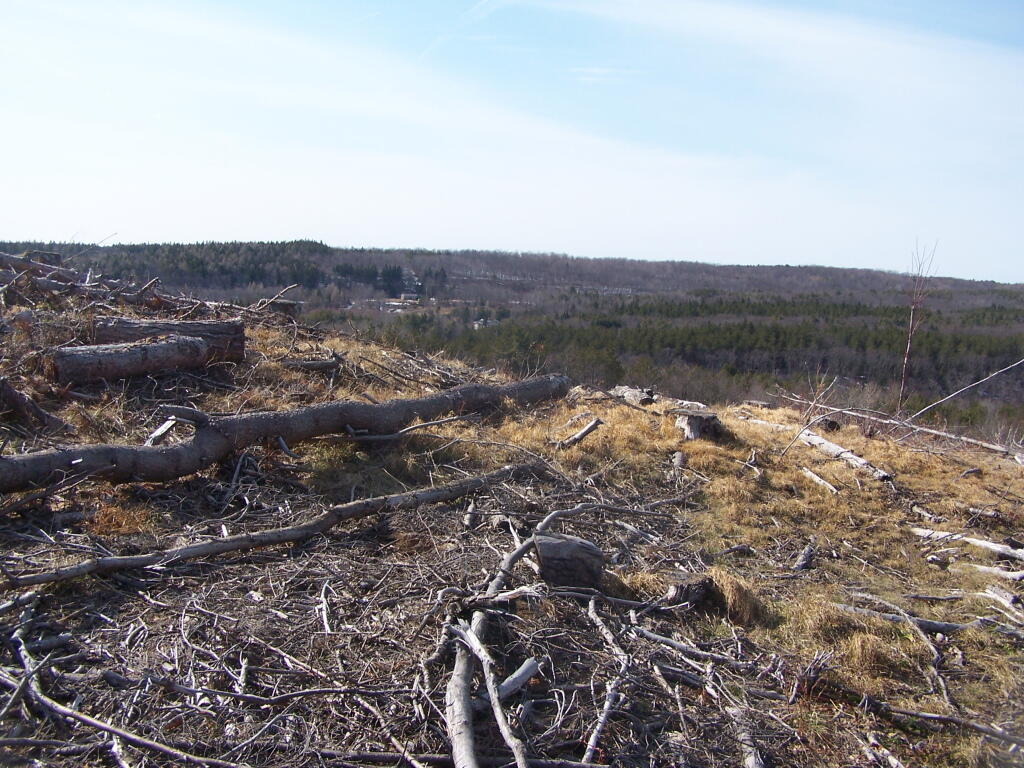
Another View of Timbered Lands

In theory, that would mean a rural state like Vermont, Wyoming, North Dakota, or even Iowa would have have a disproptionate impact on the legislation through the US Senate. While it’s true that such states have more of a voice in the US Senate, it’s not clear rural residents get more representation in the US Senate.

Why not? For one thing, US Senate districts are larger. Much larger, typically covering whole states. The problem is that by representing complete states, every senator represents both urban and rural areas, and in most states, urban populations outnumber rural portions of states.

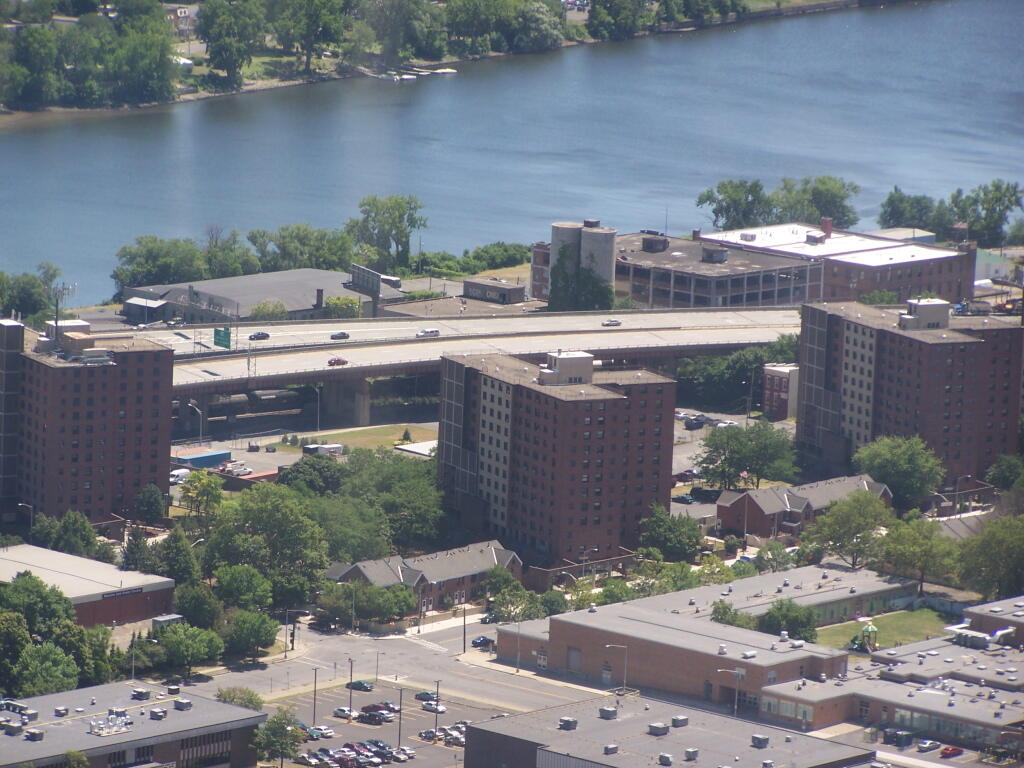
South End Housing Projects and 787

If any thing, urban consituencies have more power in the US Senate then the US House. There are representives in US House Districts that are predominately rural, in contrast to even rural states, where population is dominated by urban centers — such as Burlington, Vermont.