
Ventura Highway
“Chewing on a piece of grass
Walking down the road
Tell me, how long you gonna stay here Joe?
Some people say this town don’t look
Good in snow
You don’t care, I know. “
~ Ventura Highway, America
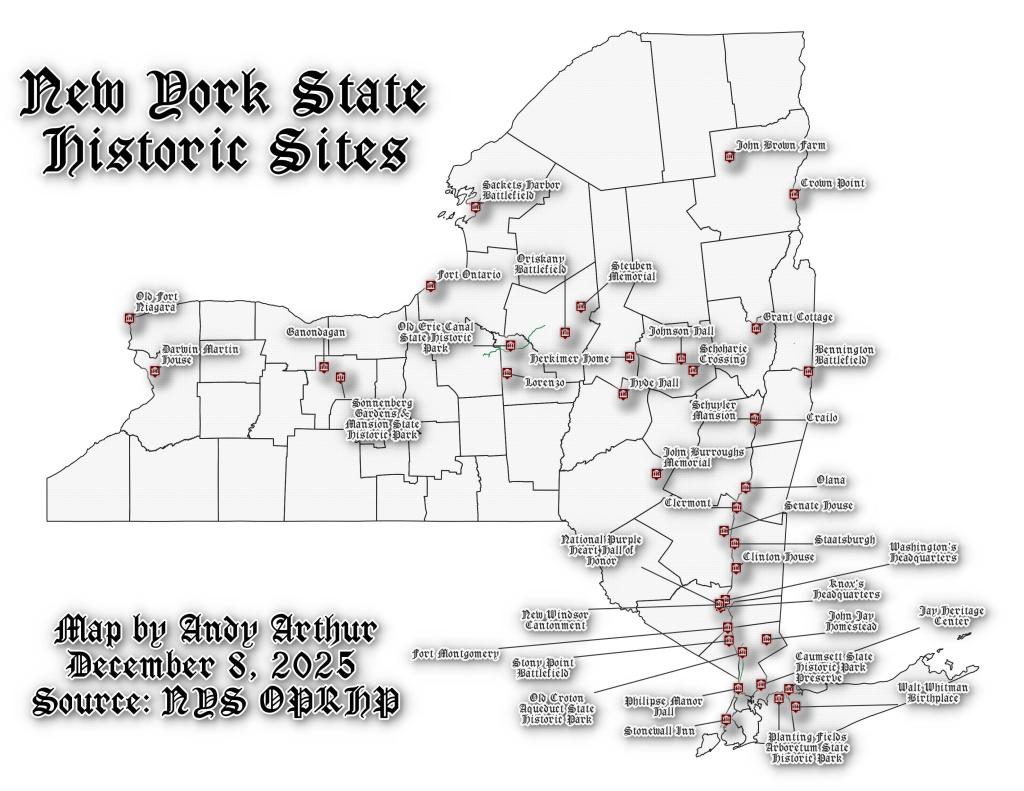
Foster Pond

The many options on what my off-grid life to look like 🛖
I often find myself thinking about what it will look like when I finally decide to buy land.
As seen on the internet, the dream of an off-grid escape ranges from a silent, candlelit shack in the woods to a sleek, solar-powered architectural marvel. Options seemingly range from the ultimate in rustic simplicity or high-tech independence, with an incredible range of complexity, cost, and commitment when it comes to deciding on what would be the best living arrangement.
The Spectrum of Complexity 🪴
Many people think that off-grid means becoming an Alaskan trapper from the 1800s. But to be certain, off-grid living isn’t “one size fits all.” It typically falls into three categories of complexity:
- The Rustic “Dry” Cabin: This is the most basic form of off-grid living, often used for seasonal hunting or weekend retreats.
- Features: No running water (uses a “dry” kitchen and an outhouse), wood stove for heat, and perhaps a small portable power station for charging phones.
- Vibe: Truly minimalist and hyper-connected to nature.
- The Modern Tiny Home: A step up in technology, these are often high-efficiency, small-footprint dwellings designed for full-time or frequent use.
- Features: Scaled-down versions of modern systems—composting toilets, small solar arrays ($4k–$8k), and rainwater catchment.
- Vibe: “Glamorous camping” with customized, clever space-saving designs.
- The Full-Scale Off-Grid House: A permanent residence that looks and functions like a standard home but generates its own power and manages its own waste.
- Features: Extensive solar banks ($20k–$45k+), drilled wells, and full septic systems.
- Vibe: Modern comfort without the monthly utility bills.
A Cost Breakdown: From Primitive to Premium 💵
Costs vary wildly based on location and the systems you choose. Some options are required by local code and zoning requirements.
| Category | Typical Build Cost | Key Infrastructure Expenses |
|---|---|---|
| Rustic Cabin | $5,000 – $20,000 | Basic materials, outhouse, wood stove |
| Tiny House | $20,000 – $70,000 | Efficient appliances, small solar, portable waste |
| Modern House | $100,000 – $300,000+ | Full solar ($30k+), drilled well ($5k-$15k), septic ($5k-$10k) |
Note: Custom log cabins often cost ~20% more than traditional stick-built homes due to specialized labor and material costs.
Pros and cons 📋
| Pros | Cons |
|---|---|
| Independence: Total control over your utilities and no more power outages during storms. | High Upfront Cost: Systems like solar and wells require massive initial capital. |
| Sustainability: Drastic reduction in carbon footprint by using renewable energy. | Constant Maintenance: You are the utility company. You must fix what breaks, from frozen pipes to battery failure. |
| Financial Freedom: Once systems are paid off, monthly bills are virtually zero. | Isolation & Learning Curve: Remote locations mean limited emergency access and a steep learning curve for system management. |
Which level is right for me? 🤷♂️
I value mobility and minimalism, and are more inclined towards a off-grid “tiny” home provides a sustainable way of living. I care more about frugality and durability then modernity.
But I get the benefits of having more space with a full-scale cabin offers durability and room for backup systems—though it demands higher maintenance and a spending more money.

