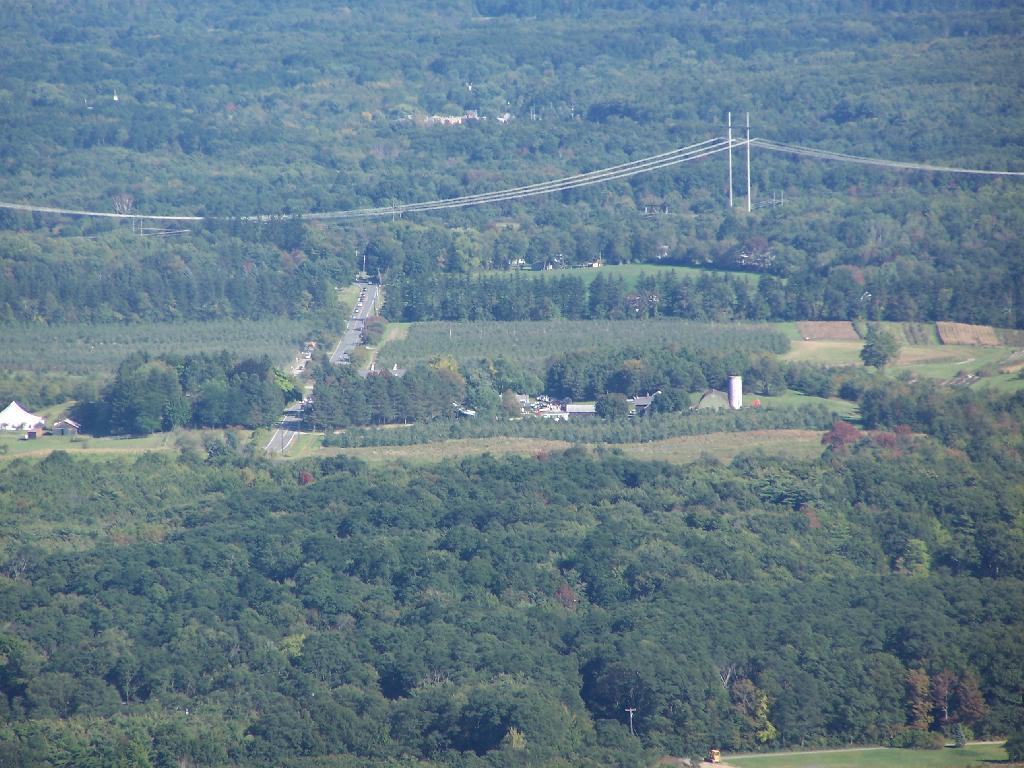
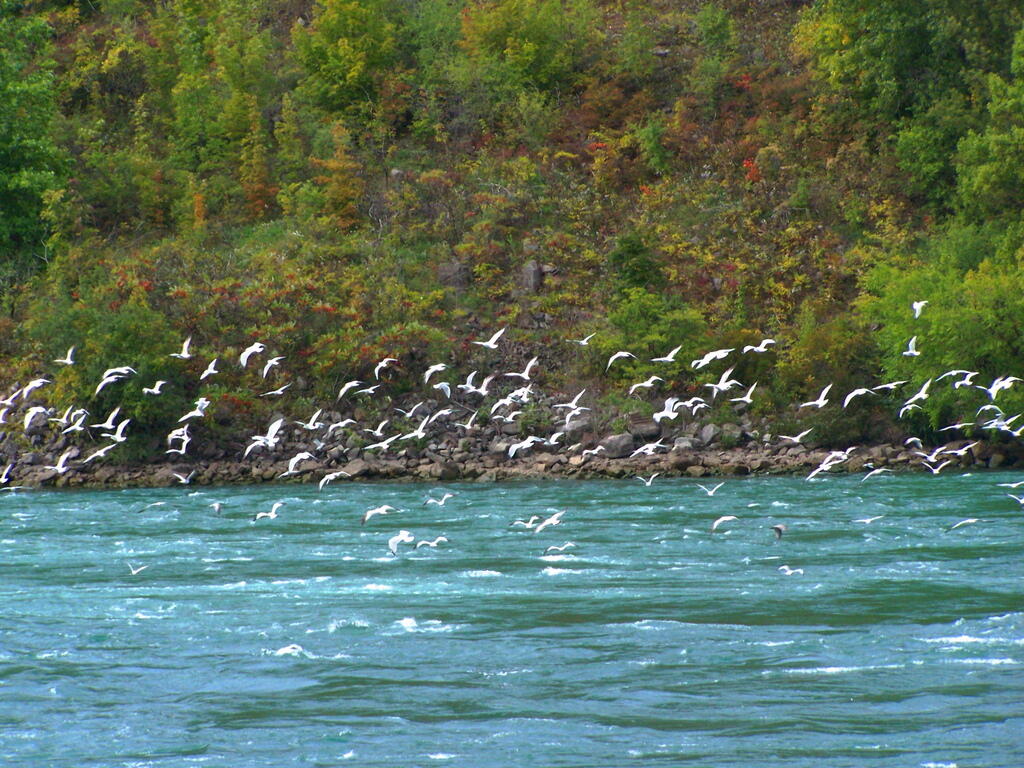
Forty years ago this week, President Jimmy Carter declared Love Canal a national health emergency when the small community near Niagara Falls, New York, learned that their homes and school were built on 22,000 tons of chemicals. Today, many residents in the area, which was deemed safe by authorities, claim to be facing health problems. Megan Thompson reports.
In Florida, a state board chaired by Gov. Ron DeSantis recently barred investment fund managers and advisors from considering "social, political, or ideological interests" when making decisions for Florida's retirement system. In Texas and West Virginia, GOP leaders say they will block investors from state business who they claim "boycott" the fossil fuel industry. Fifteen other states are considering similar measures. And Republicans have said that if they retake Congress in the midterms, they plan to push federal legislation to curtail investment decisions they attack as "woke."
Anti-ESG Republicans say big financial firms are abusing their power to advance a liberal agenda on issues like diversity, social justice and, especially, climate change.
Many experts disagree, saying Republicans are distorting the goals and strategies of ESG investing.
It's hard for most people to get a clear read of what ESG is amid the overheated rhetoric. Is the idea to bring about social changes that couldn't be achieved at the ballot box? And what does it mean for things like your 401K when investors follow ESG principles.
This FAQ is for anyone who wants to better understand an investing trend that is becoming core to global financial markets and a new battlefront in American politics — including, possibly, in your own state.
I am not a big of ESG investing, because I think it increases risk by reducing diversification. It also encourages businesses to mix politics with sound economic decisions. While some businesses may benefit from catering and marketing to socially-conscience consumers, there is no guarantee that an ESG business will be more profitable then a non-ESG business. Businesses that are ultimately sustainable, consider social and environmental impacts of their business -- not because it drives up their stock value -- but because it's good policy.
Over the past 5 years, you would have gained nearly 20 percent more in gains, if you invested in a broad index fund like VTI (60%) rather then their ESGV (43%) fund. That's a pretty big spread. People invest to save for retirement, owning land, or whatever their financial goals are. But I just don't think politics should be involved, especially when it seems like such a self-defeating behavior that leads to reduced returns.
To state the obvious: This has been an unorthodox Atlantic hurricane season.
Everyone from the US agency devoted to studying weather, oceans, and the atmosphere—the National Ocean and Atmospheric Administration—to the most highly regarded hurricane professionals predicted a season with above-normal to well above-normal activity.
For example, NOAA’s outlook for the 2022 Atlantic hurricane season, which runs from June 1 to November 30, predicted a 65 percent chance of an above-normal season, a 25 percent chance of a near-normal season, and a 10 percent chance of a below-normal season. The primary factor behind these predictions was an expectation that La Ni?a would persist in the Pacific Ocean, leading to atmospheric conditions in the tropical Atlantic more favorable to storm formation and intensification. La Ni?a has persisted, but the storms still have not come in bunches.