Day: April 19, 2022💾
📽️ Videos
National Perspective on the Runaway Callery Pear – New York State Urban Forestry Council
I moved from Rochester to the Hudson Valley in 2010. In the eight years since, I’ve noticed a steady proliferation of escaped Callery pears in the Valley. From one undeveloped bowl of land at a busy corner in my town emerges a cloud of white in the spring and some admittedly striking fall color come late October/early November. The problem is that not much else is growing there now, and many of these volunteer trees have reverted to thorniness, creating giant impenetrable thickets.
Callery pears have a mixed rating on wildlife value; on the one hand, bees and other insects visit the flowers in spring and a few species of songbirds eat the fruit after it softens in the winter. On the other hand, Callery pears do not support caterpillars in any significant numbers, so they do not provide adequate food for baby birds the way that oaks and other native trees do. From University of Delaware Professor Doug Tallamy, Author of Bringing Nature Home
From University of Delaware Professor Doug Tallamy, Author of Bringing Nature Home
Why are self-sterile cultivars of Callery pear producing fruit? One way it happens is when fertile pear understock sprouts, flowers, and produces viable pollen. Another: by the late 1990s, the introduction of new Callery pear cultivars beyond ‘Bradford’, cultivars like ‘Aristocrat’ and ‘Chanticleer’, led to an unexpected dilemma: in areas where large numbers of Callery pears were planted, the self-sterile cultivars starting pollinating one another. Then came the fruit, then came bird dispersion of the fruit … and “Pyrus, We Have a Problem.”
Setting Up the Perfect 1 Acre Pig Farm (in the woods)
Running pigs in the woods is an interesting idea, especially when you have a lot of underbrush and invasive crap to clean up and want to really tear up the soil. Goats are good for some purposes, especially chewing away at brush but they won't tear up the soil like pigs will or restore it with lots of rich organic matter.

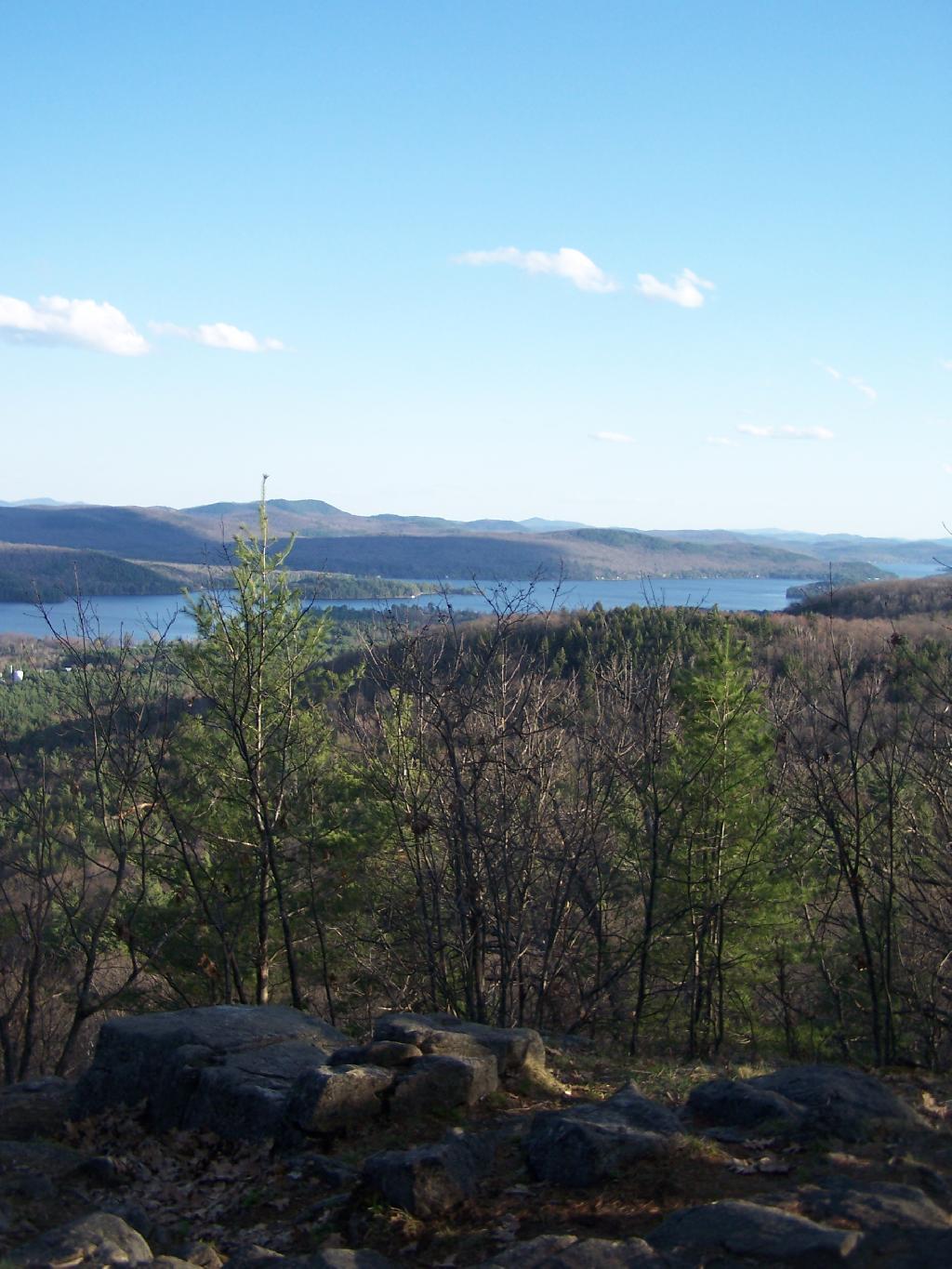
Looking at the Lake

The disease in cattle that just won’t go away
Environment, germs and immunity are top of mind when thinking of all the risk factors that could set the stage for pneumonia in cattle. The forgotten factor is one beyond producers’ control and the reason why pneumonia will always be a problem — anatomy.
Bovine lungs are very small relative to the animal’s oxygen requirements, explains Dr. Edouard Timsit, University of Calgary Veterinary Medicine and a veterinarian with Feedlot Health Management Services at Okotoks.
The total lung capacity of an adult cow is only 2.5 times greater than that of an average man, yet its resting oxygen requirement is more than 10 times greater. A cow’s lung capacity is 12 litres, its resting oxygen requirement is 124 litres per minute and it takes 30 breaths a minute to meet this demand. Compared to a species of similar size and structure, a horse’s lung capacity is 42 litres and its resting oxygen requirement is 49 litres per minute requiring only 11 breaths per minute.
The high airflow rate coupled with weaknesses of the bovine lung structure itself leave ways for bacteria, viruses and other contaminants to penetrate deep into the lungs where they trigger infection and inflammation.