100 seconds to midnight, the Doomsday Clock – Bulletin of the Atomic Scientists
Day: January 23, 2020💾
📽️ Videos
Dark Woods
On the ski trail. It was about 4:15 PM at this time, and we already where getting into shadows in the woods.
Sunday January 24, 2010 — Partridge Run Game Management Area — Partridge Run WMA 🗺

Hazy


The Good Guy/Bad Guy Myth
In old folktales, no one fights for values. Individual stories might show the virtues of honesty or hospitality, but there’s no agreement among folktales about which actions are good or bad. When characters get their comeuppance for disobeying advice, for example, there is likely another similar story in which the protagonist survives only because he disobeys advice. Defending a consistent set of values is so central to the logic of newer plots that the stories themselves are often reshaped to create values for characters such as Thor and Loki – who in the 16th-century Icelandic Edda had personalities rather than consistent moral orientations.
Stories from an oral tradition never have anything like a modern good guy or bad guy in them, despite their reputation for being moralising. In stories such as Jack and the Beanstalk or Sleeping Beauty, just who is the good guy? Jack is the protagonist we’re meant to root for, yet he has no ethical justification for stealing the giant’s things. Does Sleeping Beauty care about goodness? Does anyone fight crime? Even tales that can be made to seem like they are about good versus evil, such as the story of Cinderella, do not hinge on so simple a moral dichotomy. In traditional oral versions, Cinderella merely needs to be beautiful to make the story work. In the Three Little Pigs, neither pigs nor wolf deploy tactics that the other side wouldn’t stoop to. It’s just a question of who gets dinner first, not good versus evil.
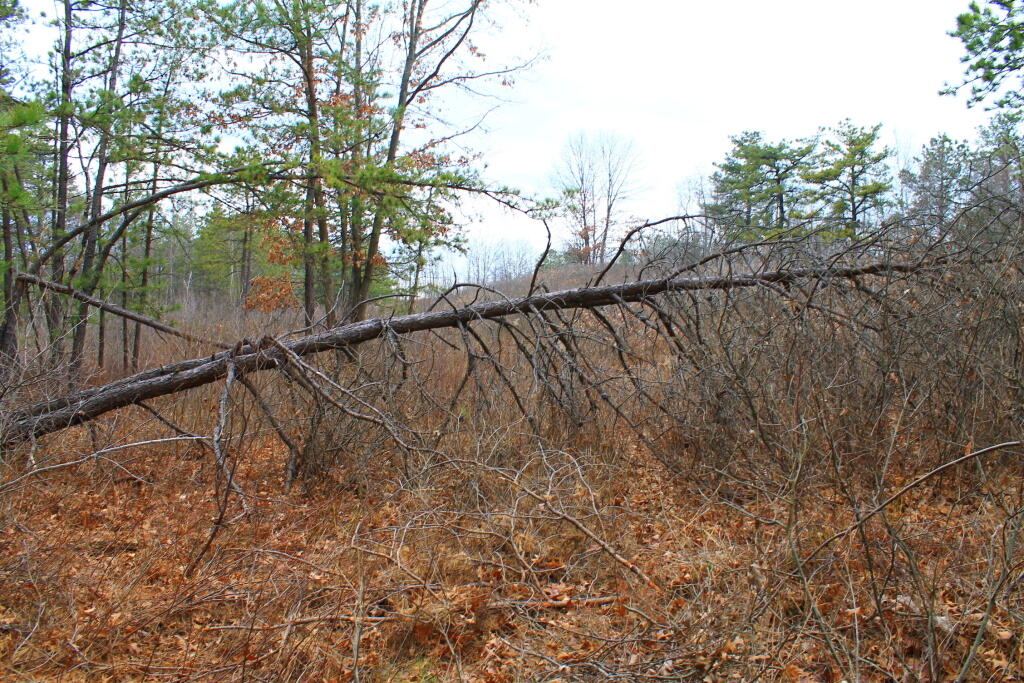
Downed Tree