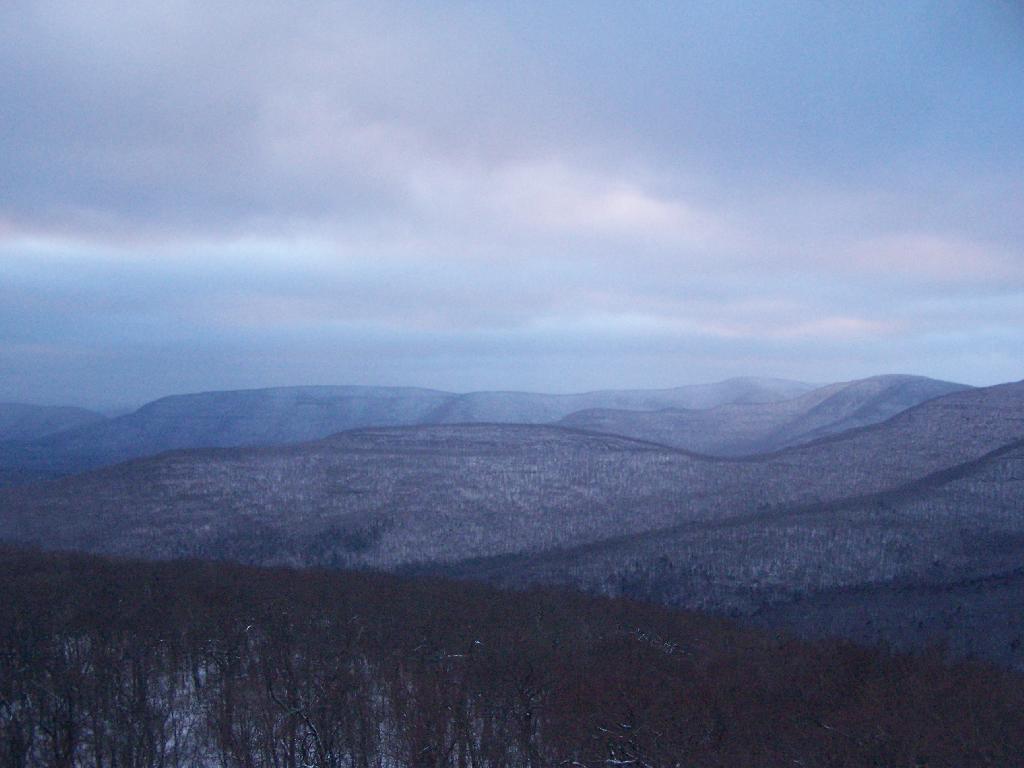
Day: December 10, 2019💾

🖼️ Photos 📽️ Videos

Navigator Card

I got my CDTA Navigator card straightened out … 💳

I re-entered my credit card into their website and I put $30 on the card, after which I decided it’s not worth the risk of possibly not being available for the bus ride home due to web purchases not automatically synced, so I went to the Albany Public Library and had them load an additional $10 on it, which will ensure I have enough fare money on it through the early to mid January ($1.30 per bus ride, $2.60 per day, $13 a week).

I probably should have gone to the library directly, but I had never recharged my card that way before. I don’t mind having $40 tied up on my card, it’s not like I won’t use it eventually, even if with the holidays and vacation it won’t need to be recharged until the first or second week of January. Hopefully going forward I won’t have any more problems with the auto recharge, but I always carry a few dollar bills on me in case I have to pay the $2 cash instead of the $1.30 auto tap.
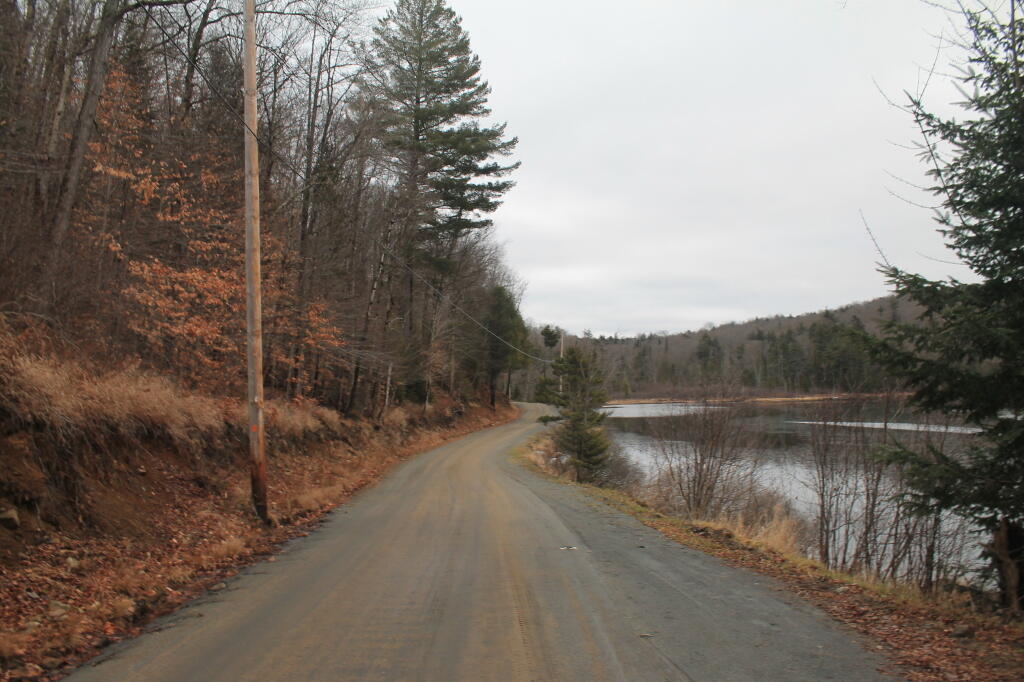
Northwood Club Road near Huntley Pond

The dark side of electronic waste recycling

Jim Puckett got the messages from his “little lie detectors.” They were small devices, not much bigger than a deck of cards. Being GPS trackers, they also didn’t look much like actual lie detectors. For years, as the head of the Basel Action Network, Puckett and his team have been throwing them in the trash.

Electronics can be hazardous when disposed of improperly, and the Basel Action Network, or BAN, investigates the underground world of the e-waste trade. The nonprofit group secretly embeds trackers in discarded devices, then hands them to recyclers to see where they end up, exposing bad practices in the process. After dropping bugged LCD monitors in Oregon, they followed along as the trackers traced a circuitous route through the summer of 2015 and into the fall.

Read more on the The Dark Side of Electronic Waste Recycling on the Verge.

Map: Severence Hill Trail

New York governor signs 1,4-dioxane bill into law | Chemical Watch

New York governor signs 1,4-dioxane bill into law | Chemical Watch

New York state Governor Andrew Cuomo has signed into law a bill banning all but trace amounts of 1,4-dioxane in personal care and cleaning products, despite industry protests that it could cost more than $2bn to implement. The legislation (S 4389B/A 6295A), which cleared the legislature in June and was approved by Mr Cuomo on 9 December, is intended to address 1,4-dioxane contamination in drinking water by limiting the amount that can be present in consumer products.

The substance, a possible carcinogen and one of the first ten substances subject to TSCA evaluation, can appear as a contaminant during the manufacturing process of certain cosmetics, detergents and shampoos. It has been found in high concentrations in Long Island, New York, drinking water.

The law puts in place a phase-down schedule that will see permissible levels set at ten parts per million (10ppm) for cosmetics, all the way down to 1ppm for certain personal care and cleaning products, by the end of 2023. And beginning in 2025, the state’s department of environmental conservation will be charged with determining whether those trace concentration thresholds should be lowered to offer better protection to human health and the environment. Those not in compliance could face civil penalties of up to $1,000 for each day of a violation, increasing to $2,500 for a second offense. However, one-year compliance waivers may be given out when a manufacturer "has taken steps to reduce the presence of 1,4-dioxane in that product and is unable to comply with the requirements".

With 1,4-dioxane having an affinity to water, a fairly long half life, and an inability to bind to soil, it's probably a good thing to see it being phased out. Sure it will cost manufacturer significant money to remove the contamination from personal care products -- it's something that rides along with useful chemicals -- but the cost will be spread out over millions of consumers, and it's a pretty nasty chemical that probably is carcinogenic. Wastewater treatment plants and septic systems can eat away at the biological material and remove some of the chemicals that are solids, the truth is most things that get flushed down the toilet or sink, ultimately do end up again in our drinking water.

Thematic Map: Mr. Tamborine Man [Expires August 3 2026]

How to Use a Compass | Survival Sullivan

How to Use a Compass | Survival Sullivan

For those who regularly spend time in the woods and mountains, the compass becomes a vital piece of survival equipment. Prior to GPS becoming so popular and accessible, a compass was frequently used for geocaching, a form a treasure hunting for people of all ages. Every compass has at least the four main directions or cardinal directions on it.