Dreaming of home in the meadows 🌼 🐐
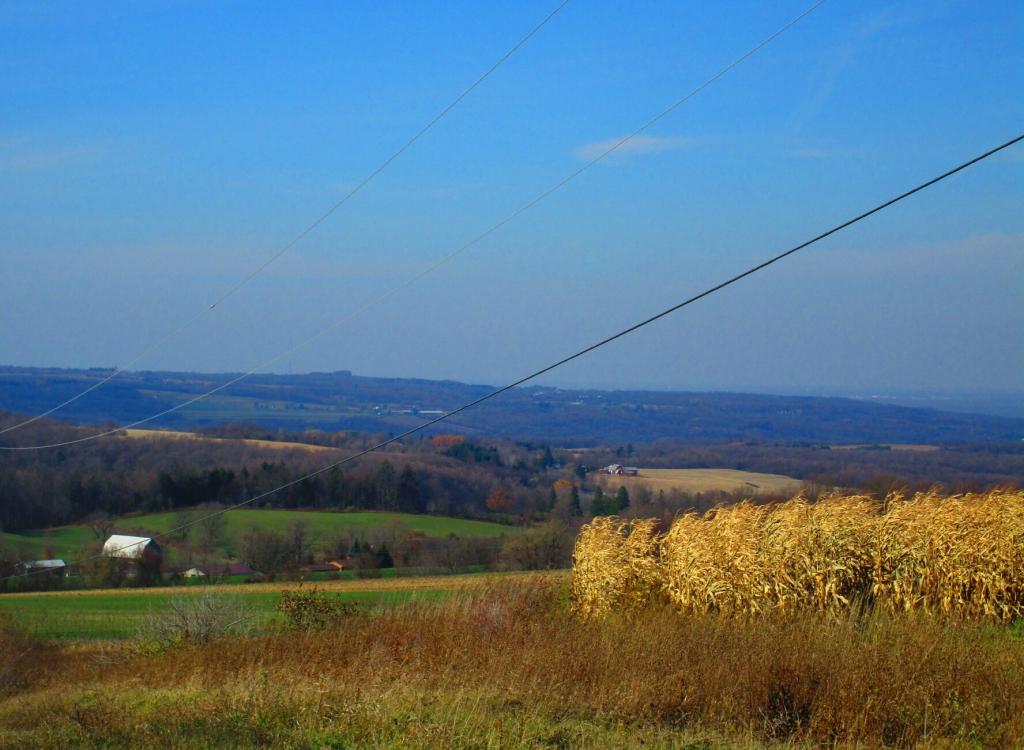
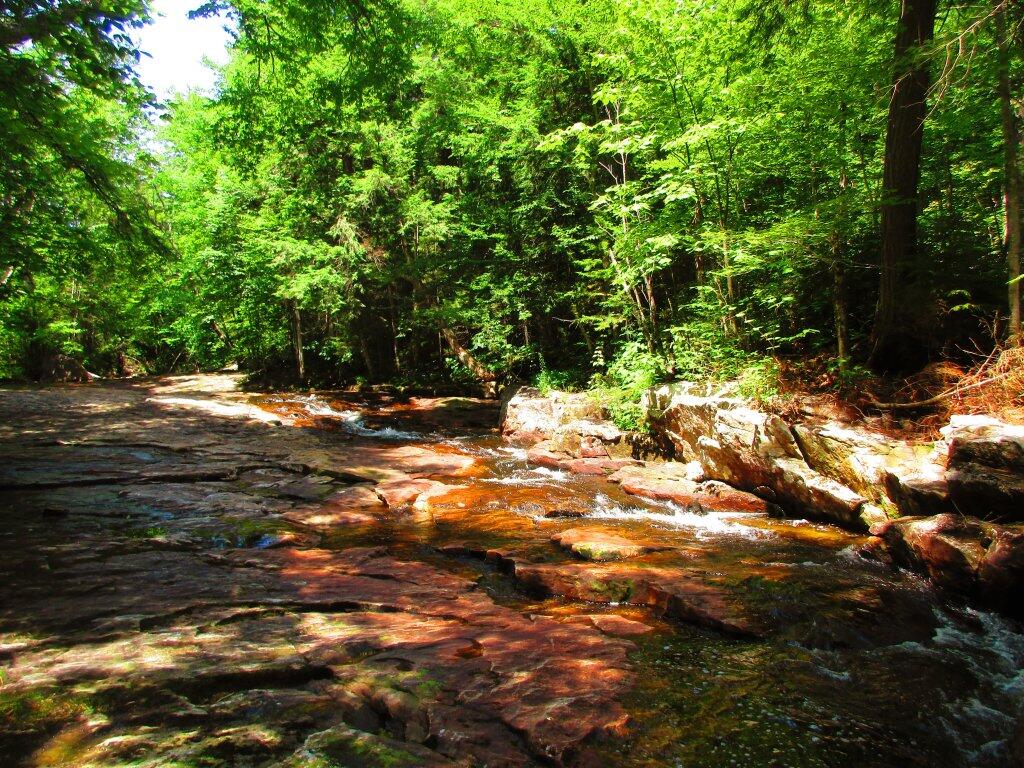
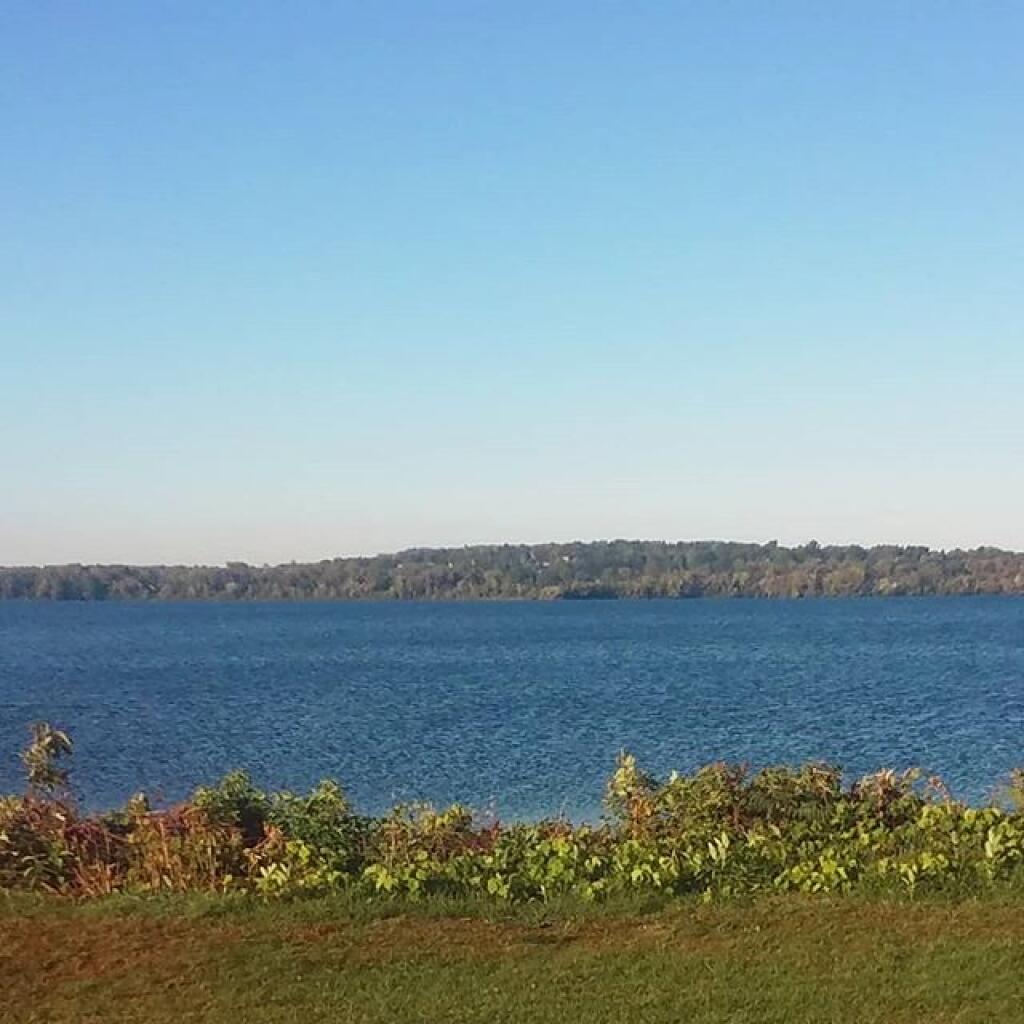
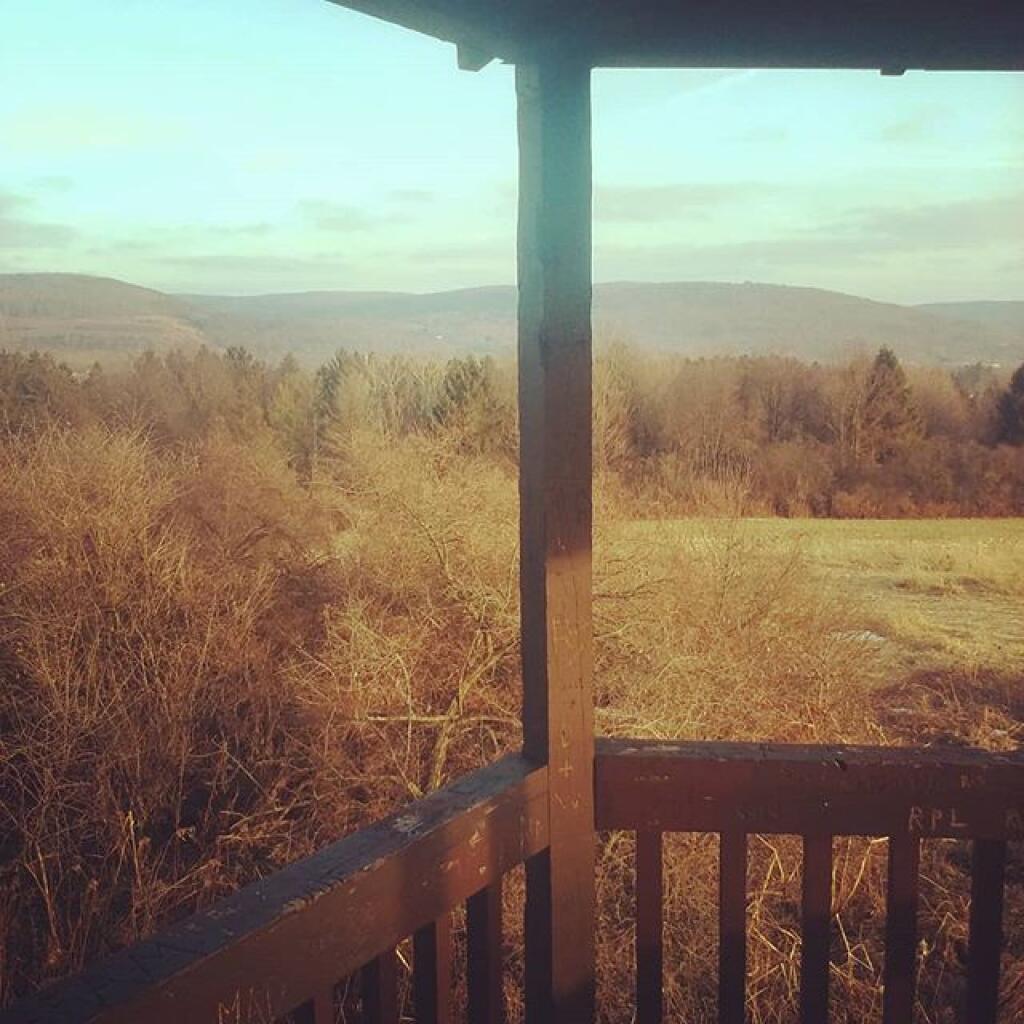
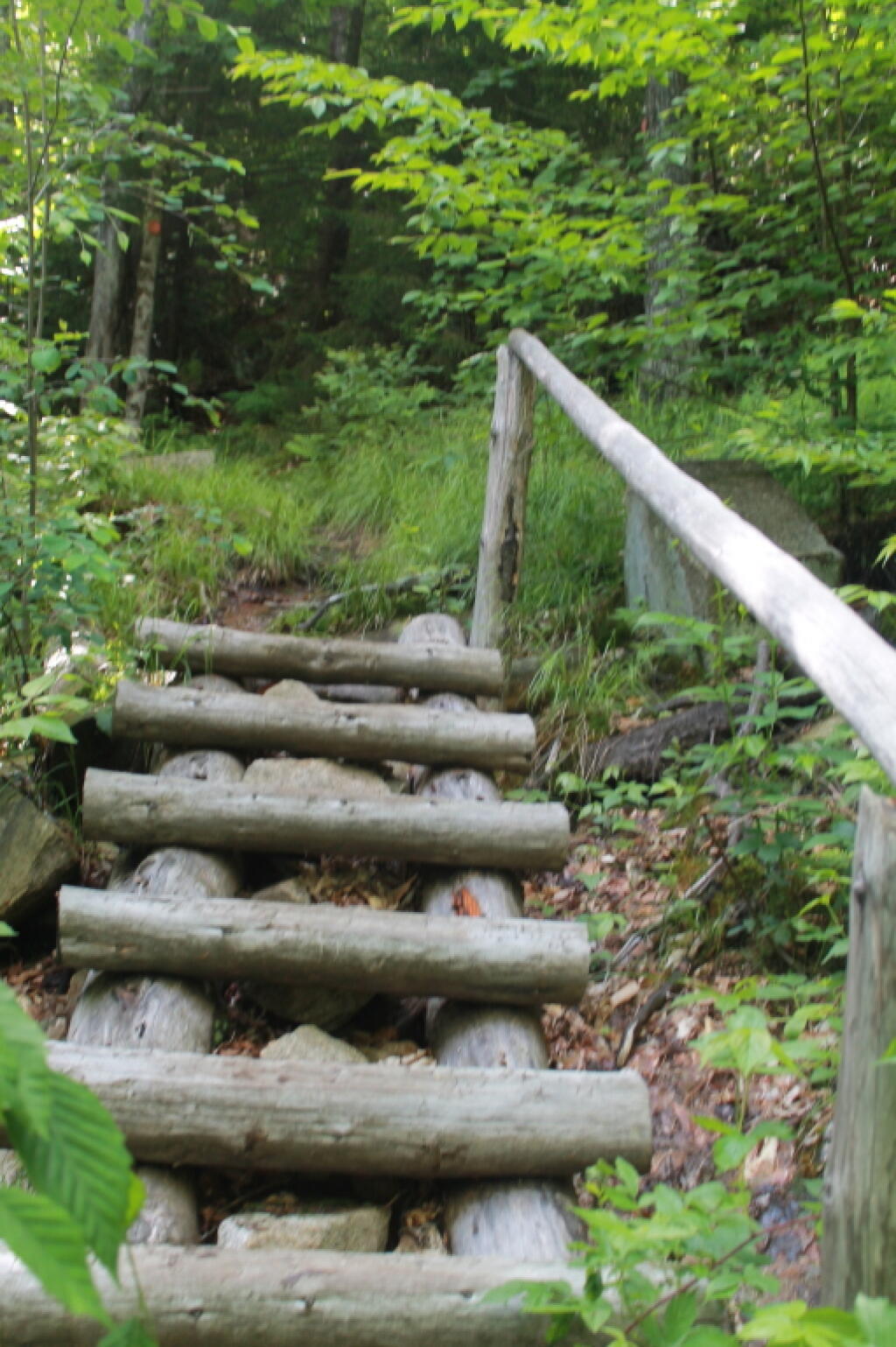
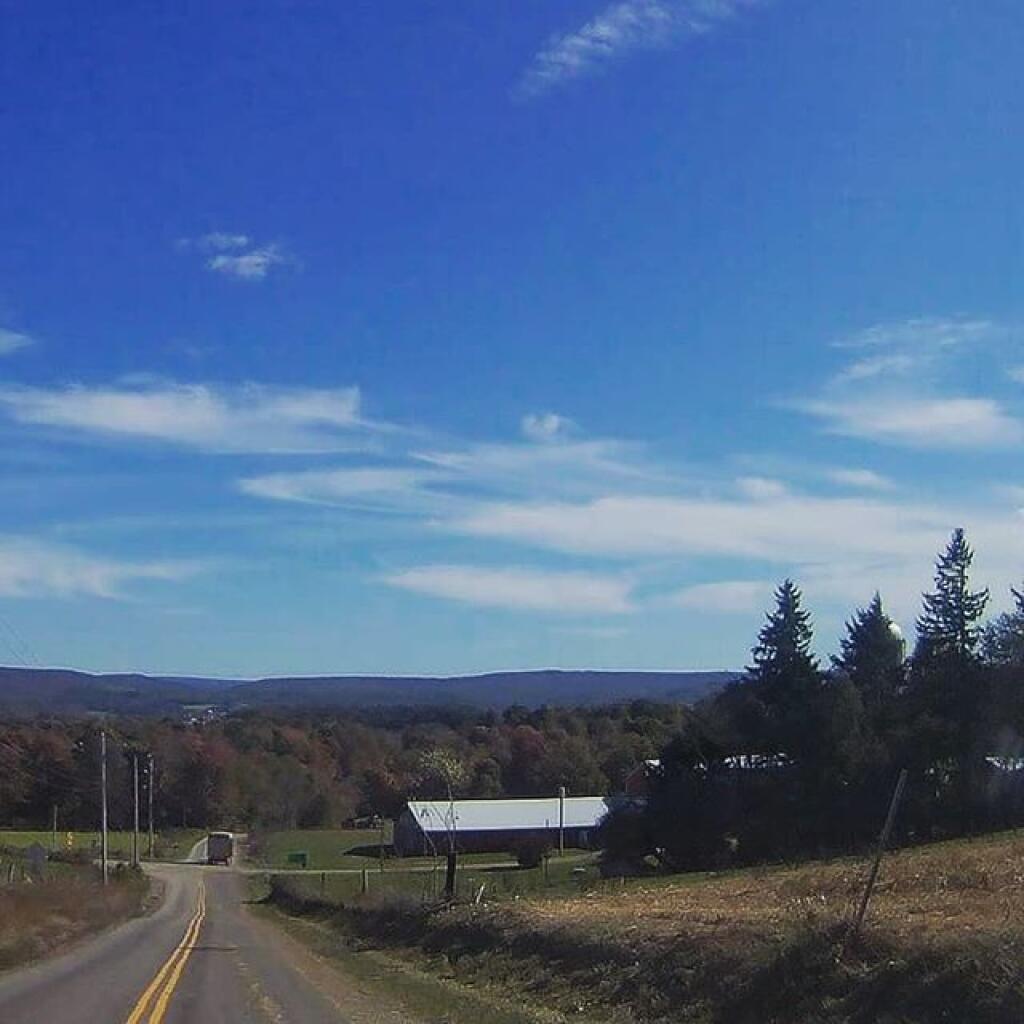
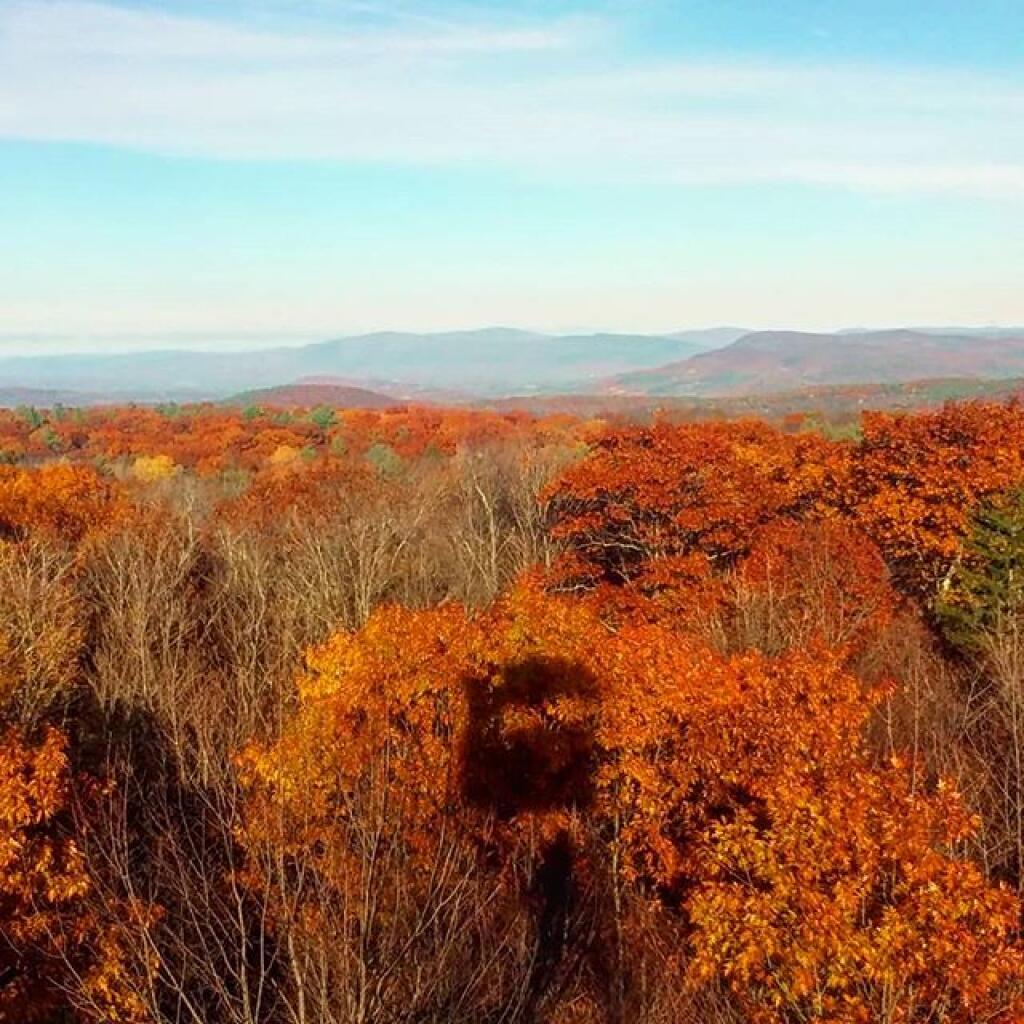
There is a profound, grounding poetry written across the rolling rural landscapes of Upstate New York. It is carved into the gentle crests of the hills, spelled out in the margins of old stone walls, and sung aloud by the wild meadows that stitch our valleys together. Whenever I head down the trail, my steps naturally falter, captured by the spontaneous architecture of untamed colors. I can lose entire afternoons to this wandering—stepping into fields where time seems to slow down, entirely captivated by the quiet majesty of plants that grew exactly where the wind intended.
To walk these paths in summer is to witness a masterpiece of mutual devotion. Look closely, and you will see the fiery, neon crowns of bee balm leaning into the afternoon light, humming with the frenetic energy of bumblebees. Nearby, the sturdy, understated elegance of purple coneflowers stands like sentinels of the field, their golden centers serving as landing pads for migrating monarchs. Goldenrod begins to brush the ridges in yellow light, while patches of wild milkweed and blue-flag iris soften the ditches and damp hollows. This is not just a pretty backdrop; it is a breathing, working landscape. It is the frontline of pollination, a quiet engine of resilience holding up our local ecosystems, our neighborhood farms, and the very air we breathe. Wildflowers give everything they have to the community, asking for nothing but a patch of dirt and a sliver of sun.
This breathtaking harmony is the blueprint for my deepest daydream. Someday, when I finally clear a space for that cabin, that home, that homestead, I will not attempt to conquer the earth with manicured lawns or heavy machinery. My land will be a sanctuary for the true locals. I want to build a working landscape where man and nature exist in a state of mutual respect—a space where crops and wild things blur seamlessly at the edges.
I am fiercely set on an organic path, one that completely rejects the sterile promise of pesticides, synthetic chemicals, and artificial intervention. Instead of forcing delicate, introduced species to survive on life support, I want to champion the resilient native flora that has evolved alongside the local wildlife for millennia. Even if a sweeping drift of bee balm or coneflower doesn’t yield a direct financial profit or put food on my kitchen table, it pays a more sacred dividend. It anchors the soil, filters the rain, and invites the birds. It creates a diverse, self-sustaining ecosystem that requires minimal maintenance because it is exactly where it belongs. On that future homestead, stewardship will not mean dominating the soil, but gently lifting out the disruptive, invasive species to let the native soul of the land breathe.
But that homestead is a map still waiting to be drawn, tucked safely inside my imagination.
For now, I do not own the ridges or the valleys. I am simply a grateful guest passing through. Until the day I can plant my own deep roots into those rolling hills, you can find me exactly where I belong—happily lost in the woods, tracking the flight of a honeybee, and drinking in the wild, unbothered beauty of the flowers.