Built to Last, Not to Throw Away, Skipping the Vinyl Suburbia
I spend a lot of time scrolling through pages of log cabin and wood house builders.
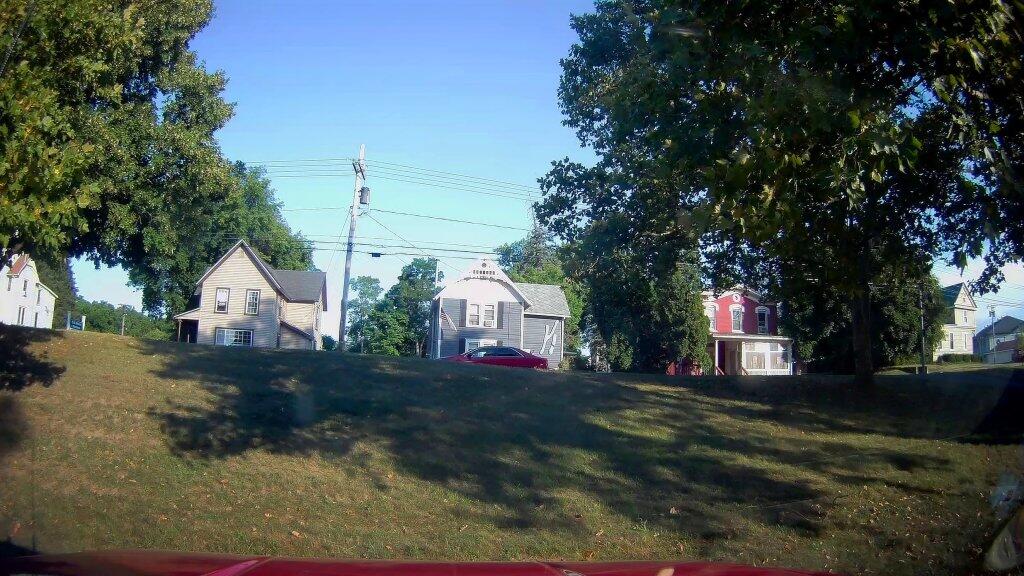
There is something fundamentally grounding about looking at a structure made of solid, raw material. I really like the idea of a log cabin, or at least a house built with plenty of wood tongue-and-groove on the inside and deep wood on the outside. It stands in stark, beautiful contrast to the vinyl, asphalt shingle, and drywall claptrap that dominates the suburban landscapes sprouting up along endless miles of asphalt.
Maybe part of my preference comes down to self-awareness. I know what a dirty hick I am, and how quickly anything pristine and white gets dirty and dingy in my hands. But it goes deeper than that. I associate vinyl and plastic with disposability. To me, plastic is something you use for a few minutes before chucking it into the fire to get rid of it. Wrapping a house in it just feels wrong.
Modern building materials are often praised for being durable and “zero maintenance.” But that phrasing is a corporate illusion. What it really means is that these materials are engineered to be used for a fixed “material lifespan” with no upkeep possible, until they are inevitably discarded at a local or distant “regulated” dumping ground. Zero maintenance usually means zero maintenance is possible. You cannot prolong its lifespan with honest care. Any fix you try to apply later is an afterthought, a hack.
Wood is different. It is not to say that wood doesn’t require more work—it demands painting, staining, and eventually replacing rotten pieces. But it is also repairable. It is fundamentally not disposable. When you work with wood, you enter into a long-term relationship with the structure. You can preserve it, mend it, and keep it alive.
Most of the buildings you find in the cities and suburbs are covered in that generic white vinyl crap I hate, and sadly, it’s bleeding into the mountains too. I am not saying a pure log cabin is the only way to build a life, but I know exactly what I want someday when I finally have my own land, my own homestead. I want a home that can be fixed with basic tools, weathered by the elements, and built to endure rather than fill a landfill.