El Nino and Upstate New York
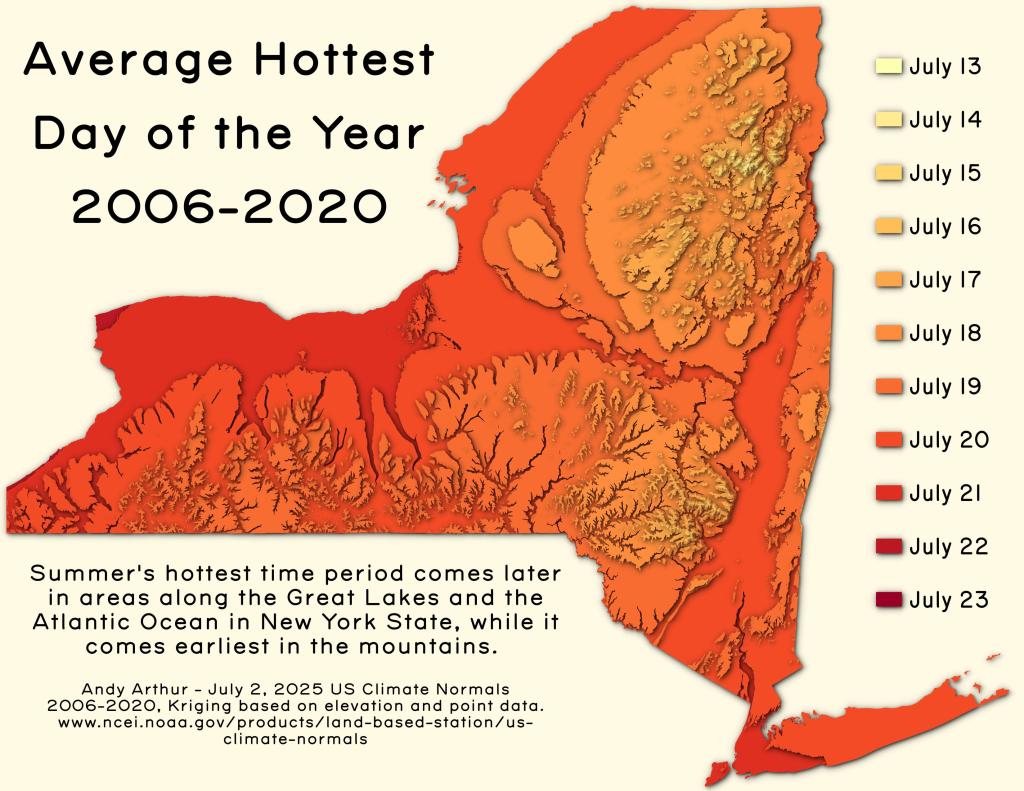
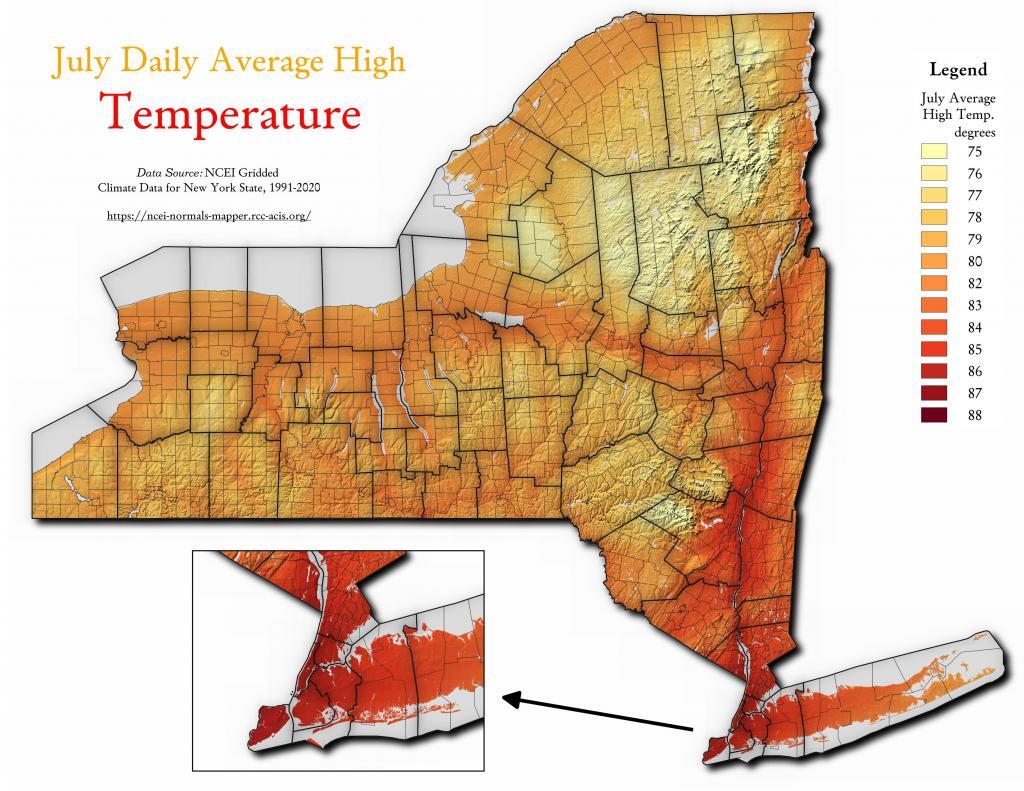
A strong El Niño typically leads to warmer-than-average temperatures and highly variable rainfall during the summer months in Albany, NY. While El Niño’s strongest atmospheric effects on North America occur during the winter, its decaying or lingering phases in summer alter the jet stream, frequently pushing hotter air masses into the Northeast.
![Untitled [Expires July 27 2024]](https://andyarthur.org//data/photo_014638_large.jpg)
Historical summer data from the National Centers for Environmental Information during past strong El Niño cycles shows a clear upward trend in average summer temperatures:
- Higher daily maximums: Recent strong El Niño summers (such as 2016) saw average daily highs climb to 83°F, compared to cooler maximums like 79°F in 1998.
- Warmer nights: Average summer minimum temperatures have steadily risen, staying around 60°F to 61°F, which reduces overnight cooling relief during heat waves.
Rainfall during an El Niño summer in upstate New York is less predictable and depends heavily on regional jet stream patterns, alternating between dry spells and sudden heavy downpours:
- High variability: Total summer precipitation has historically fluctuated from a dry 6.71 inches in 1983 to a much wetter 12.69 inches in 2016.
- Storm risks: A stronger southern jet stream can fuel localized, intense thunderstorm systems, increasing the risk of flash flooding even during otherwise dry summer stretches.